Pediatric B cell repertoires are enriched for naive clonal phenotypes and are shaped by distinct selection dynamics
Thomas Hsiao, Areen Shtewe, Uri Hershberg

TL;DR
This study shows that children's B cell repertoires are less mutated and experience less selection pressure compared to adults, which may help them respond better to new antigens.
Contribution
The paper reveals distinct selection dynamics in pediatric B cell repertoires, including reduced negative selection and increased lineage flexibility.
Findings
Children's B cell repertoires have fewer mutations and less negative selection compared to adults.
Mutated clones in children are less likely to have a trunk, but this proportion increases with age.
Pediatric B cells show more unmutated germline sequences and greater lineage diversity.
Abstract
B cell development in early life sets the stage for how the adaptive immune system will function. Although little is known about B cell biology in children, especially from tissue-residing B cells, it has been previously reported that children generally possess more naive B cell repertoires with less somatic hypermutation and fewer expanded clones compared to adults. In this paper, we move beyond these findings by studying how clonal selection differs between children and adults from both blood and tissue-residing B cells. By integrating deep sequencing data of immunoglobulin heavy chains from genomic DNA from extracted tissues and blood of 15 children and 9 adults across multiple datasets, we demonstrate that B cell repertoires in children are not only less mutated, but also undergo reduced negative selection pressures. Mutated clones in children are less likely to possess a trunk…
Genes, proteins, chemicals, diseases, species, mutations and cell lines named across the full text — each resolved to its canonical identifier and authoritative record.
Click any figure to enlarge with its caption.
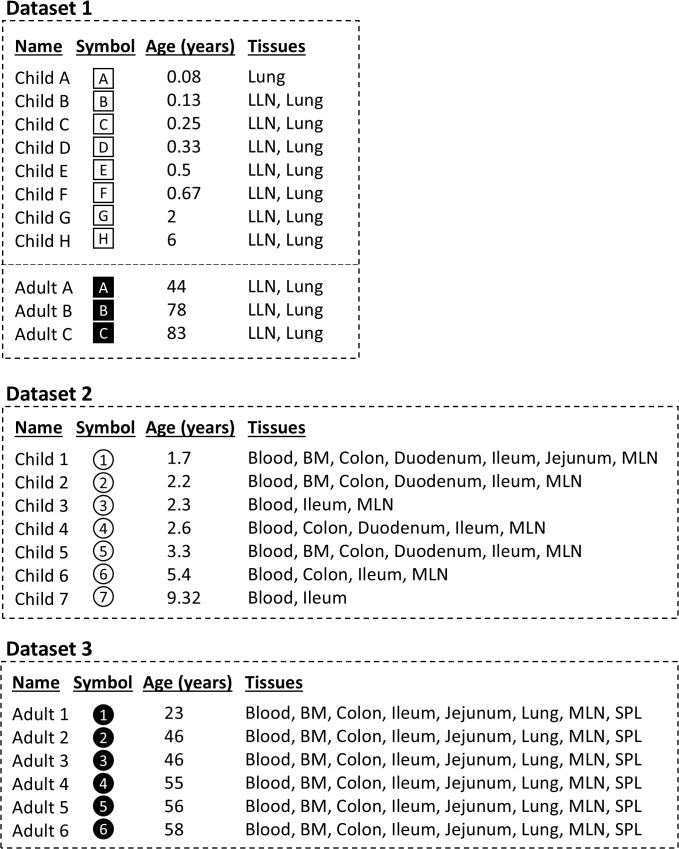 Figure 1
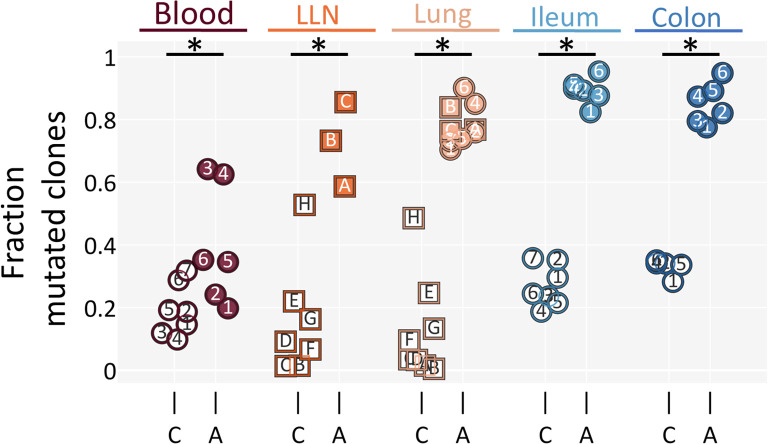 Figure 2
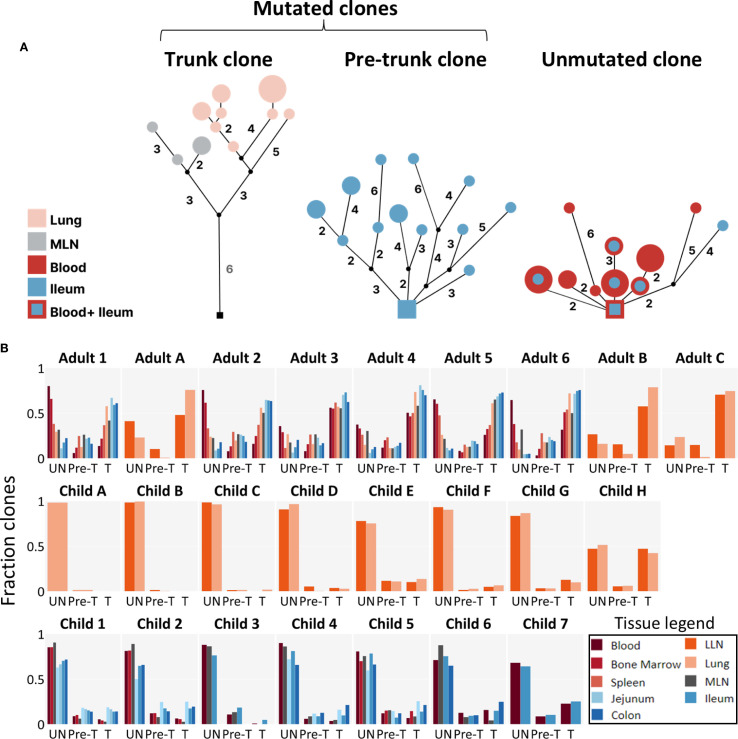 Figure 3
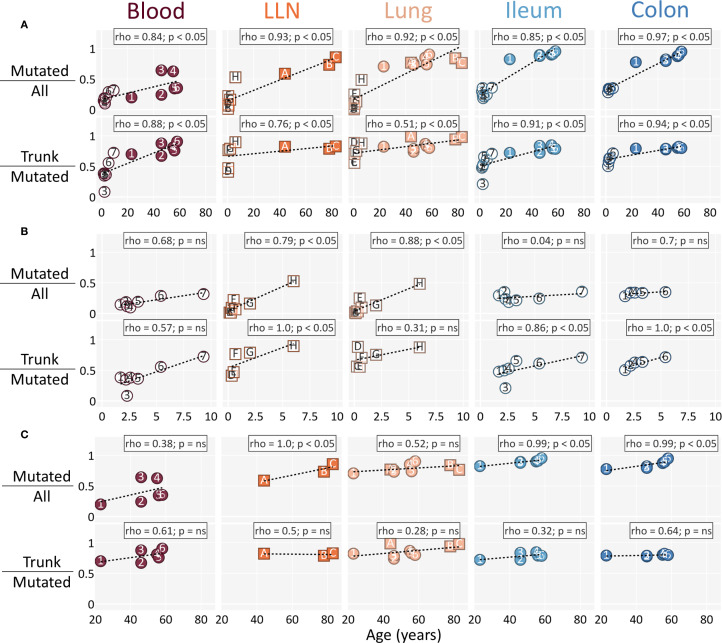 Figure 4
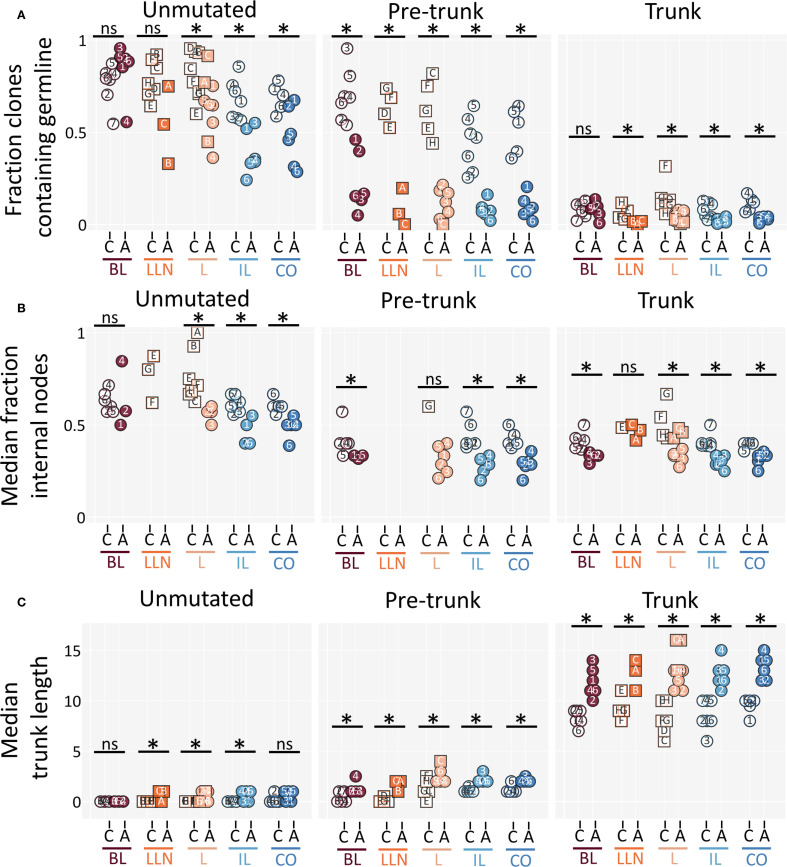 Figure 5
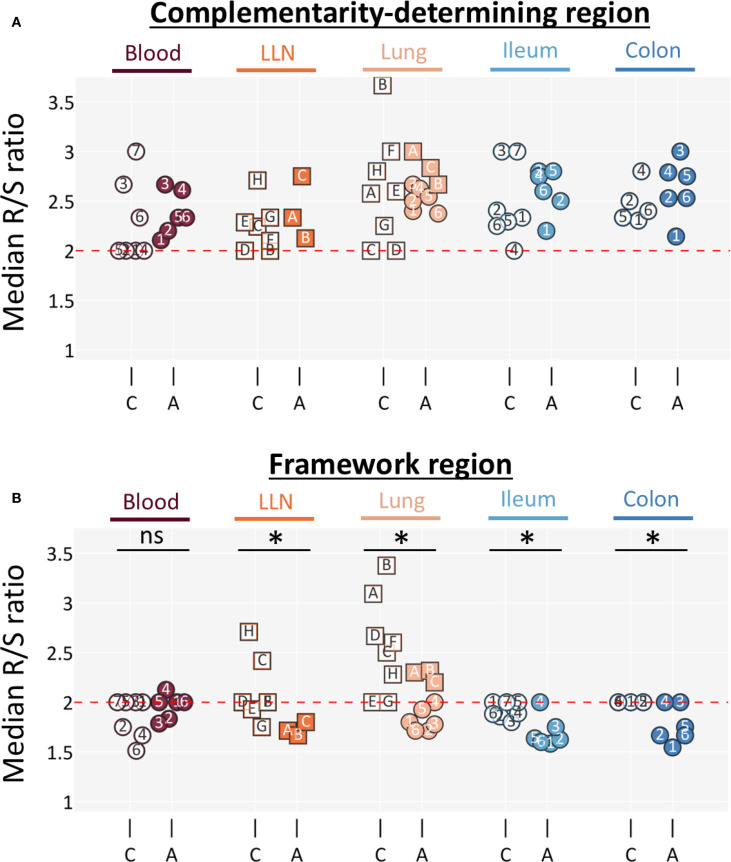 Figure 6
Peer Reviews
No public reviews on file for this paper yet. If you reviewed it on a platform where reviews are public (OpenReview, ICLR, NeurIPS, ICML), you can paste yours below so the community can read it here.
Videos
No videos yet. Explain this paper in a talk, walkthrough, or lecture? Add one.
Taxonomy
TopicsT-cell and B-cell Immunology · Escherichia coli research studies · Immune Cell Function and Interaction