Aspects of zone-like identity and holotomographic tracking of human stem cell-derived liver sinusoidal endothelial cells
Mikel Amirola-Martinez, Thomas Combriat, Katharina Ferencevic, Ingrid Wilhelmsen, Andrea Dalmao-Fernandez, Petter Angell Olsen, Justyna Stokowiec, Aleksandra Aizenshtadt, Stefan Krauss

TL;DR
Researchers developed a method to study liver sinusoidal endothelial cells derived from stem cells using a non-invasive imaging technique and machine learning.
Contribution
The novel contribution is the use of holotomography and machine learning to track and analyze the structure and function of stem cell-derived liver sinusoidal endothelial cells.
Findings
Stem cell-derived LSEC-like cells were successfully characterized using multiple methods including qPCR and holotomography.
Holotomography enabled label-free, three-dimensional imaging of intracellular structures in scLSECs.
Culture-based treatments induced minor changes in LSEC phenotype and metabolism.
Abstract
Liver sinusoidal endothelial cells (LSEC) are specialized endothelial cells with unique metabolic and barrier functions adapted to the needs of the liver sinusoid. LSECs are highly sensitive to their environment, and this fragile nature causes challenges in analyzing their phenotype under in vitro conditions. In this work, we first differentiated LSEC-like cells (scLSECs) from two human pluripotent stem cell lines and characterized them by a panel of qPCR markers, immunohistochemistry, substrate oxidation for energy metabolism, scavenger function, and nitric oxide secretion. We then introduced holotomography, a technique that allows to recover quantitative and three-dimensional information about the refractive indexes of cell components, as a tool to image and track scLSEC in vitro in a minimally intrusive, label-free manner. Holotomography and developed machine learning-based…
Genes, proteins, chemicals, diseases, species, mutations and cell lines named across the full text — each resolved to its canonical identifier and authoritative record.
Click any figure to enlarge with its caption.
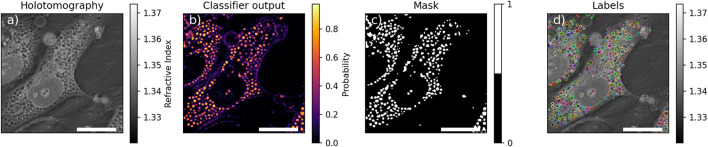 Figure 1
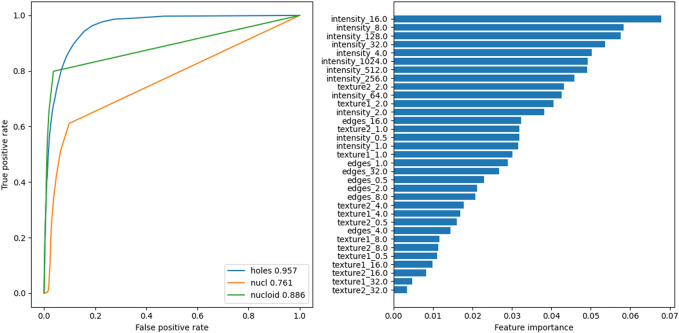 Figure 2
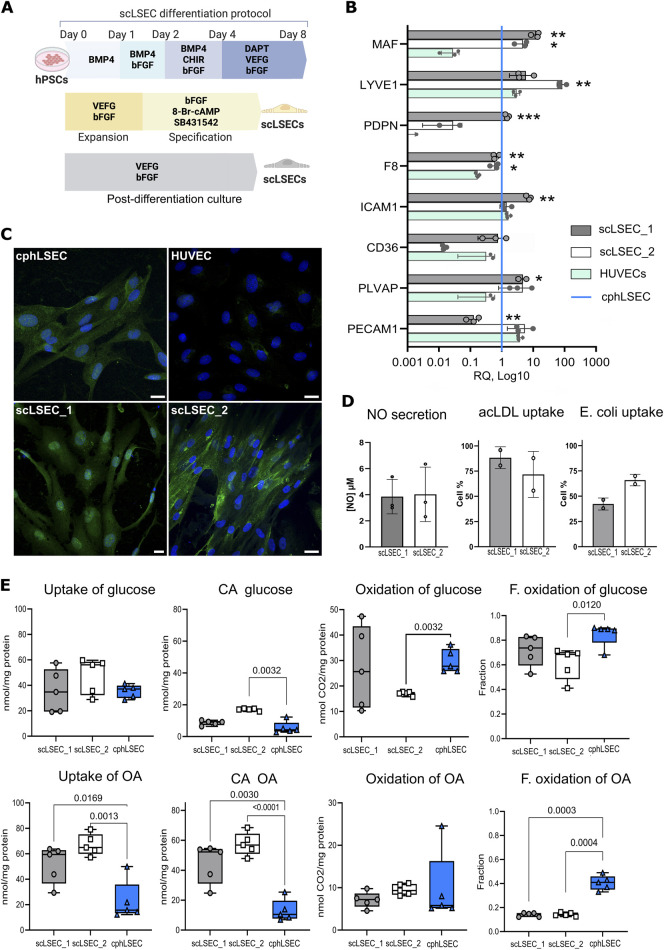 Figure 3
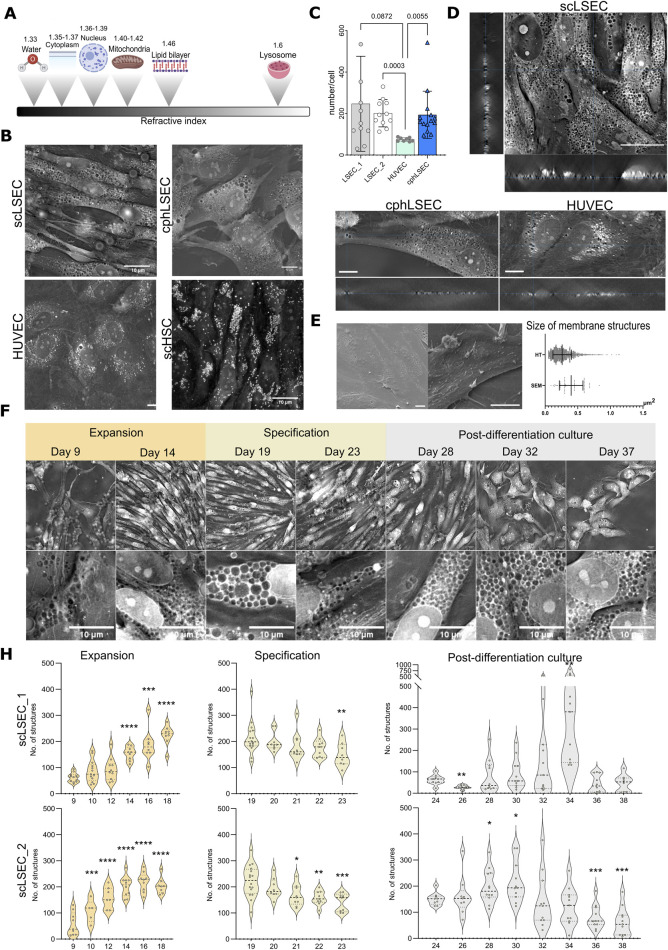 Figure 4
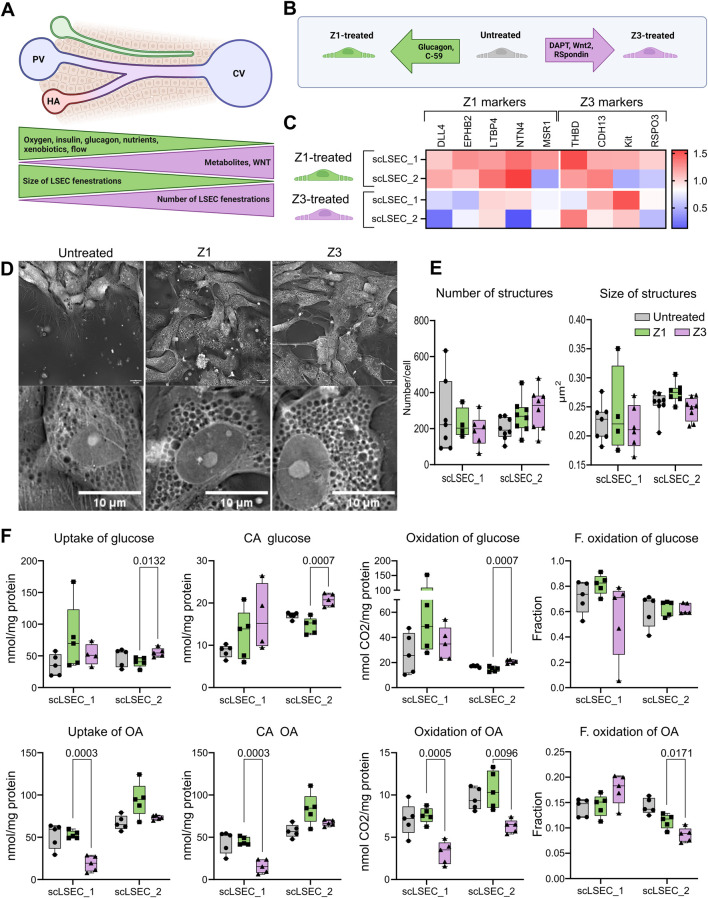 Figure 5
Peer Reviews
No public reviews on file for this paper yet. If you reviewed it on a platform where reviews are public (OpenReview, ICLR, NeurIPS, ICML), you can paste yours below so the community can read it here.
Videos
No videos yet. Explain this paper in a talk, walkthrough, or lecture? Add one.
Taxonomy
TopicsSpaceflight effects on biology · Liver physiology and pathology · 3D Printing in Biomedical Research