Investigating the mechanisms of Sini San in alleviating inflammatory responses via multi-omics and the BDNF/TrkB/PI3K/AKT signaling pathway in depressive model rats
Jia-Wei Zeng, Zhen-Jie Han, Xiu-Tang He, Xue-Jiao Liu, Hui-Yue Wang, Shu-Sheng Yang, Jing Bai, Yan-Jun Duan, Li Lin

TL;DR
This study explores how Sini San, a traditional Chinese medicine, reduces inflammation and depressive symptoms in rats by modulating gut health and brain signaling pathways.
Contribution
The study identifies the BDNF/TrkB/PI3K/AKT signaling pathway and gut microbiota as key mechanisms through which Sini San alleviates depression.
Findings
Sini San reduced NLRP3 inflammasome-related inflammation and pro-inflammatory cytokines in depressive rats.
Sini San restored intestinal barrier function and gut microbiota balance disrupted by chronic stress.
Sini San activated the BDNF/TrkB/PI3K/AKT signaling pathway, potentially improving synaptic plasticity and depressive symptoms.
Abstract
Sini San, from the traditional Chinese medicine classic Treatise on Exogenous Febrile Disease, has been reported to improve anxiety and depressive symptoms in clinical practice and exhibits certain anti-inflammatory effects. Studies have shown that the inflammatory response is not merely a concomitant feature of depression but actively contributes to its pathogenesis via neuroimmune mechanisms. However, the underlying mechanism remains unclear. This study aimed to evaluate the antidepressant effect and inflammatory profile of Sini San in chronic unpredictable mild stress (CUMS)-induced rats and to explore its potential mechanism. The primary active ingredients, targets, and pathways of Sini San in treating depression were determined through network pharmacology. The improvement of depression-like behaviors was assessed using behavioral experiments. Tissue inflammatory responses were…
Genes, proteins, chemicals, diseases, species, mutations and cell lines named across the full text — each resolved to its canonical identifier and authoritative record.
Click any figure to enlarge with its caption.
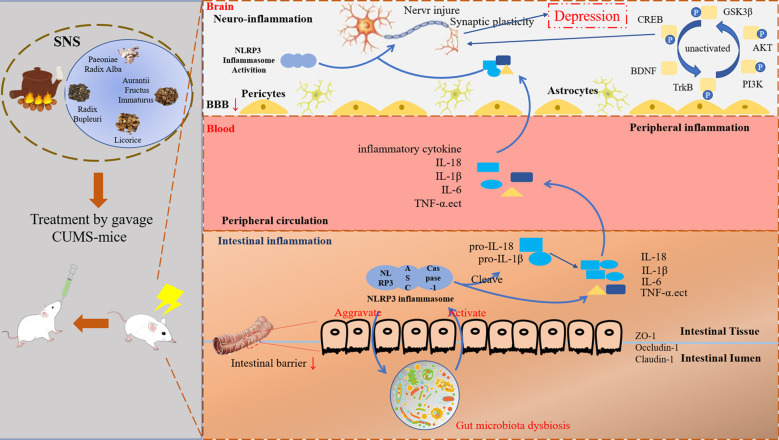 Figure 1
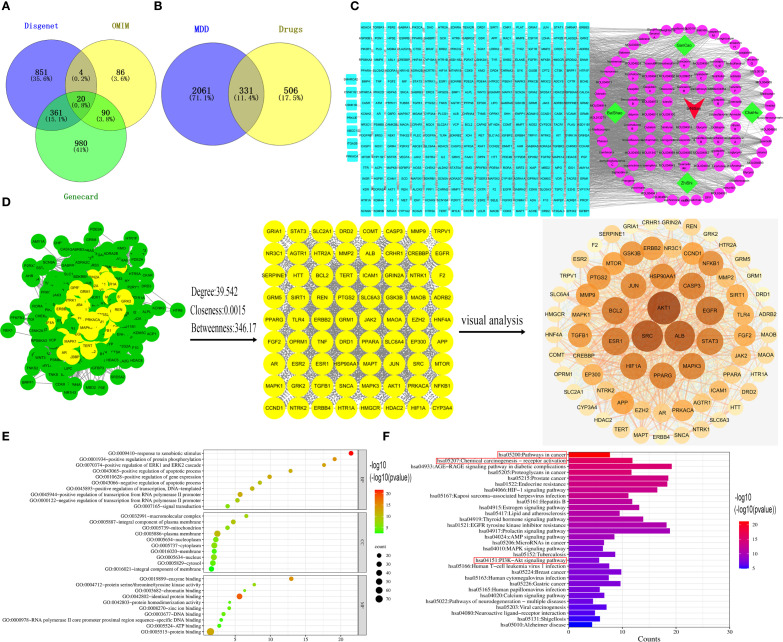 Figure 2
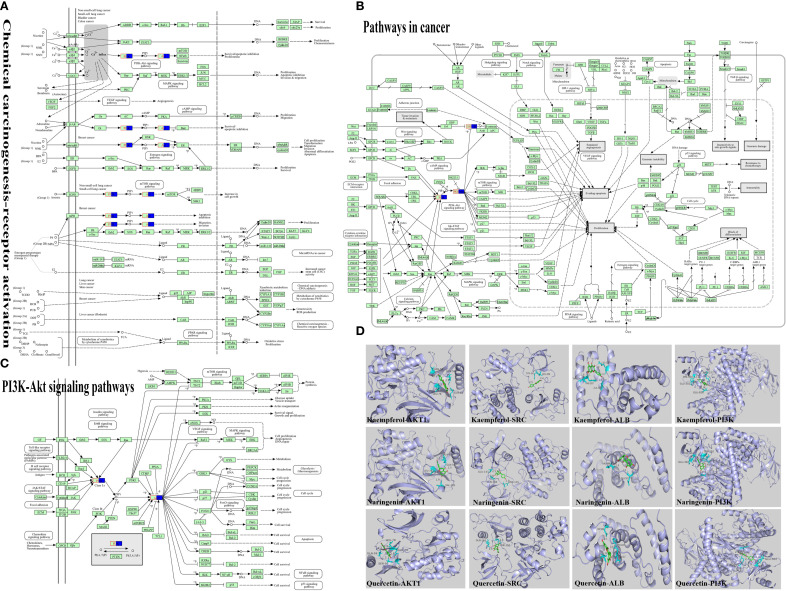 Figure 3
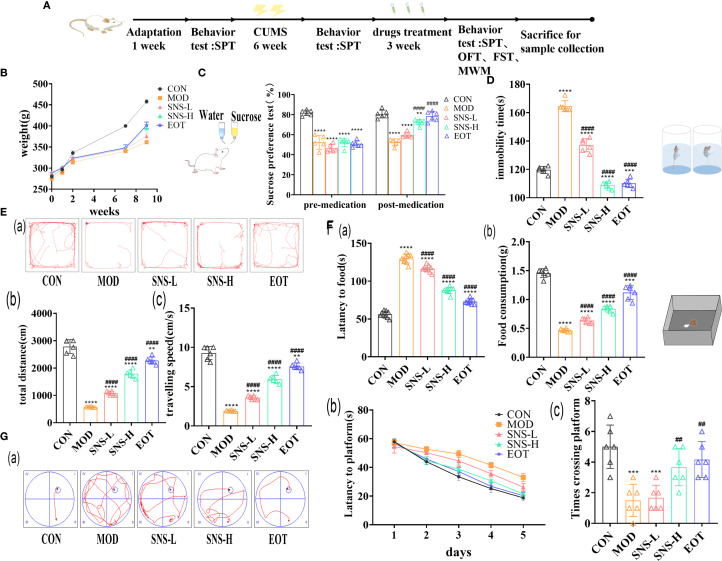 Figure 4
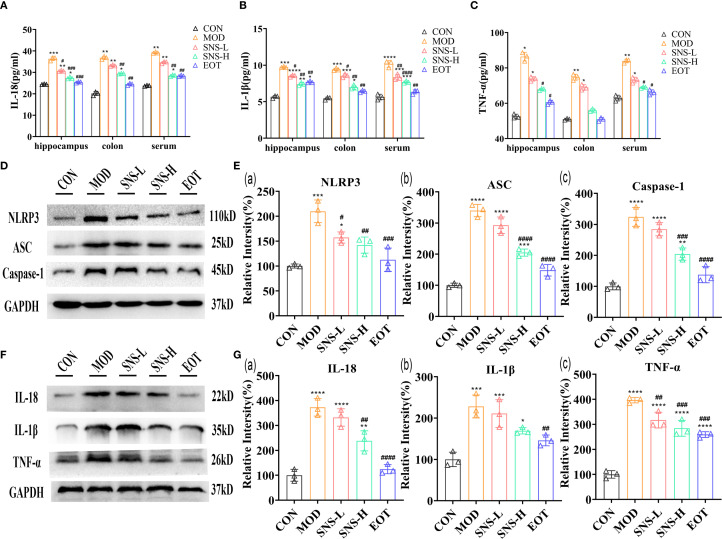 Figure 5
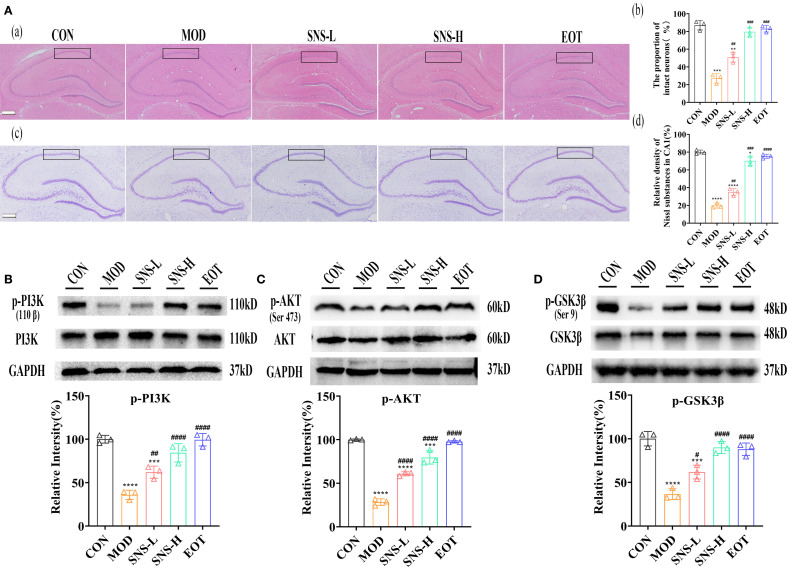 Figure 6
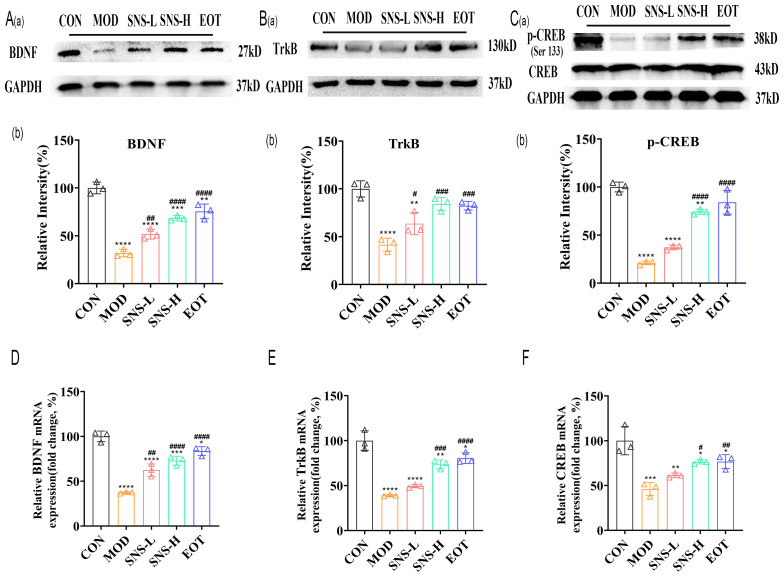 Figure 7
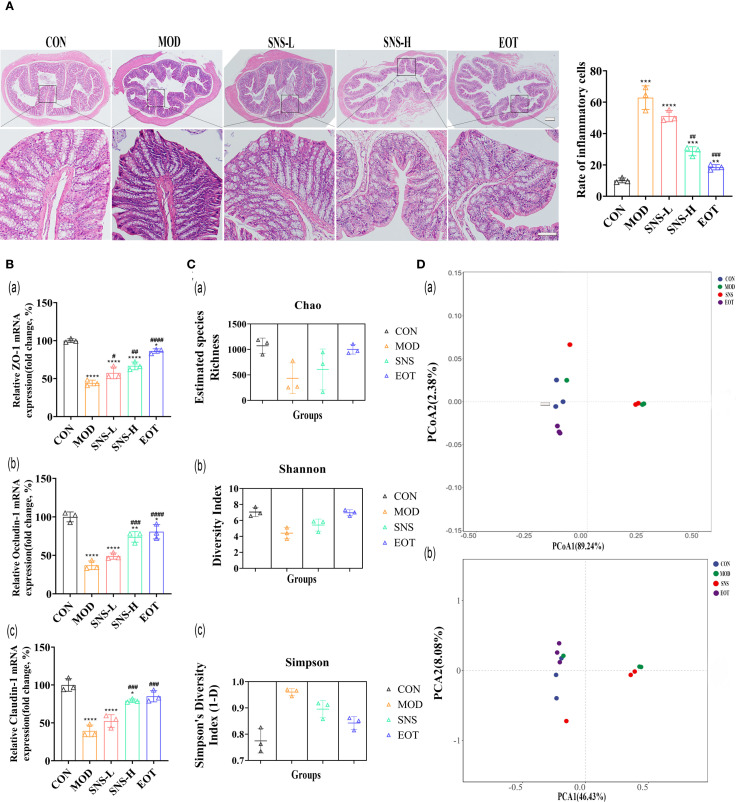 Figure 8
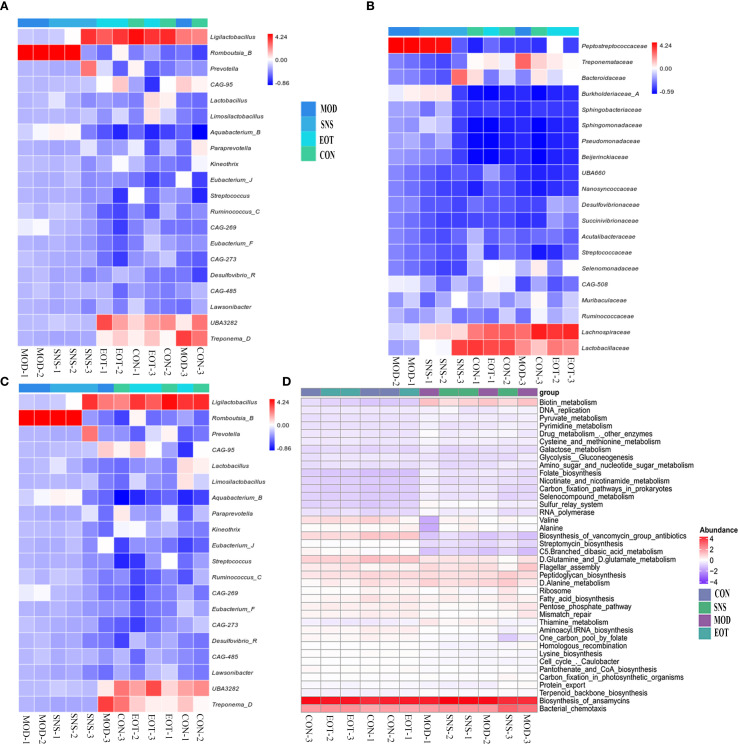 Figure 9
Peer Reviews
No public reviews on file for this paper yet. If you reviewed it on a platform where reviews are public (OpenReview, ICLR, NeurIPS, ICML), you can paste yours below so the community can read it here.
Videos
No videos yet. Explain this paper in a talk, walkthrough, or lecture? Add one.
Taxonomy
TopicsTryptophan and brain disorders · Stress Responses and Cortisol · Adipokines, Inflammation, and Metabolic Diseases