A multimodal microfluidic-based platform integrating topographical and equibiaxial mechanical cues for next-generation in vitro cell microenvironment mimicking
Denise Pagliara, Raffaele Vecchione, Valentina Mollo, Paolo Antonio Netti

TL;DR
A new platform combines microfluidics and mechanical cues to better mimic cell environments, improving cell behavior studies.
Contribution
A novel microfluidic-biomechanical platform that integrates topographical and equibiaxial mechanical cues for precise cell microenvironment control.
Findings
The platform successfully guided cell alignment and migration through radial micropatterns and equibiaxial strain.
HL-1 rat atrial cardiomyocytes proliferated and responded to mechanical and fluidic stimuli on the device.
COMSOL simulations and experiments confirmed the interplay between mechanical stimulation and fluid flow.
Abstract
The cellular microenvironment is a powerful regulator of the cell state and function. Both biochemical and morphophysical environmental cues have been shown to profoundly influence cellular decisions. However, the fundamental principles governing the intricate crosstalk between microenvironmental manipulation and the modulation of cell functions remain largely elusive. To unravel the regulatory role of the microenvironment in determining cellular fate and state, it is essential to develop tools capable of precisely presenting and integrating these signals. In this context, we propose a next-generation cell culture system that synergistically combines microfluidic and biomechanical platforms. This system is designed to systematically deliver microenvironmental stimuli to condition cell state. As a notable use case, we selected cardiomyocytes (CMs) given the well-documented influence of…
Genes, proteins, chemicals, diseases, species, mutations and cell lines named across the full text — each resolved to its canonical identifier and authoritative record.
Click any figure to enlarge with its caption.
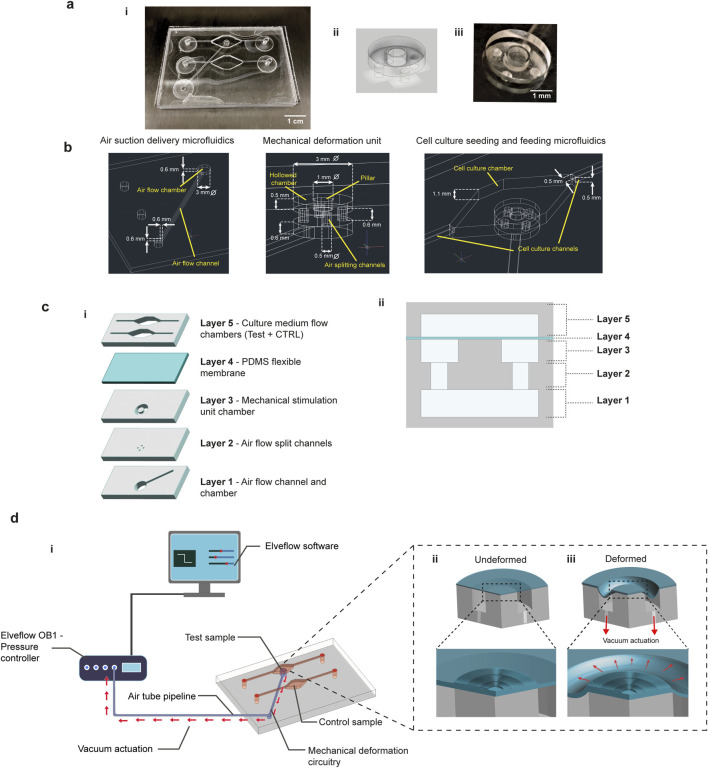 Figure 1
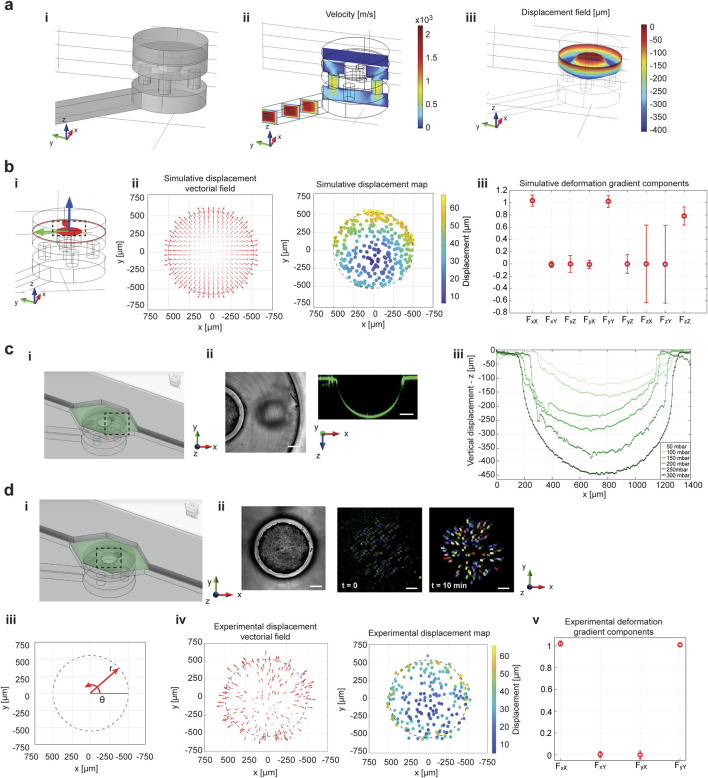 Figure 2
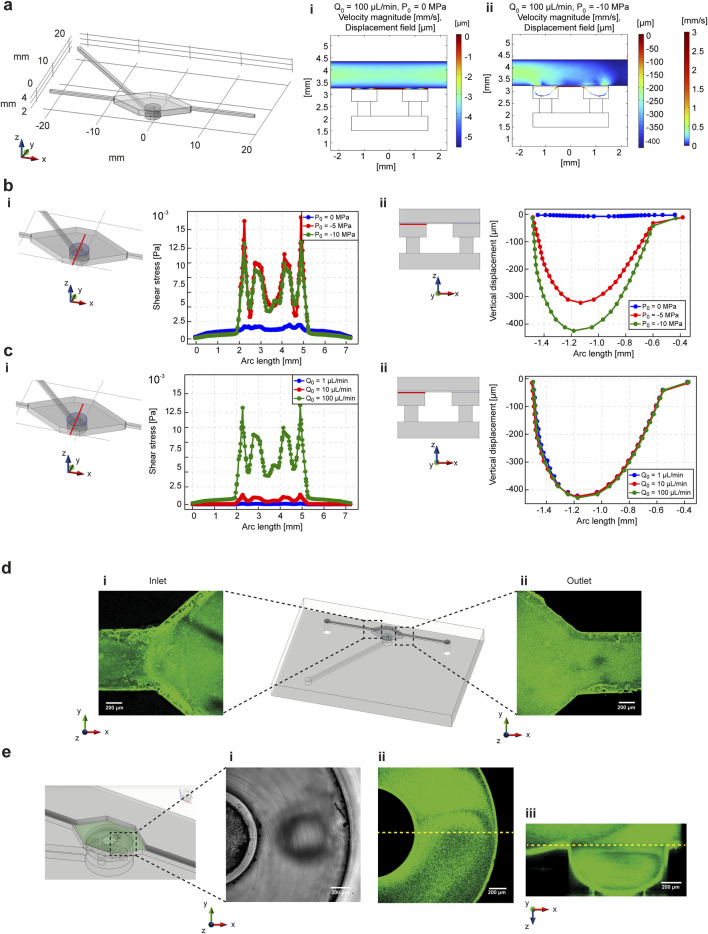 Figure 3
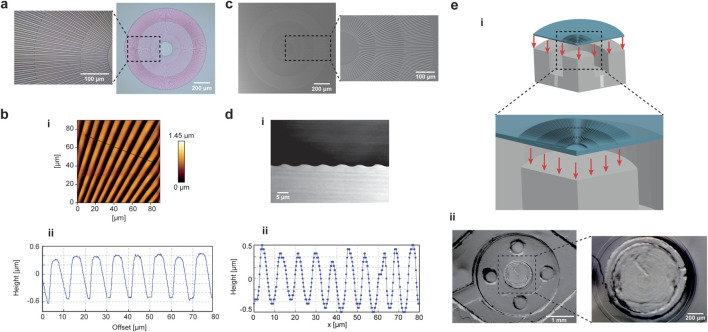 Figure 4
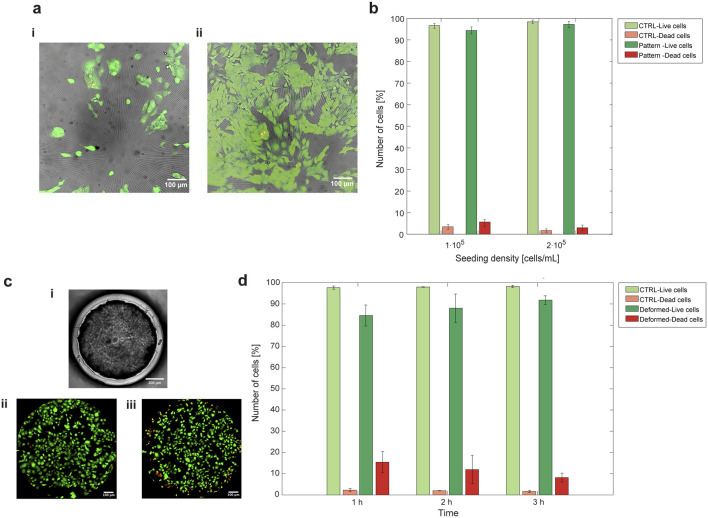 Figure 5
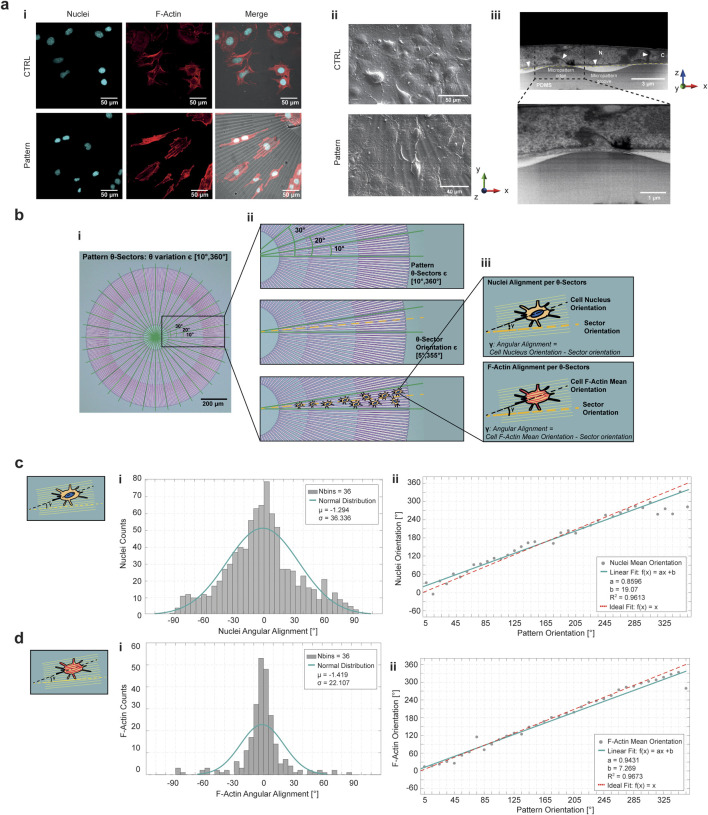 Figure 6
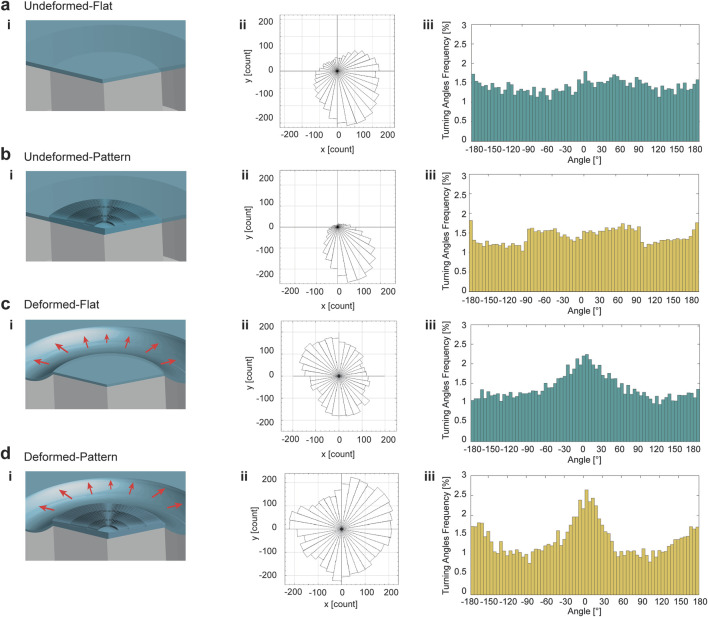 Figure 7
Peer Reviews
No public reviews on file for this paper yet. If you reviewed it on a platform where reviews are public (OpenReview, ICLR, NeurIPS, ICML), you can paste yours below so the community can read it here.
Videos
No videos yet. Explain this paper in a talk, walkthrough, or lecture? Add one.
Taxonomy
Topics3D Printing in Biomedical Research · Cellular Mechanics and Interactions · Microfluidic and Bio-sensing Technologies