Thermoneutral environment improves mouse welfare and reduces stress in metabolic cages
Philipp Villiger, Charlotte Calvet, Eva Maria Pastor-Arroyo, Carsten A. Wagner, Petra Seebeck

TL;DR
Housing mice in metabolic cages at a thermoneutral temperature of 30°C improves their welfare and reduces stress compared to standard 23°C conditions.
Contribution
The study demonstrates that thermoneutral housing in metabolic cages significantly improves mouse welfare by reducing cold stress.
Findings
Mice housed at 23°C showed lower core body temperatures and higher heart and respiratory rates compared to those at 30°C.
Mice at 23°C exhibited increased food consumption, weight loss, and elevated corticosterone levels.
Thermoneutral housing at 30°C reduced physiological stress markers and improved mouse welfare.
Abstract
Metabolic cages (MCs) are often used to collect feces and urine samples. However, the housing of mice in MCs can be stressful, potentially affecting parameters of interest. Here we compare our standard protocol for individual MC housing (4 days at 23 °C: 3 days of permanent acclimatization followed by 24 h sampling (MC23)) with a short-term intermittent acclimatization protocol (3 h of MC housing for 3 days plus 24 h sampling (accMC23)), the provision of a nest (4 days at 23 °C in MC (nest-MC23)) and MC housing at thermoneutrality (4 days at 30 °C, MC30)). C57BL6/N mice were implanted with telemetric transmitters to collect electrocardiograms, blood pressure, core body temperature and activity data. Single-housed mice in the MC at 23 °C had lower core body temperatures and higher heart and respiratory rates than mice in the MC30 group. Mice housed in MCs at 23 °C exhibited increased…
Genes, proteins, chemicals, diseases, species, mutations and cell lines named across the full text — each resolved to its canonical identifier and authoritative record.
Click any figure to enlarge with its caption.
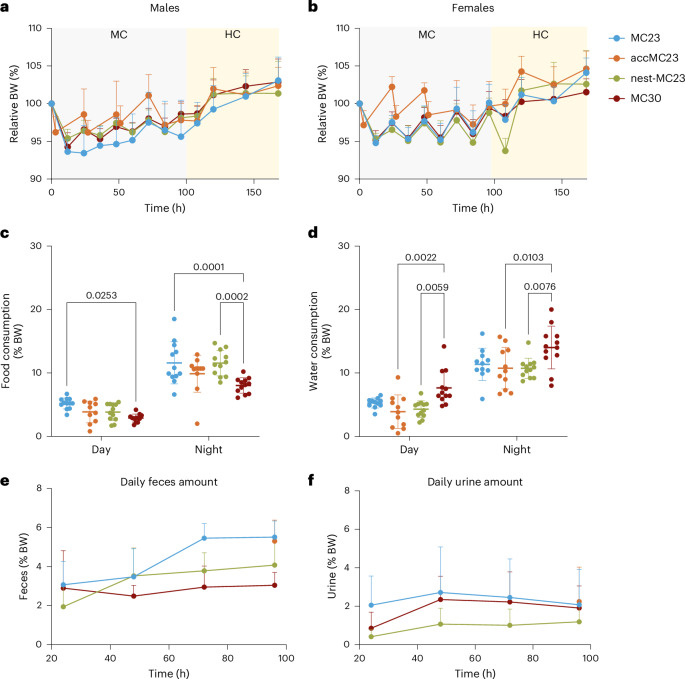 Figure 1
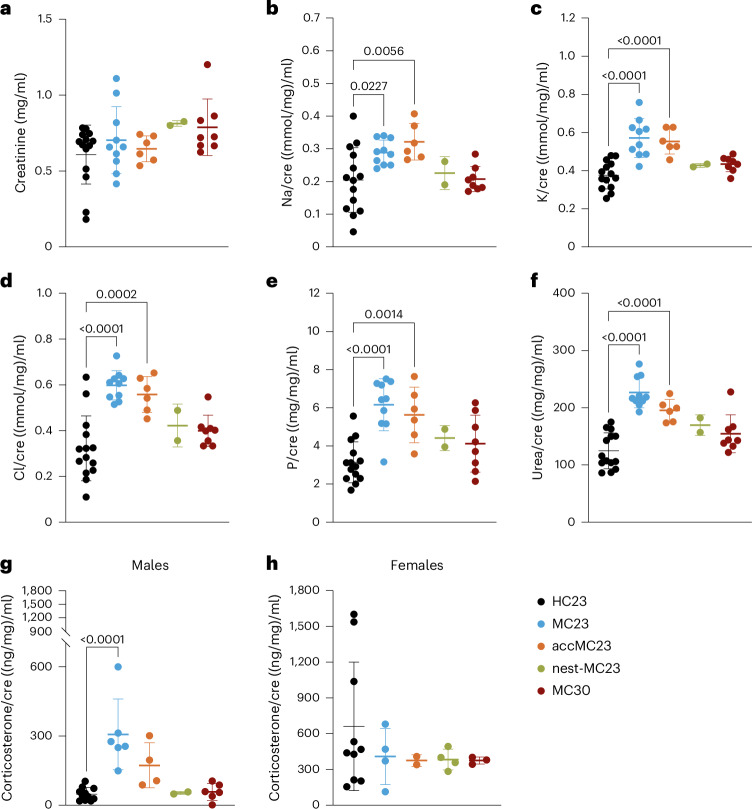 Figure 2
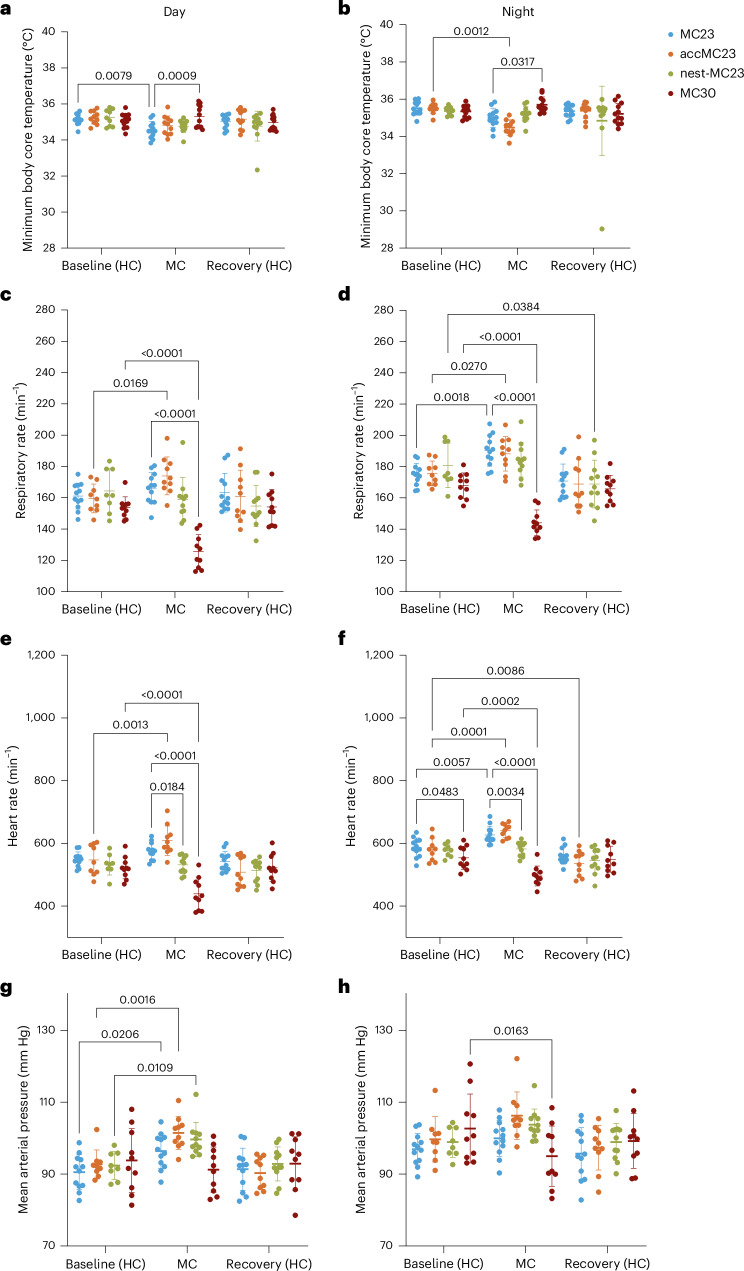 Figure 3
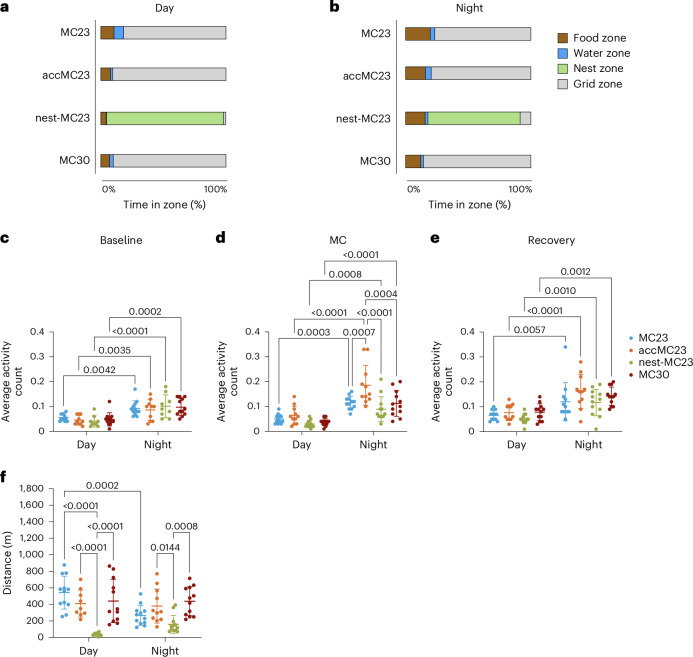 Figure 4
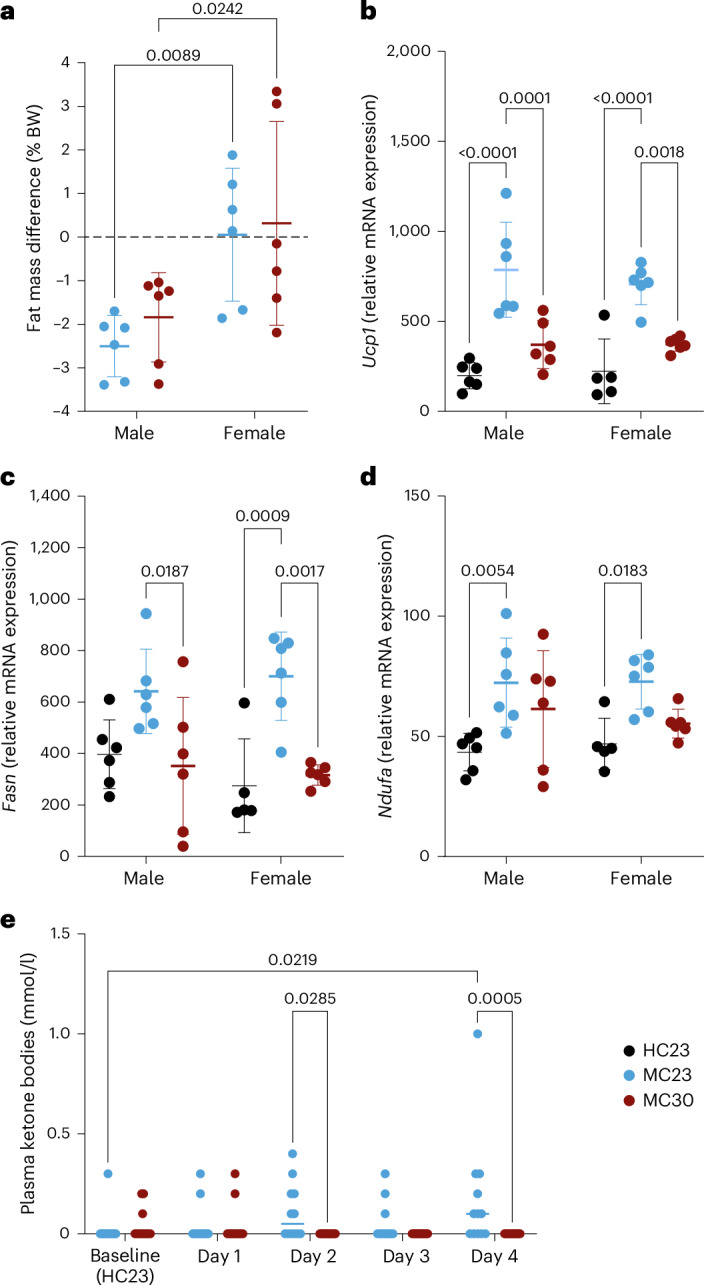 Figure 5
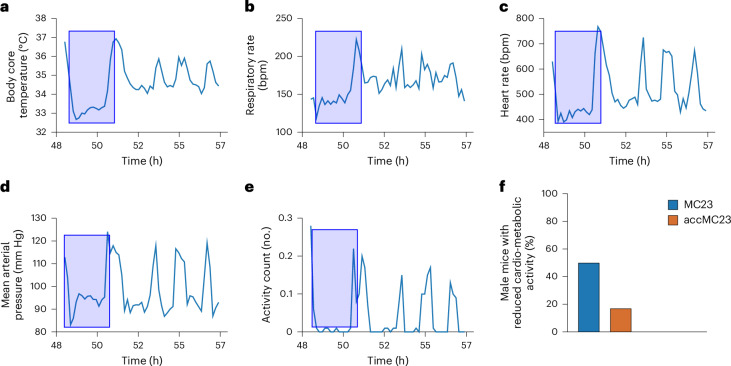 Figure 6
Peer Reviews
No public reviews on file for this paper yet. If you reviewed it on a platform where reviews are public (OpenReview, ICLR, NeurIPS, ICML), you can paste yours below so the community can read it here.
Videos
No videos yet. Explain this paper in a talk, walkthrough, or lecture? Add one.
Taxonomy
TopicsAdipose Tissue and Metabolism · Animal Behavior and Welfare Studies · Pharmacological Effects and Assays