Screening for novel factors involved in mouse early embryonic development using inhibitor libraries
Hirofumi Nishizono, Masaki Kato

TL;DR
Researchers developed a screening method using inhibitor libraries to identify new factors involved in early mouse embryonic development, discovering 16 essential factors.
Contribution
A novel screening system combining ultra-superovulation and cryopreservation to identify regulators of mouse embryonic development.
Findings
16 factors essential for mouse embryonic development were identified, including 5 previously known ones.
Inhibition of different ATPase types arrested embryonic development at distinct stages.
Novel regulators like cathepsin D and CXCR2 were confirmed to affect embryonic development through genome editing.
Abstract
Mammalian early embryonic development is regulated by numerous factors, yet not all have been identified. Although omics approaches such as next-generation sequencing and proteomics provide powerful tools, screening methods using inhibitor libraries remain highly effective for identifying novel factors involved in embryonic development. To this end, we developed a novel screening system that combines ultra-superovulation technology with one-cell stage embryos cryopreservation in mice. Using this system, we screened 95 inhibitors to identify factors essential for the development of mouse fertilized eggs and identified 16 factors, including 5 previously known ones. Among the known factors, two were ATPases, and our data confirmed that inhibition of different ATPase types arrested embryonic development at distinct stages. In addition, we discovered novel regulators affecting various…
Genes, proteins, chemicals, diseases, species, mutations and cell lines named across the full text — each resolved to its canonical identifier and authoritative record.
Click any figure to enlarge with its caption.
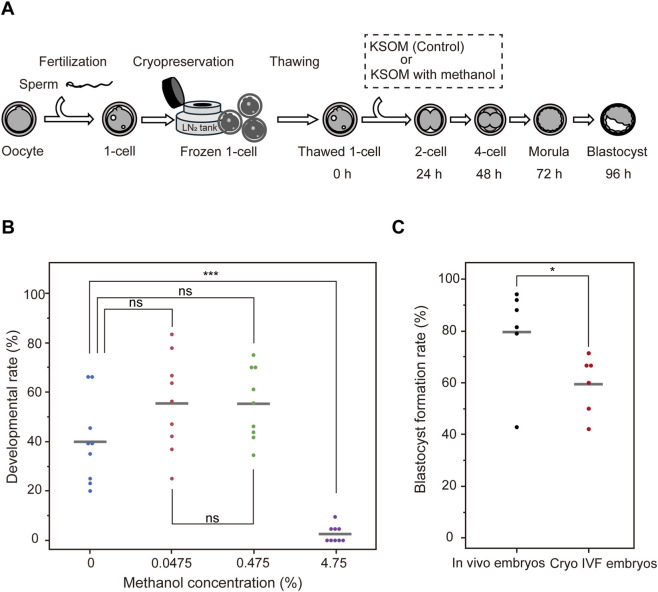 Figure 1
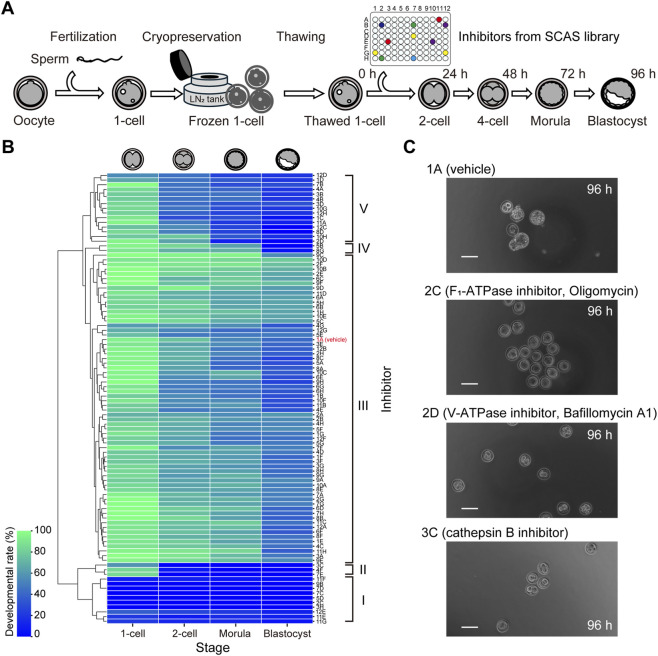 Figure 2
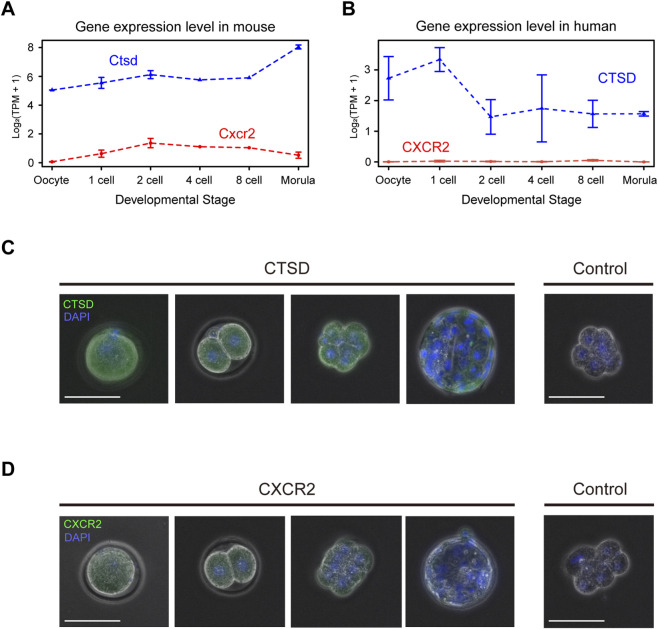 Figure 3
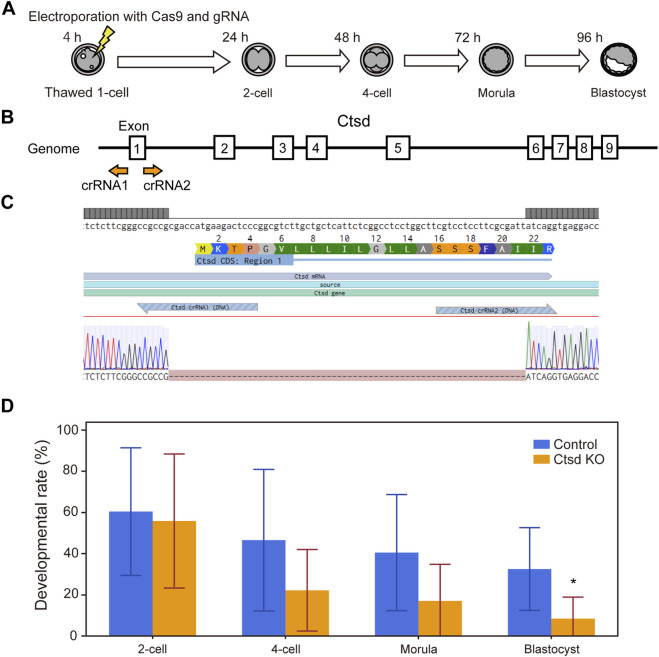 Figure 4
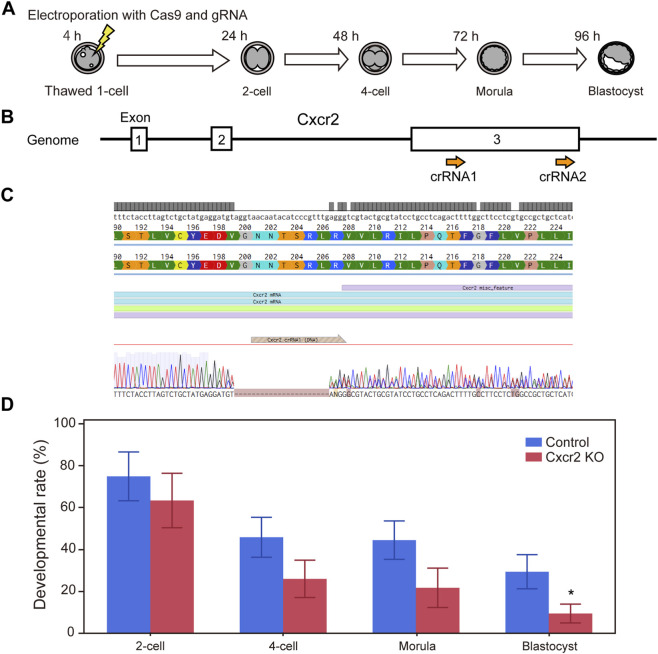 Figure 5
Peer Reviews
No public reviews on file for this paper yet. If you reviewed it on a platform where reviews are public (OpenReview, ICLR, NeurIPS, ICML), you can paste yours below so the community can read it here.
Videos
No videos yet. Explain this paper in a talk, walkthrough, or lecture? Add one.
Taxonomy
TopicsAnimal Genetics and Reproduction · CRISPR and Genetic Engineering · Pluripotent Stem Cells Research