Analysis of transcriptome and metabolome characteristics of blood in yaks at different reproductive stages
Yandong Kang, Jie Pei, Lin Xiong, Xiangying Kong, Fujun Liu, Yuqing Zhou, Shengbin Shang, Yulong Feng, Haiqin Li, Xiaolei Wu, Min Chu, Shoubao Zhao, Xian Guo

TL;DR
This study examines blood transcriptome and metabolome changes in yaks during different reproductive stages to understand and improve their reproductive efficiency.
Contribution
The study identifies key genes and pathways involved in yak reproduction, linking gene expression to steroid hormone metabolism and energy regulation.
Findings
Genes like PDK4, ALAS2, and GLP1R are associated with ovarian function and hormone homeostasis in yaks.
SLC25A39 influences glucocorticoid homeostasis during anestrus, while MARCHF2 and DHEA are linked to estrus and pregnancy hormone regulation.
WGCNA analysis reveals interactions between steroid hormone metabolism and gene expression during reproductive stages.
Abstract
The reproductive physiology of yaks differs significantly from that of other cattle breeds due to late sexual maturity, low fecundity and short estrus time. How to improve the reproductive efficiency of yaks has become the main research content and goal of yak reproduction technology. In this study, we collected blood samples from adult female yaks (4–8 years old) during different reproductive periods, including the period of anestrus (Y-A), estrus (Y-E) and pregnancy (Y-P), and investigated the changes of RNA expression and steroid hormone levels in yaks during different reproductive periods by using RNA-seq and target metabolomics, and screened for the genes and regulatory pathways. DEGs such as PDK4, ALAS2, GLP1R, SLC25A39, PGAP6, FOS, CD36, MMP9 and BCL-6 were identified to play key roles in ovarian function, follicular development, hormone homeostasis and energy metabolism.…
Genes, proteins, chemicals, diseases, species, mutations and cell lines named across the full text — each resolved to its canonical identifier and authoritative record.
Click any figure to enlarge with its caption.
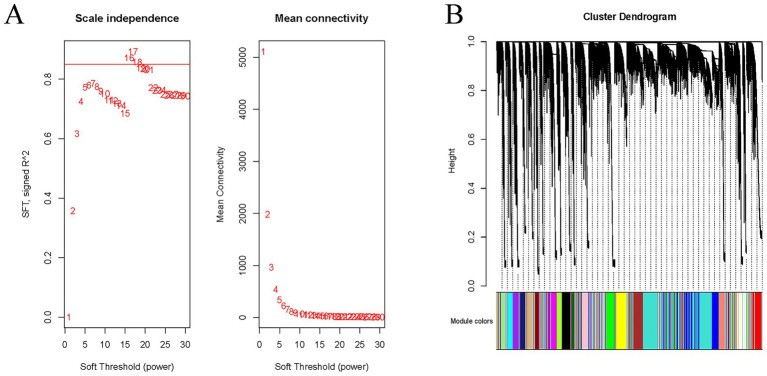 Figure 1
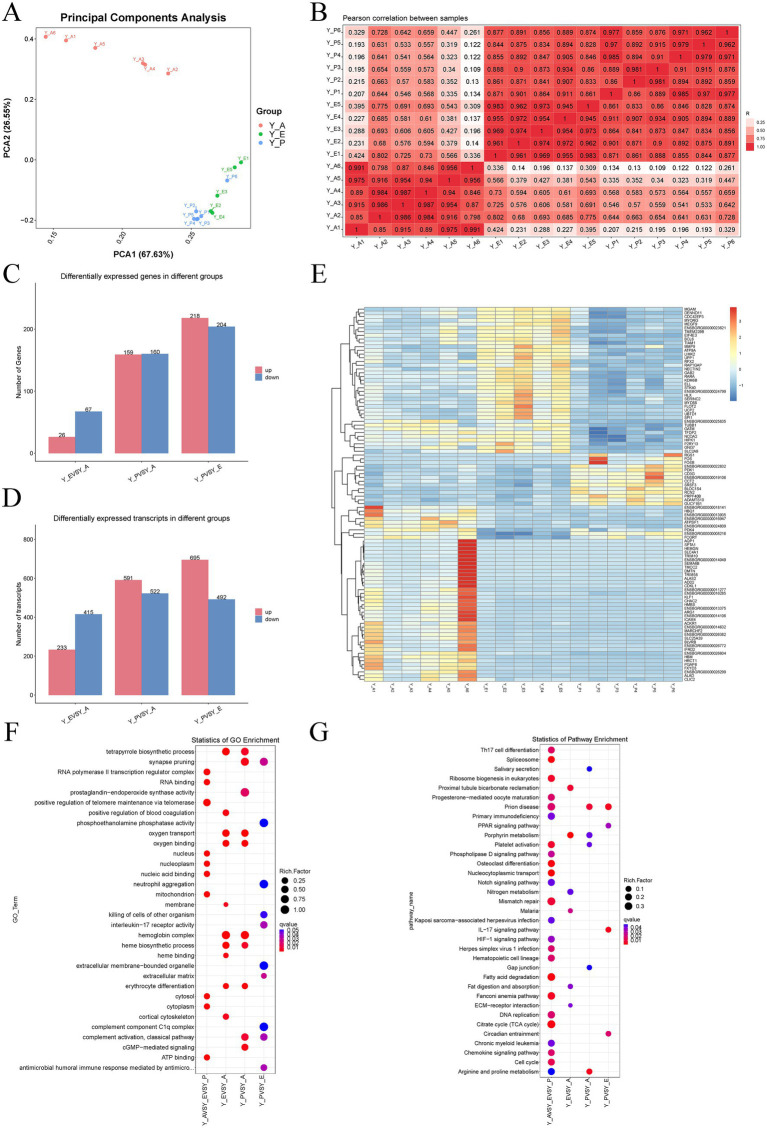 Figure 2
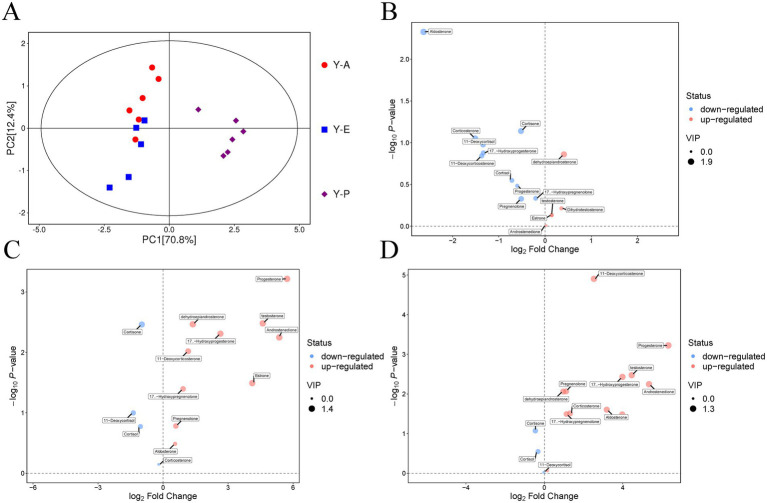 Figure 3
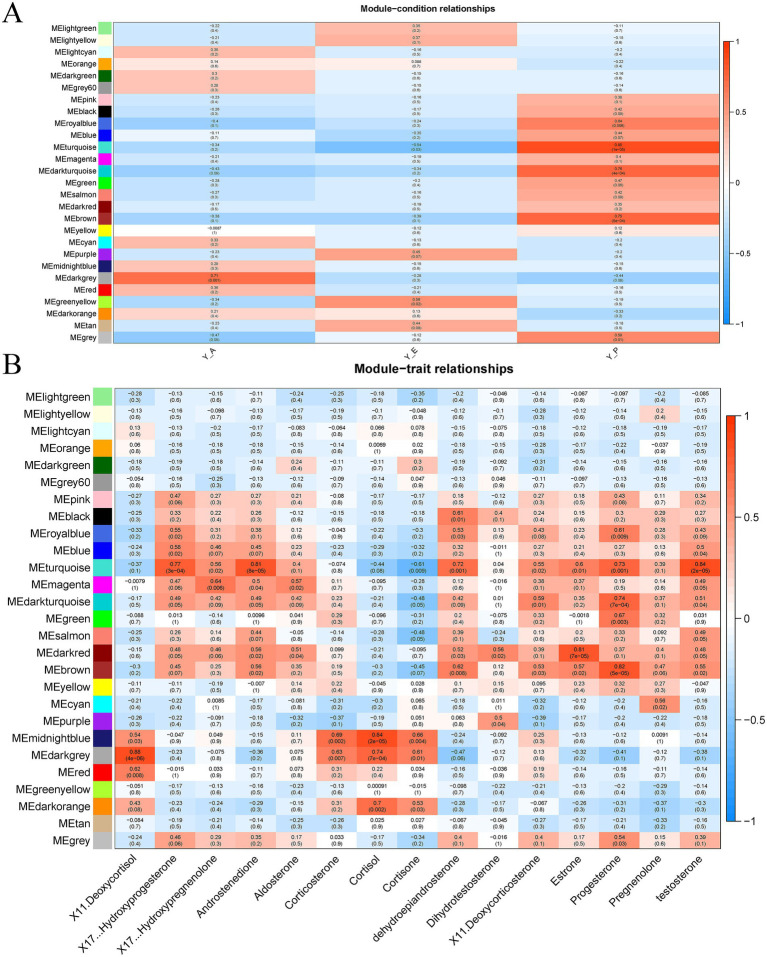 Figure 4
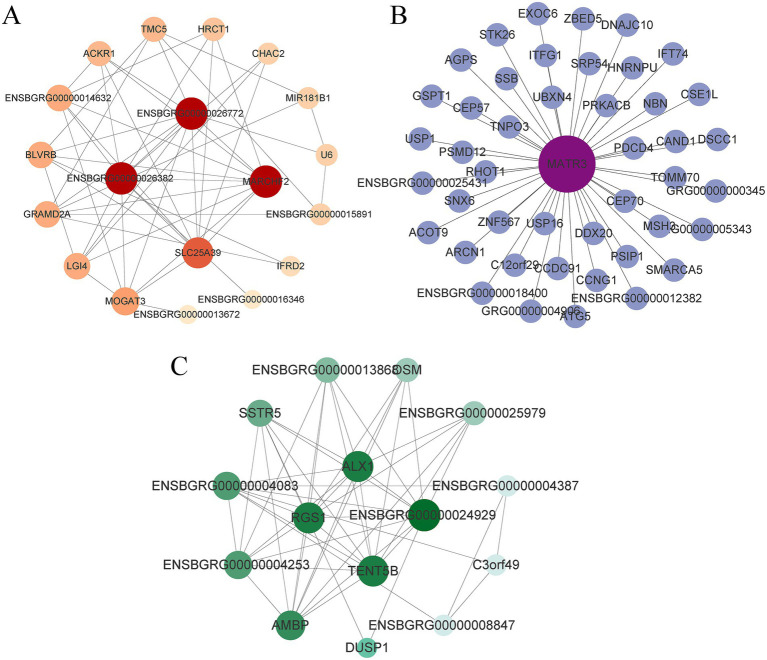 Figure 5
Peer Reviews
No public reviews on file for this paper yet. If you reviewed it on a platform where reviews are public (OpenReview, ICLR, NeurIPS, ICML), you can paste yours below so the community can read it here.
Videos
No videos yet. Explain this paper in a talk, walkthrough, or lecture? Add one.
Taxonomy
TopicsReproductive Physiology in Livestock · Effects of Environmental Stressors on Livestock · Genetic and phenotypic traits in livestock