Effect of graphene oxide dosage on the thermal and rheological behavior of asphalt for tropical road conditions
Erick Mendoza, Talia Tene, Jorge Albuja-Sánchez, Guisella Cuenca, John Ramón, David Anzules, Cristian Vacacela Gomez, Yolenny Cruz Salazar, Lorenzo S. Caputi, Salvatore Straface

TL;DR
This study examines how adding small amounts of graphene oxide to asphalt improves its performance in hot climates, with a focus on viscosity and aging behavior.
Contribution
The paper introduces the effect of sub-percent graphene oxide dosages on the thermal and rheological properties of asphalt under tropical conditions.
Findings
Adding 0.2–0.6 wt% graphene oxide increased asphalt viscosity and hardness, with the most significant changes at 0.4 wt%.
GO-modified asphalt showed higher resistance to short-term aging, maintaining stiffness without compromising oxidative hardening.
Sub-percent GO improves high-temperature performance but may lead to increased stiffening with aging.
Abstract
This study investigates graphene oxide (GO) as a low-percent modifier for AC-30 asphalt used in tropical conditions. GO was added at 0.2, 0.4, and 0.6 wt% and tested through standard binder tests and RTFO short-term aging. Unaged binders with GO showed increased viscosity and hardness—viscosity rose by up to approximately 26%, penetration decreased by about 8%–13%, and the softening point rose slightly—indicating a stiffer initial matrix. During mixing at 135 °C–165 °C, both rotational and kinematic viscosities increased, with the highest gains near 0.4 wt%, suggesting a non-linear response to dosage. Under RTFO aging, GO-modified binders exhibited a higher viscosity aging index than the unmodified AC-30, indicating that GO enhances initial stiffness and does not compromise short-term oxidative hardening. Flash and fire points did not show systematic reductions at these dosages.…
Genes, proteins, chemicals, diseases, species, mutations and cell lines named across the full text — each resolved to its canonical identifier and authoritative record.
Click any figure to enlarge with its caption.
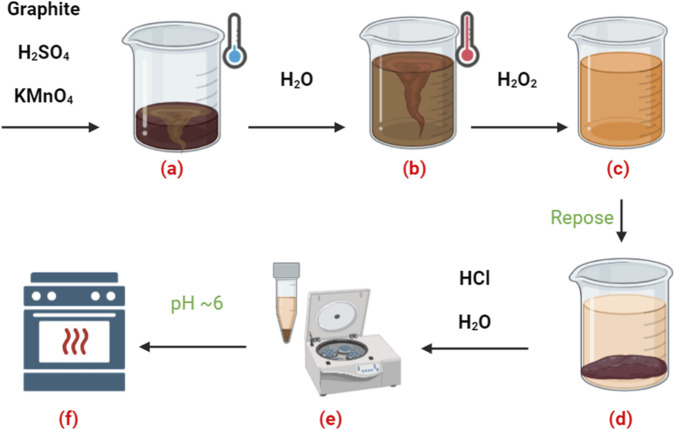 Figure 1
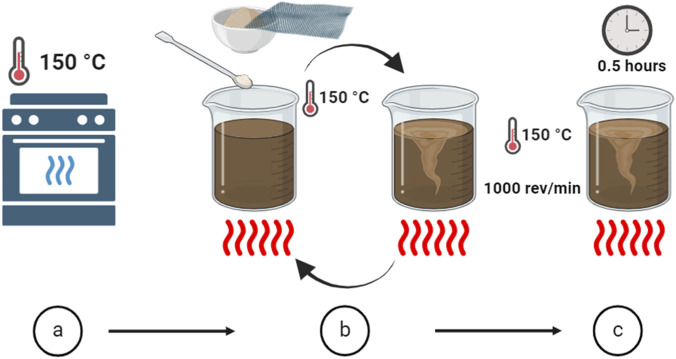 Figure 2
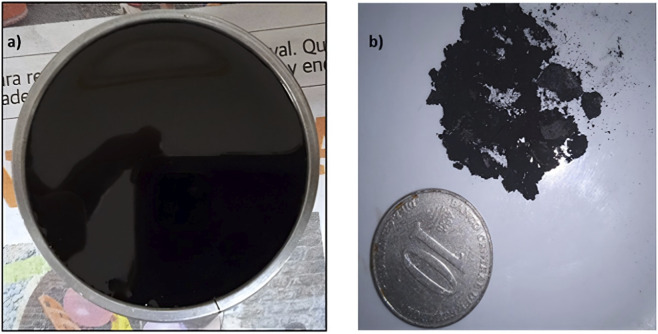 Figure 3
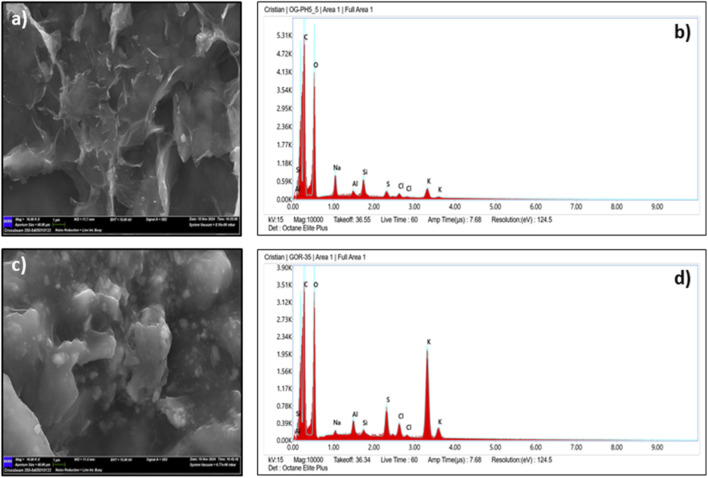 Figure 4
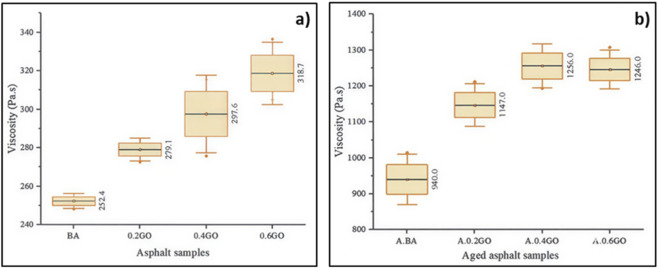 Figure 5
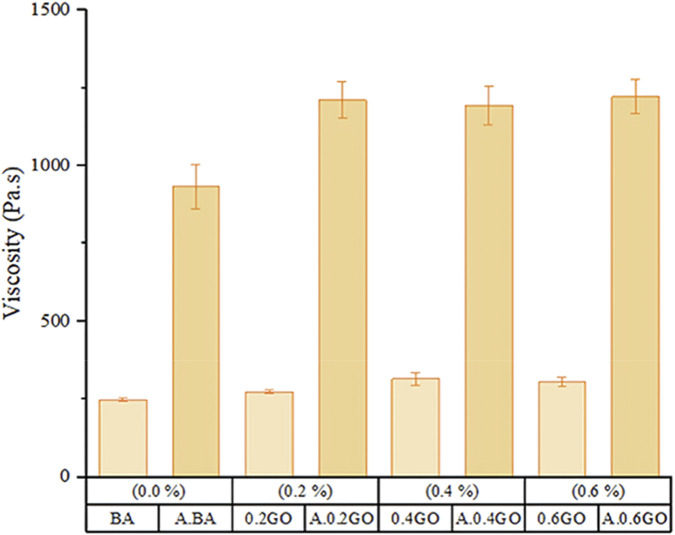 Figure 6
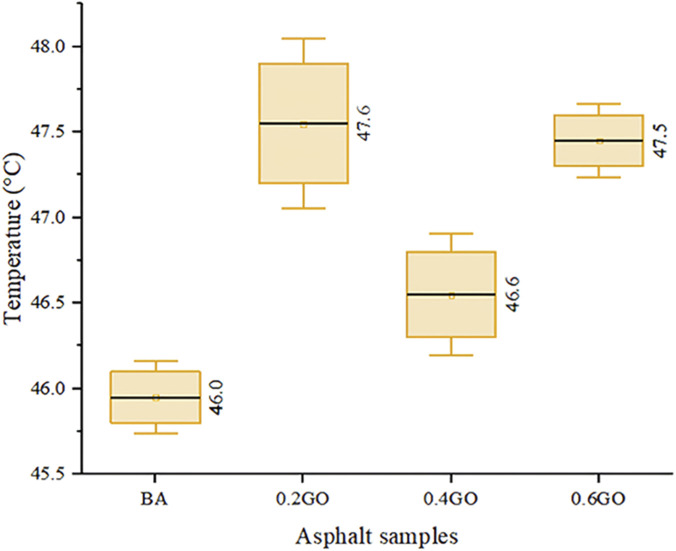 Figure 7
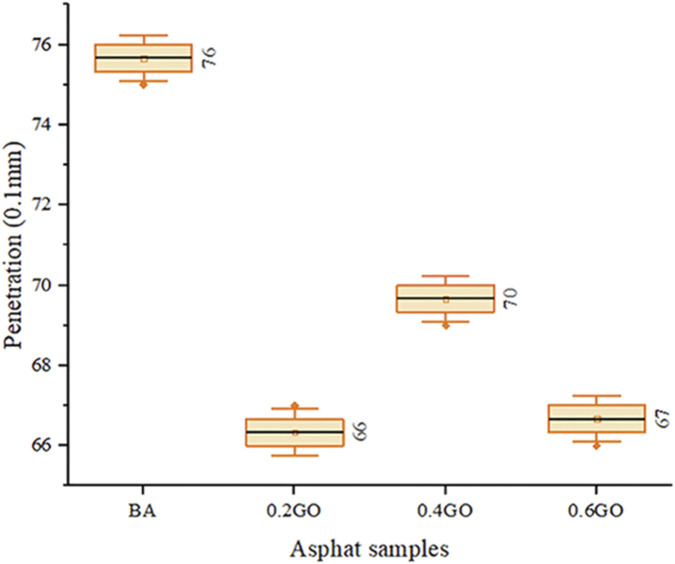 Figure 8
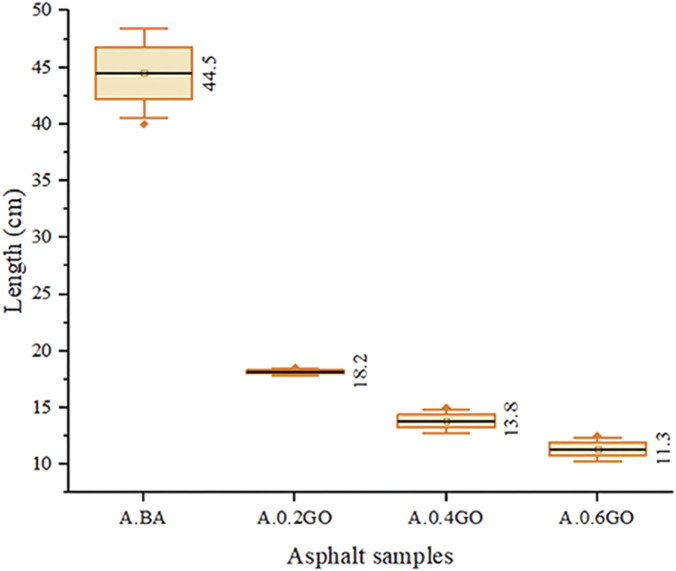 Figure 9
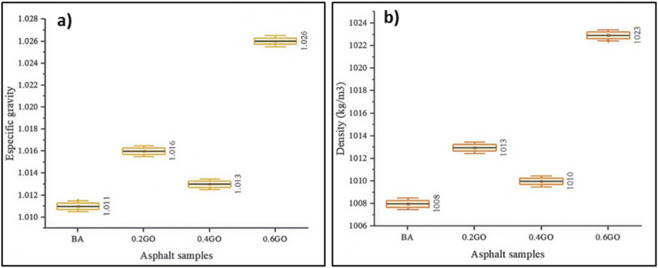 Figure 10
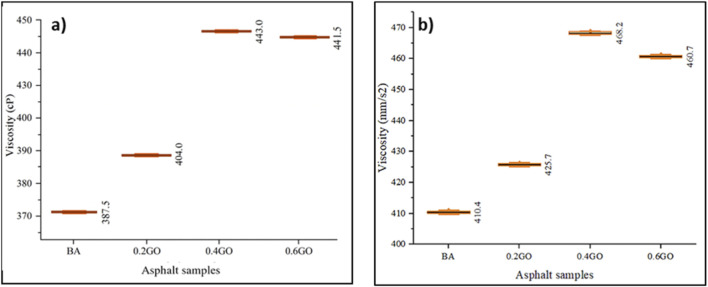 Figure 11
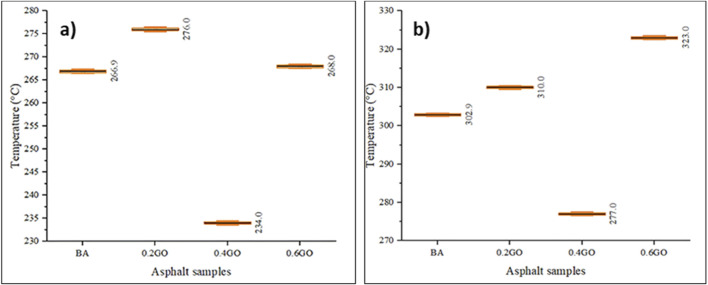 Figure 12
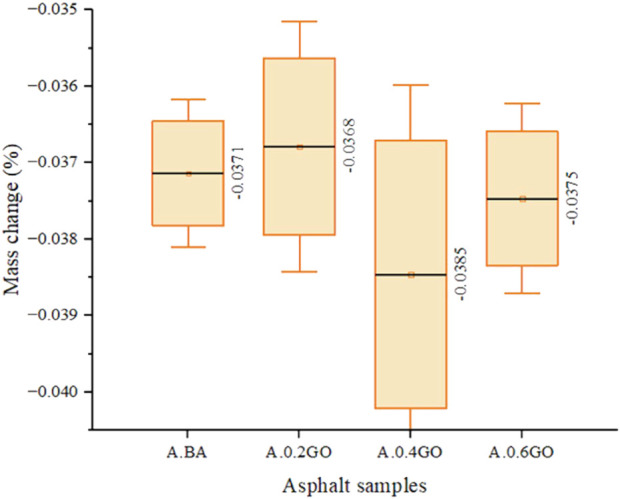 Figure 13
Peer Reviews
No public reviews on file for this paper yet. If you reviewed it on a platform where reviews are public (OpenReview, ICLR, NeurIPS, ICML), you can paste yours below so the community can read it here.
Videos
No videos yet. Explain this paper in a talk, walkthrough, or lecture? Add one.
Taxonomy
TopicsPolymer Nanocomposites and Properties · Asphalt Pavement Performance Evaluation · Natural Fiber Reinforced Composites