Alkaloid-driven multi-target synergy of Tripterygium wilfordii polyglycosides overcomes cisplatin resistance in ovarian cancer by coordinated inhibition of PTPN11/EGFR/JAK signaling
Bing Lin, Minxin Zhang, Ying Wang

TL;DR
This study shows that Tripterygium wilfordii polyglycosides can overcome cisplatin resistance in ovarian cancer by targeting multiple signaling pathways.
Contribution
The study identifies alkaloid-driven multi-target synergy in TWP as a novel mechanism to combat cisplatin resistance in ovarian cancer.
Findings
TWP reduces viability and induces apoptosis in cisplatin-resistant ovarian cancer cells.
Alkaloids in TWP target PTPN11, EGFR, and JAK to inhibit PI3K-AKT, JAK-STAT, and ERK-MAPK pathways.
Molecular docking and simulations confirm stable alkaloid-target interactions with strong binding affinities.
Abstract
Tripterygium wilfordii polyglycoside (TWP) is a standardized extract from T. wilfordii Hook. f. and an oral prescription drug approved by the China Food and Drug Administration (now NMPA) for clinical use in inflammatory and autoimmune diseases. Leveraging its existing clinical approval, elucidating its anti-tumor mechanisms has high translational value for expanding its indications into oncology. This study aimed to clarify whether TWP can overcome cisplatin resistance in ovarian cancer and to explore a mechanism potentially centered on its alkaloid constituents through an integrated “prediction–validation” strategy. UPLC-QTOF-MS was used for chemical profiling. Network pharmacology predicted putative targets, validated by GEO transcriptomic datasets. Key alkaloid–target interactions were examined by molecular docking and 100-ns MD simulations. In vitro assays (CCK-8, Annexin…
Genes, proteins, chemicals, diseases, species, mutations and cell lines named across the full text — each resolved to its canonical identifier and authoritative record.
Click any figure to enlarge with its caption.
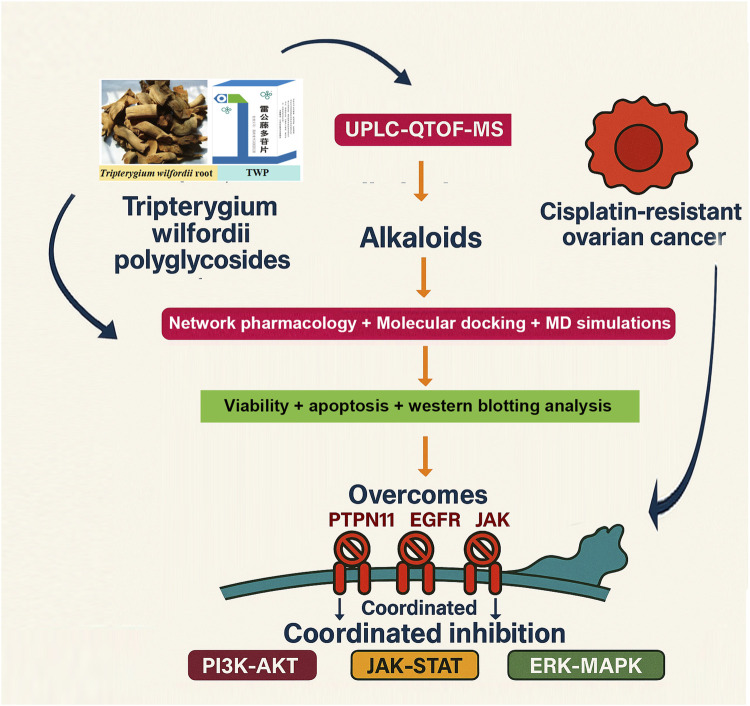 Figure 1
 Figure 2
 Figure 3
 Figure 4
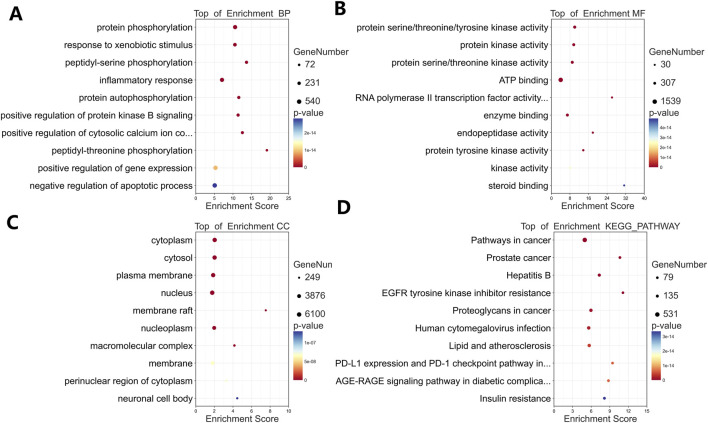 Figure 5
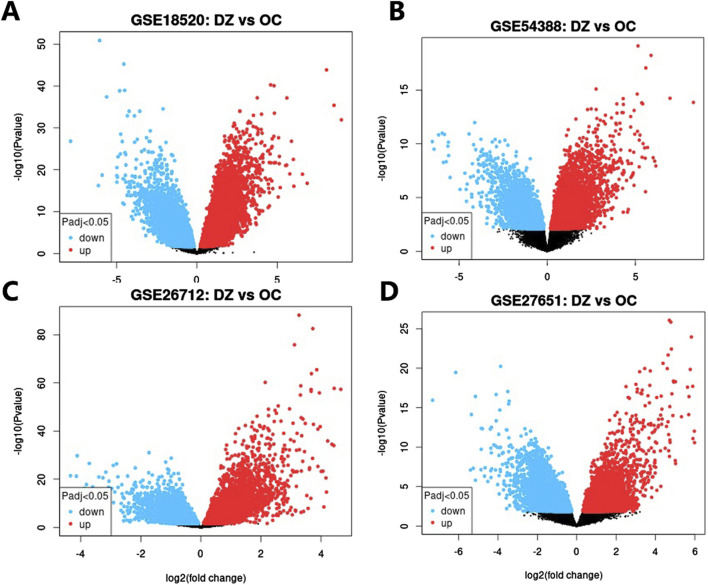 Figure 6
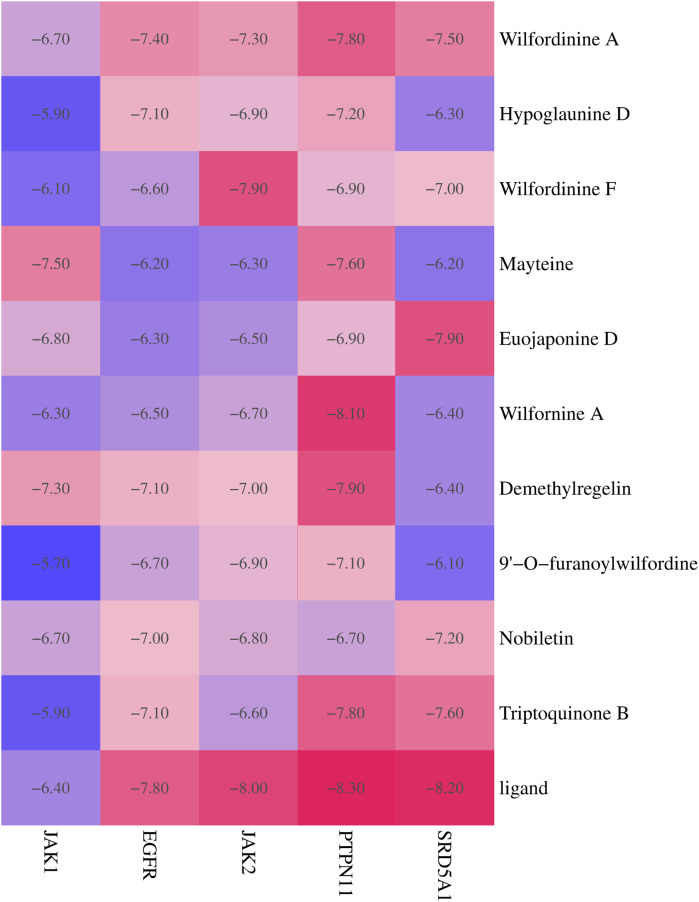 Figure 7
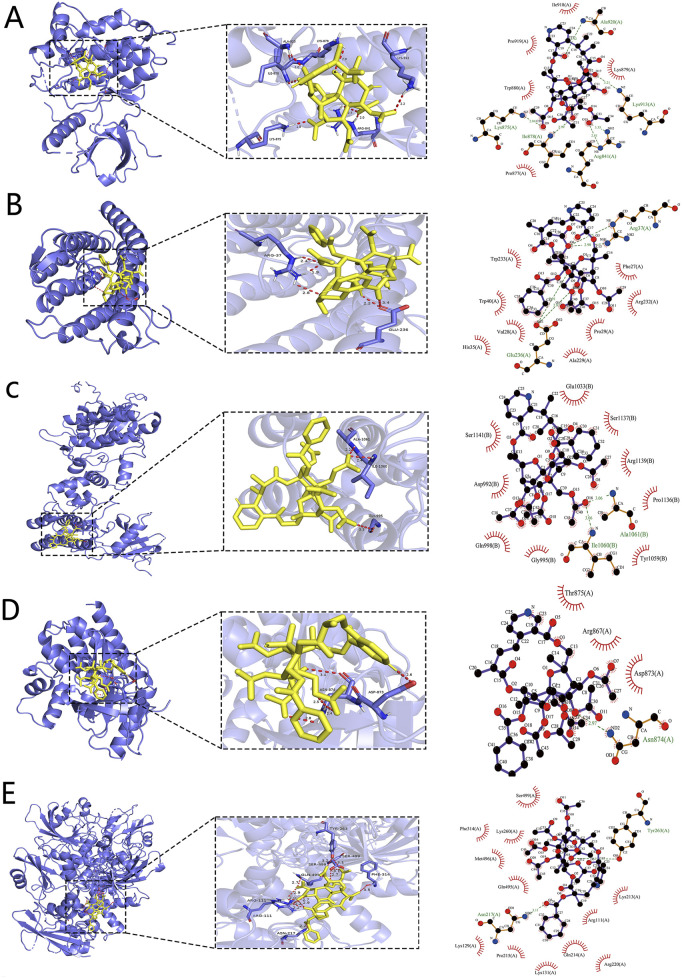 Figure 8
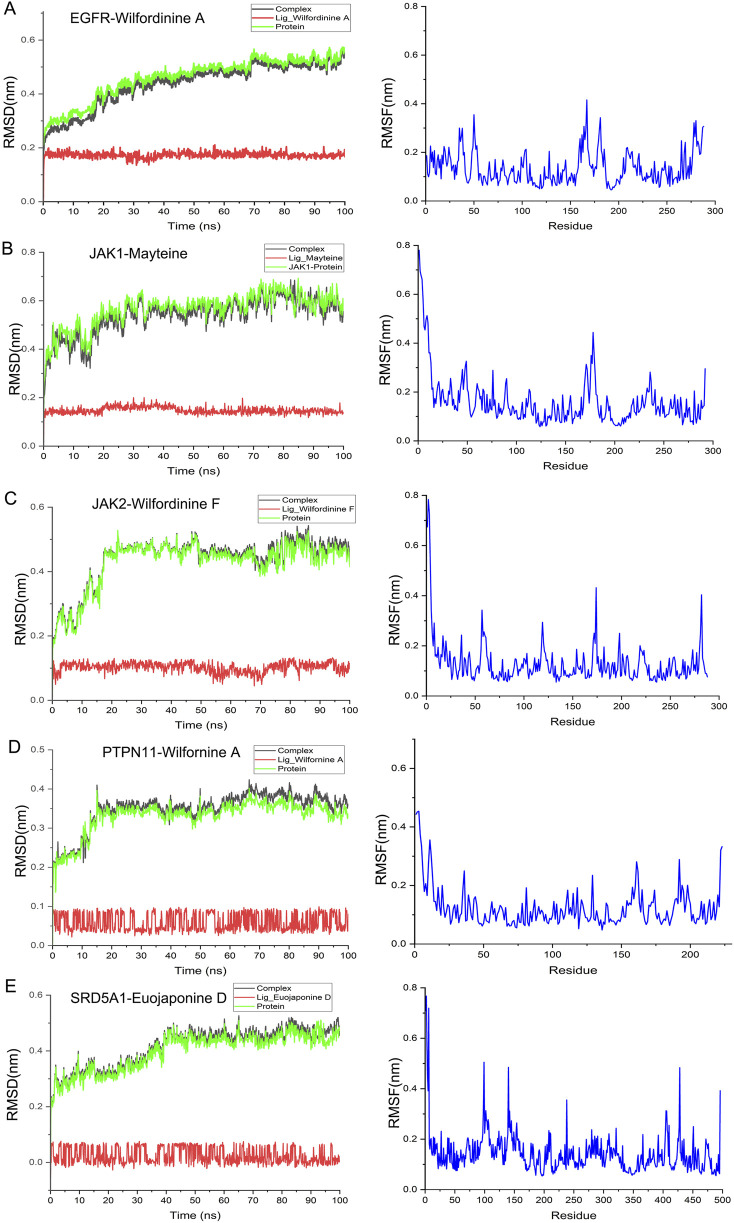 Figure 9
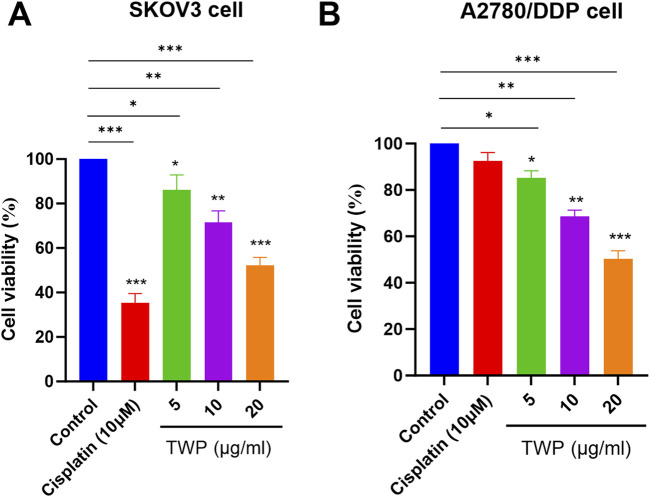 Figure 10
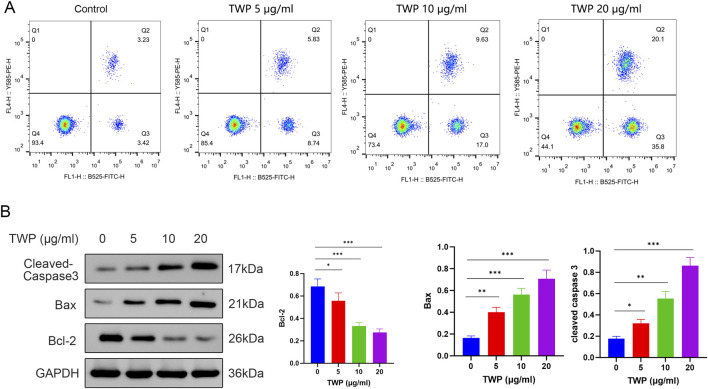 Figure 11
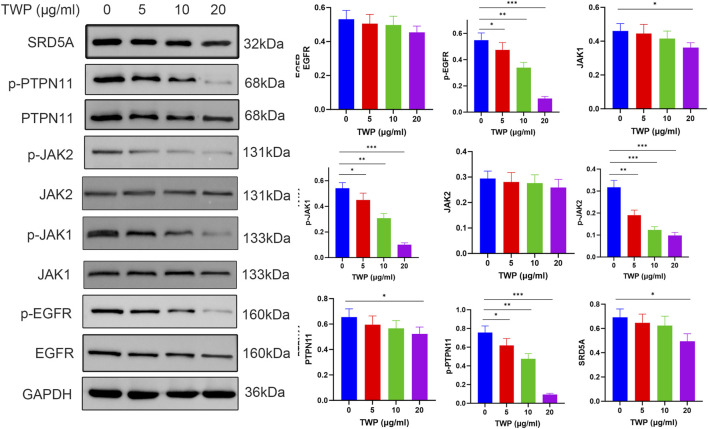 Figure 12
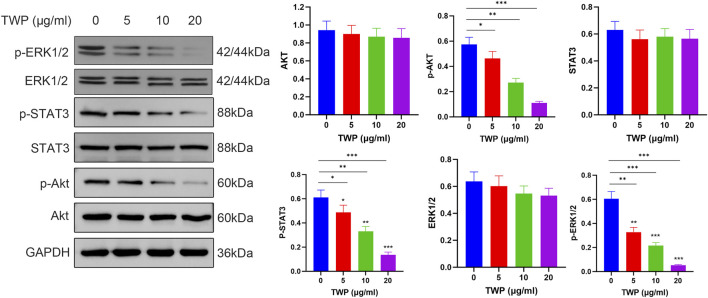 Figure 13
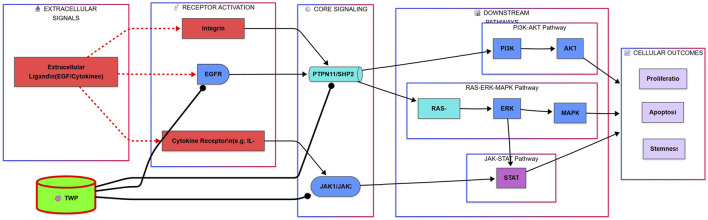 Figure 14
Peer Reviews
No public reviews on file for this paper yet. If you reviewed it on a platform where reviews are public (OpenReview, ICLR, NeurIPS, ICML), you can paste yours below so the community can read it here.
Videos
No videos yet. Explain this paper in a talk, walkthrough, or lecture? Add one.
Taxonomy
TopicsNatural Compounds in Disease Treatment · Phytochemical compounds biological activities · Natural product bioactivities and synthesis