RNA and protein immunization with Trypanosoma cruzi trans-sialidase containing SAPA repeats protects mice against infection and promotes a balanced inflammatory response
Nailma Silva Aprigio dos Santos, Carlos Roberto de Almeida-Júnior, Mayra Fernanda Ricci, Rodrigo C. O. Sanches, Renata Salgado Fernandes, Gabriela de A. Burle-Caldas, Júlia Teixeira de Castro, João Luís Reis-Cunha, Daniella C. Bartholomeu, Ana Clara Martins Meira

TL;DR
Immunizing mice with a specific part of a Trypanosoma cruzi protein reduces inflammation and may help control Chagas disease.
Contribution
The SAPA repeat domain of trans-sialidase promotes anti-inflammatory responses when used in vaccines.
Findings
The SAPA domain is immunodominant and does not significantly affect protection against infection.
TS vaccines with SAPA increase IL-10 production, reducing heart inflammation in infected mice.
RNA and protein vaccines with SAPA induce a more balanced immune response.
Abstract
Proteins with repeat domains are commonly found in protozoan parasites. Trypanosoma cruzi, which causes Chagas disease (CD), possesses a group of surface proteins called trans-sialidases (TS). These proteins are responsible for transferring sialic acid from the host’s glycoconjugates to the parasite’s mucins. The TS proteins feature a C-terminal immunogenic domain that includes amino acid repeats known as SAPA (Shed Acute Phase Antigen). Shed in the blood of the infected host, TS mediates several biological effects and because of its essential role during infection, it has been tested recurrently as a vaccine candidate against CD. Here, we investigate the effect of immunizing mice with recombinant TS proteins with and without (w/o) SAPA repeats, as well as with a protein containing only the repeat domain. We also immunize mice with RNA formulations encoding TS sequences with and without…
Genes, proteins, chemicals, diseases, species, mutations and cell lines named across the full text — each resolved to its canonical identifier and authoritative record.
Click any figure to enlarge with its caption.
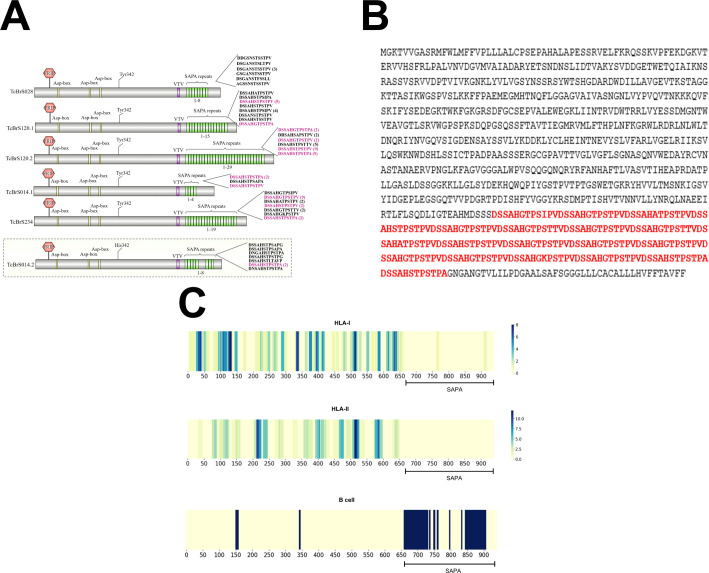 Figure 1
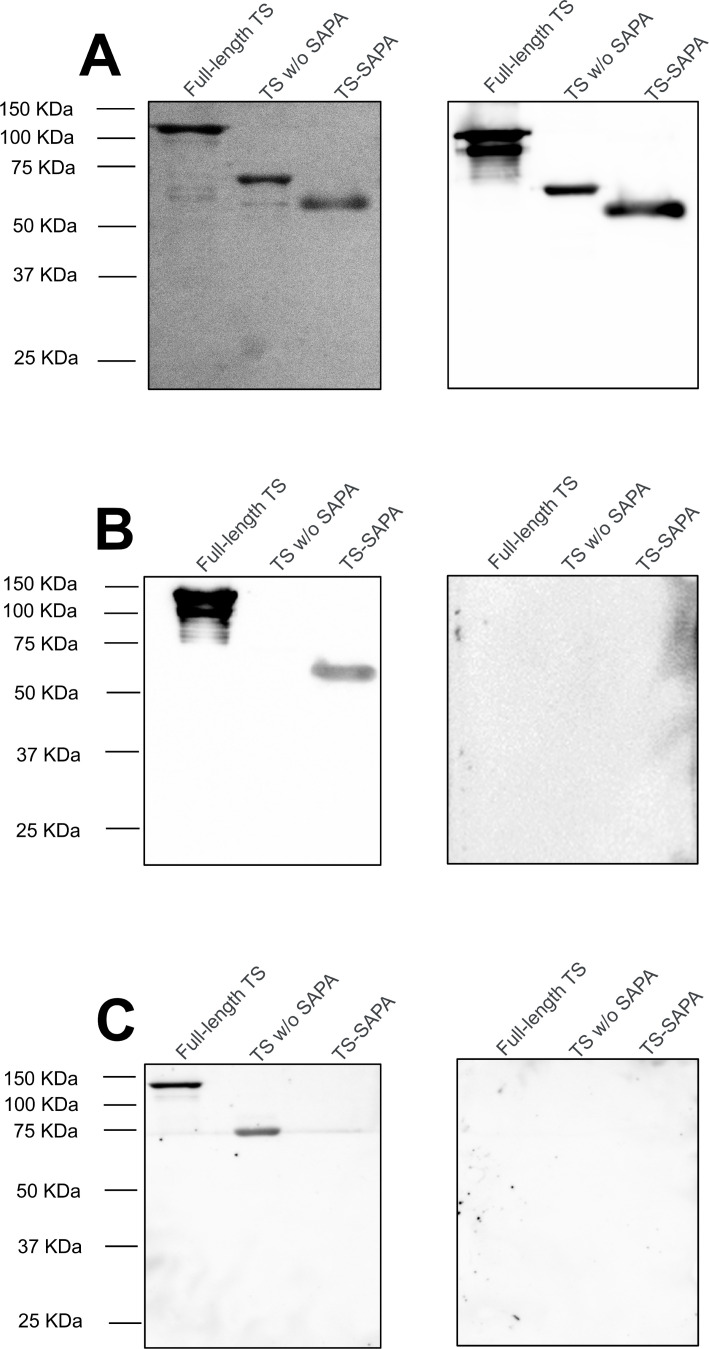 Figure 2
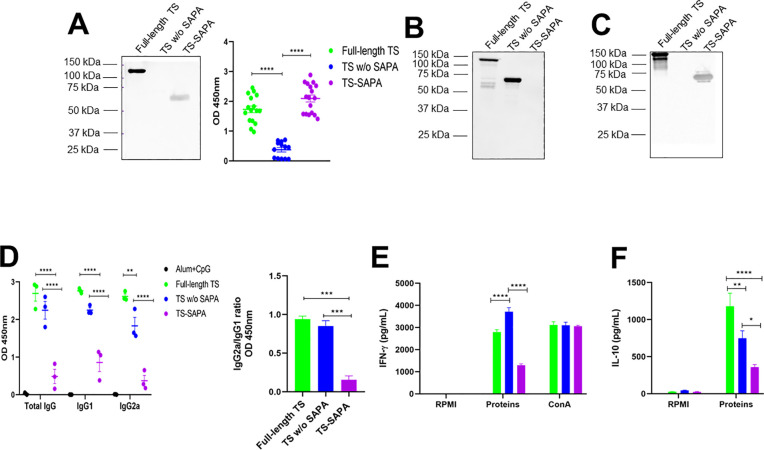 Figure 3
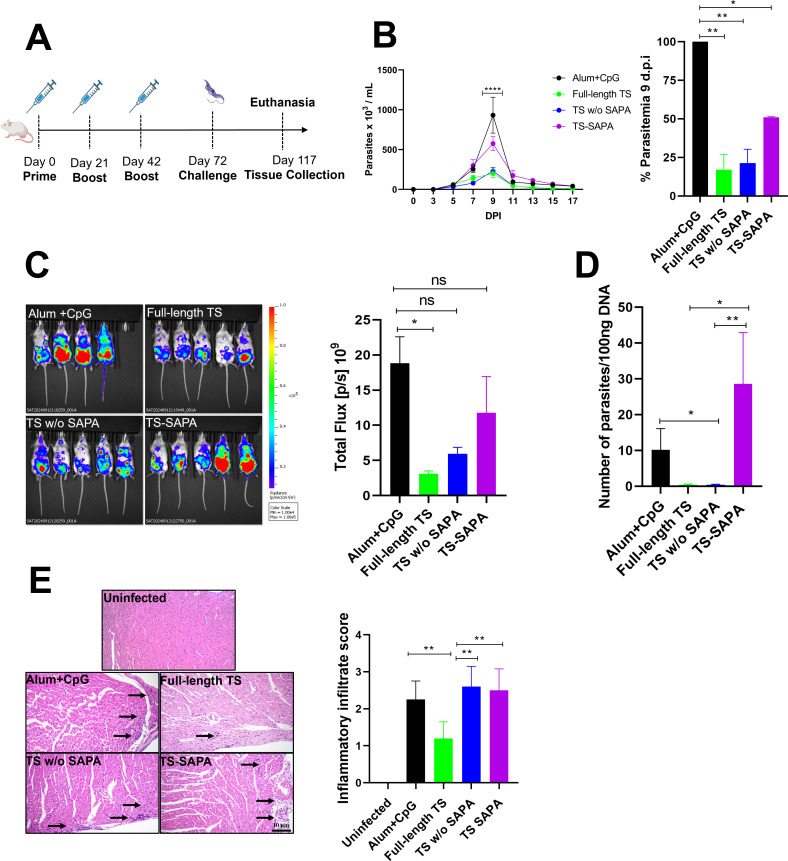 Figure 4
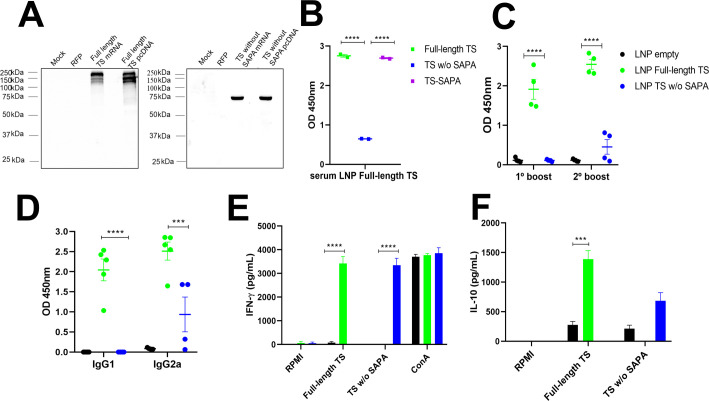 Figure 5
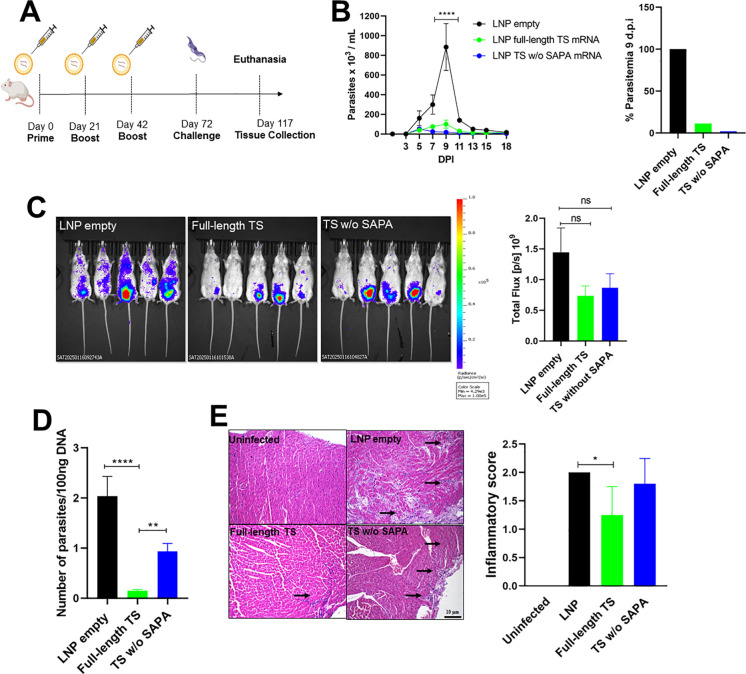 Figure 6
Peer Reviews
No public reviews on file for this paper yet. If you reviewed it on a platform where reviews are public (OpenReview, ICLR, NeurIPS, ICML), you can paste yours below so the community can read it here.
Videos
No videos yet. Explain this paper in a talk, walkthrough, or lecture? Add one.
Taxonomy
TopicsTrypanosoma species research and implications · Research on Leishmaniasis Studies · Biochemical and Molecular Research