Incorporating Machine Learning Techniques to Enhance Rodent Surveillance in Marginalized Urban Communities
Fabio Neves Souza, Adedayo Michael Awoniyi, Rodrigo Dalvit Carvalho da Silva, Nivison Nery, Maria Victoria Moraes Oliveira, Caio Graco Zeppelini, George Andre Pereira Thé, Kathryn Hacker, Max T. Eyre, Hernan Dario Argibay, Albert Ko, Federico Costa, Hussein Khalil

TL;DR
The paper introduces a machine learning approach to improve rodent surveillance in urban areas by automating track plate analysis, making it faster and more cost-effective.
Contribution
A novel machine learning framework is proposed to automate rodent track plate interpretation, offering a cost-effective alternative to manual methods.
Findings
Machine learning methods like PCA and LM achieved results comparable to manual analysis of track plates.
The proposed approach reduces time and cost for rodent surveillance in resource-limited settings.
Dimensionality reduction techniques helped identify key patterns on track plates efficiently.
Abstract
Effective management of rodent pests necessitates efficient population surveillance. Many of the available methods currently used for estimating rodent populations are either costly or time‐intensive. Rodent trapping demands significant resources, while tracking plates (TP) require high technical expertise and weeks to months of dedicated effort to satisfactorily interpret the plates. Here, we propose integrating Machine Learning techniques to evaluate plates with signs of rodent marks and compare their accuracy with that of conventional human‐interpreted plates. We employed the Otsu method to transform plates from RGB color images to grayscale images, highlighting regions of interest. Subsequently, we applied a global threshold to create binary images, assigning values above a globally determined threshold as 1s and others as 0s. The original images were transformed into new versions…
Genes, proteins, chemicals, diseases, species, mutations and cell lines named across the full text — each resolved to its canonical identifier and authoritative record.
Click any figure to enlarge with its caption.
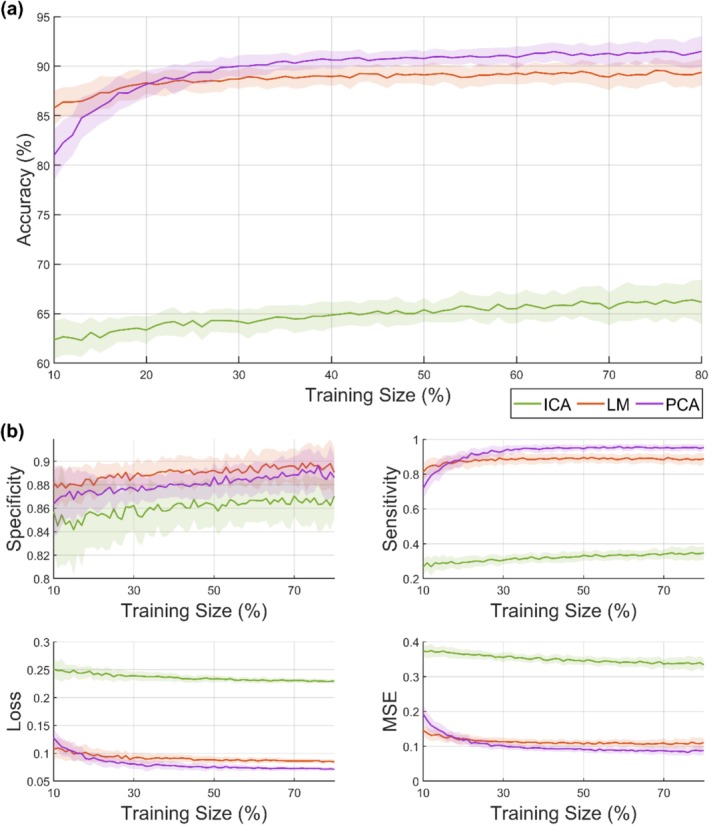 Figure 1
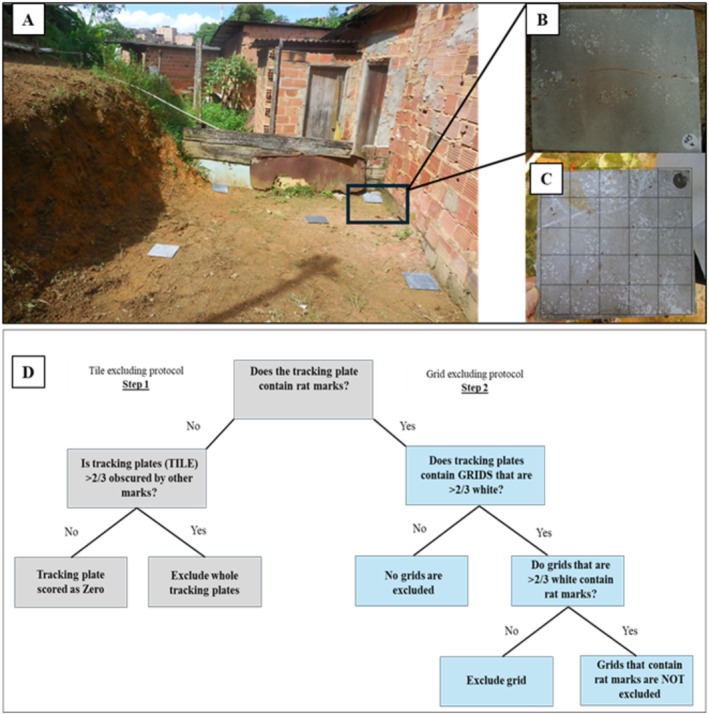 Figure 2
 Figure 3
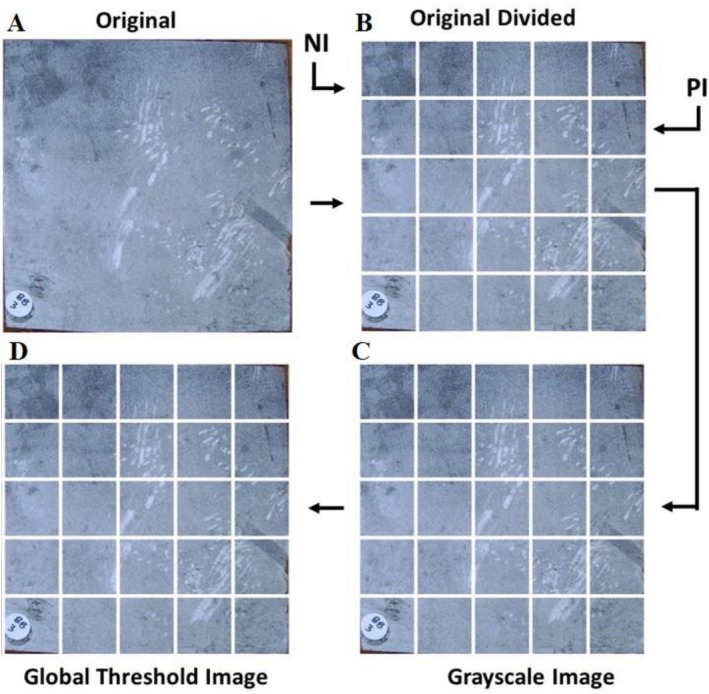 Figure 4
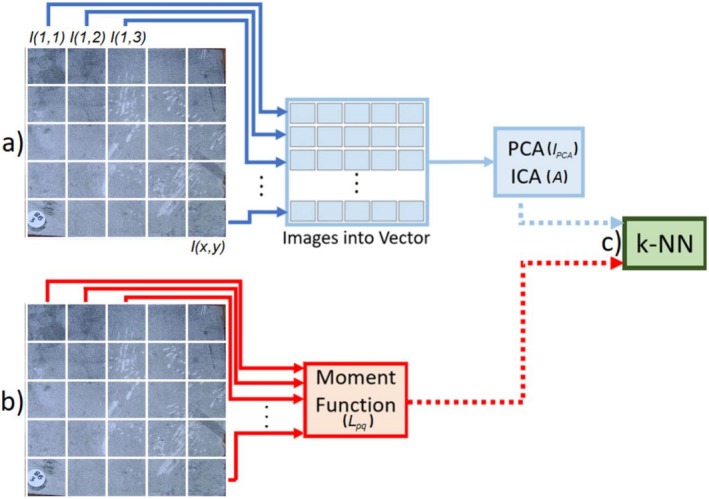 Figure 5
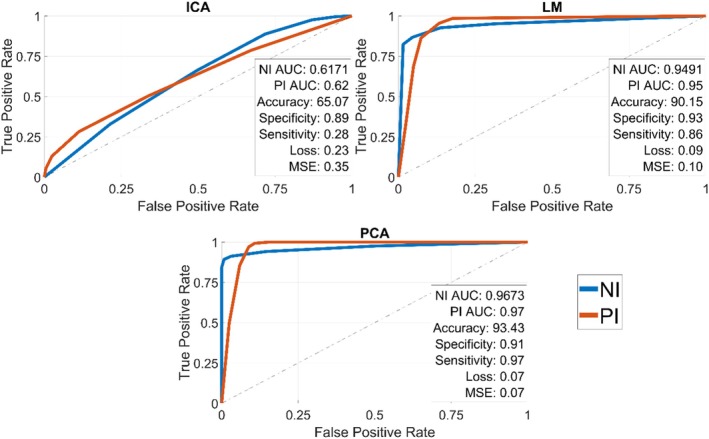 Figure 6
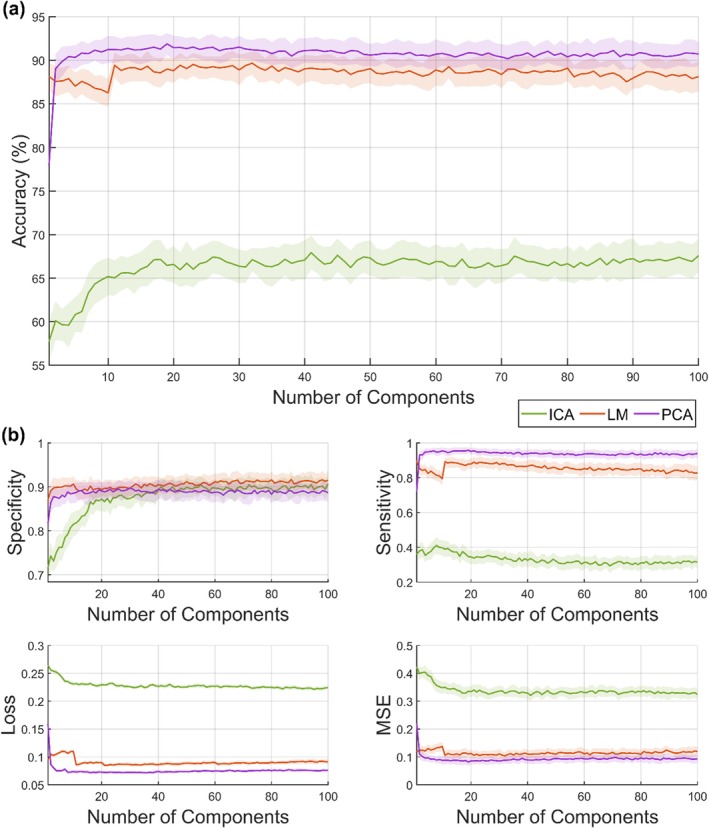 Figure 7
Peer Reviews
No public reviews on file for this paper yet. If you reviewed it on a platform where reviews are public (OpenReview, ICLR, NeurIPS, ICML), you can paste yours below so the community can read it here.
Videos
No videos yet. Explain this paper in a talk, walkthrough, or lecture? Add one.
Taxonomy
TopicsAnimal Ecology and Behavior Studies · Wildlife Ecology and Conservation · Wildlife-Road Interactions and Conservation