Functional Traits Shape Seed–Rodent Interactions in a Subtropical Forest: Insights From Individual‐Based Tracking With Double‐Duplex PIT Tagging
Haifeng Gu, Xifu Yang, Rodolfo Dirzo, Zhibin Zhang

TL;DR
This study shows how seed and rodent size traits influence interactions in a subtropical forest, using a new tracking method to reveal how different species behave based on size.
Contribution
The study introduces a novel double-duplex PIT tagging technique to track individual-level seed-rodent interactions with high precision.
Findings
Larger rodents prefer large seeds, while smaller rodents favor small seeds.
Size-related behaviors influence mutualistic and predatory interactions in seed-rodent systems.
Interspecific pilfering rates vary between rodent species and seed types.
Abstract
Functional traits of plants and animals play a pivotal role in shaping mutualistic or predatory interactions within plant–animal systems, directly regulating the structure and function of forest ecosystems. Yet, the outcomes of multispecies interactions—particularly in seed–rodent systems—remain inadequately resolved, largely because traditional methods fail to track individual‐level interactions and seed fates with sufficient precision. To address this gap, we applied a novel double‐duplex passive integrated transponder (PIT) tagging technique to investigate the fates of seeds from four sympatric tree species (with distinct seed traits) when exploited by two sympatric rodent species (with contrasting body sizes) in a subtropical forest of Southwest China from 2018 to 2019. Our results revealed that rodent body size and seed size are key determinants of seed fates. The larger rat…
Genes, proteins, chemicals, diseases, species, mutations and cell lines named across the full text — each resolved to its canonical identifier and authoritative record.
Click any figure to enlarge with its caption.
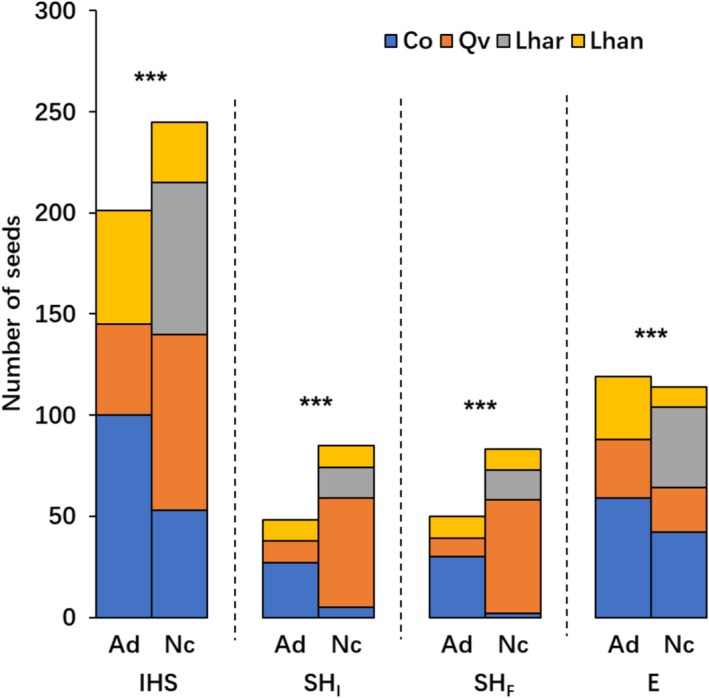 Figure 1
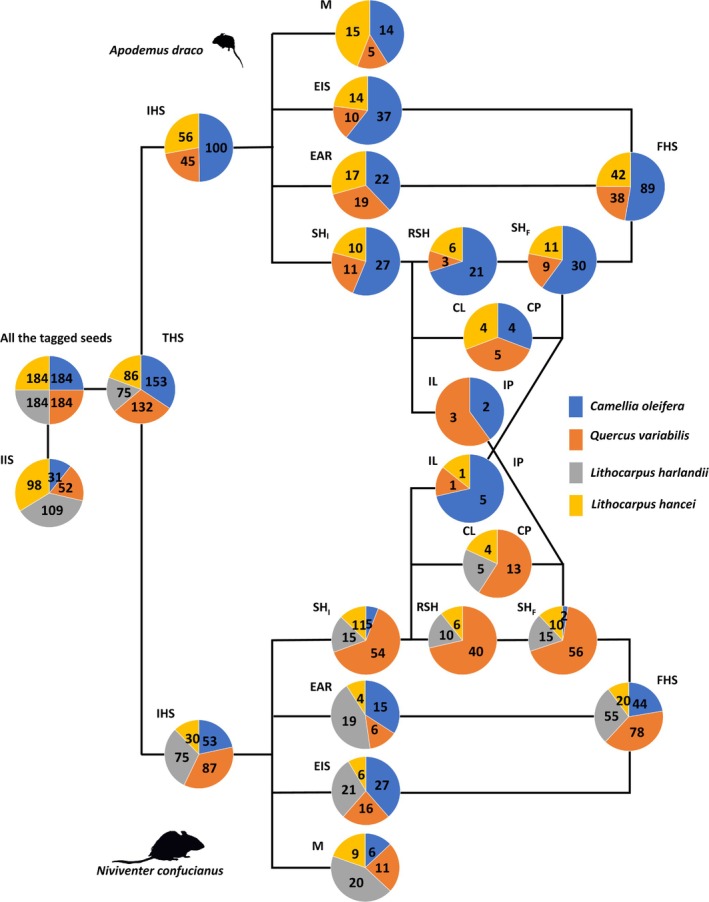 Figure 2
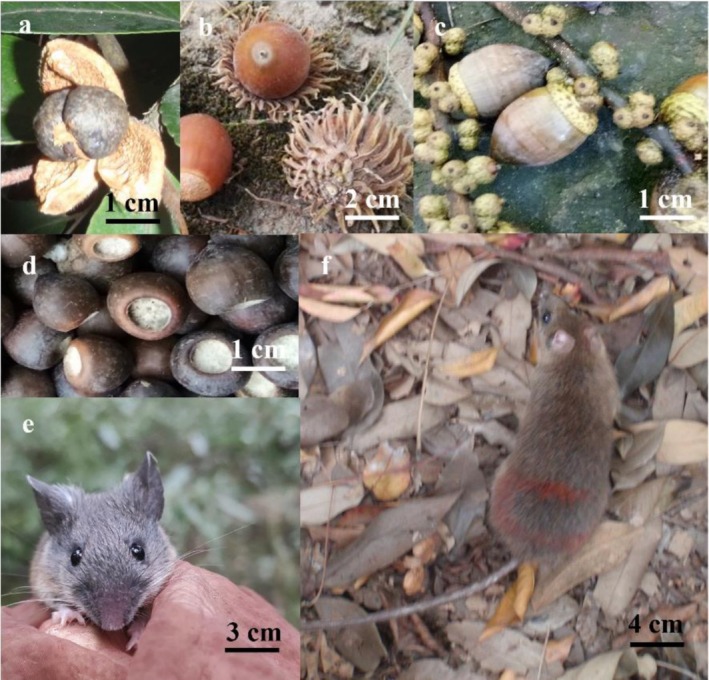 Figure 3
 Figure 4
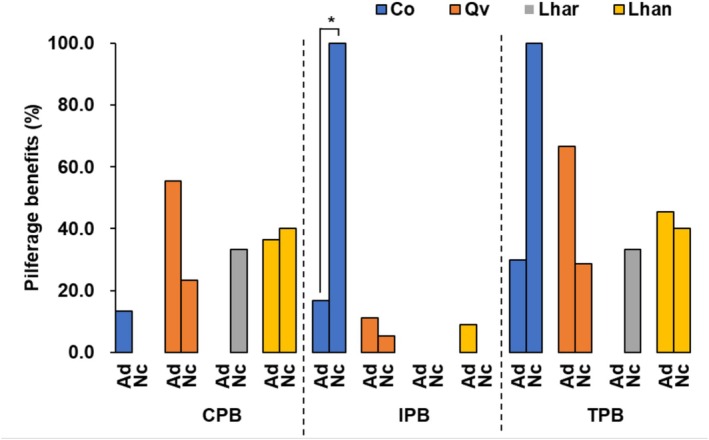 Figure 5
 Figure 6
Peer Reviews
No public reviews on file for this paper yet. If you reviewed it on a platform where reviews are public (OpenReview, ICLR, NeurIPS, ICML), you can paste yours below so the community can read it here.
Videos
No videos yet. Explain this paper in a talk, walkthrough, or lecture? Add one.
Taxonomy
TopicsAnimal Ecology and Behavior Studies · Ecology and Vegetation Dynamics Studies · Evolution and Paleontology Studies