Advancing epileptic seizure recognition through bidirectional LSTM networks
Sanaa Al-Marzouki

TL;DR
This paper introduces a deep learning model using bidirectional LSTM networks to improve the accuracy of detecting epileptic seizures from EEG data.
Contribution
The novel use of BiLSTM networks for seizure detection achieves high accuracy without intensive preprocessing.
Findings
The BiLSTM model achieved 98.70% accuracy on the validation set.
The model outperformed traditional methods with high recall and precision values.
Abstract
Seizure detection in a timely and accurate manner remains a primary challenge in clinical neurology, affecting diagnosis planning and patient management. Most of the traditional methods rely on feature extraction and traditional machine learning techniques, which are not efficient in capturing the dynamic characteristics of neural signals. It is the aim of this study to address such limitations by designing a deep learning model from bidirectional Long Short-Term Memory (BiLSTM) networks in a bid to enhance epileptic seizure identification reliability and accuracy. The dataset used, drawn from Kaggle’s Epileptic Seizure Recognition challenge, consists of 11,500 samples with 179 features per sample corresponding to different electroencephalogram (EEG) readings. Data preprocessing was utilized to normalize and structure the input to the deep learning model. The proposed BiLSTM model…
Genes, proteins, chemicals, diseases, species, mutations and cell lines named across the full text — each resolved to its canonical identifier and authoritative record.
Click any figure to enlarge with its caption.
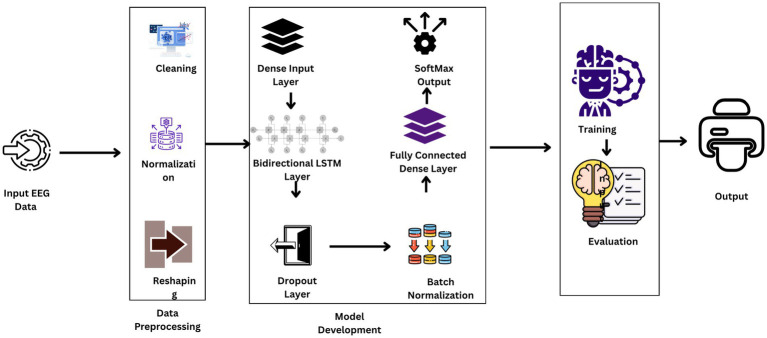 Figure 1
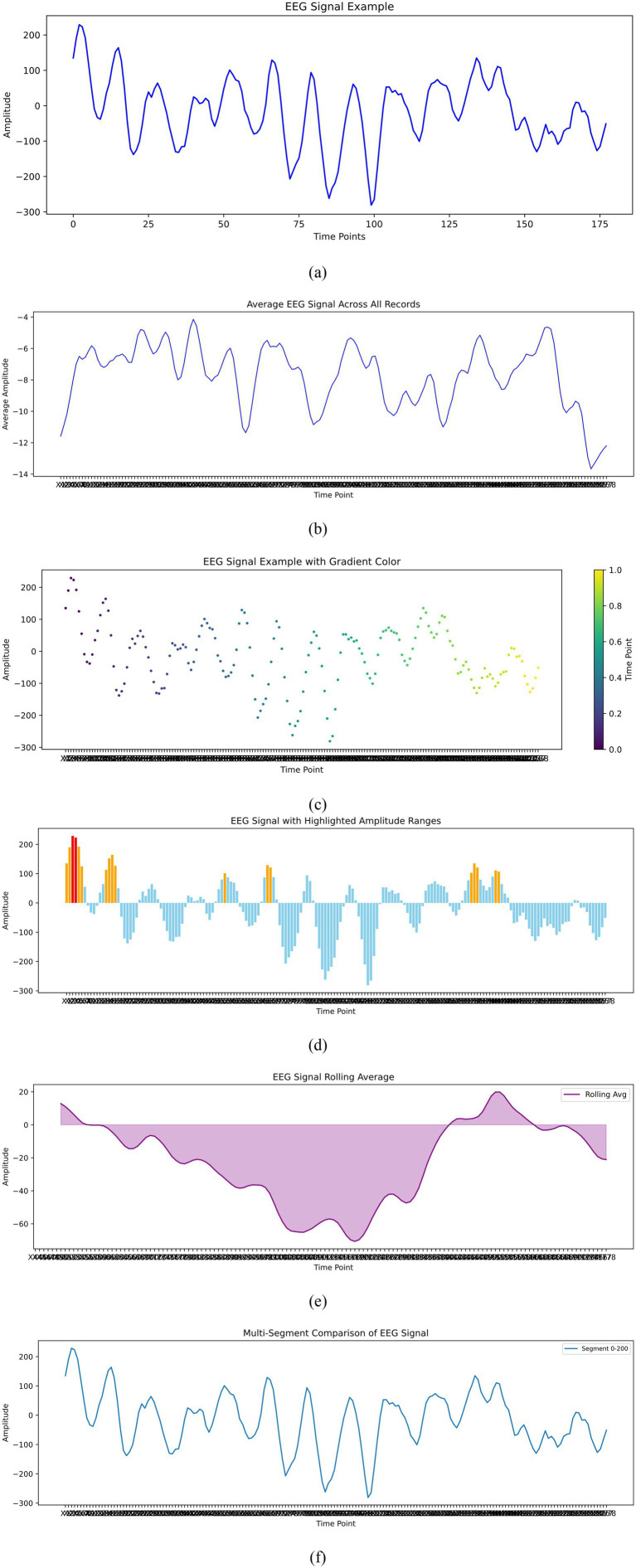 Figure 2
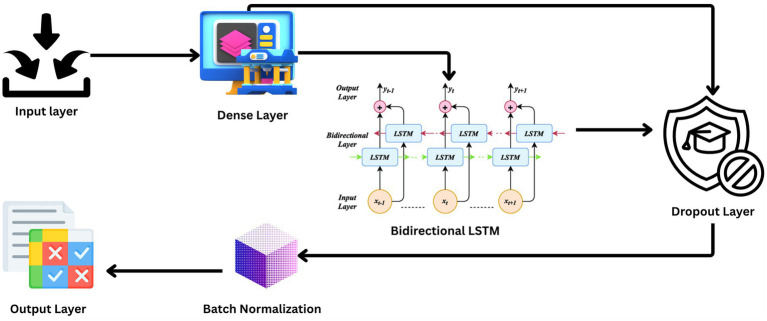 Figure 3
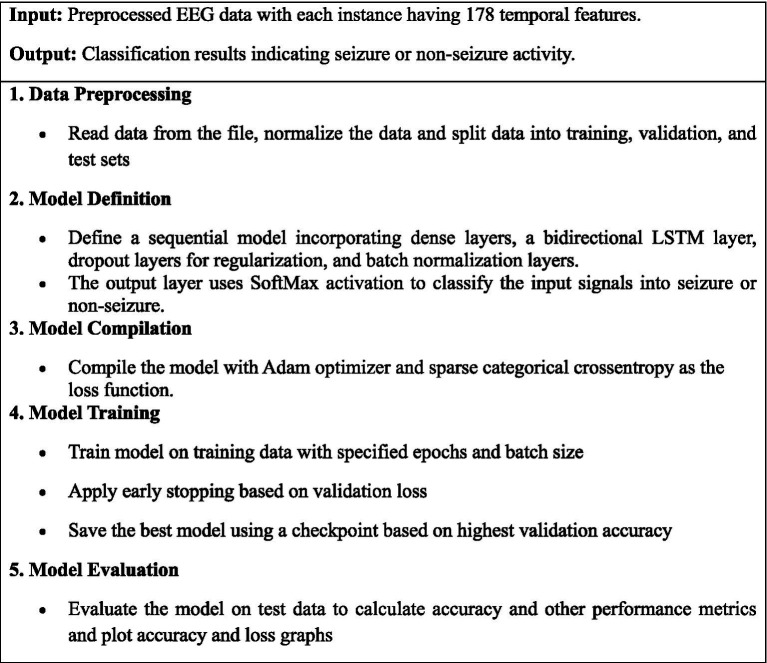 Figure 4
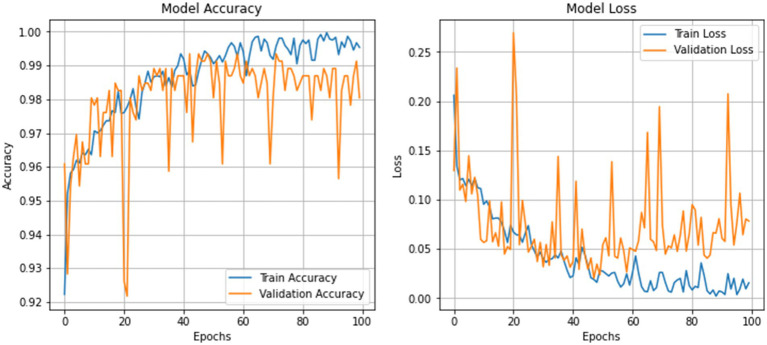 Figure 5
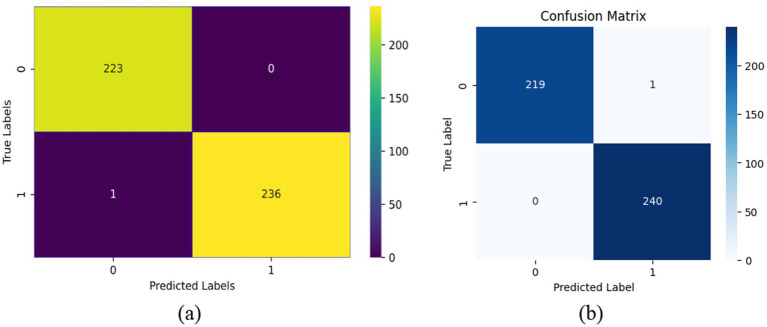 Figure 6
 Figure 7
 Figure 8
Peer Reviews
No public reviews on file for this paper yet. If you reviewed it on a platform where reviews are public (OpenReview, ICLR, NeurIPS, ICML), you can paste yours below so the community can read it here.
Videos
No videos yet. Explain this paper in a talk, walkthrough, or lecture? Add one.
Taxonomy
TopicsEEG and Brain-Computer Interfaces · Machine Learning in Healthcare · Epilepsy research and treatment