Splenic compensation alleviates impaired-development of bone marrow terminal erythroid to attenuate anemia in ATPIF1 knockout mice
Jing Feng, Yue Zhao, Meiqi Xu, Mengjia Li, Shuchou Xia, Jianping Ye

TL;DR
ATPIF1 knockout in mice causes anemia by impairing red blood cell development in the bone marrow, but the spleen compensates by boosting erythroid production.
Contribution
This study reveals ATPIF1's role in erythroid development and the spleen's compensatory function in mitochondrial dysfunction-induced anemia.
Findings
ATPIF1 deficiency impairs bone marrow erythroid development and mitochondrial function.
The spleen compensates with extramedullary erythropoiesis, reducing apoptosis and increasing heme-related gene activity.
Heme levels decrease in the bone marrow but remain stable in the spleen.
Abstract
ATPIF1 (ATPase Inhibitory Factor 1) is a critical regulatory factor of mitochondrial ATP synthase, maintaining ATP homeostasis by modulating ATP synthesis and hydrolysis. In this study, we investigated the consequences of ATPIF1 knockout (KO) on terminal erythroid development and mitochondrial metabolic adaptation in mice. ATPIF1-KO mice exhibited significant reductions in peripheral red blood cell (RBC) counts, hemoglobin, and hematocrit. Mechanistic studies identified impaired development of bone marrow (BM) erythroid, accompanied by robust compensatory erythroid development in the spleen. Integrated RNA-seq and metabolomic analyses revealed that ATPIF1 deficiency disrupted cell proliferation and mitochondrial function in oxidative phosphorylation (OXPHOS) and the tricarboxylic acid (TCA) cycle of BM erythroblasts, leading to defective terminal differentiation of erythrocytes.…
Genes, proteins, chemicals, diseases, species, mutations and cell lines named across the full text — each resolved to its canonical identifier and authoritative record.
Click any figure to enlarge with its caption.
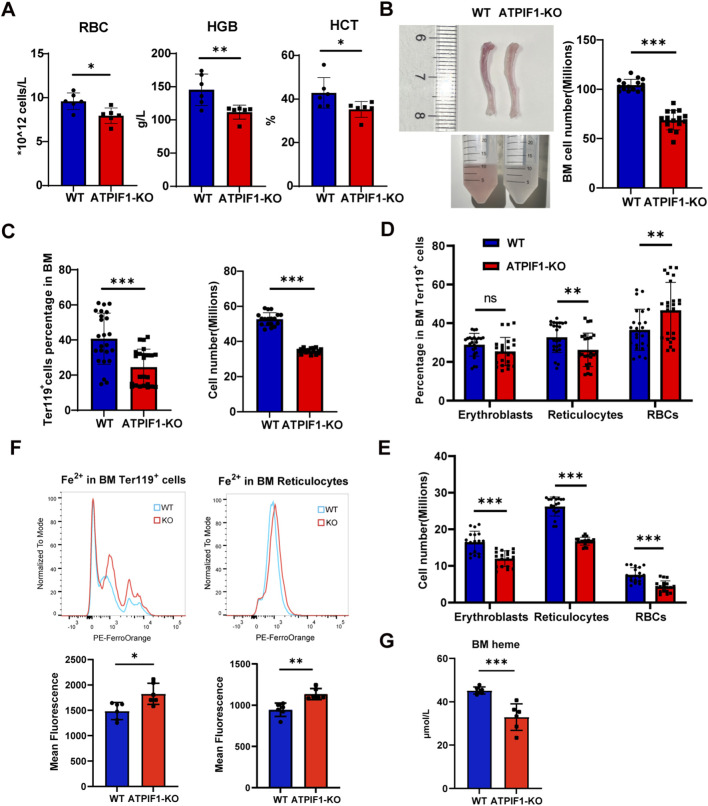 Figure 1
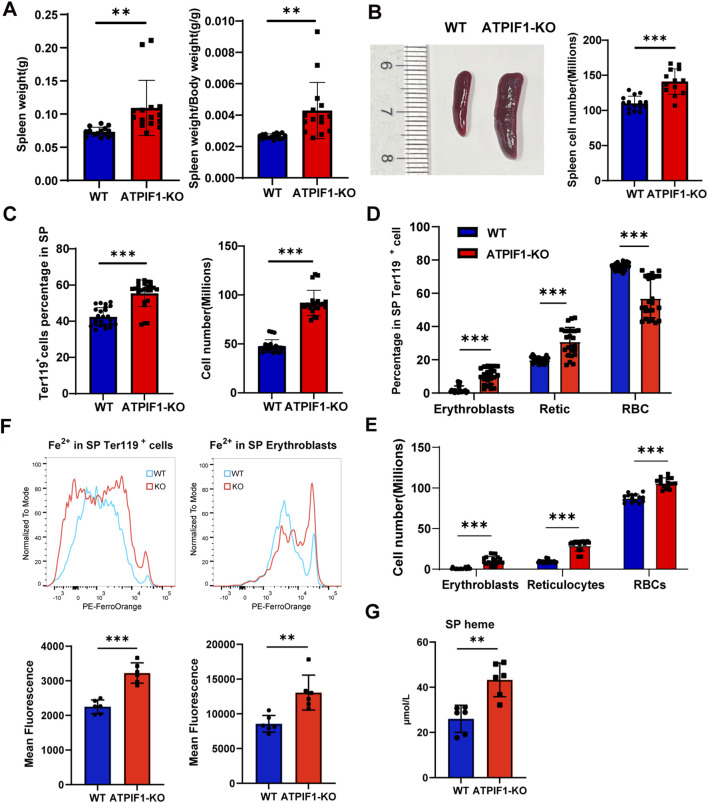 Figure 2
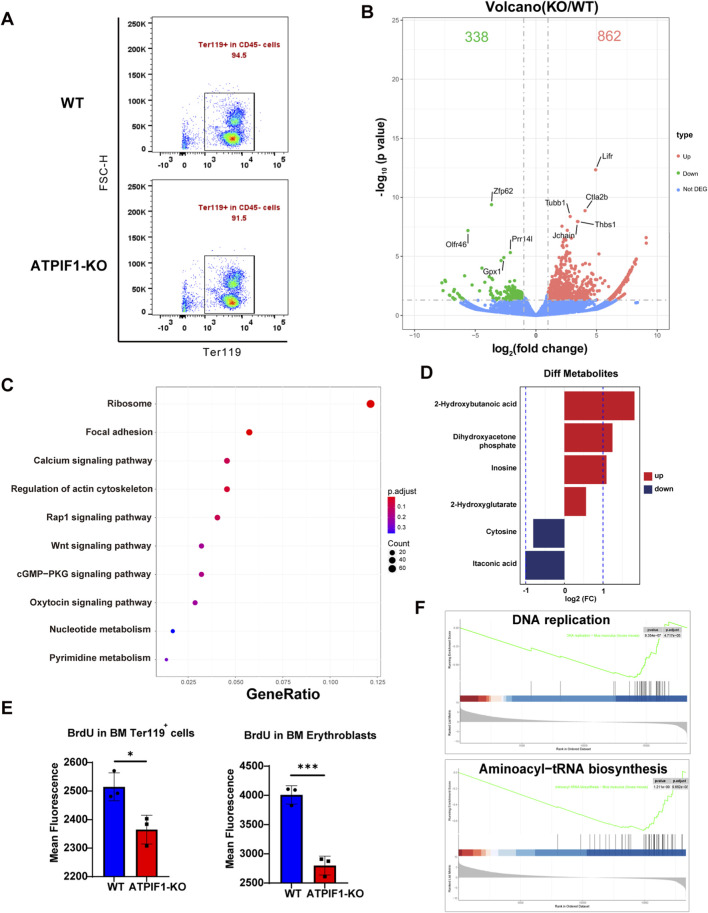 Figure 3
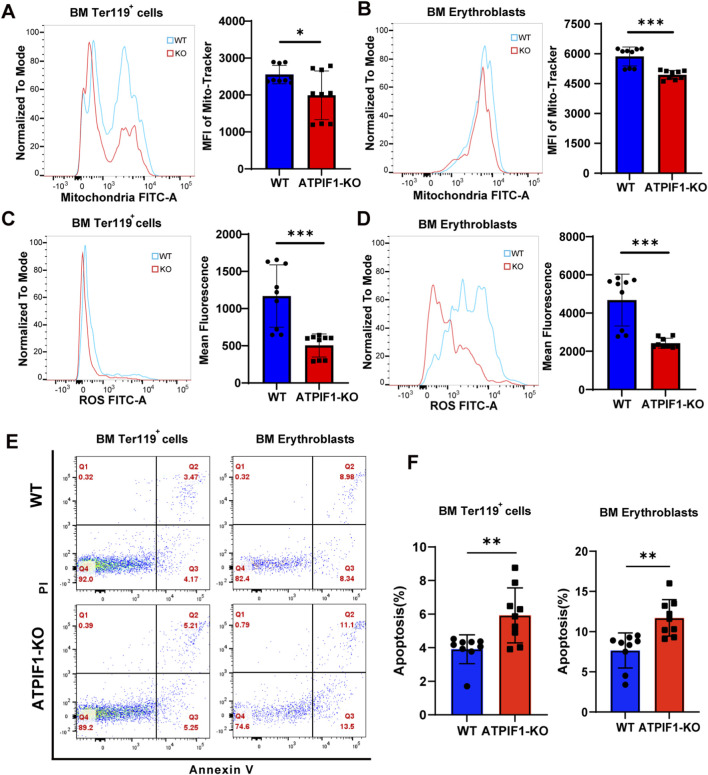 Figure 4
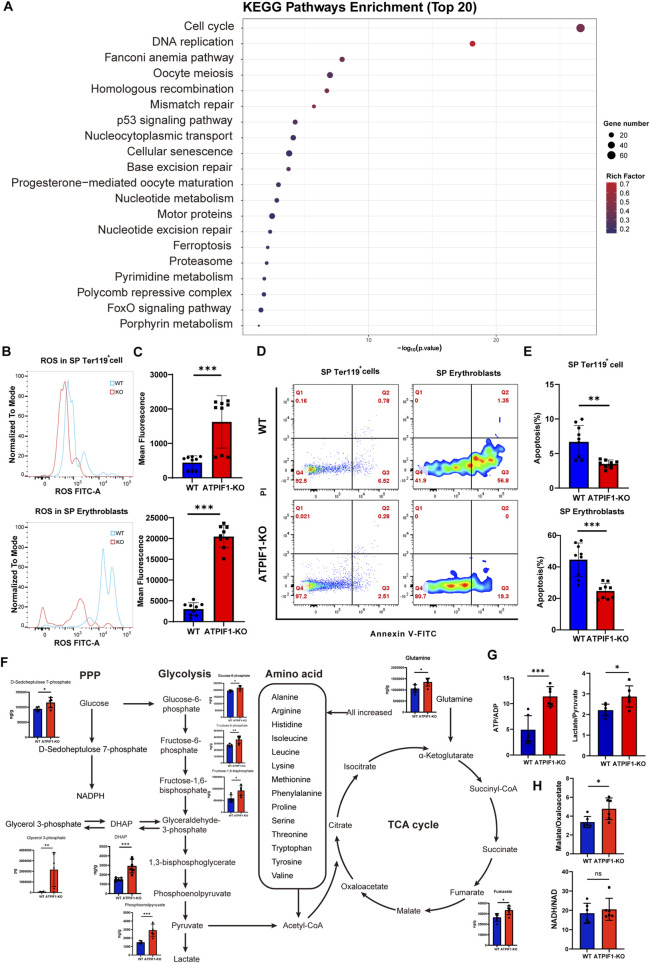 Figure 5
Peer Reviews
No public reviews on file for this paper yet. If you reviewed it on a platform where reviews are public (OpenReview, ICLR, NeurIPS, ICML), you can paste yours below so the community can read it here.
Videos
No videos yet. Explain this paper in a talk, walkthrough, or lecture? Add one.
Taxonomy
TopicsErythrocyte Function and Pathophysiology · Hemoglobinopathies and Related Disorders · Pancreatic function and diabetes