Oral squamous cell carcinoma grading classification using deep transformer encoder assisted dilated convolution with global attention
Singaraju Ramya, R. I. Minu

TL;DR
This paper introduces a new deep learning model for classifying oral cancer grades with high accuracy using advanced techniques like transformers and data augmentation.
Contribution
The novel DeTr-DiGAtt model improves OSCC classification accuracy and efficiency using a transformer encoder and global attention mechanisms.
Findings
The proposed model achieves 98.59% accuracy in OSCC grading classification.
Segmentation results show a Dice score of 97.97% and IoU of 98.08%.
Ad-GreLop hyperparameter tuning enhances model performance.
Abstract
In recent years, Oral Squamous Cell Carcinoma (OSCC) has been a common tumor in the orofacial region, affecting areas such as the teeth, jaw, and temporomandibular joint. OSCC is classified into three grades: “well-differentiated, moderately differentiated, and poorly differentiated,” with a high morbidity and mortality rate among patients. Several existing methods, such as AlexNet, CNN, U-Net, and V-Net, have been used for OSCC classification. However, these methods face limitations, including low ACC, poor comparability, insufficient data collection, and prolonged training times. To address these limitations, we introduce a novel Deep Transformer Encoder-Assisted Dilated Convolution with Global Attention (DeTr-DiGAtt) model for OSCC classification. To enhance the dataset and mitigate over-fitting, a GAN model is employed for data augmentation. Additionally, an Adaptive Bilateral…
Genes, proteins, chemicals, diseases, species, mutations and cell lines named across the full text — each resolved to its canonical identifier and authoritative record.
Click any figure to enlarge with its caption.
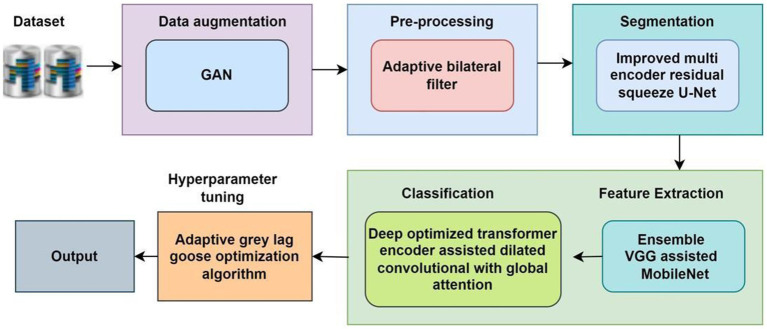 Figure 1
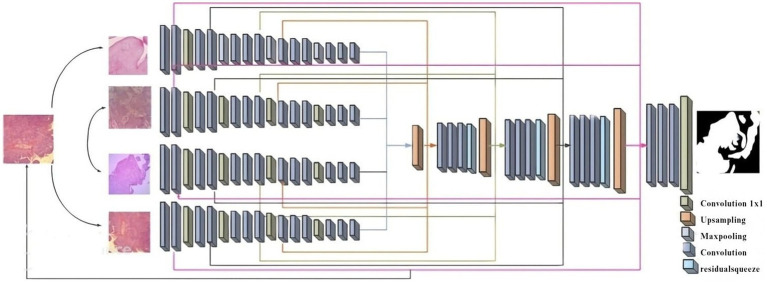 Figure 2
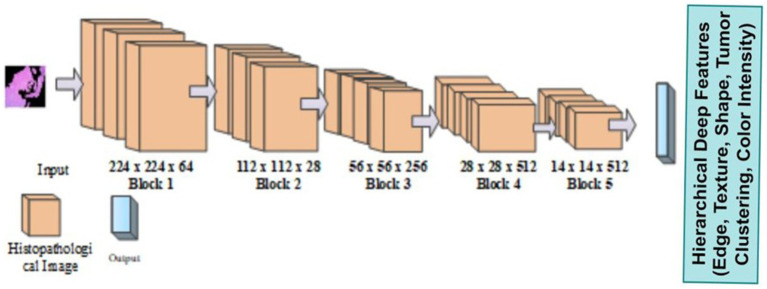 Figure 3
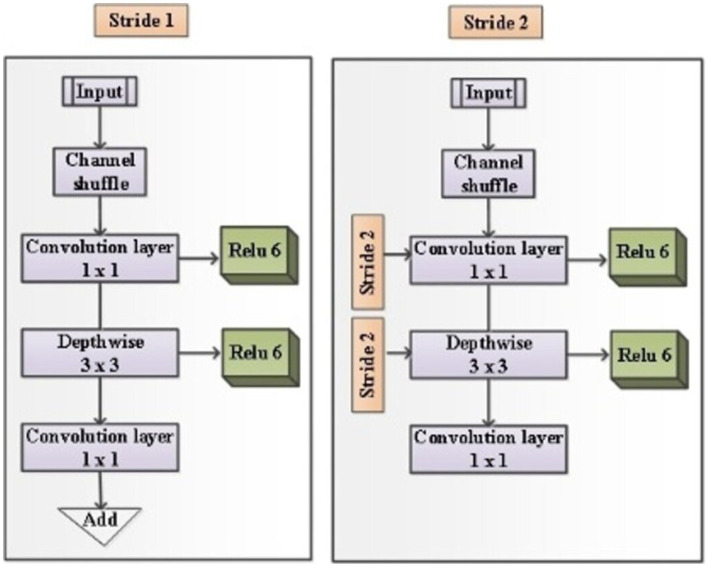 Figure 4
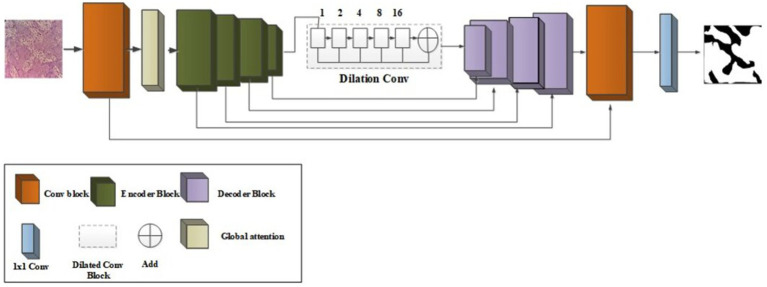 Figure 5
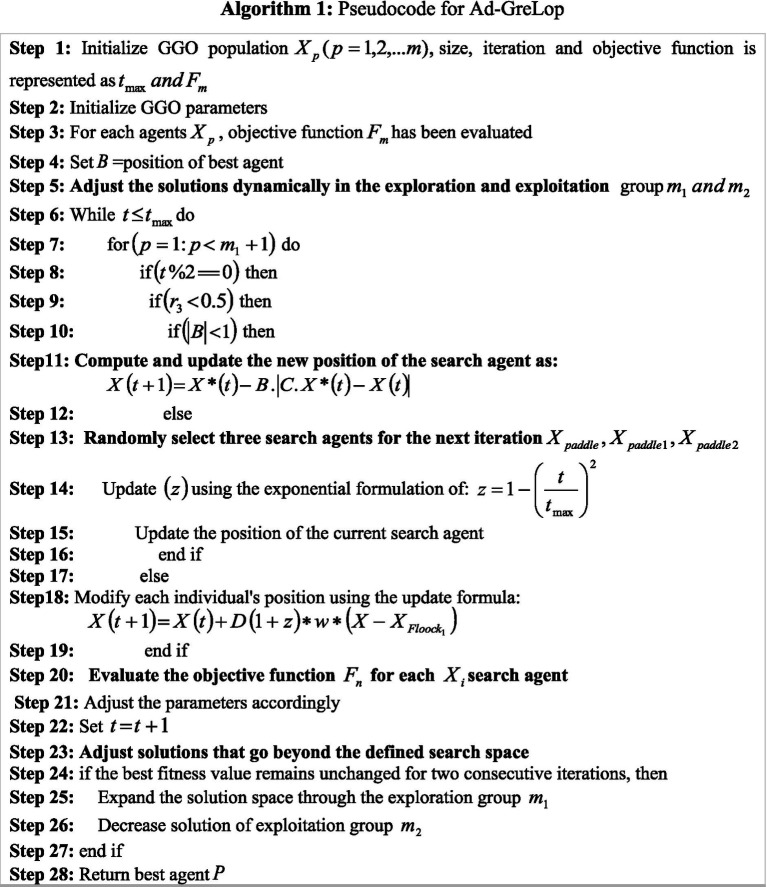 Figure 6
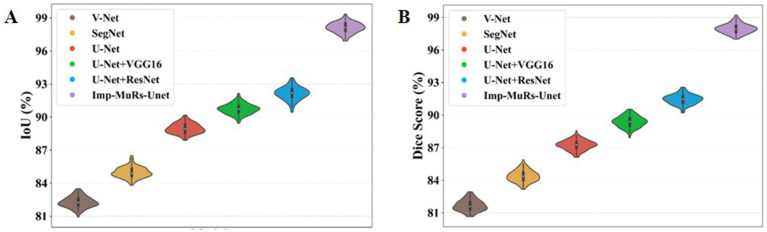 Figure 7
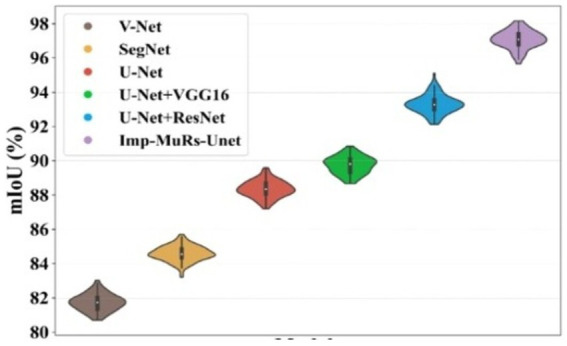 Figure 8
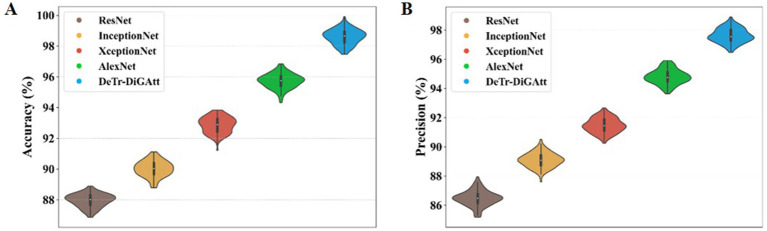 Figure 9
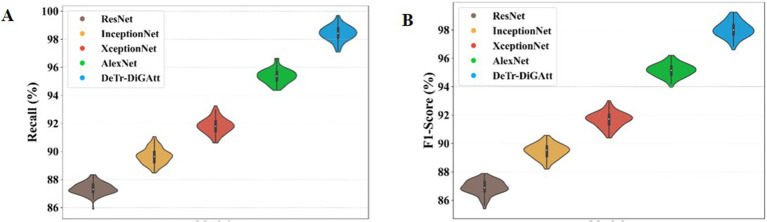 Figure 10
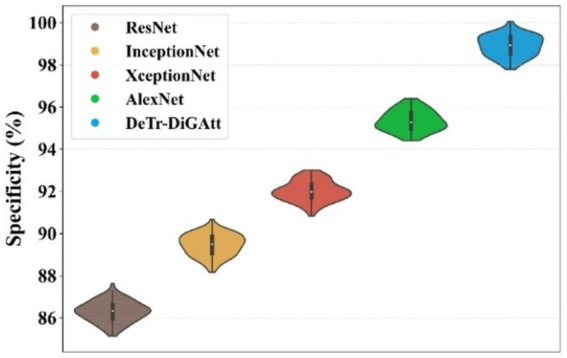 Figure 11
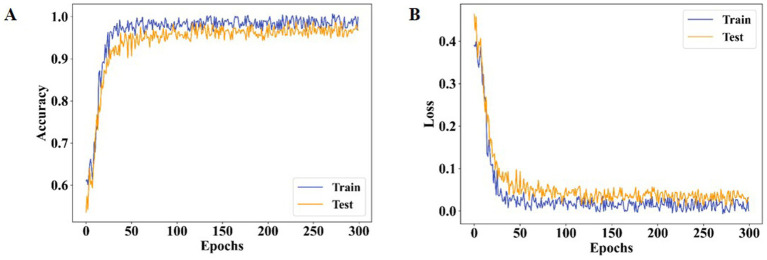 Figure 12
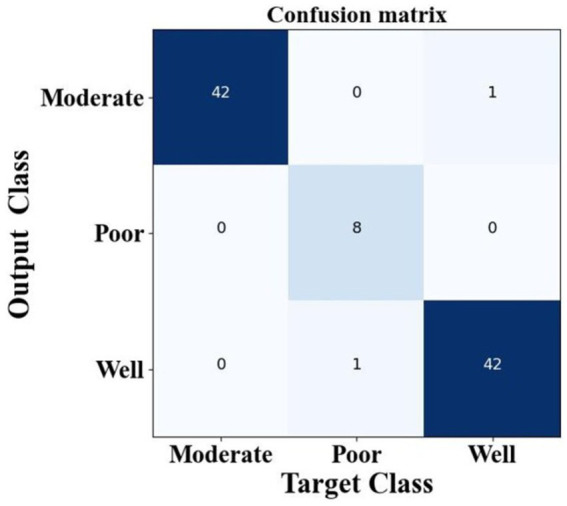 Figure 13
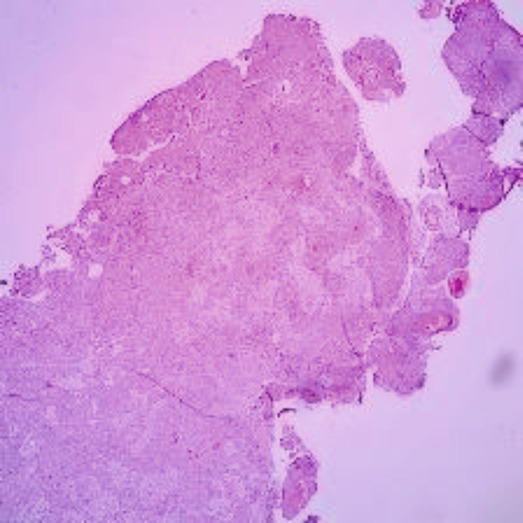 Figure 14
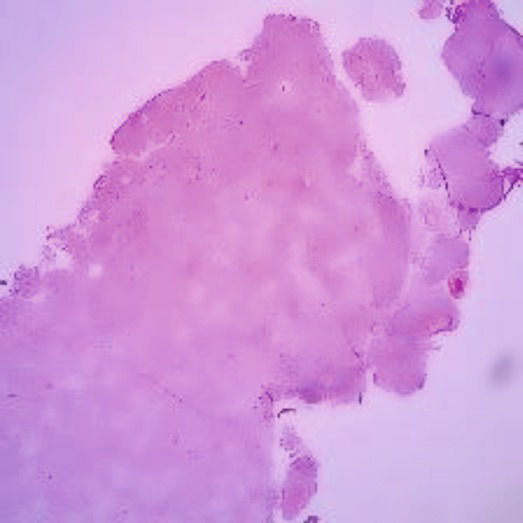 Figure 15
 Figure 16
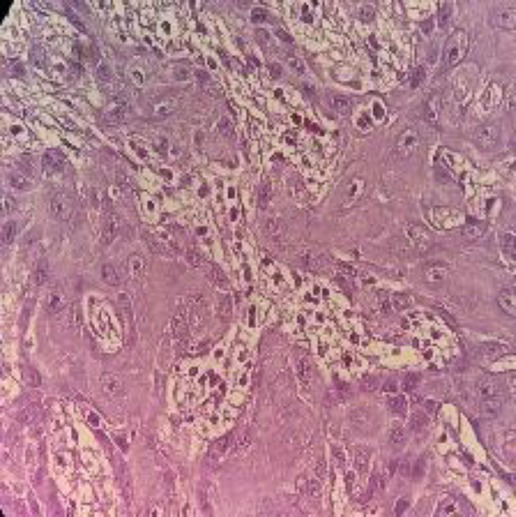 Figure 17
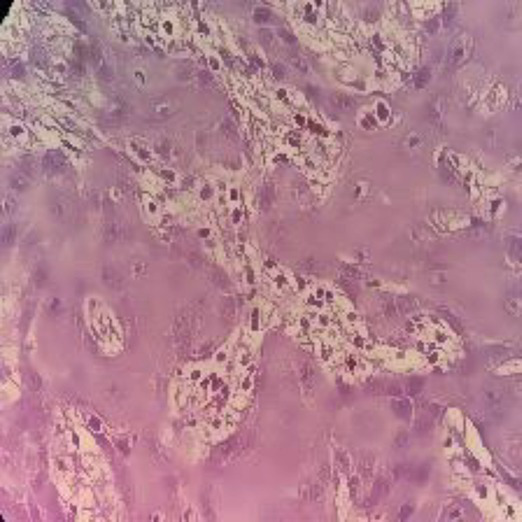 Figure 18
 Figure 19
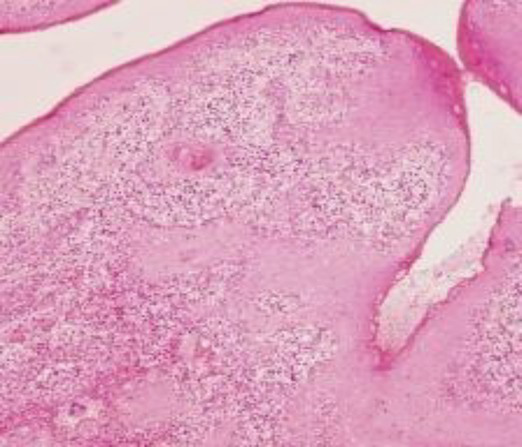 Figure 20
 Figure 21
 Figure 22
Peer Reviews
No public reviews on file for this paper yet. If you reviewed it on a platform where reviews are public (OpenReview, ICLR, NeurIPS, ICML), you can paste yours below so the community can read it here.
Videos
No videos yet. Explain this paper in a talk, walkthrough, or lecture? Add one.
Taxonomy
TopicsAI in cancer detection · Brain Tumor Detection and Classification · Digital Imaging for Blood Diseases