Empagliflozin’s cardioenergetic protective effects through PPARα pathway modulation in heart failure
Hua Wei, Menghua Yin, Junshun Chang, Bo Feng, Qin Zhou, Xirong Li, Ping Wu, Xiaoshan Guo, Siyuan Chen, Bao Li, Sijin Li

TL;DR
This study shows that empagliflozin improves heart energy metabolism in heart failure by modulating the PPARα pathway, as observed through PET/CT imaging.
Contribution
The novel finding is that empagliflozin, an SGLT2 inhibitor, improves heart energy metabolism in HF by inhibiting glucose and promoting lipid metabolism via the PPARα pathway.
Findings
Heart failure rats showed significantly higher myocardial glucose metabolism compared to healthy rats.
Empagliflozin reduced glucose metabolism and improved lipid metabolism in heart failure rats.
18F-FDG MicroPET/CT imaging effectively quantifies energy metabolism changes in heart failure.
Abstract
Heart failure (HF) pathology is complex and seriously life-threatening. SGLT2 inhibitors, as one of the new quadruple drugs for HF treatment, have a complex mechanism for improving HF. Energy metabolism is one of the important aspects of HF pathology, and the PPARα signaling pathway plays an important role in energy metabolism. Therefore, this study aims to observe changes in the PPARα signal transduction pathway in chronic HF by 18F-FDG MicroPET/CT imaging. Based on the myocardial metabolic imaging of 18F-FDG MicroPET/CT, this study aims to verify the mechanism of SGLT2 inhibitor treatment in rats with HF through the PPARα signal transduction pathway of energy metabolism and provide an imaging diagnostic basis. In 18F-FDG PET/CT myocardial metabolic imaging, pretreatment myocardial glucose metabolism rate (MRGlu) levels in the HC group of HF rats were significantly higher than that in…
Genes, proteins, chemicals, diseases, species, mutations and cell lines named across the full text — each resolved to its canonical identifier and authoritative record.
Click any figure to enlarge with its caption.
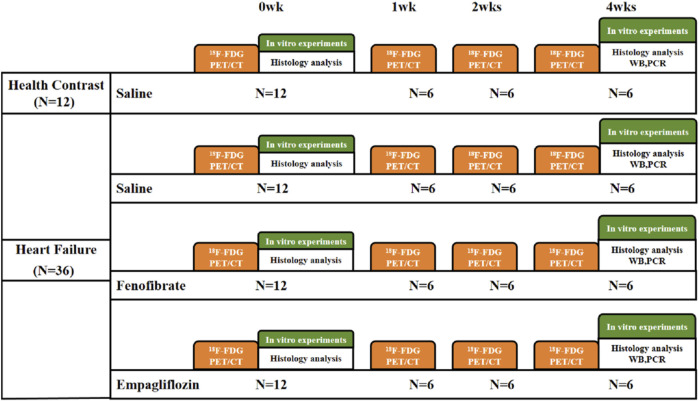 Figure 1
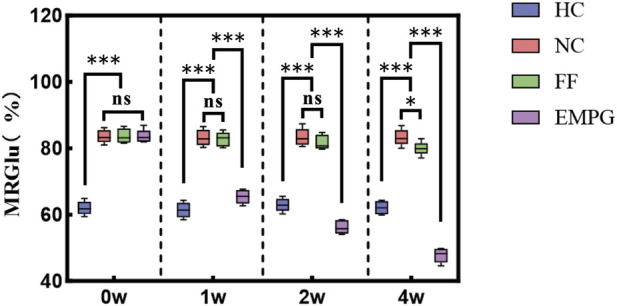 Figure 2
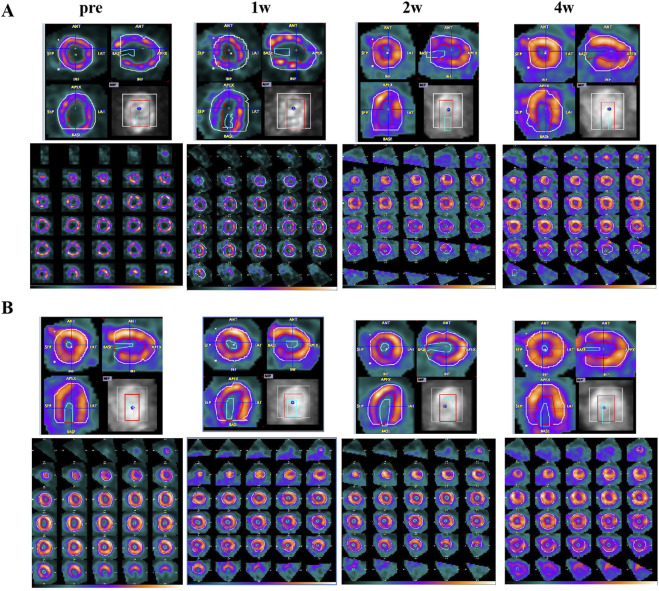 Figure 3
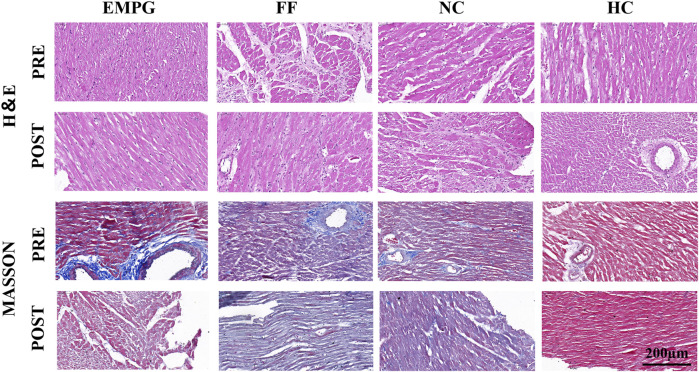 Figure 4
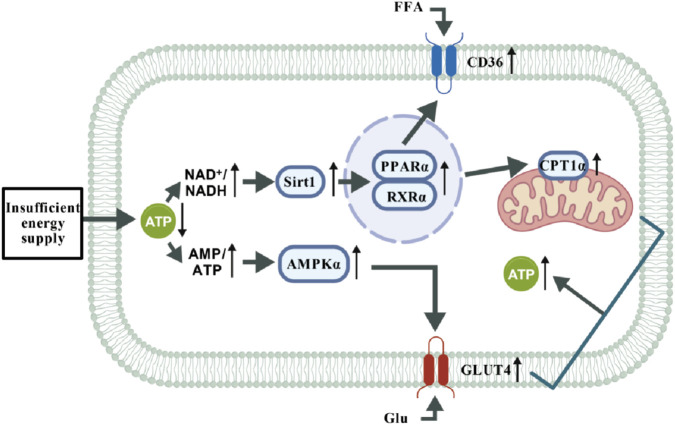 Figure 5
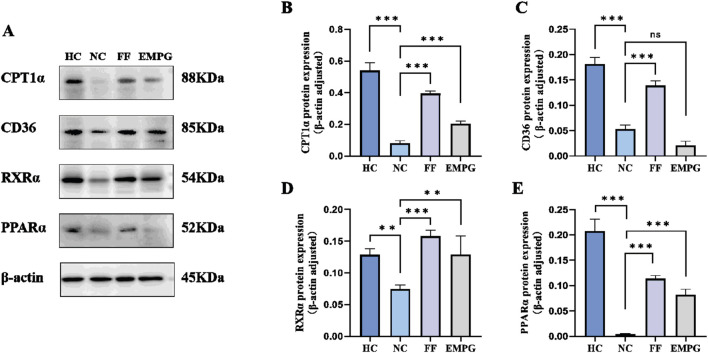 Figure 6
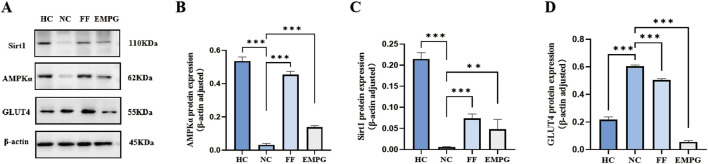 Figure 7
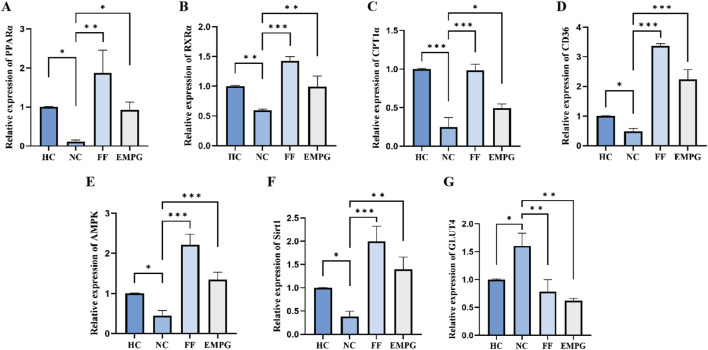 Figure 8
Peer Reviews
No public reviews on file for this paper yet. If you reviewed it on a platform where reviews are public (OpenReview, ICLR, NeurIPS, ICML), you can paste yours below so the community can read it here.
Videos
No videos yet. Explain this paper in a talk, walkthrough, or lecture? Add one.
Taxonomy
TopicsDiabetes Treatment and Management · Pancreatic function and diabetes · Cardiovascular Function and Risk Factors