Comparative Efficacy of Low-Level Laser Acupuncture and Electroacupuncture in Women With Dysmenorrhea and Autonomic Imbalance: A Pilot Randomized-Controlled Trial
Tsai-Ju Chien, Yuan-I. Chang, Li-Lan Liao, Yu-Ni Hsu, Chien-Wen Huang

TL;DR
This study compares laser acupuncture and electroacupuncture for treating menstrual pain and autonomic imbalance in women, finding both effective but laser acupuncture shows unique benefits.
Contribution
Demonstrates noninvasive low-level laser acupuncture is noninferior to electroacupuncture for dysmenorrhea and autonomic dysfunction.
Findings
LLLA and EA both significantly reduced pain and autonomic imbalance compared to sham treatment.
LLLA outperformed EA in heart rate variability metrics for participants with low LF/HF ratios.
EA showed a significant decrease in proinflammatory prostaglandin E2 levels.
Abstract
Electroacupuncture (EA) has been widely applied in treating dysmenorrhea and autonomic dysfunction. Low-level laser acupuncture (LLLA), a noninvasive acupuncture, has been used clinically, but efficacy is uncertain. This study aimed to explore the efficacy of LLLA, EA, and sham-controlled LLLA on pain, heart rate variability (HRV) activity, and symptom improvement in dysmenorrhea with autonomic imbalance. In a randomized, controlled design, a total of 114 women with dysmenorrhea and autonomic imbalance were randomly allocated to three groups: sham LLLA, LLLA, and EA. The primary outcomes are pain (VAS), and HRV parameters, and the secondary outcomes are symptom assessment (verbal multidimensional scoring system), prostaglandin E, progesterone levels, and the SF-12 quality-of-life assessment. Contrast to the sham acupuncture, LLLA and EA effectively reconciled the pain and…
Genes, proteins, chemicals, diseases, species, mutations and cell lines named across the full text — each resolved to its canonical identifier and authoritative record.
Click any figure to enlarge with its caption.
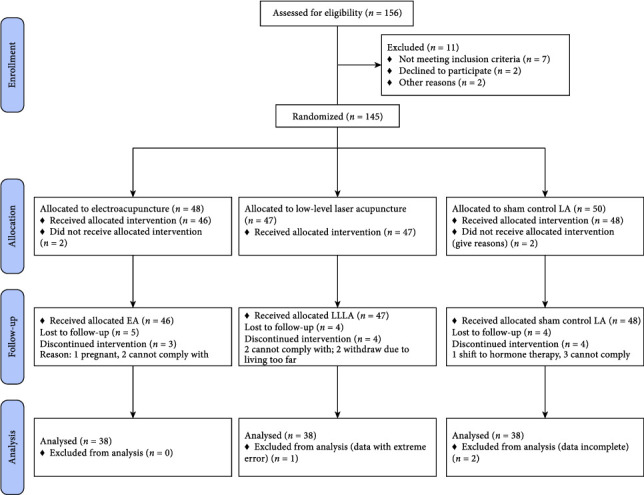 Figure 1
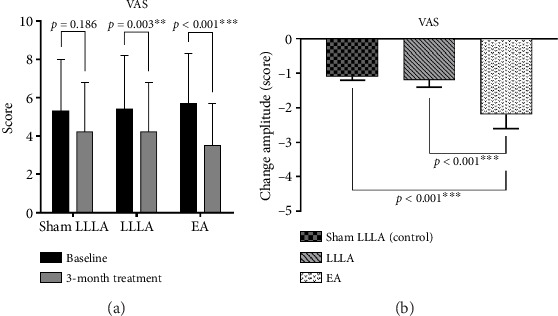 Figure 2
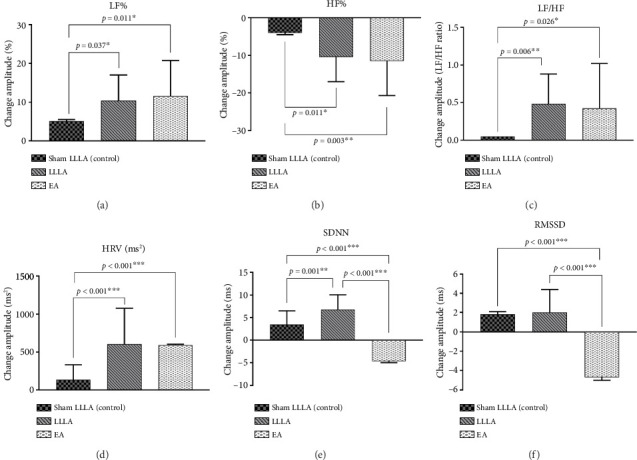 Figure 3
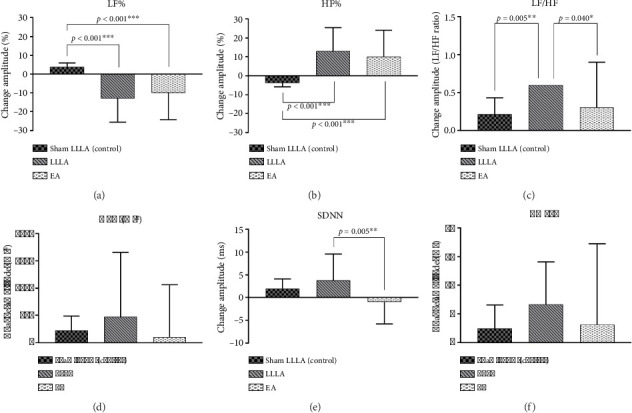 Figure 4
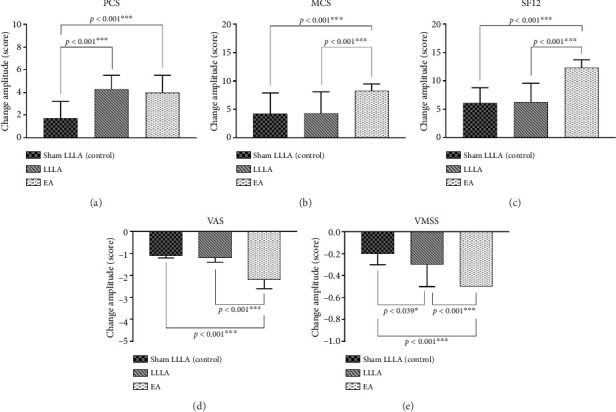 Figure 5
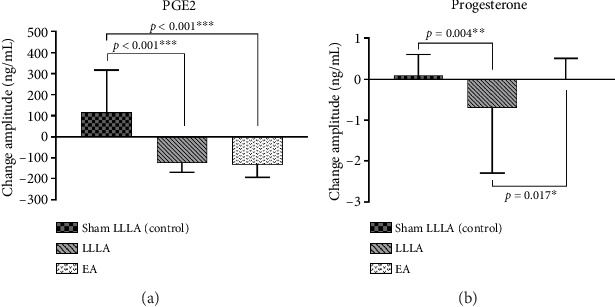 Figure 6
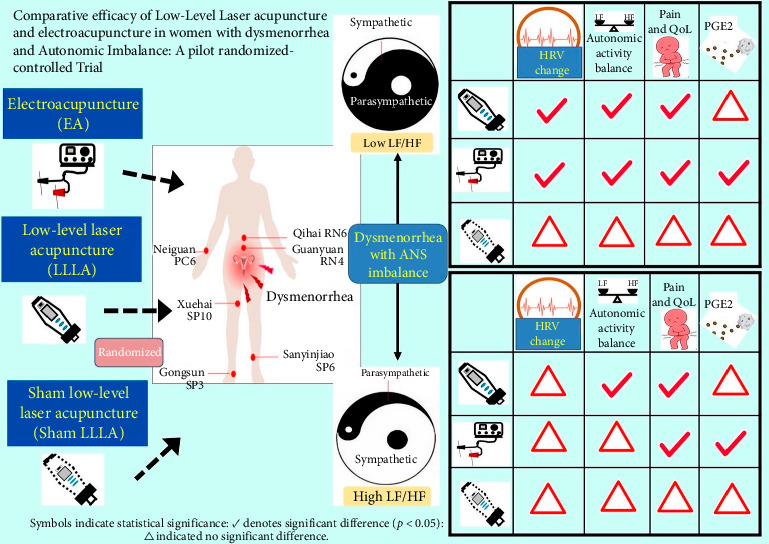 Figure 7
Peer Reviews
No public reviews on file for this paper yet. If you reviewed it on a platform where reviews are public (OpenReview, ICLR, NeurIPS, ICML), you can paste yours below so the community can read it here.
Videos
No videos yet. Explain this paper in a talk, walkthrough, or lecture? Add one.
Taxonomy
TopicsMenstrual Health and Disorders · Acupuncture Treatment Research Studies · Healthcare and Venom Research