Single-Nuclei RNA Sequencing Shows the Engagement of PPAR-Delta Target Genes Primarily in Hepatocytes and Cholangiocytes by the Selective PPAR-Delta Agonist Seladelpar
Tomoo Yamazaki, Yongqiang Yang, David Schöler, Yoshimi Yukawa-Muto, Tetsuya Kouno, Aenne Harberts, Sadatsugu Sakane, Linton Freund, Cynthia L. Hsu, Thomas C. Whisenant, Sara Brin Rosenthal, Tatiana Kisseleva, Edward E. Cable, Bernd Schnabl

TL;DR
This study shows that the drug seladelpar activates specific genes mainly in liver cells called hepatocytes and cholangiocytes, which could help treat liver diseases.
Contribution
The study identifies the specific cell types in the liver where seladelpar activates PPARD target genes using single-nuclei RNA sequencing.
Findings
Seladelpar primarily activates PPARD target genes in hepatocytes and cholangiocytes.
Abcb4, a protective gene, is significantly upregulated in hepatocytes by seladelpar.
PPARD-responsive genes like Pdk4 and Angptl4 are increased in cholangiocytes and other nonparenchymal cells.
Abstract
The selective peroxisome proliferator–activated receptor delta (PPARD) agonist seladelpar reduces liver injury and modulates bile acid metabolism in preclinical models. Seladelpar was recently approved for the secondary treatment of primary biliary cholangitis (PBC). Despite its beneficial effects for liver diseases, the target cells of seladelpar on a single-cell level remain unknown. This study is aimed at investigating the effect of seladelpar on single liver cells. CD-1 mice were gavaged with vehicle or seladelpar (10 mg/kg body weight), and the liver was harvested 6 h later. Single-nuclei RNA sequencing (snRNA-seq) analysis showed the engagement of PPARD target genes primarily in hepatocytes and cholangiocytes by seladelpar. The top two upregulated genes, Ehhadh and Cyp4a14, are related to fatty acid metabolism and were increased in hepatocytes, cholangiocytes, and Kupffer cells.…
Genes, proteins, chemicals, diseases, species, mutations and cell lines named across the full text — each resolved to its canonical identifier and authoritative record.
Click any figure to enlarge with its caption.
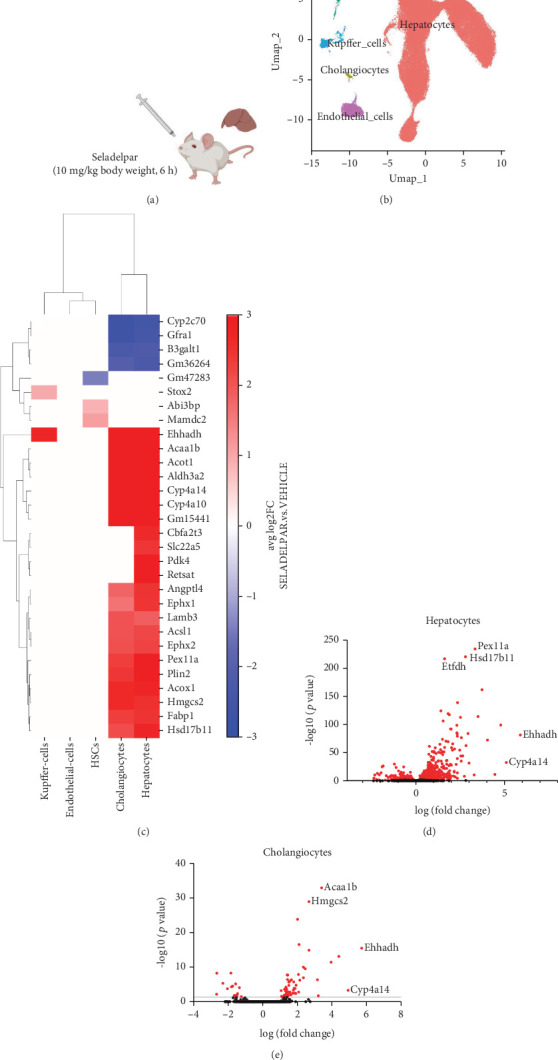 Figure 1
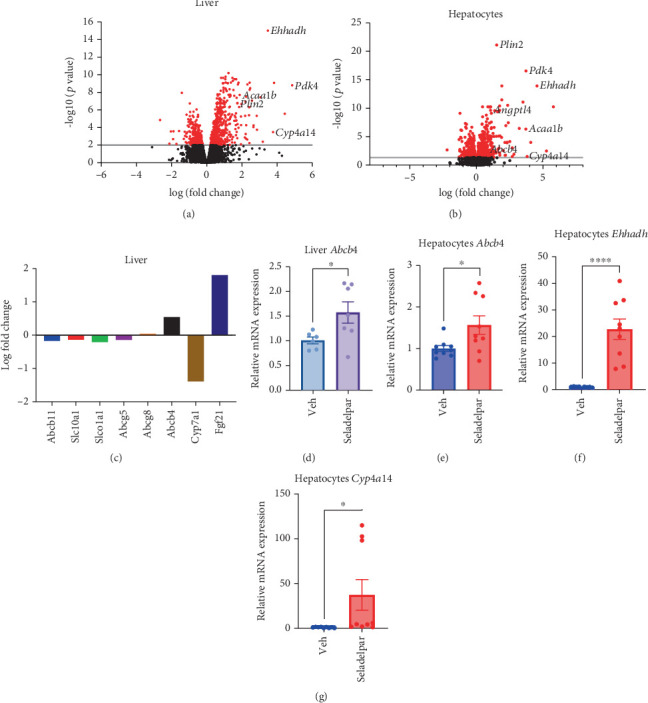 Figure 2
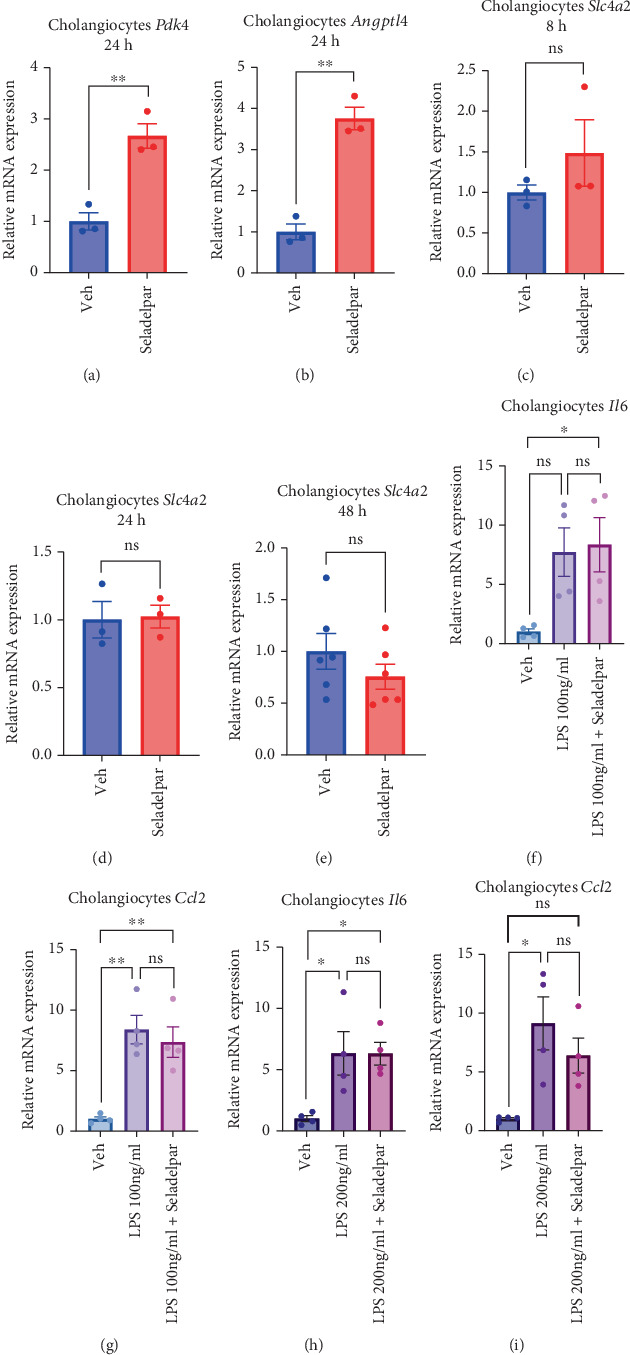 Figure 3
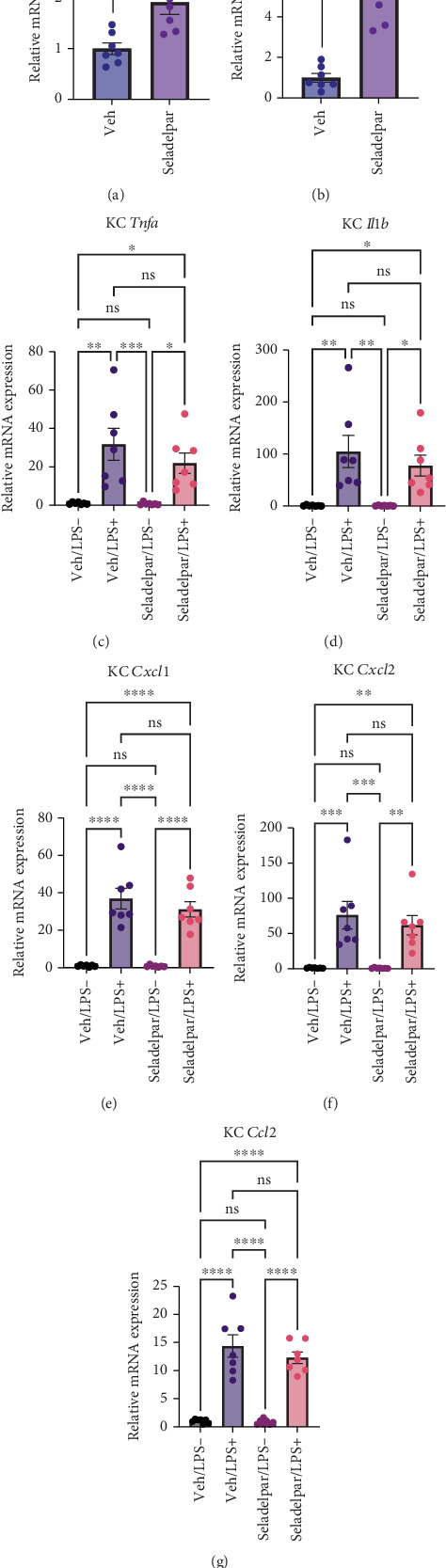 Figure 4
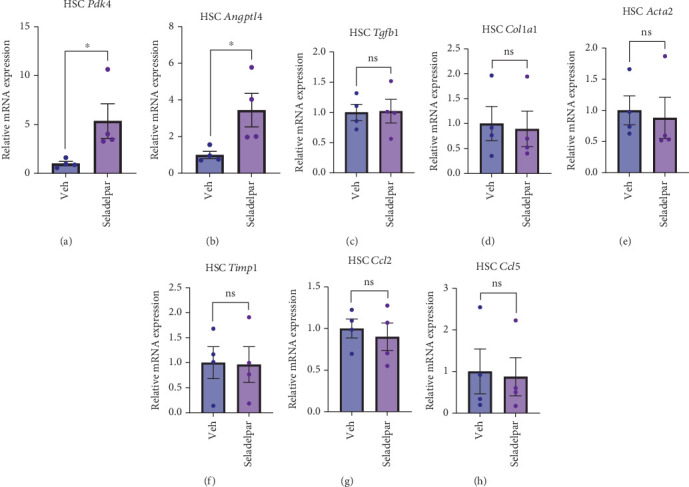 Figure 5
Peer Reviews
No public reviews on file for this paper yet. If you reviewed it on a platform where reviews are public (OpenReview, ICLR, NeurIPS, ICML), you can paste yours below so the community can read it here.
Videos
No videos yet. Explain this paper in a talk, walkthrough, or lecture? Add one.
Taxonomy
TopicsPeroxisome Proliferator-Activated Receptors · MicroRNA in disease regulation · RNA modifications and cancer