Ecthyma Gangrenosum-Like Lesion in a Patient With a Leukocyte Adhesion Defect: Pseudomonas aeruginosa, Staphylococcus aureus, and a Rare Agent, Fusarium
Fatma Tuğba Çetin, Ümmühan Çay, Asena Ünal, Arbil Açıkalın, Özlem Özgür Gündeşlioğlu, Dilek Özcan, Mahir Serbes, Derya Alabaz

TL;DR
A rare mold, Fusarium, caused a severe skin infection in a child with a weakened immune system, alongside common bacteria.
Contribution
Highlights Fusarium as a rare but serious cause of ecthyma gangrenosum in immunocompromised patients.
Findings
Fusarium spp. was isolated alongside Pseudomonas aeruginosa and Staphylococcus aureus from a wound culture.
Fusarium can cause ecthyma gangrenosum in patients with neutrophil dysfunction or neutropenia.
Burns in immunocompromised individuals increase the risk of Fusarium skin infections.
Abstract
Fusarium species can cause serious infections, including superficial and invasive ones. In immunocompromised individuals, they can cause skin infections such as ecthyma gangrenosum and disseminated disease through lymphatic spread. In this case report, we present a nine-year-old girl with ecthyma gangrenosum whose primary disease was a leukocyte adhesion defect (LAD). She developed a burn on her right lower extremity after spilling hot tea. Pseudomonas aeruginosa, Staphylococcus aureus, and Fusarium spp. were isolated from a wound culture taken from her ankle. While Pseudomonas aeruginosa is generally the causative agent of ecthyma gangrenosum, Fusarium species can also be encountered in patients with neutropenia or neutrophil dysfunction. It should be noted that Fusarium species, a rare mold pathogen, can also cause serious skin infections in immunocompromised patients, particularly…
Genes, proteins, chemicals, diseases, species, mutations and cell lines named across the full text — each resolved to its canonical identifier and authoritative record.
Click any figure to enlarge with its caption.
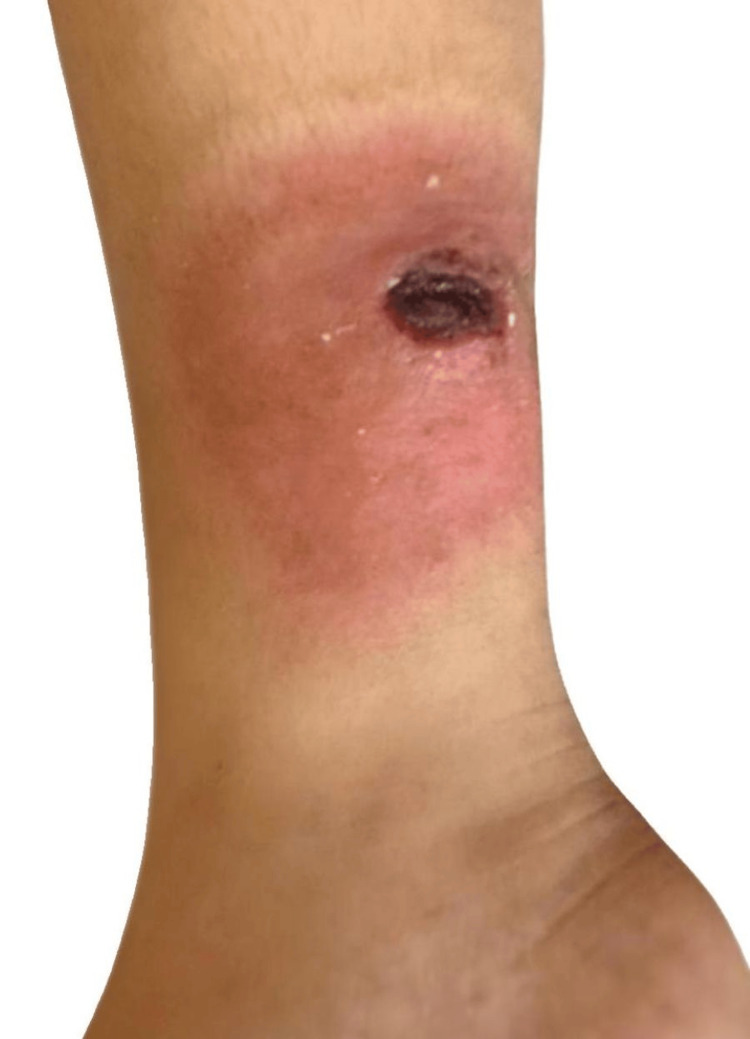 Figure 1
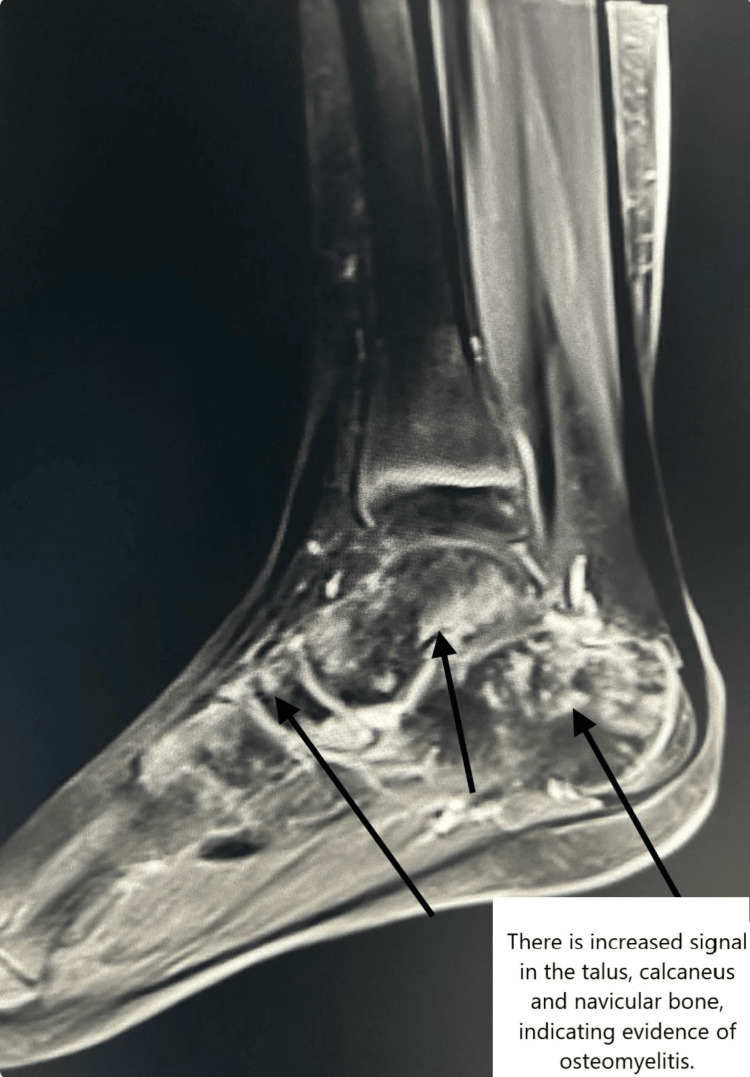 Figure 2
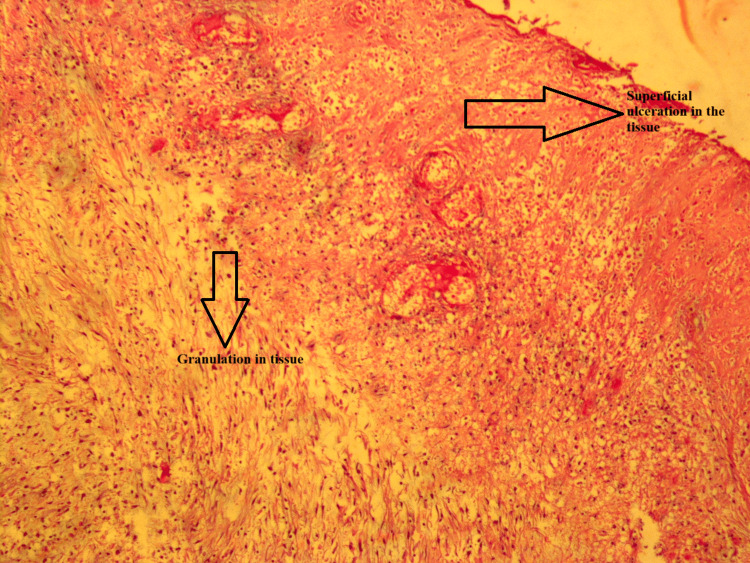 Figure 3
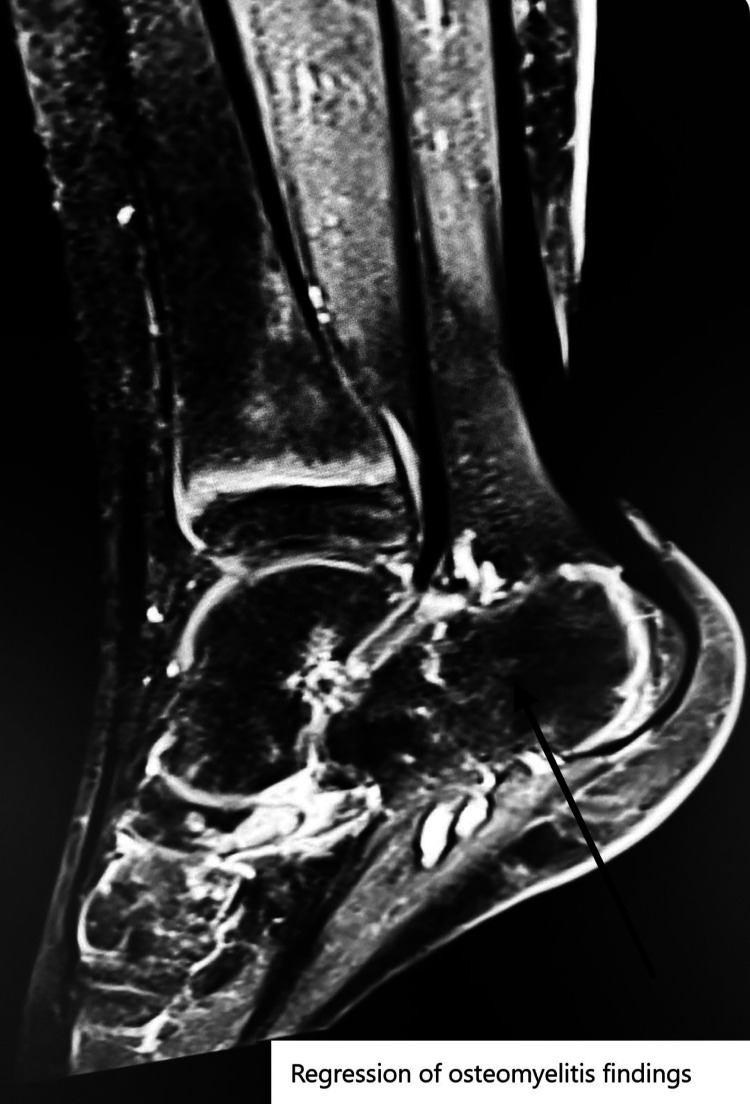 Figure 4
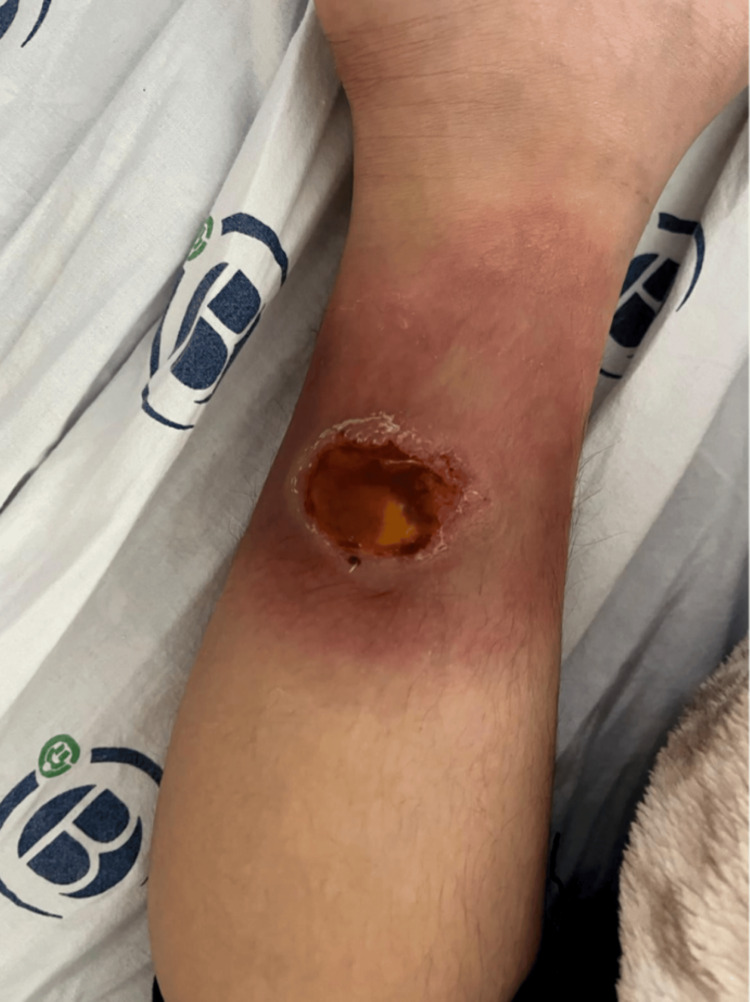 Figure 5
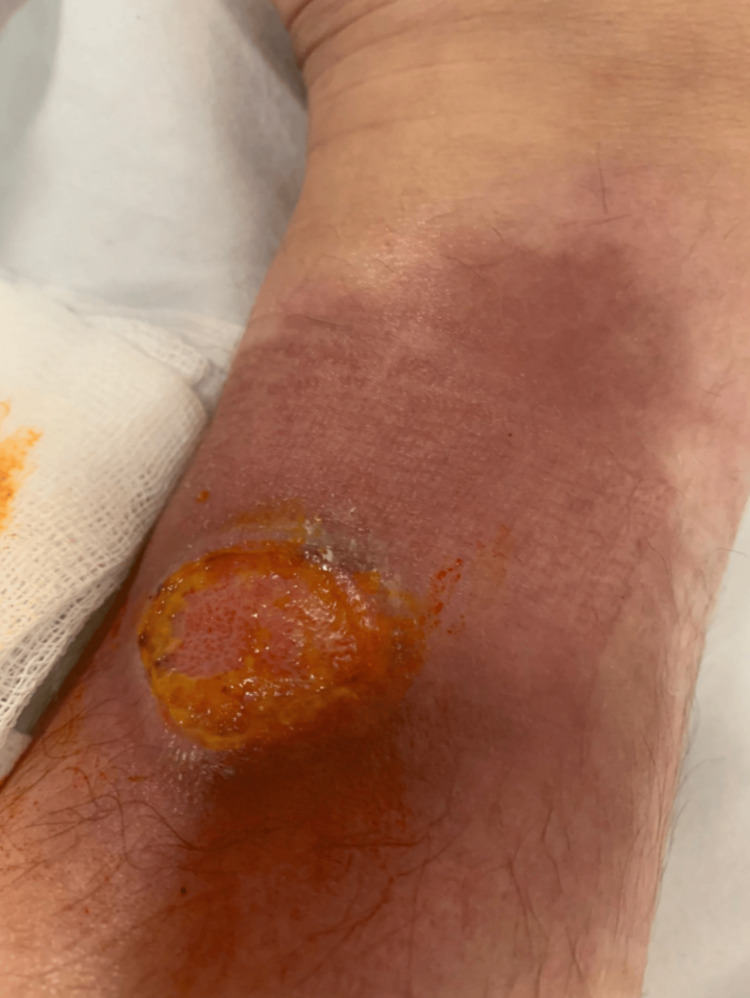 Figure 6
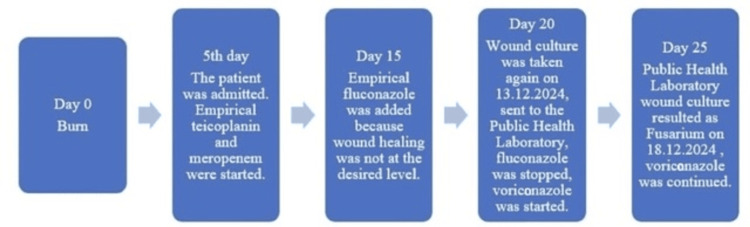 Figure 7
Peer Reviews
No public reviews on file for this paper yet. If you reviewed it on a platform where reviews are public (OpenReview, ICLR, NeurIPS, ICML), you can paste yours below so the community can read it here.
Videos
No videos yet. Explain this paper in a talk, walkthrough, or lecture? Add one.
Taxonomy
TopicsInfections and bacterial resistance · Autoimmune and Inflammatory Disorders · Streptococcal Infections and Treatments