Eliosin-an alternative product from the HmPKD1 locus is a component of endoplasmic reticulum mitochondria membrane contact sites
Almira Kurbegovic, Virginie Lazar, Wei-Min Xu, Maya Seshan, John S. Underwood, Radmila Micanovic, Jeremy M. Pomerantz, Rajneesh Srivastava, Sarath Janga, Emma H. Doud, Sherry Clendenon, Marie Trudel, Angela Wandinger-Ness, Robert L. Bacallao

TL;DR
A new protein called Eliosin, derived from the PKD1 gene region, is found at ER-mitochondria contact sites and may influence mitochondrial shape and ADPKD progression.
Contribution
Discovery of Eliosin, a novel protein from the PKD1 locus, with a role in ER-mitochondria membrane contact sites and mitochondrial dynamics.
Findings
Eliosin is a 47 kDa protein encoded by an alternative transcript of the PKD1 locus.
Eliosin co-localizes with proteins at ER-mitochondria contact sites and influences mitochondrial morphology.
Eliosin expression in ADPKD cells changes fragmented mitochondria to filamentous structures.
Abstract
The human PKD1 gene locus region is the site that when mutated, causes 87% of the cases of human autosomal dominant polycystic kidney disease (ADPKD). This gene generates a full-length 14 kb message and encodes polycystin-1 (PC1). Informatic analysis of the PKD1 locus reveals 38 additional transcripts in the database, the most abundant cDNA is TESTI2047494 (GenBank ACC. No. DB056008) that maps to the 3’ region with active and open chromatin. This PKD1 locus region in human adult kidney cDNA probed by several sets of primers and sequencing produces an alternative transcript with a transcriptional start site in intron 40 that undergoes exon 42 skipping but aligns with exon 43−46 conventional splicing of the HmPKD1 gene. To assess the broader significance of this transcript, transcriptional characterization uncovered a highly similar murine renal alternative transcript suggesting a…
Genes, proteins, chemicals, diseases, species, mutations and cell lines named across the full text — each resolved to its canonical identifier and authoritative record.
Click any figure to enlarge with its caption.
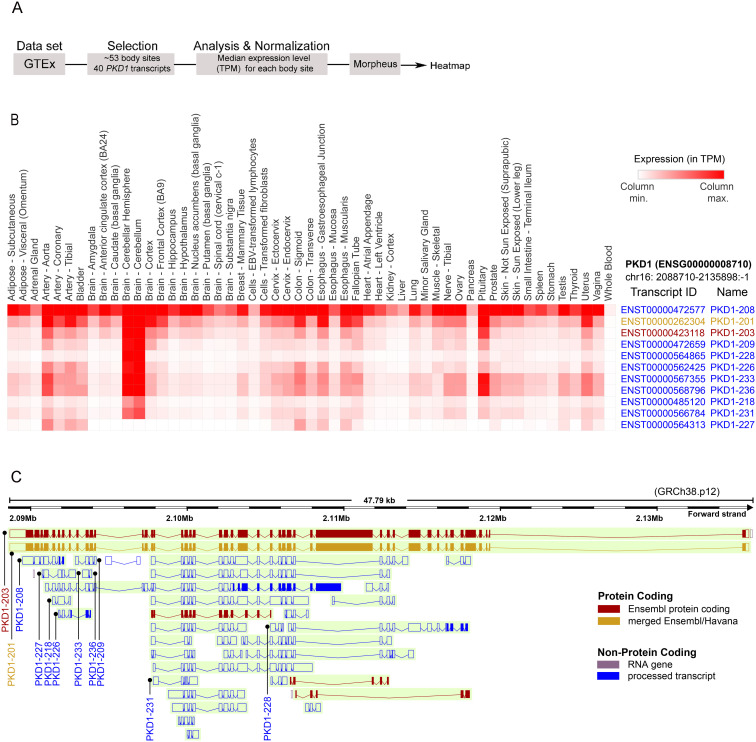 Figure 1
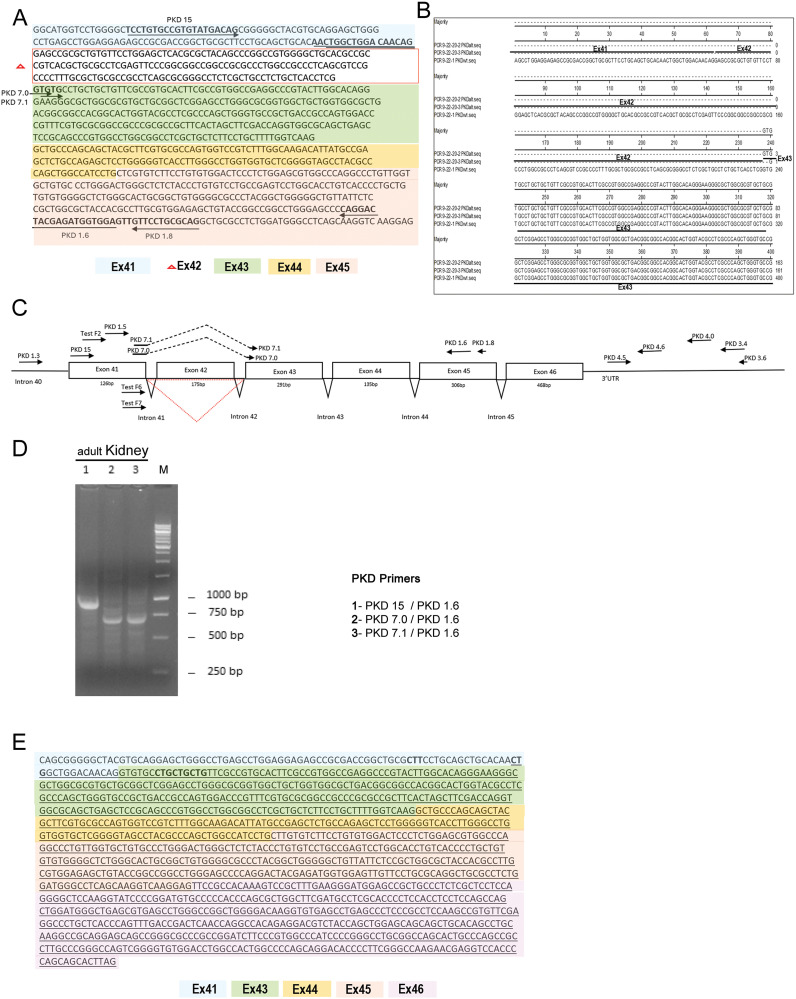 Figure 2
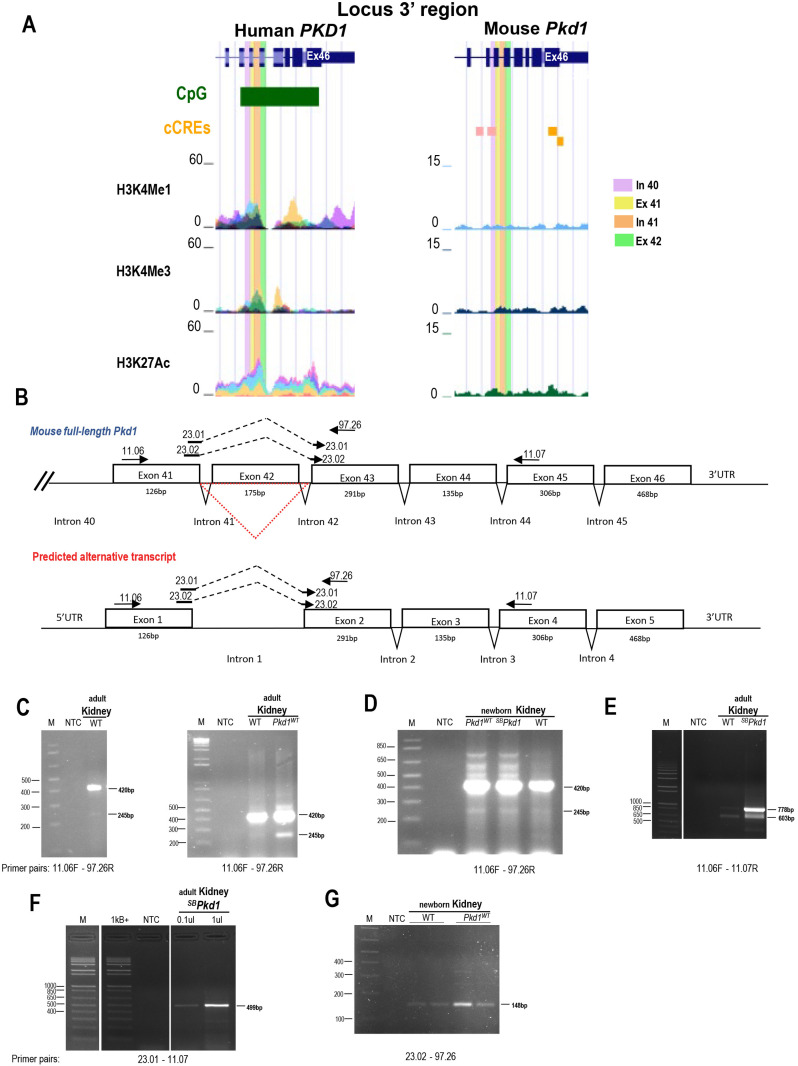 Figure 3
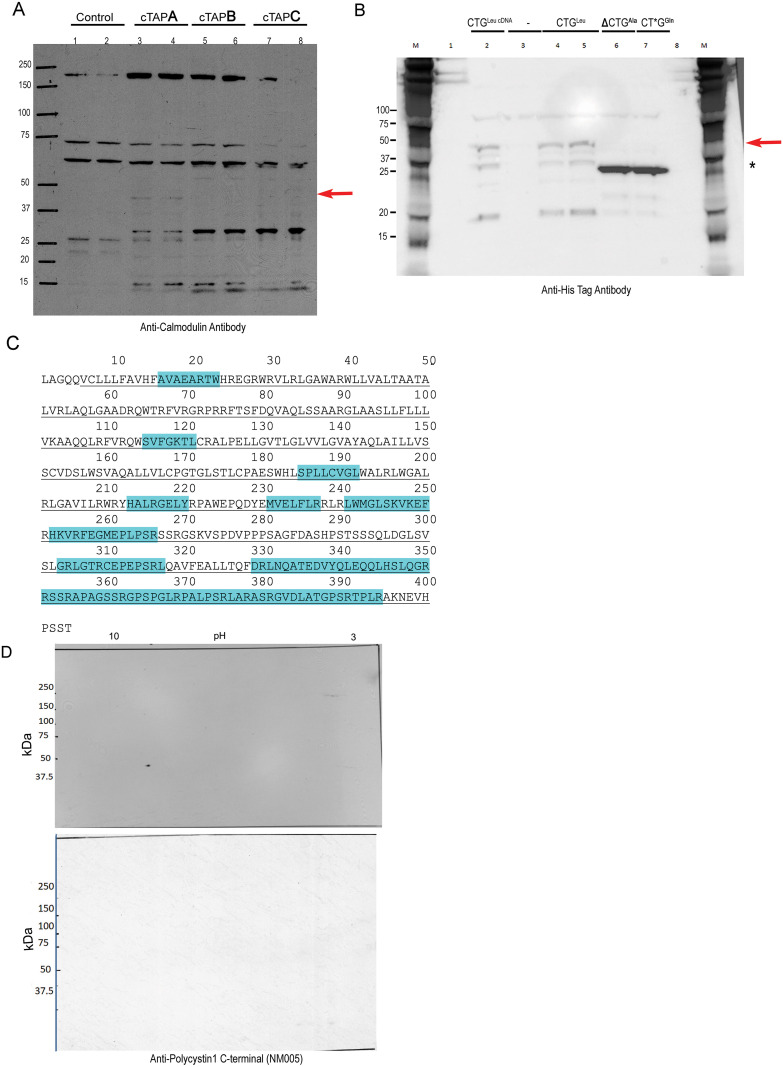 Figure 4
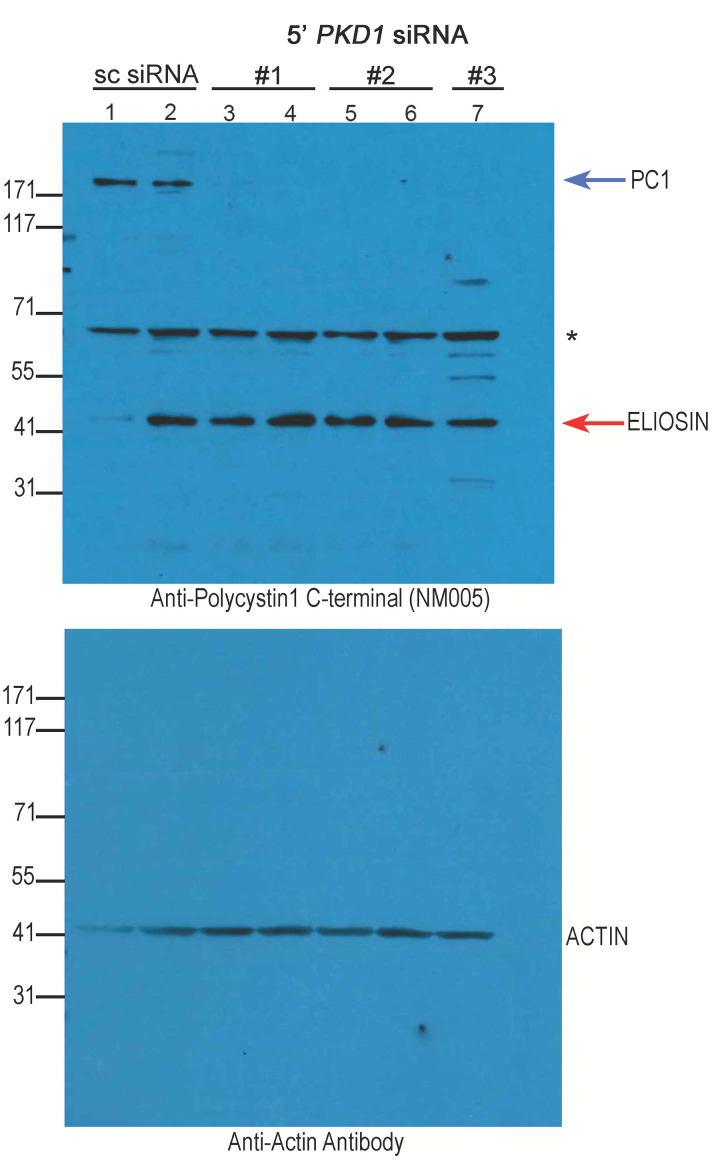 Figure 5
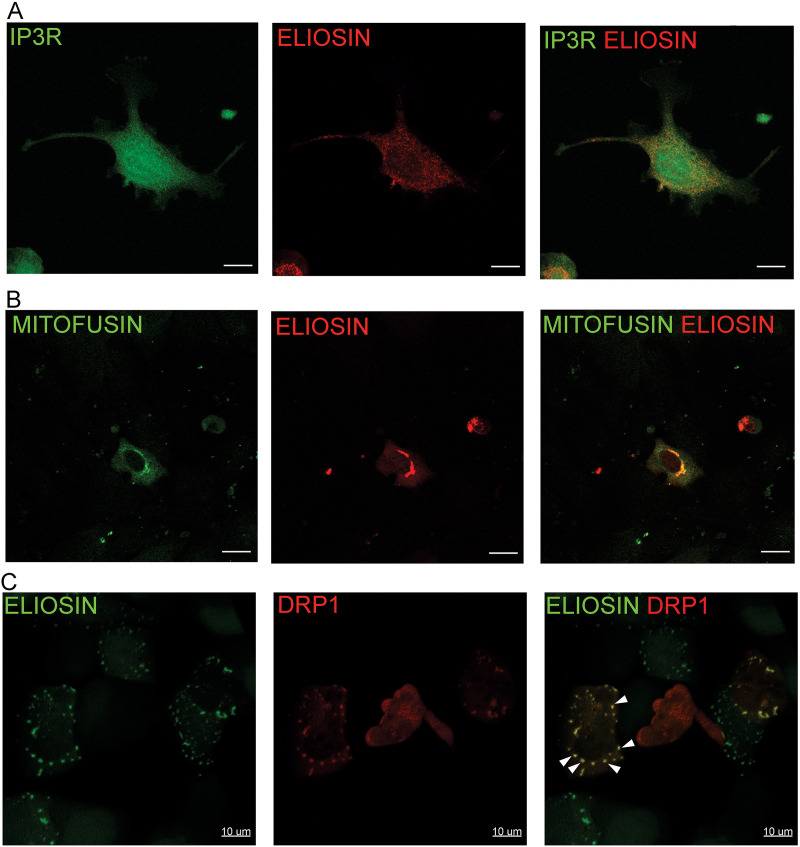 Figure 6
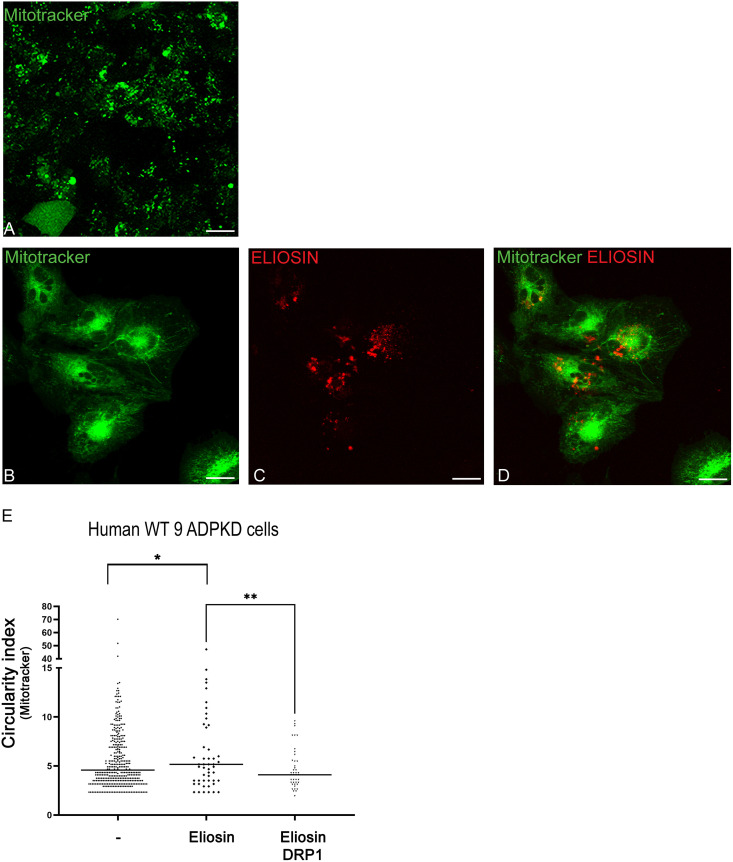 Figure 7
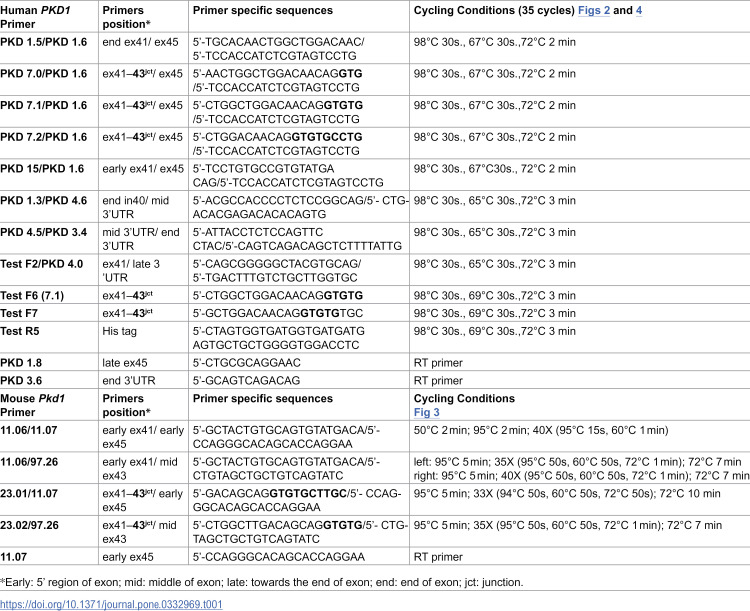 Figure 8
Peer Reviews
No public reviews on file for this paper yet. If you reviewed it on a platform where reviews are public (OpenReview, ICLR, NeurIPS, ICML), you can paste yours below so the community can read it here.
Videos
No videos yet. Explain this paper in a talk, walkthrough, or lecture? Add one.
Taxonomy
TopicsGenetic and Kidney Cyst Diseases · Mitochondrial Function and Pathology · Cerebrospinal fluid and hydrocephalus