Flow state and autonomic response patterns during sensory rejection tasks using the Uchida-Kraepelin Test
Hiroyuki Kuraoka, Mitsuo Hinoue, Chikamune Wada, Shinji Miyake

TL;DR
This study explores how mental tasks affect flow states and autonomic responses, finding that a simple task like the Uchida-Kraepelin test does not induce flow and shows specific physiological patterns.
Contribution
The study links flow states with specific autonomic response patterns and suggests using multiple physiological markers for flow assessment.
Findings
The U-K test failed to induce a flow state due to its low difficulty and monotony.
Participants in a flow state showed decreased heart rate post-task, indicating a Pattern 2 response.
Physiological responses to the task showed increased heart rate, suggesting a Pattern 1 response.
Abstract
This study investigated the relationship between flow state and autonomic nervous system activity indices in 18 healthy male participants using a mental arithmetic task (Uchida-Kraepelin [U-K] test)—known as a sensory rejection task. The experiment consisted of two sets, each comprising a 5-minute rest period, followed by a 15-minute task period with varying task conditions of self-paced, to be performed at own pace, and competitive, as per the instruction “Always do as many calculations as possible, aiming to exceed the preceding performance.” In the subjective assessment, the flow, time perception, subjective mental workload, and feelings of fatigue were evaluated. Autonomic nervous system activity indices were continuously monitored. The results indicate that the U-K test, which is a low-difficulty, monotonous task, failed to induce a flow state. Physiological responses to mental…
Genes, proteins, chemicals, diseases, species, mutations and cell lines named across the full text — each resolved to its canonical identifier and authoritative record.
Click any figure to enlarge with its caption.
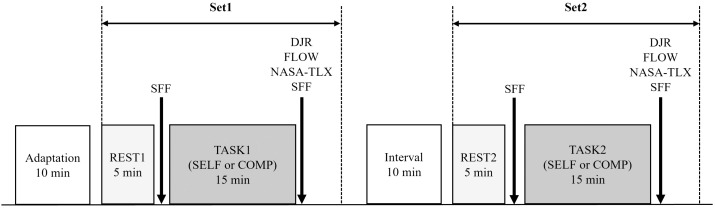 Figure 1
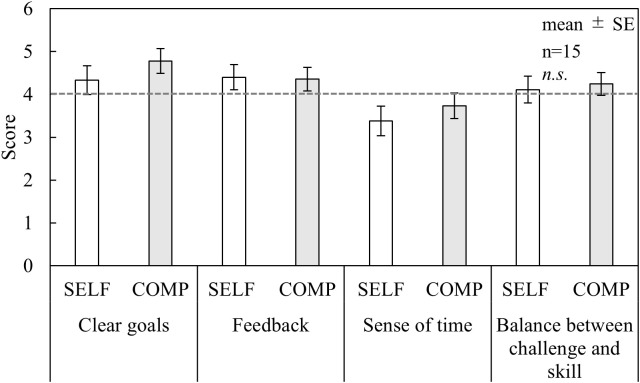 Figure 2
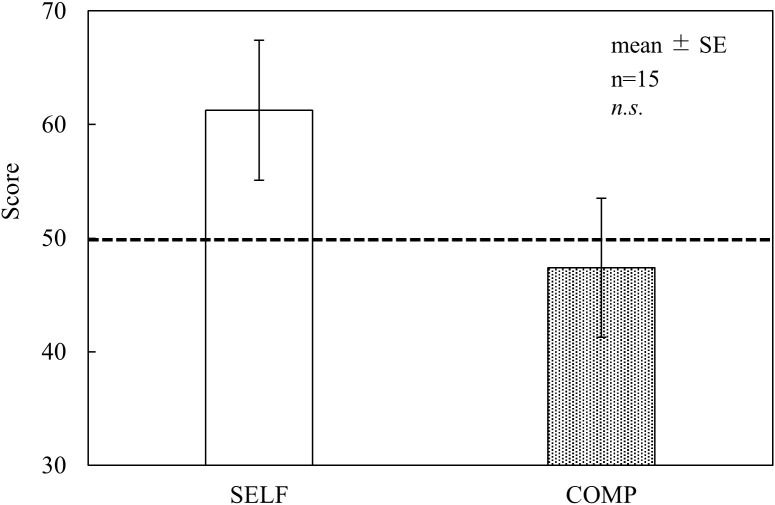 Figure 3
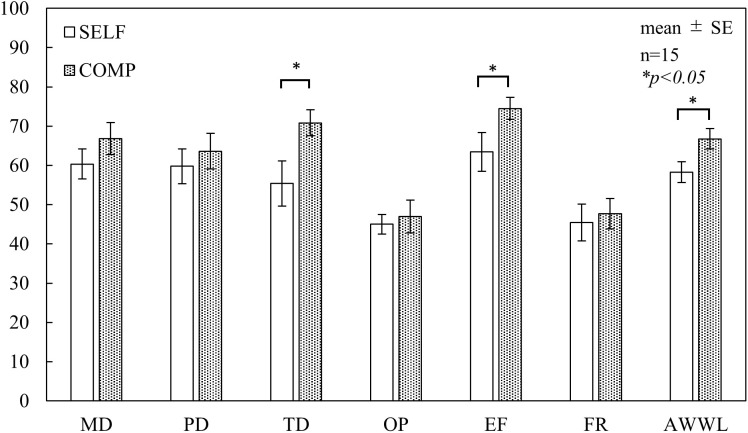 Figure 4
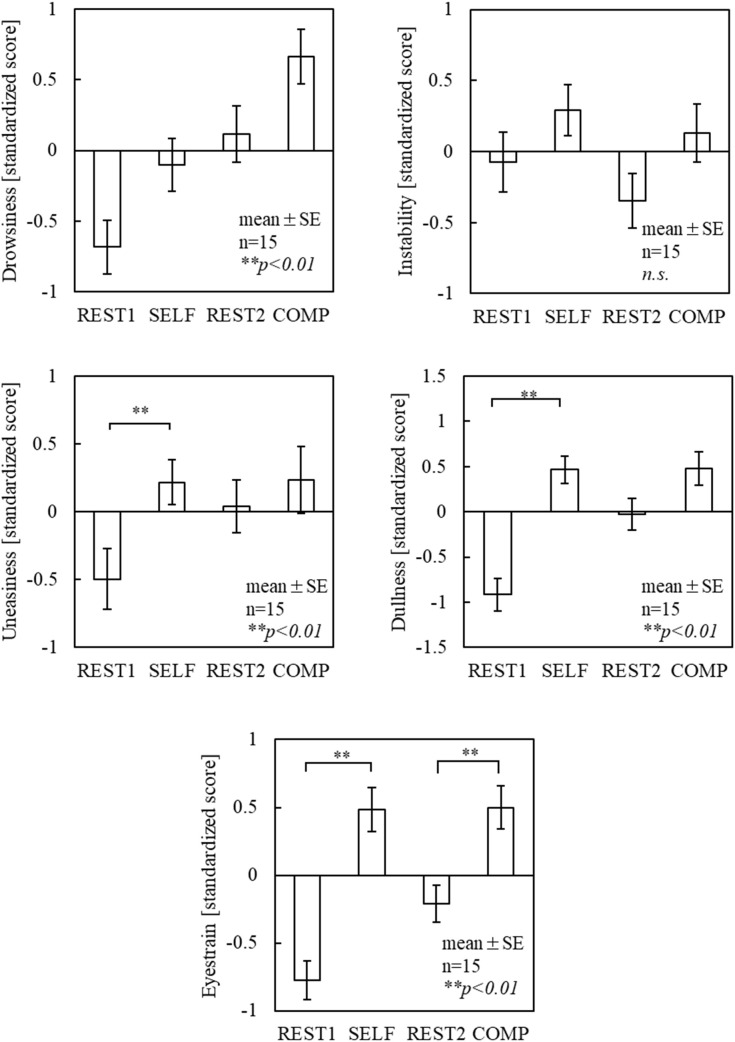 Figure 5
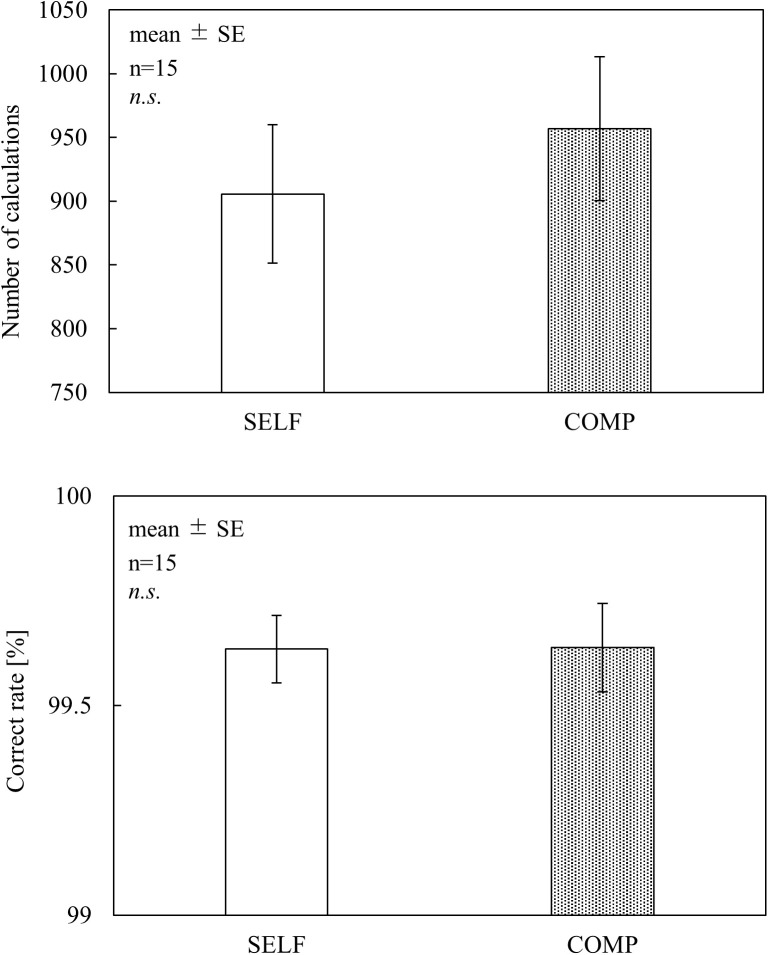 Figure 6
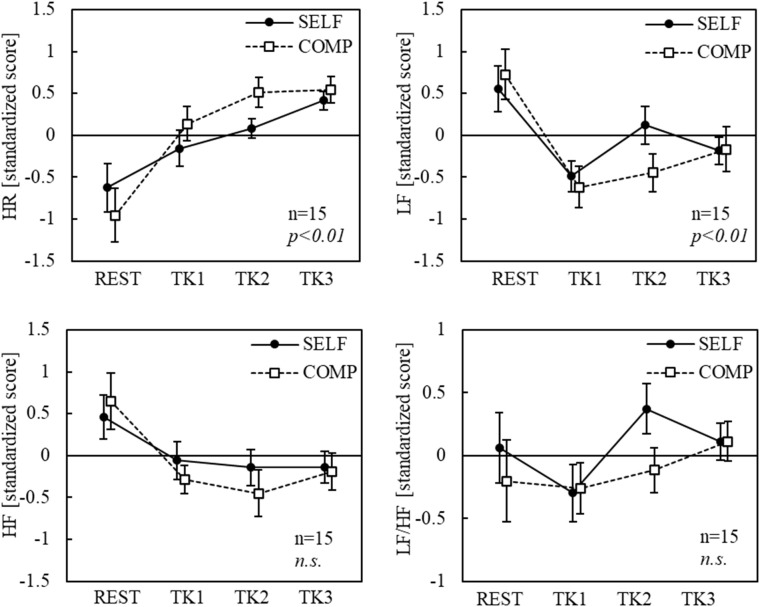 Figure 7
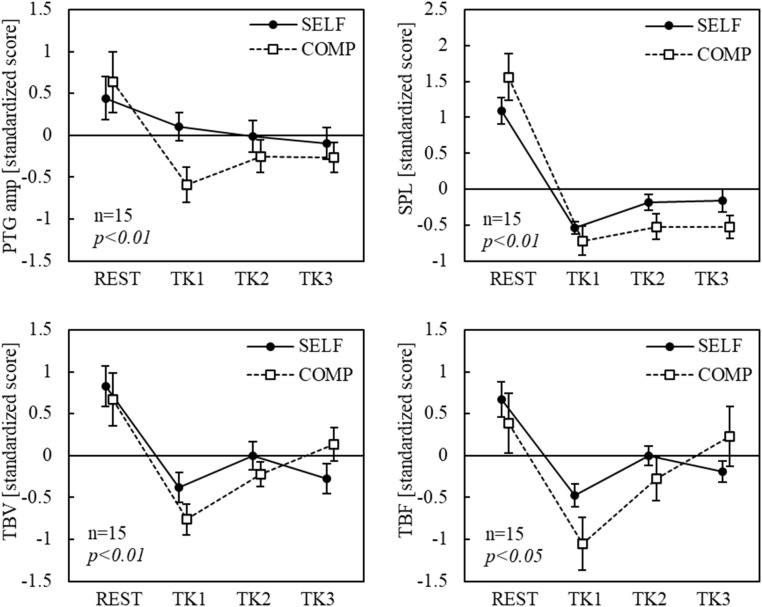 Figure 8
Peer Reviews
No public reviews on file for this paper yet. If you reviewed it on a platform where reviews are public (OpenReview, ICLR, NeurIPS, ICML), you can paste yours below so the community can read it here.
Videos
No videos yet. Explain this paper in a talk, walkthrough, or lecture? Add one.
Taxonomy
TopicsFlow Experience in Various Fields · Heart Rate Variability and Autonomic Control · Mind wandering and attention