Evaluating effectiveness of self-help groups in reduction of stigma in patients with neglected tropical diseases in Southern Nigeria: A cluster randomised study
Chinwe C. Eze, Ngozi Ekeke, Wim van Brakel, Edmund Ndudi Ossai, Precious Henry, Amaka Onyima-Esmai, Charles C. Nwafor, Ngozi Murphy-Okpala, Anthony Meka, Okechukwu Ezeakile, Martin Njoku, Francis S. Iyama, Chukwuma Anyaike, Daniel Egbule, Joseph Chukwu, Daniel Ogbuabor

TL;DR
This study shows that self-help groups significantly reduce stigma for patients with neglected tropical diseases like leprosy and Buruli ulcer in Southern Nigeria.
Contribution
The study is the first to evaluate self-help groups for stigma reduction in both leprosy and Buruli ulcer patients in Nigeria using a cluster randomized trial.
Findings
Self-help groups significantly reduced stigma scores by 37.72 points compared to the control group.
Baseline stigma scores were higher in the intervention group, but post-intervention scores showed significant improvement.
Peer-support and psychosocial support through SHGs are effective in reducing stigma for NTD patients.
Abstract
Neglected tropical diseases (NTDs), notably leprosy and Buruli ulcer (BU), often lead to visible impairments and disabilities. Consequently, individuals affected by these conditions face stigmatization, discrimination, and mental health disorders. Stigma is particularly prevalent in leprosy, affecting self-esteem, social participation, self-efficacy, and overall quality of life. Various interventions have been developed to mitigate leprosy-related stigma, including individual and group counseling, peer support, economic empowerment initiatives, and establishment of self-help groups. However, rigorous evaluation of the various interventions through randomized controlled trials is lacking, especially within the Nigerian context, and none has included persons affected by BU. To address this gap, effectiveness of combined leprosy and BU self-help groups (SHGs) on stigma reduction was…
Genes, proteins, chemicals, diseases, species, mutations and cell lines named across the full text — each resolved to its canonical identifier and authoritative record.
Click any figure to enlarge with its caption.
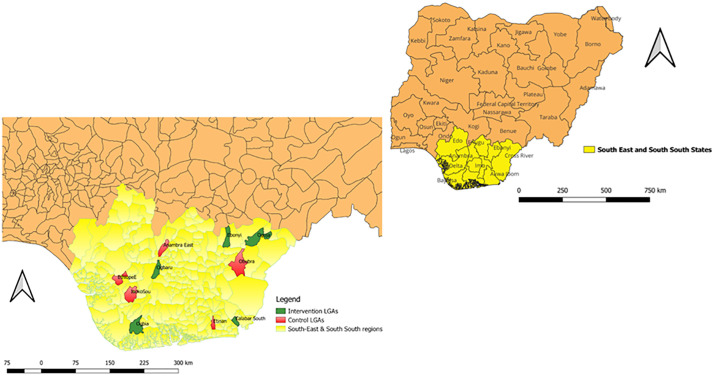 Figure 1
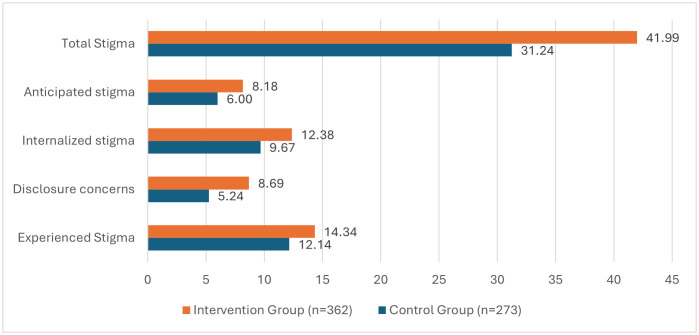 Figure 2
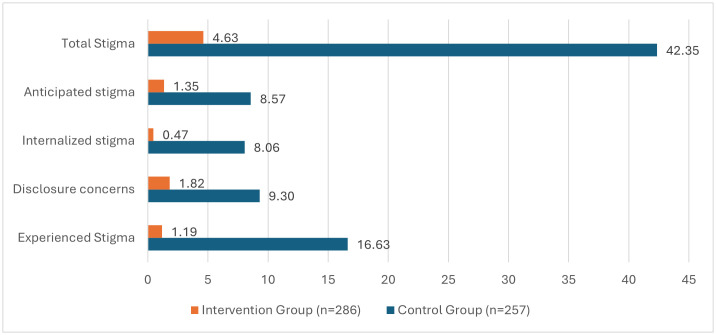 Figure 3
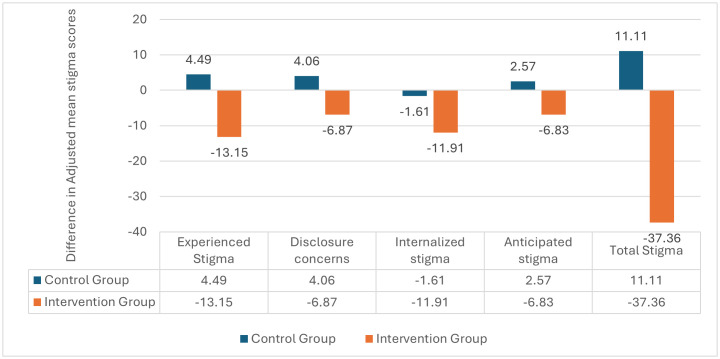 Figure 4
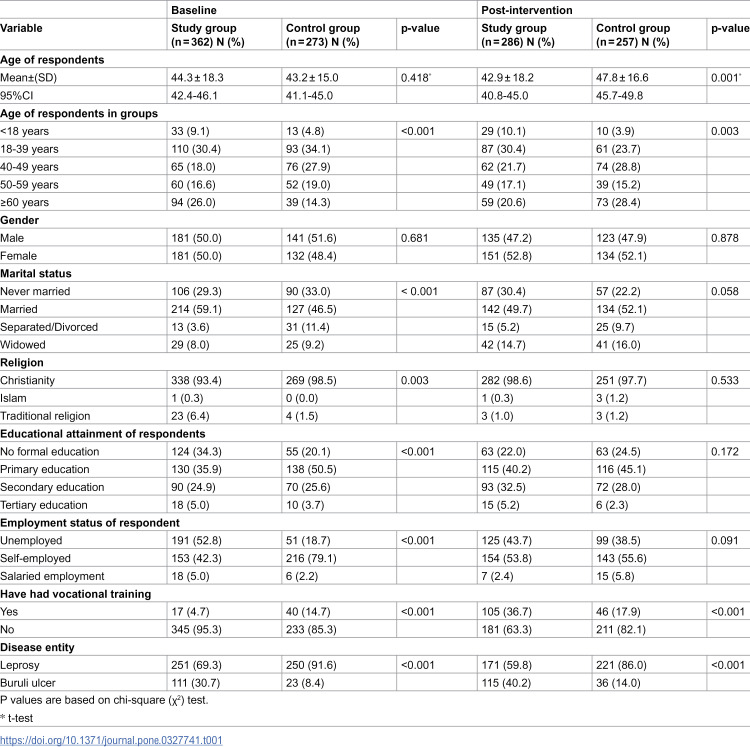 Figure 5
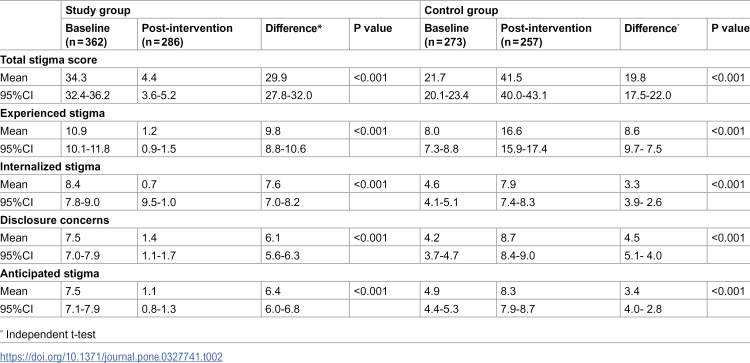 Figure 6
Peer Reviews
No public reviews on file for this paper yet. If you reviewed it on a platform where reviews are public (OpenReview, ICLR, NeurIPS, ICML), you can paste yours below so the community can read it here.
Videos
No videos yet. Explain this paper in a talk, walkthrough, or lecture? Add one.
Taxonomy
TopicsLeprosy Research and Treatment · Parasites and Host Interactions · Dermatological diseases and infestations