Understanding the effects of real-time head position feedback on postural sway in terms of changes in underlying deterministic and stochastic dynamical processes
Steven J. Harrison, Benjamin De Bari, Ryan Poutre, Jeffrey M. Kinsella-Shaw, Dimitris Voudouris, Dimitris Voudouris, Dimitris Voudouris, Dimitris Voudouris

TL;DR
Real-time head position feedback can improve posture stability but also increases noise in the control system.
Contribution
A novel real-time head position feedback system is shown to enhance postural control while introducing increased noise.
Findings
Participants showed over 40% reduction in head sway fluctuations with feedback.
Feedback increased attractor strength (λ) but also increased noise (Q).
Higher feedback resolution led to linear increases in attractor strength and non-linear increases in noise.
Abstract
Our perceptual systems detect information about how our body is moving relative to the surrounding environment. Such information is essential to our ability to maintain upright standing balance. Real-time postural feedback systems are technologies that appear to enhance our ability to detect information about the movements of our body, and as a consequence improve our capacity to control the posture of our body. Here we examine a system in which real-time measurements of head position were “felt” as changes in the intensity of vibration of tactors in a headband. Using this system, participants were able to stabilize their body posture, showing a reduction in the magnitude of head sway fluctuations of more than 40% under single and dual tasking conditions. To examine this effect, we used a dynamical model that assumes that observed magnitudes of postural fluctuations reflect combined…
Genes, proteins, chemicals, diseases, species, mutations and cell lines named across the full text — each resolved to its canonical identifier and authoritative record.
Click any figure to enlarge with its caption.
 Figure 1
 Figure 2
 Figure 3
 Figure 4
 Figure 5
 Figure 6
 Figure 7
 Figure 8
 Figure 9
 Figure 10
 Figure 11
 Figure 12
 Figure 13
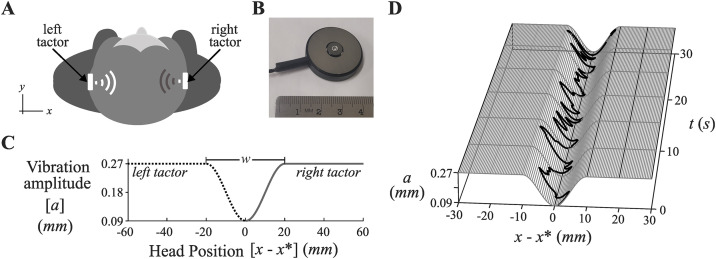 Figure 14
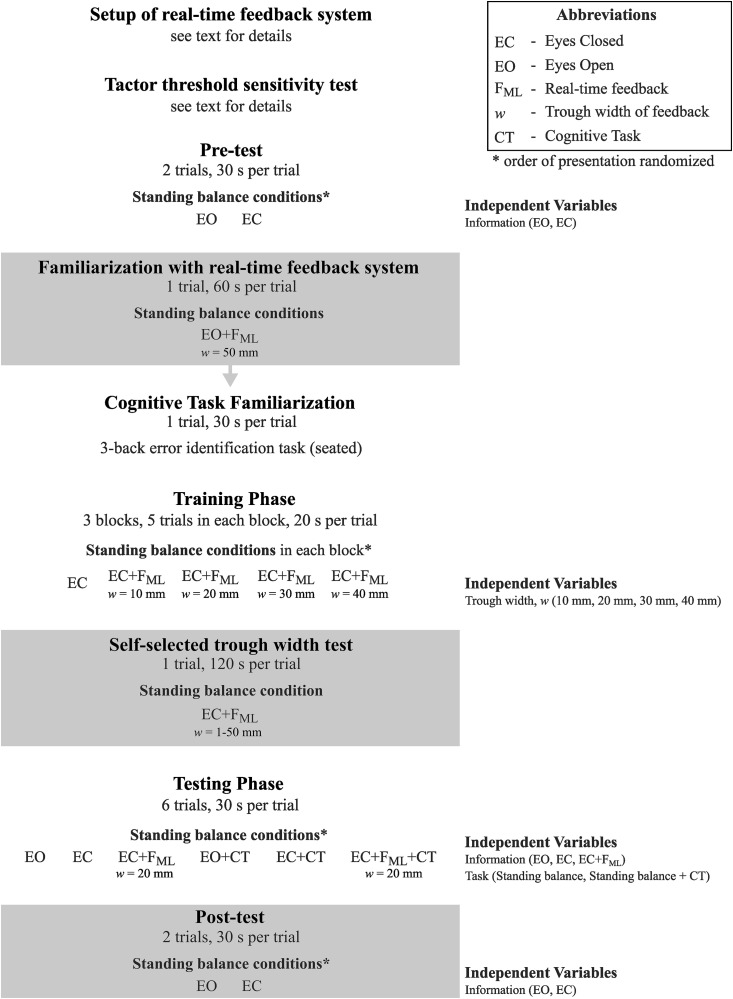 Figure 15
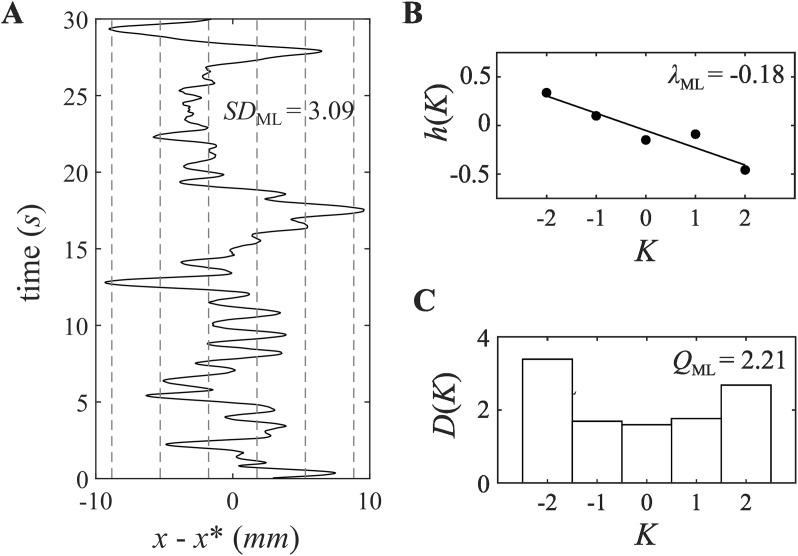 Figure 16
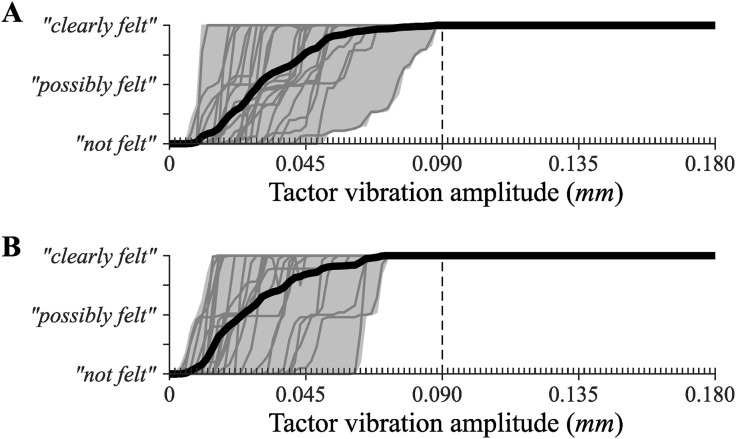 Figure 17
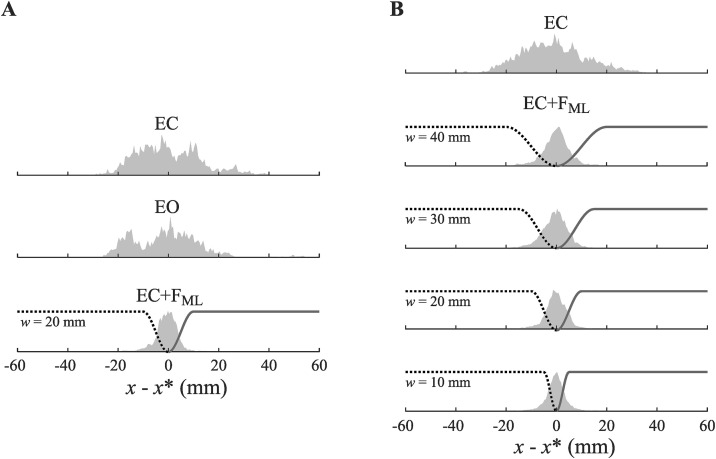 Figure 18
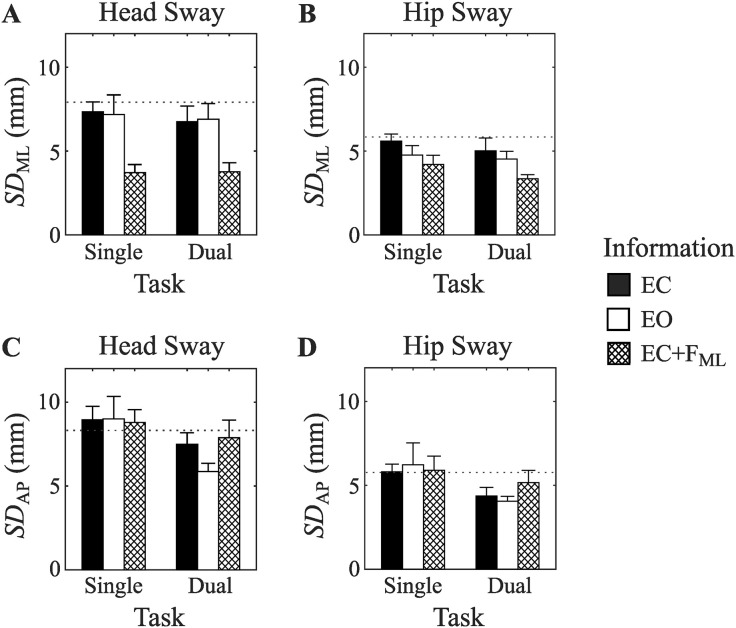 Figure 19
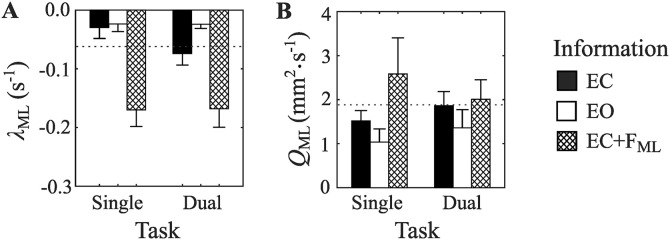 Figure 20
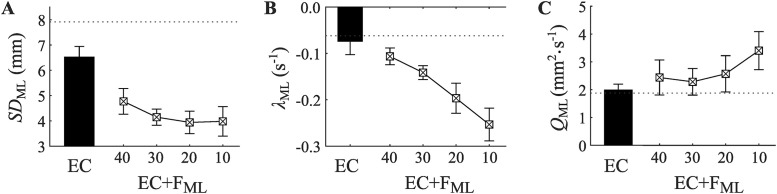 Figure 21
Peer Reviews
No public reviews on file for this paper yet. If you reviewed it on a platform where reviews are public (OpenReview, ICLR, NeurIPS, ICML), you can paste yours below so the community can read it here.
Videos
No videos yet. Explain this paper in a talk, walkthrough, or lecture? Add one.
Taxonomy
TopicsBalance, Gait, and Falls Prevention · Motor Control and Adaptation · Vestibular and auditory disorders