Geographical distribution of Burkholderia pseudomallei in Taiwanese croplands and the influence of bacterial community interactions on its incubation viability
Kuang-Ying Chen, Kuang-Yueh Chen, Hsin-Ping Hu, Ching-Hao Teng, Hsi-Hsun Lin, Tzu-Hang Chen, Yao-Shen Chen, Bing-Mu Hsu, Hau-Ren Chen

TL;DR
The study maps the distribution of a deadly soil bacterium in Taiwan and shows how other bacteria may suppress its survival.
Contribution
The study reveals regional and vertical patterns of B. pseudomallei DNA in croplands and identifies bacterial interactions affecting its viability.
Findings
Southern Taiwan has the highest B. pseudomallei DNA detection rates and melioidosis incidence.
B. pseudomallei DNA is more abundant in deeper soil layers but increases at the surface after rain.
B. multivorans strongly inhibits B. pseudomallei growth through secreted compounds.
Abstract
Burkholderia pseudomallei is a soil-borne pathogen responsible for melioidosis, a potentially fatal disease. While endemic melioidosis in Taiwan is marked by both clinical cases and environmental detection, a comprehensive environmental survey has been lacking. A nationwide cropland survey using B. pseudomallei-specific orf2-PCR revealed regional positivity rates of 2.1% in northern, 8.2% in central, 15.1% in southern, and 9.8% in eastern Taiwan, with the highest PCR positivity and cumulative melioidosis incidence (12.14 cases per 100,000 people from 2003 to 2024) observed in the south. Vertical profiling showed a higher DNA detection rate at a depth of 60 cm, with increased surface-level detection during rainy periods and a decline after sunny conditions, particularly in the southern area. Identical molecular sequence types across layers suggested upward movement from deeper soil.…
Genes, proteins, chemicals, diseases, species, mutations and cell lines named across the full text — each resolved to its canonical identifier and authoritative record.
Click any figure to enlarge with its caption.
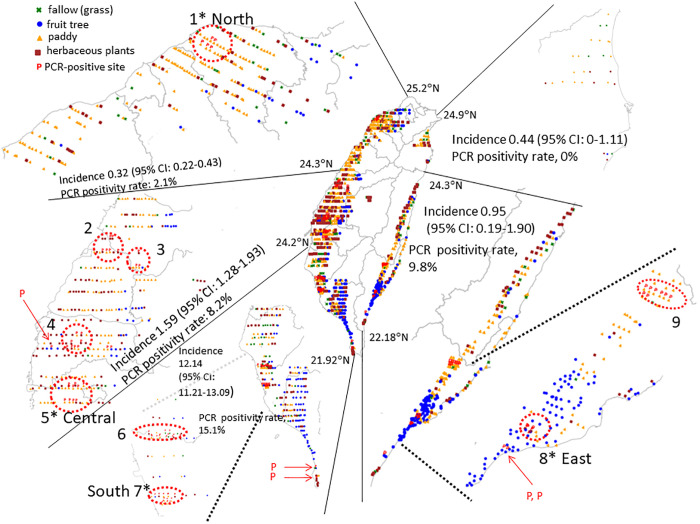 Figure 1
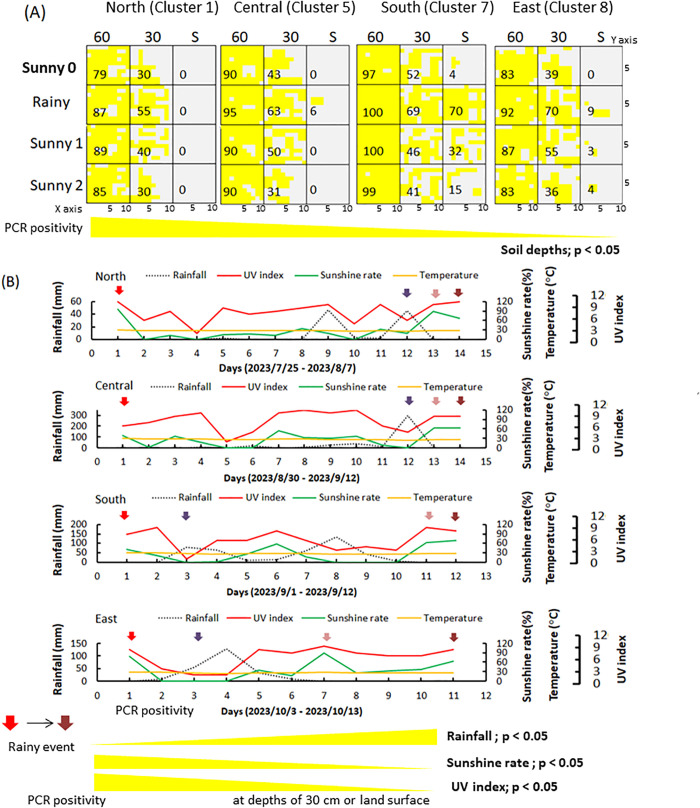 Figure 2
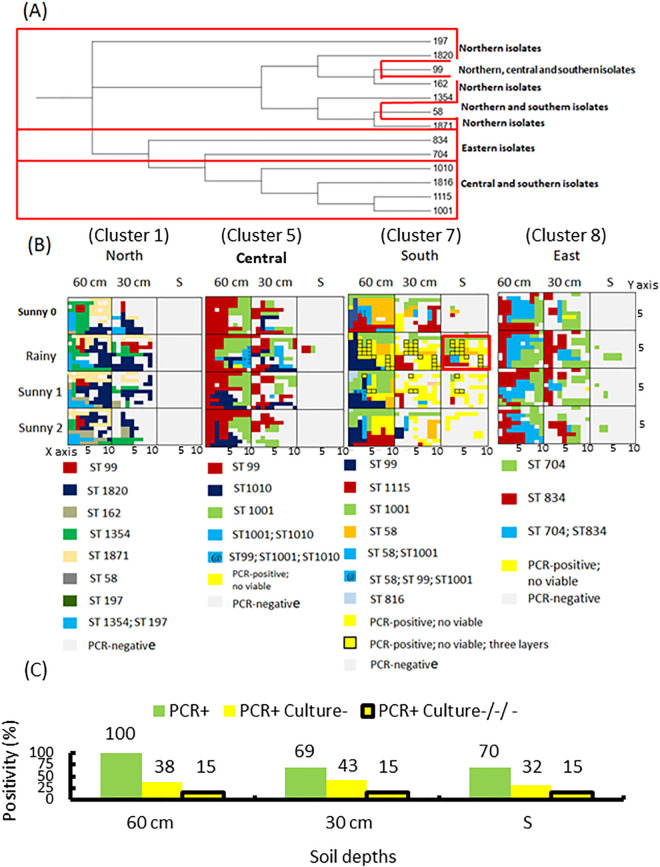 Figure 3
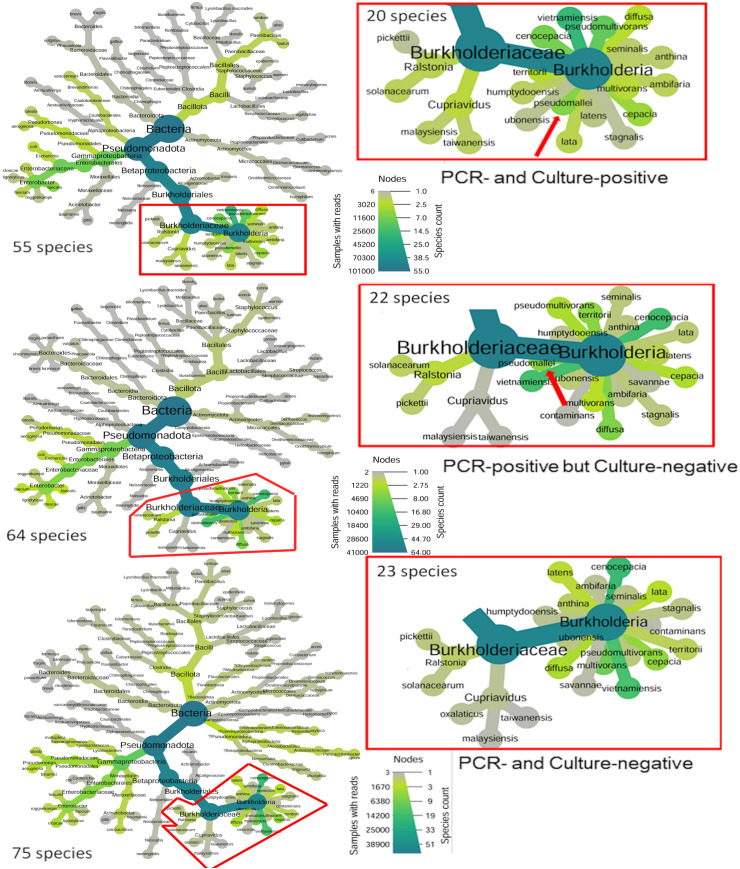 Figure 4
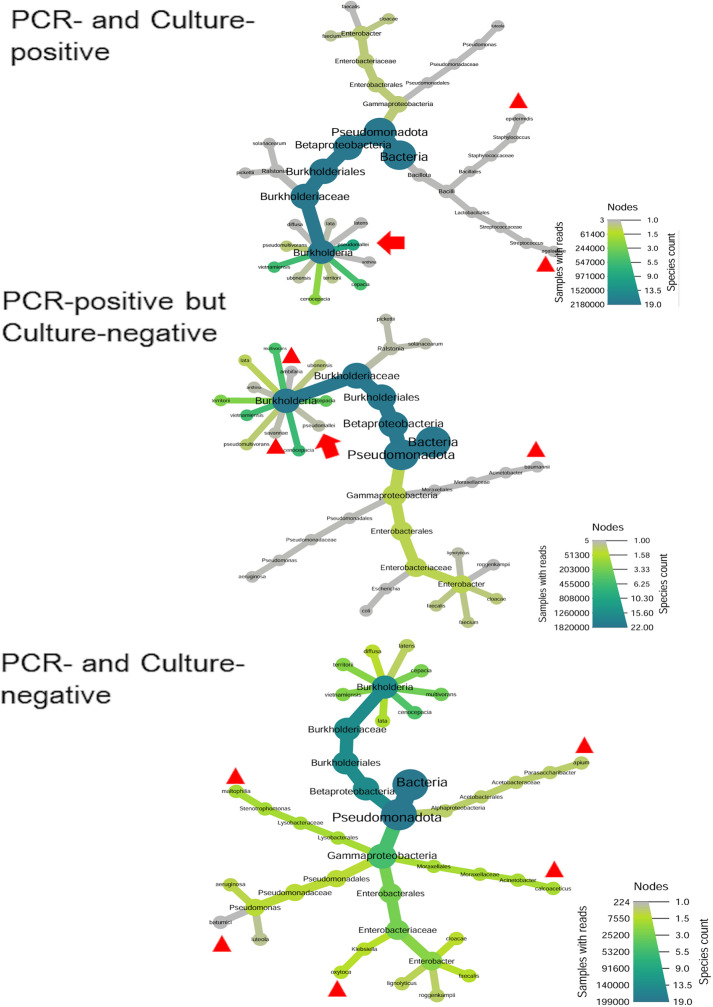 Figure 5
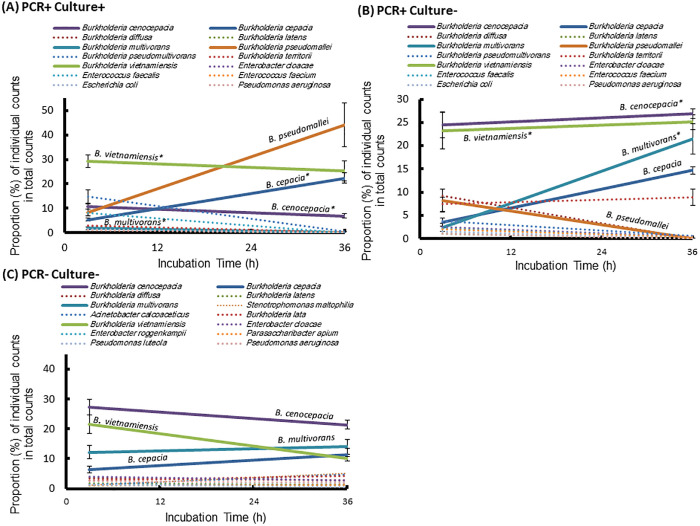 Figure 6
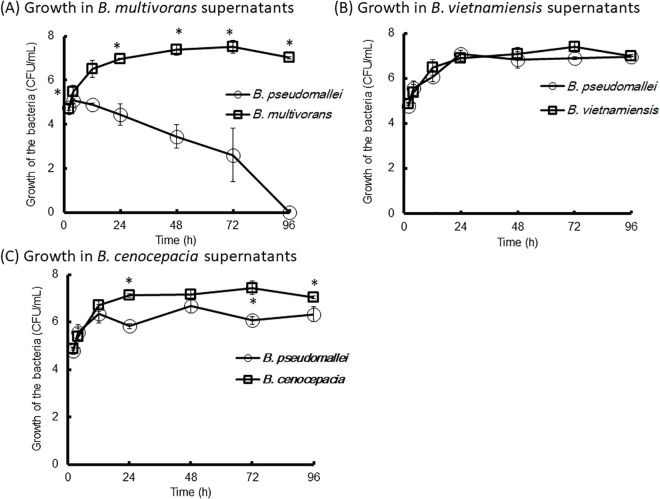 Figure 7
Peer Reviews
No public reviews on file for this paper yet. If you reviewed it on a platform where reviews are public (OpenReview, ICLR, NeurIPS, ICML), you can paste yours below so the community can read it here.
Videos
No videos yet. Explain this paper in a talk, walkthrough, or lecture? Add one.
Taxonomy
TopicsBurkholderia infections and melioidosis · Chemical Looping and Thermochemical Processes