Headwaters to valley: Water quality in rivers transitioning from forest to agricultural bottomland
Doug Graber Neufeld, Isaac Alderfer, Zachary Bauman, Micah Buckwalter, Gurpal S. Toor, Gurpal S. Toor, Gurpal S. Toor

TL;DR
This study examines how water quality changes as rivers flow from forested to agricultural areas, showing that forest cover helps maintain better water quality but its effect diminishes with less forest.
Contribution
The study quantifies the distance over which forested watersheds buffer agricultural impacts and identifies thresholds of forest cover for water quality maintenance.
Findings
Water quality parameters like nitrogen and conductivity were consistently better in forested regions.
Forested watersheds maintained higher water quality for about 8 km into agricultural areas.
Water quality degradation in agricultural regions was less pronounced during high flow periods if forest cover was less than 80%.
Abstract
Many waterways flow out of forestlands, which tend to maintain higher water quality, into agricultural lands, which tend to degrade water quality. The roles of land cover in impacting key water quality parameters (phosphorus, nitrogen, total suspended solids, bacteria, and conductivity) were investigated for the watershed of the North and South Fork of the Shenandoah River, Virginia. This area has a particularly sharp boundary between heavily forested and heavily agricultural regions. Two datasets were analyzed: 1) a large number of datapoints spanning a 20-year range in the Water Quality Portal (WQP) database, and 2) transects along three representative rivers systems over the span of a 4-year period. All parameters trended better in forested regions than agricultural regions. This was particularly true for nitrogen and conductivity; phosphorus, TSS and bacteria showed more local…
Genes, proteins, chemicals, diseases, species, mutations and cell lines named across the full text — each resolved to its canonical identifier and authoritative record.
Click any figure to enlarge with its caption.
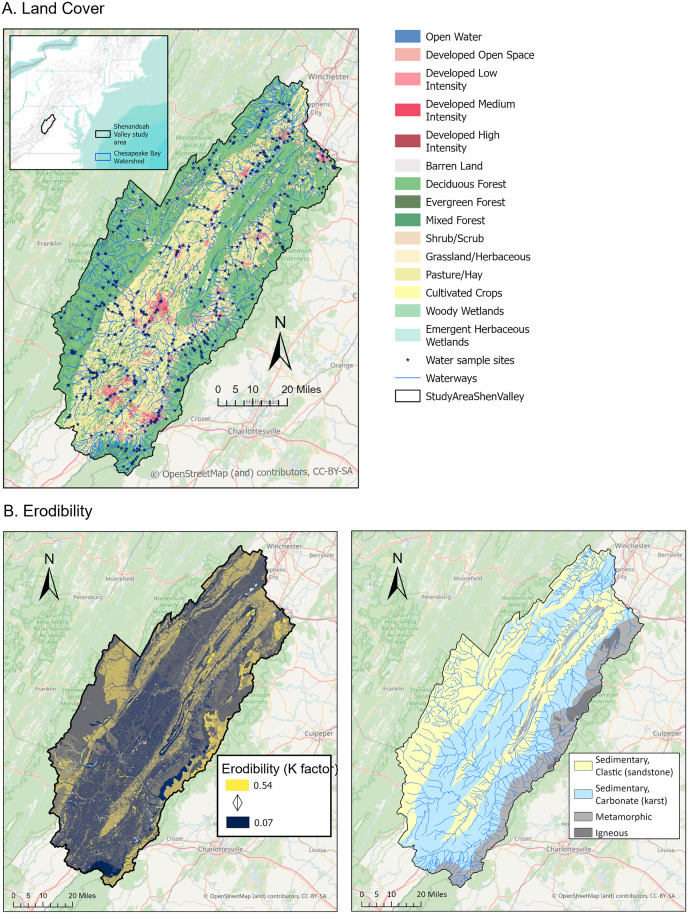 Figure 1
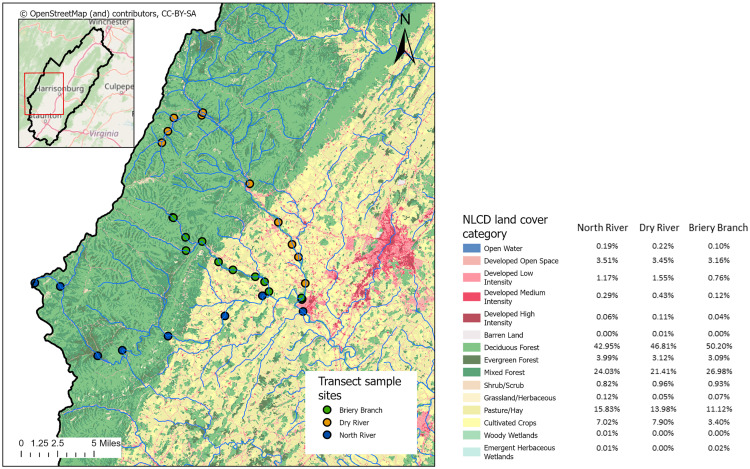 Figure 2
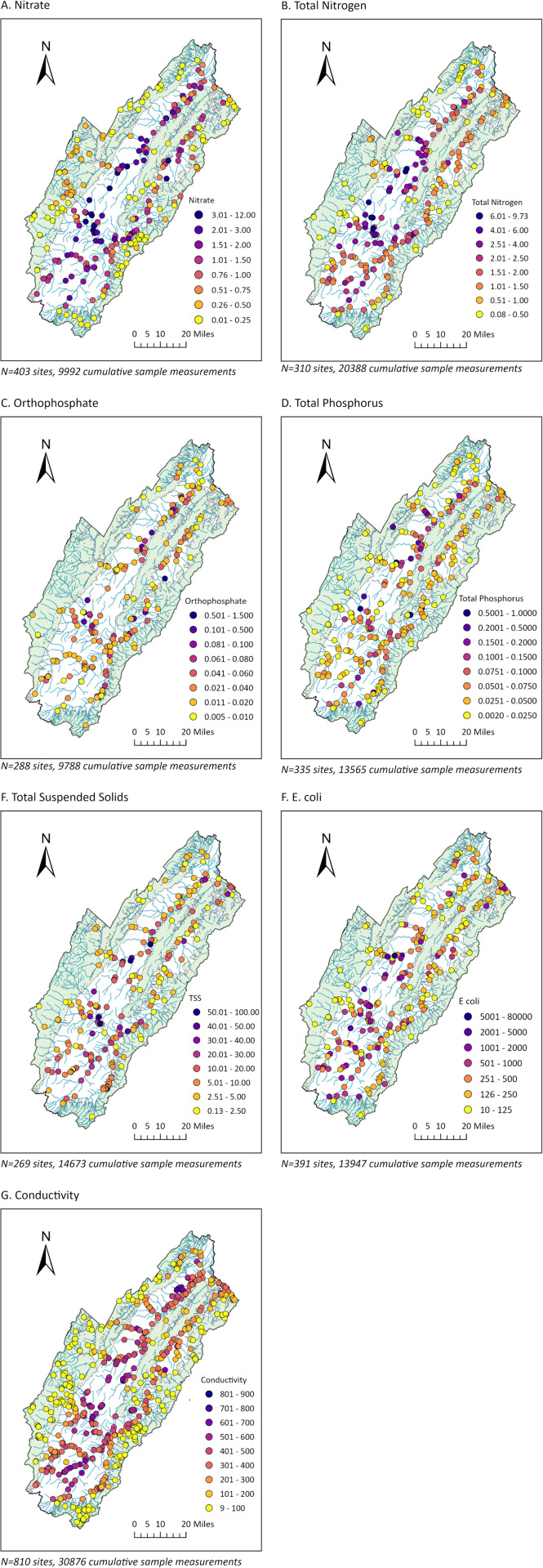 Figure 3
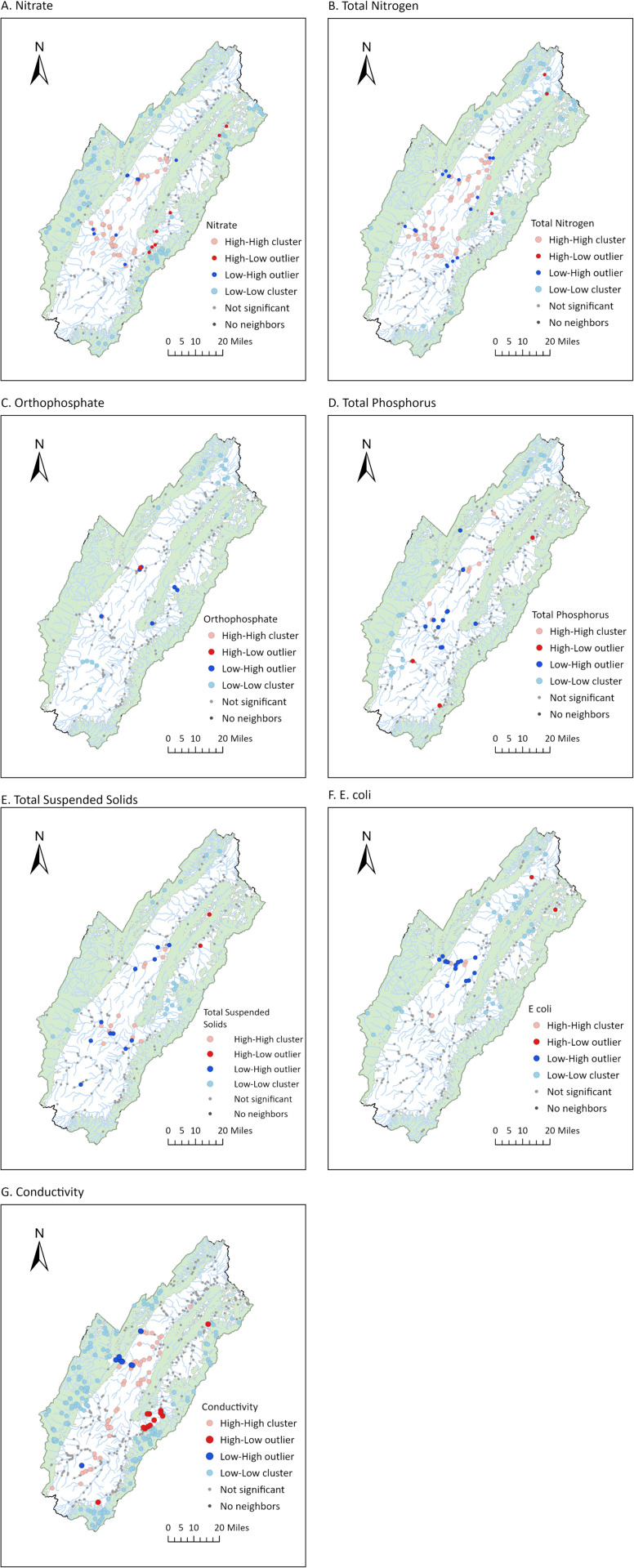 Figure 4
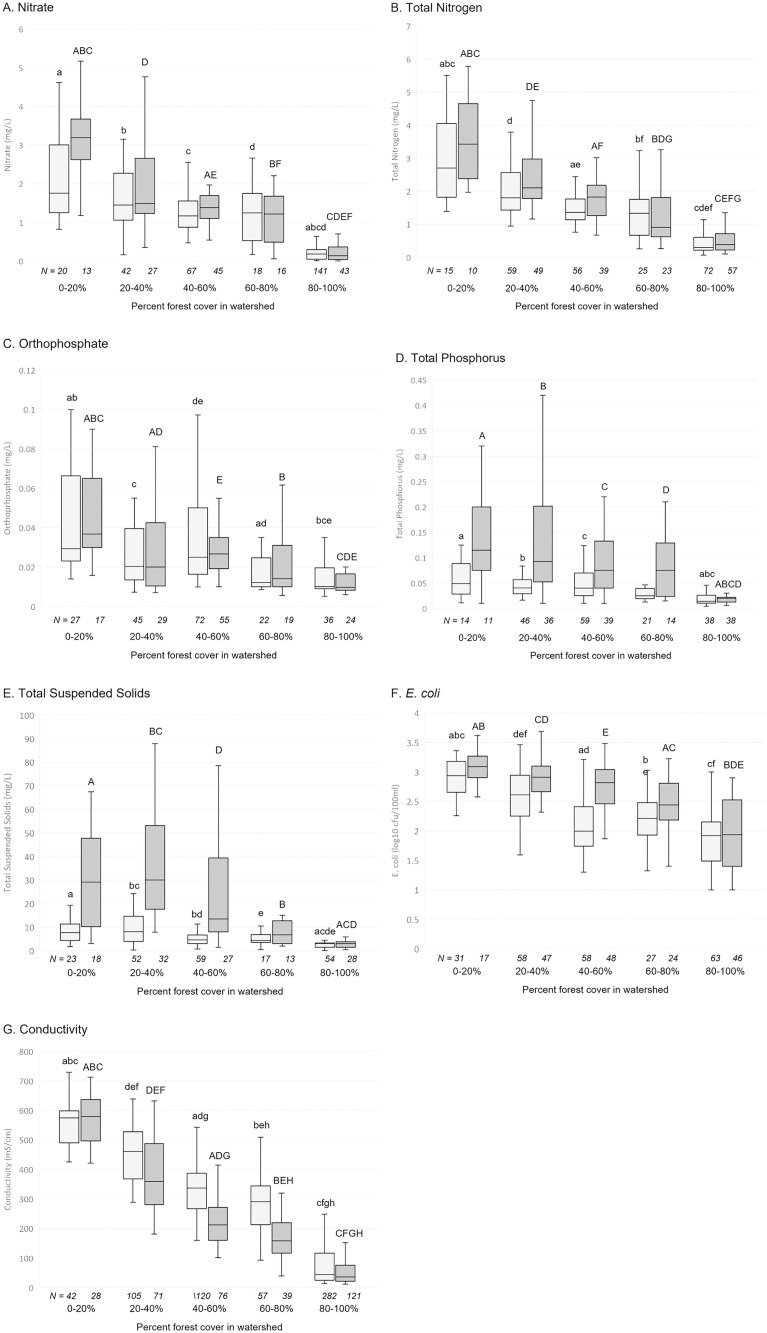 Figure 5
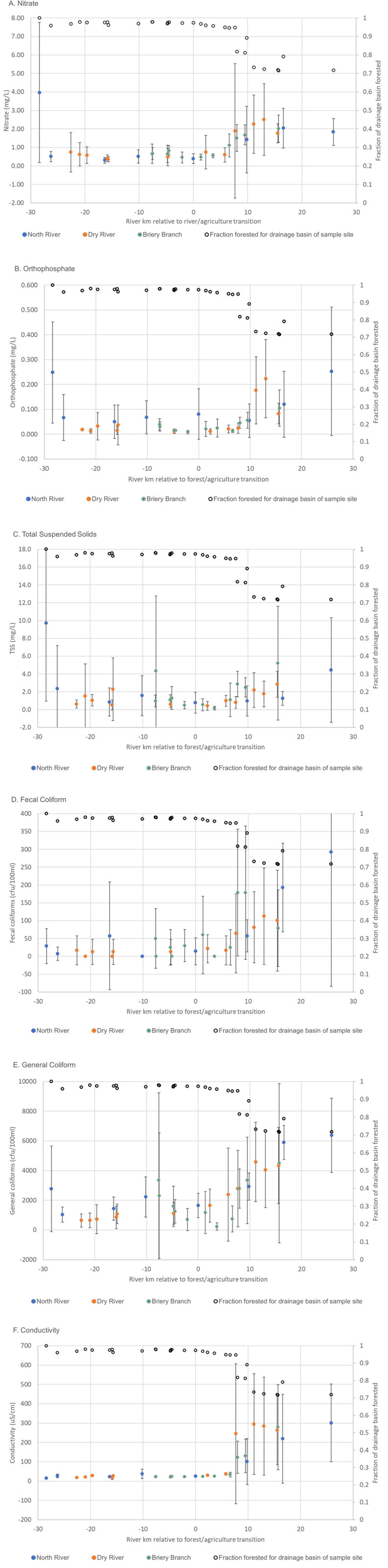 Figure 6
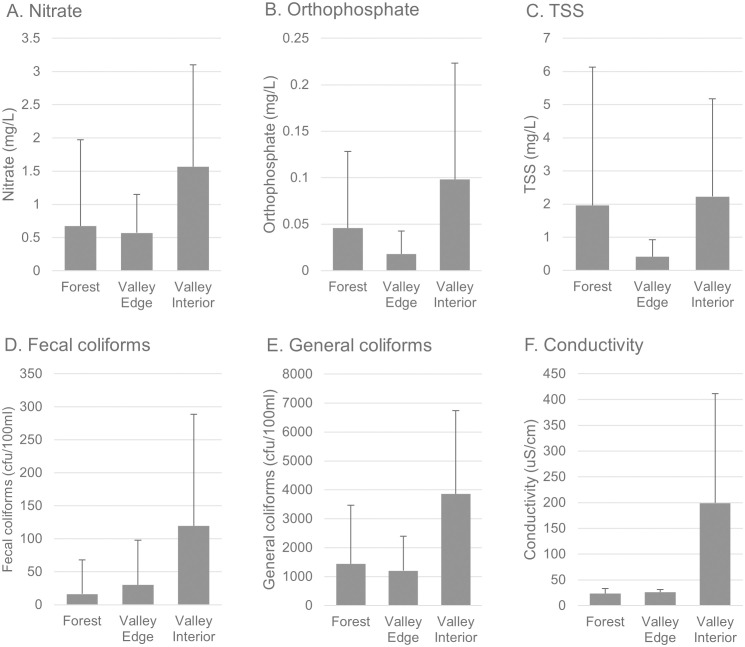 Figure 7
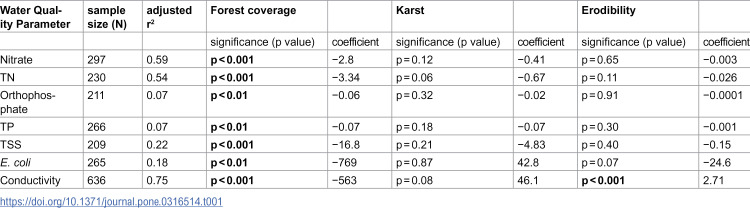 Figure 8
Peer Reviews
No public reviews on file for this paper yet. If you reviewed it on a platform where reviews are public (OpenReview, ICLR, NeurIPS, ICML), you can paste yours below so the community can read it here.
Videos
No videos yet. Explain this paper in a talk, walkthrough, or lecture? Add one.
Taxonomy
TopicsSoil and Water Nutrient Dynamics · Freshwater macroinvertebrate diversity and ecology · Hydrology and Watershed Management Studies