Identification of natural Zika virus peptides presented on the surface of paediatric brain tumour cells by HLA class I
Matt Sherwood, Ben Nicholas, Alistair Bailey, Thiago Giove Mitsugi, Carolini Kaid, Oswaldo K. Okamoto, Paul Skipp, Rob M. Ewing, José Ramos-Castañeda, José Ramos-Castañeda, José Ramos-Castañeda

TL;DR
This study identifies Zika virus peptides presented on brain tumor cells, offering new insights for immunotherapy against brain cancer.
Contribution
First description of HLA class I presentation of ZIKV peptides on brain tumor cells, revealing potential immunotherapy targets.
Findings
ZIKV peptides are presented via HLA-I in infected brain tumor cells, with NS3 being a rich source.
HLA-A*02:01 is a common allotype in the model used, and most ZIKV peptides strongly bind to it.
Identified ZIKV peptides do not mimic human peptides, making them safe immunotherapy targets.
Abstract
Despite decades of research, survival from brain cancer has scarcely improved and is drastically lower than that of other cancers. Novel therapies, such as immunotherapy, hold great promise for treating brain tumours and are desperately needed. Zika virus (ZIKV) infects and kills aggressive cancer cells with stem-like properties (CSCs) from both paediatric and adult brain tumours. Whilst T cell recruitment into ZIKV-infected brain tumours is becoming well documented, the specific mechanisms through which they are activated are poorly understood. We address this by employing a combined global proteome and immunopeptidome mass spectrometry approach to describe, for the first time, human leukocyte antigen (HLA) presentation of ZIKV peptides on the surface of infected brain tumour cells. We first show that antigen processing and presentation by HLA class I (HLA-I) is the top enriched immune…
Genes, proteins, chemicals, diseases, species, mutations and cell lines named across the full text — each resolved to its canonical identifier and authoritative record.
Click any figure to enlarge with its caption.
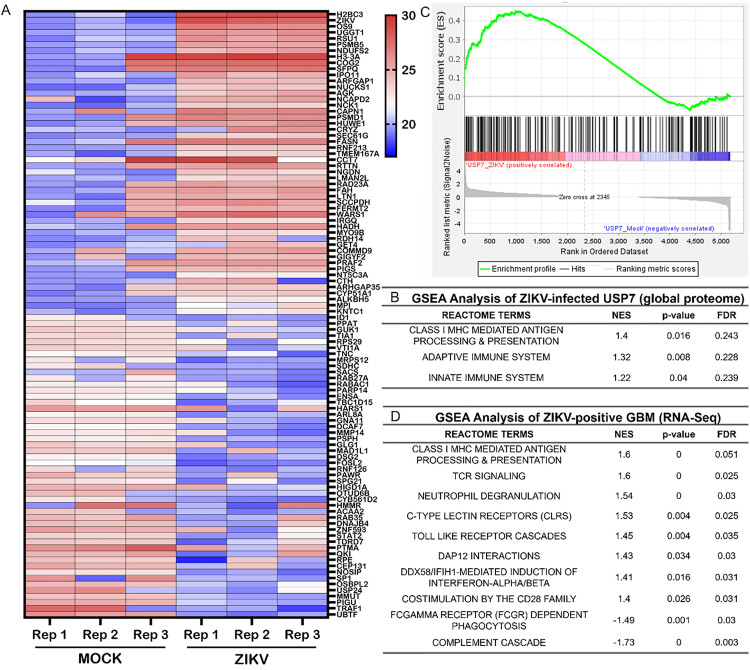 Figure 1
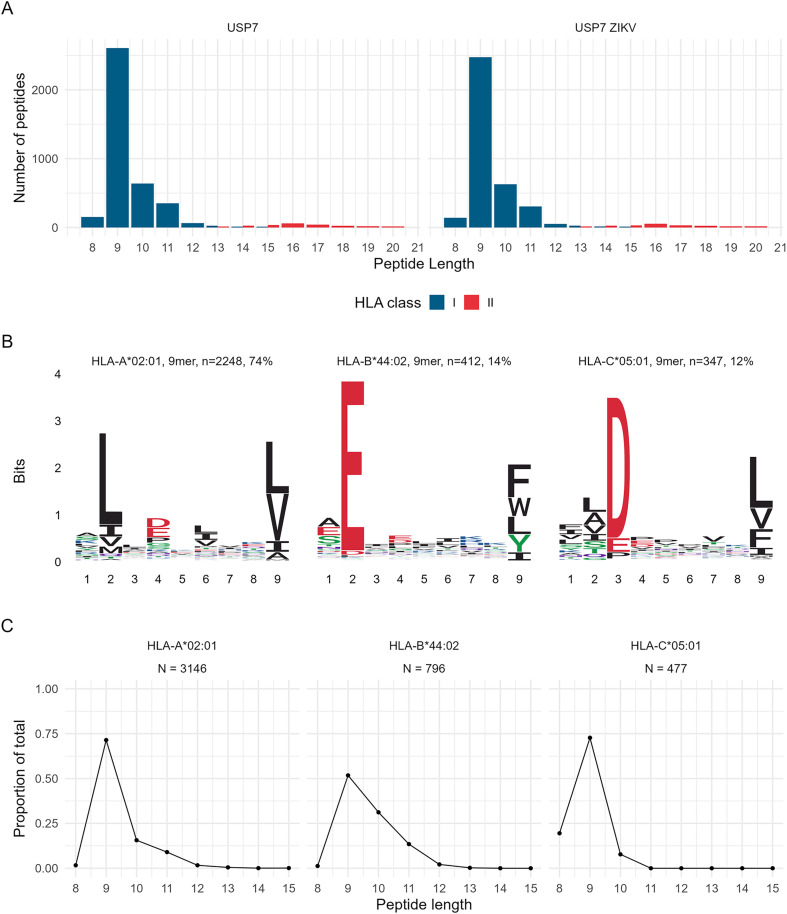 Figure 2
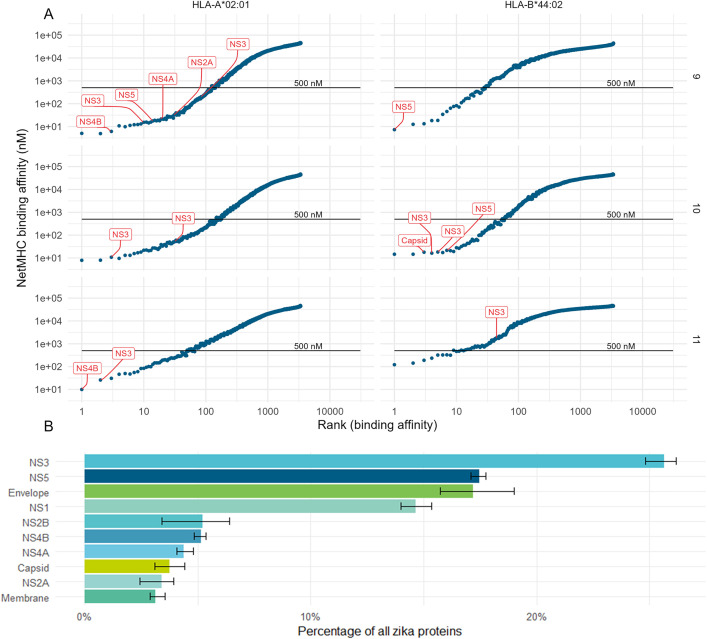 Figure 3
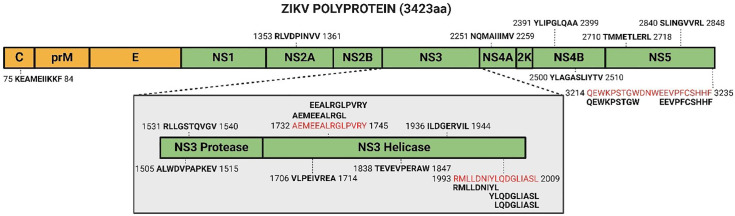 Figure 4
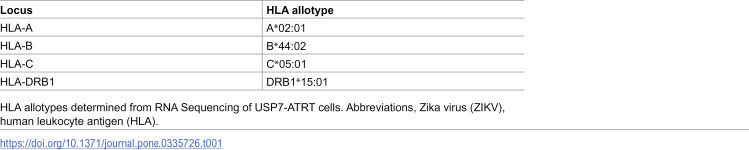 Figure 5
 Figure 6
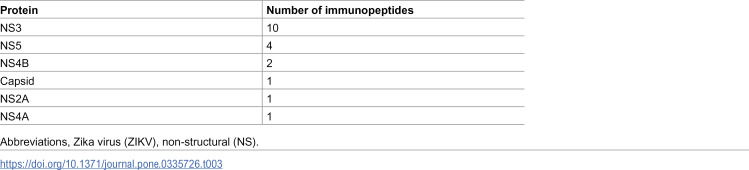 Figure 7
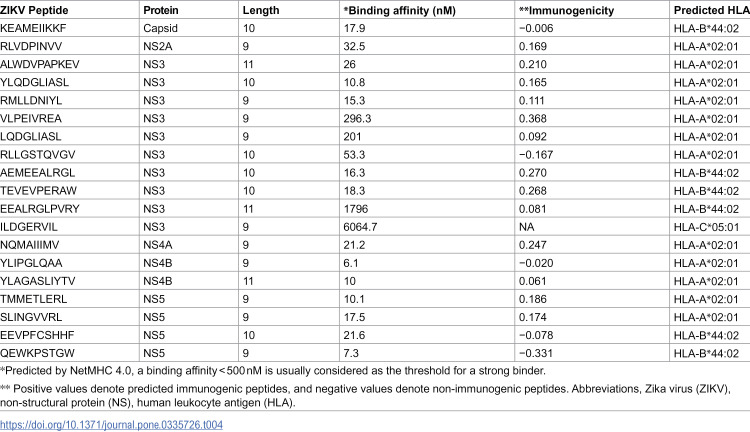 Figure 8
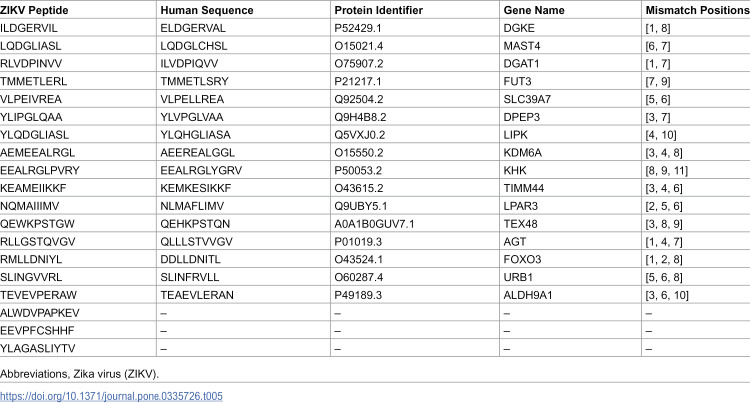 Figure 9
Peer Reviews
No public reviews on file for this paper yet. If you reviewed it on a platform where reviews are public (OpenReview, ICLR, NeurIPS, ICML), you can paste yours below so the community can read it here.
Videos
No videos yet. Explain this paper in a talk, walkthrough, or lecture? Add one.
Taxonomy
Topicsvaccines and immunoinformatics approaches · Mosquito-borne diseases and control · Virology and Viral Diseases