Mathematical modelling and compensation strategies for printing dot gain
Xiaoli Liu, Bingzhong Qiu, Ying-Leh Ling

TL;DR
This paper introduces a new mathematical method to improve print quality by compensating for dot gain, especially in mid-tone and dark-tone areas.
Contribution
The study develops an integrated mathematical modeling approach combining least squares optimization and coordinate transformation for dot gain compensation.
Findings
The compensation strategy improved printing accuracy and stability in mid-tone and dark-tone areas.
The method offers a computationally efficient alternative to traditional inverse function methods.
Further optimization is needed for the bright tone area to enhance compensation effectiveness.
Abstract
In contemporary printing processes, dot gain is a pivotal factor influencing print quality. This phenomenon, characterized by the loss of image details and the potential for chromatic aberration, poses significant challenges to enhancing print quality. Despite extensive research that has been conducted by numerous scholars on dot gain, effective control and correction of this phenomenon in practical printing operations remain an urgent concern. This study utilized newsprint, offset paper, and coated paper as research objects, and employed the least squares method and MATLAB tools to calculate dot gain compensation values through the “coordinate transformation method” and fit the compensation curve of dot gain. The novelty of this research lies in its development of an integrated mathematical modeling approach that combines least squares optimization with coordinate transformation,…
Genes, proteins, chemicals, diseases, species, mutations and cell lines named across the full text — each resolved to its canonical identifier and authoritative record.
Click any figure to enlarge with its caption.
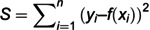 Figure 1
 Figure 2
 Figure 3
 Figure 4
 Figure 5
 Figure 6
 Figure 7
 Figure 8
 Figure 9
 Figure 10
 Figure 11
 Figure 12
 Figure 13
 Figure 14
 Figure 15
 Figure 16
 Figure 17
 Figure 18
 Figure 19
 Figure 20
 Figure 21
 Figure 22
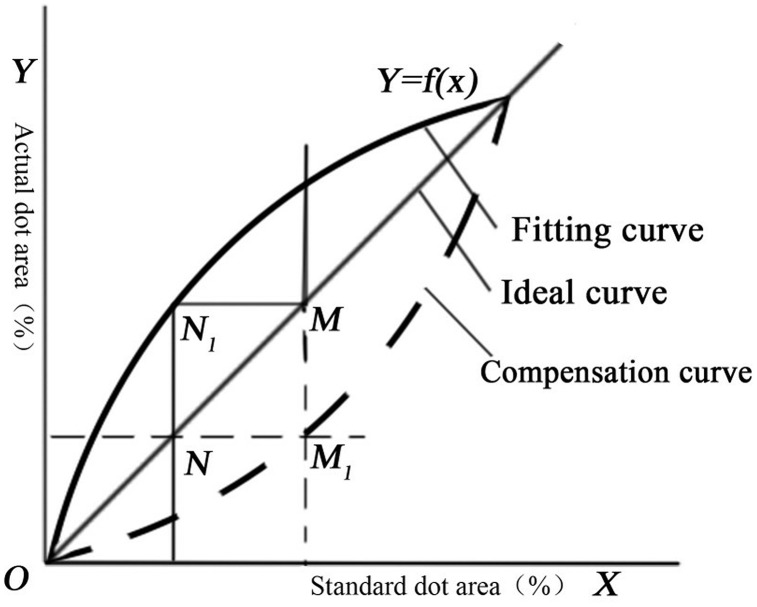 Figure 23
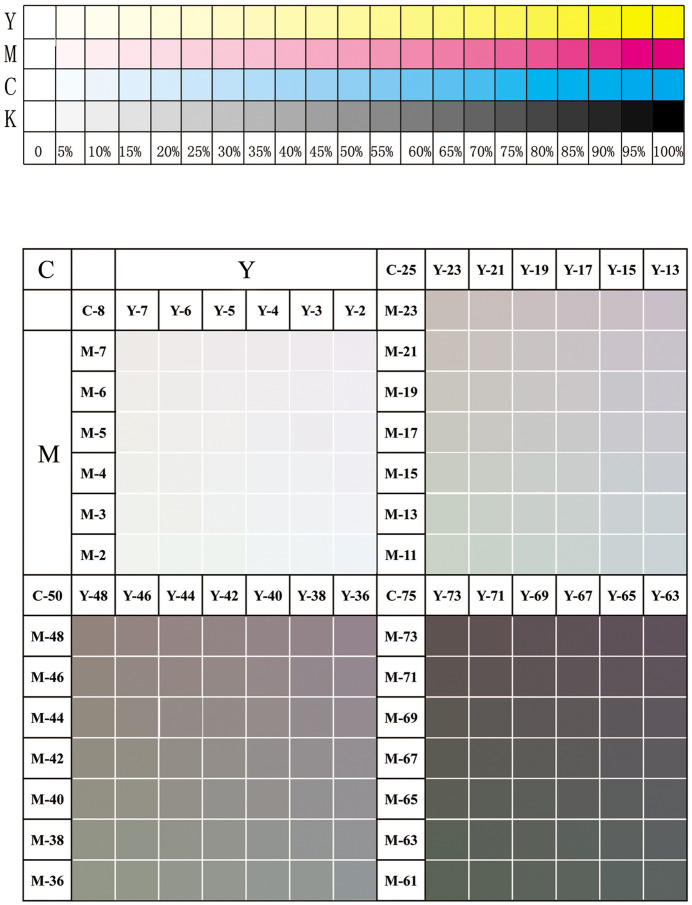 Figure 24
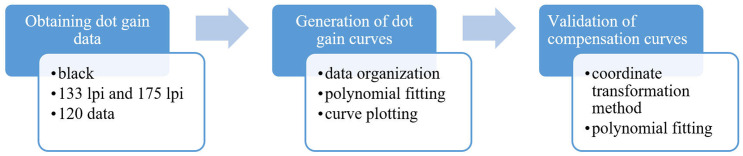 Figure 25
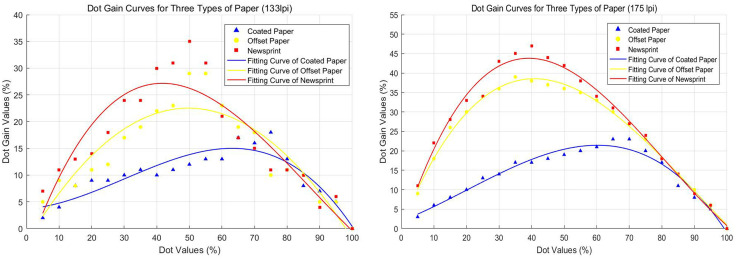 Figure 26
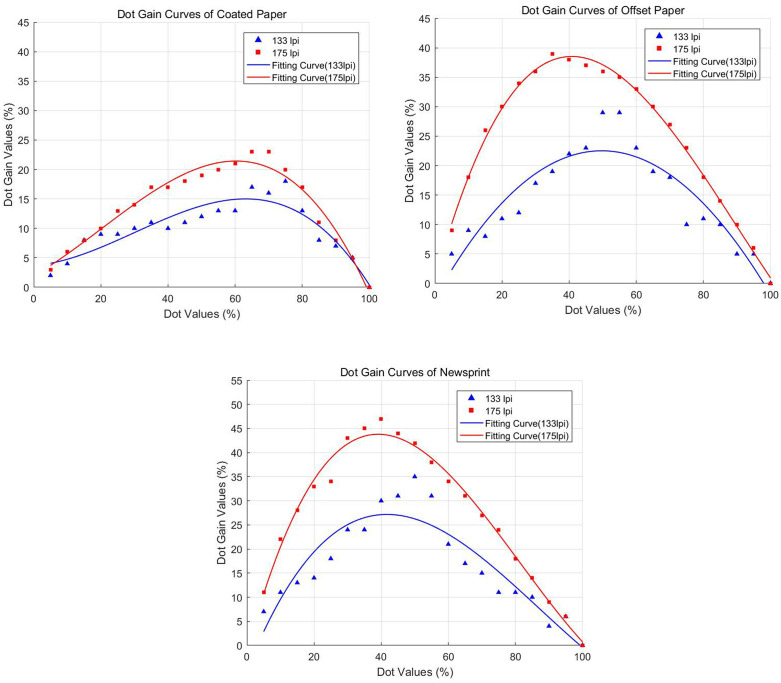 Figure 27
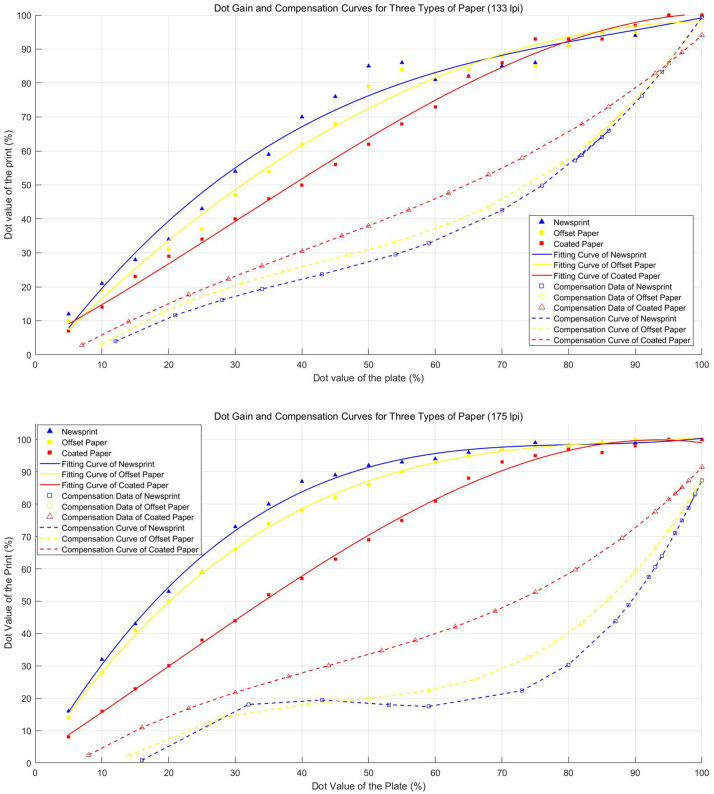 Figure 28
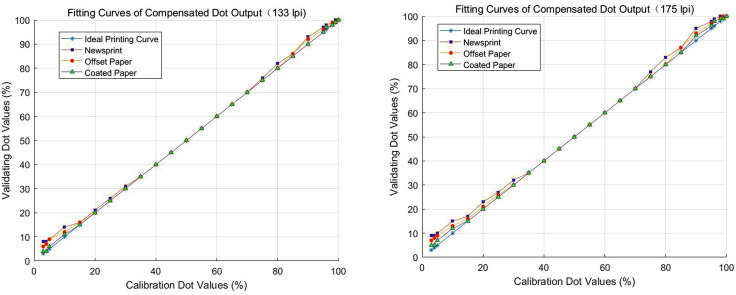 Figure 29
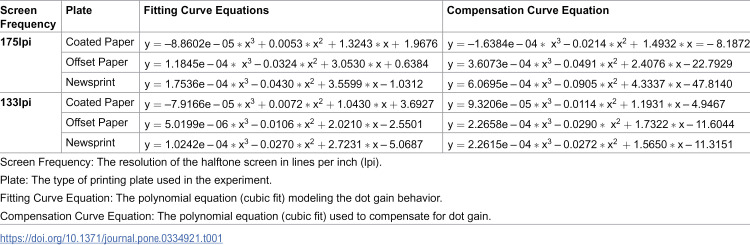 Figure 30
Peer Reviews
No public reviews on file for this paper yet. If you reviewed it on a platform where reviews are public (OpenReview, ICLR, NeurIPS, ICML), you can paste yours below so the community can read it here.
Videos
No videos yet. Explain this paper in a talk, walkthrough, or lecture? Add one.
Taxonomy
TopicsMaterial Properties and Processing · Color Science and Applications · Nanomaterials and Printing Technologies