Efficient pathogen screening in honey bees: Application of FTA® cards for DNA storage and PCR analysis
Kristýna Myslínová, Silvie Dostálková, Jana Jemelková, Beata Hurychová, Ondřej Biemann, Jan Brus, Jana Fürstová, Marek Petřivalský, Jiří Danihlík

TL;DR
FTA® cards offer a reliable, cost-effective method for detecting pathogens in honey bees, with high accuracy and DNA stability in field conditions.
Contribution
FTA® cards are shown to be a faster and more economical alternative to traditional DNA isolation methods for N. ceranae detection in honey bees.
Findings
FTA® cards detected N. ceranae with 97.2% sensitivity and 100% specificity.
Autumn showed greater pathogen diversity compared to spring, with S. marcescens being most prevalent in autumn and N. ceranae in spring.
FTA® cards maintained DNA stability under high temperatures, UV radiation, and oxidative stress.
Abstract
Screening honey bee pathogens is crucial for early infection detection, which helps prevent pathogen transmission. The most widely used method for pathogen detection in honey bees is polymerase chain reaction (PCR). FTA® cards (Qiagen) were compared with DNA-isolation kit DNeasy Plant Mini kit (Qiagen) for the detection of selected pathogens in honey bee samples collected from colonies in the Czech Republic in autumn and spring. FTA® cards provide highly accurate results for detecting N. ceranae with a sensitivity of 97.2% and a specificity of 100%. Thus, FTA® cards represent a reliable and cost-effective alternative to traditional methods for N. ceranae detection. Seasonal variation in pathogen prevalence was also assessed using FTA® cards, revealing significant differences between autumn and spring. In total 85 samples were analysed for main bee pathogens (N. ceranae, Nosema apis,…
Genes, proteins, chemicals, diseases, species, mutations and cell lines named across the full text — each resolved to its canonical identifier and authoritative record.
Click any figure to enlarge with its caption.
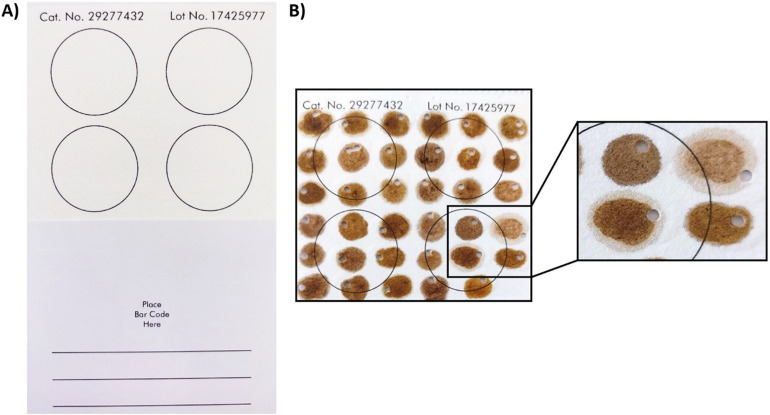 Figure 1
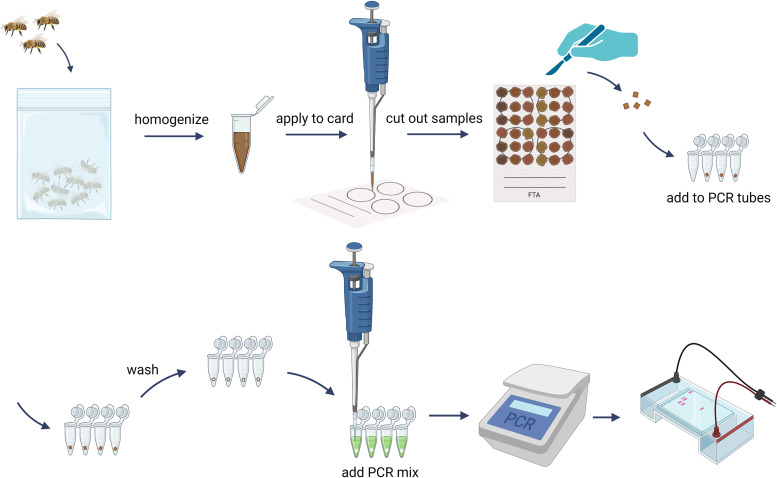 Figure 2
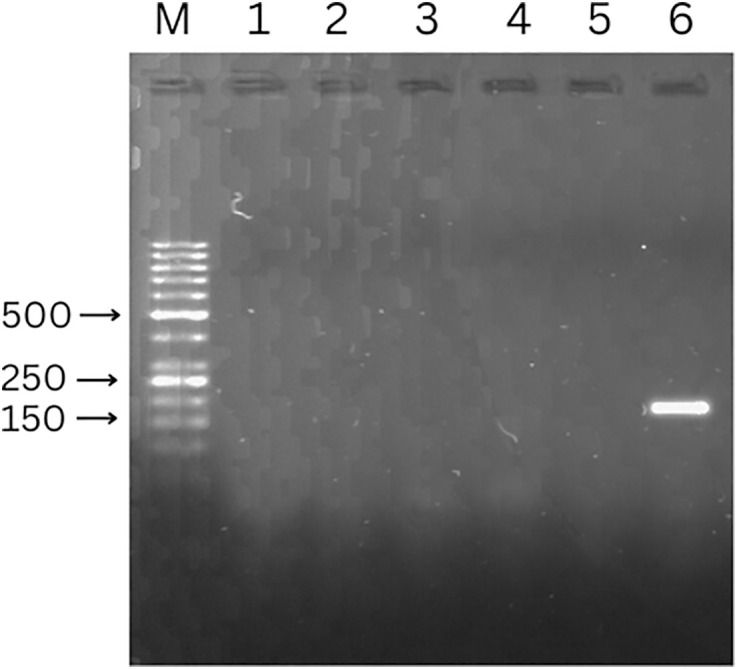 Figure 3
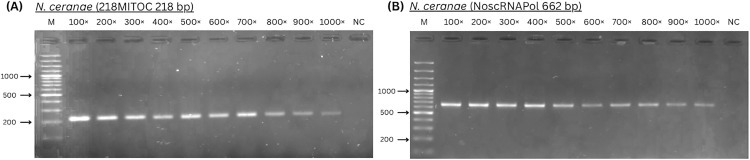 Figure 4
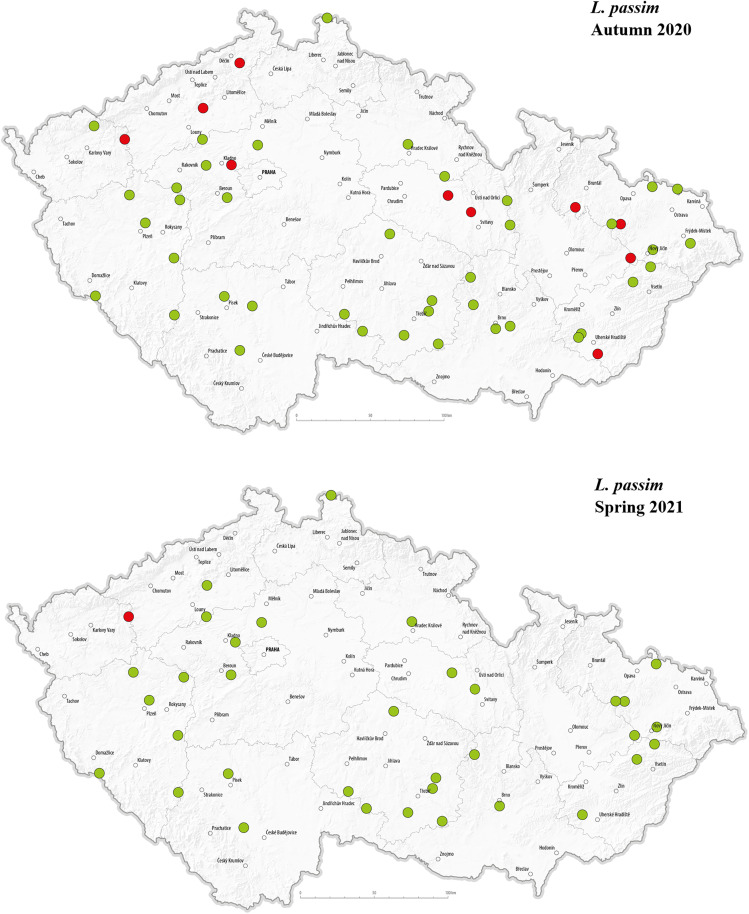 Figure 5
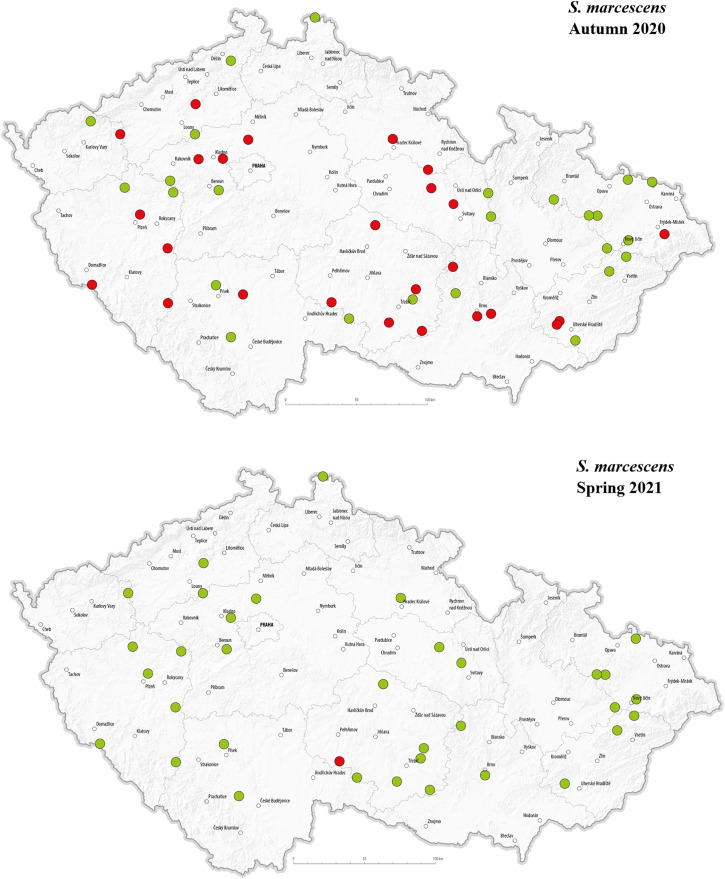 Figure 6
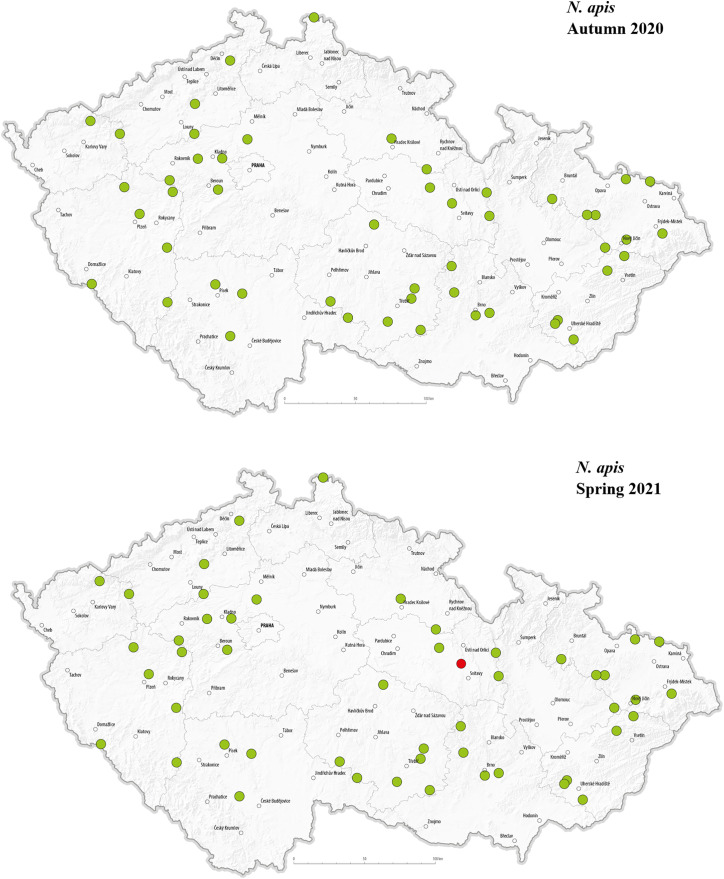 Figure 7
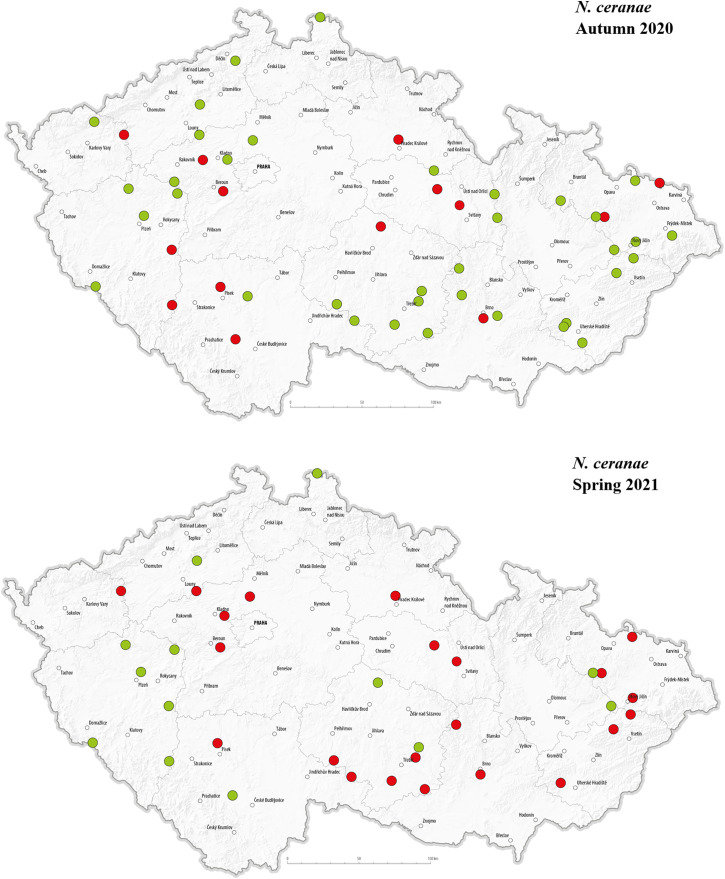 Figure 8
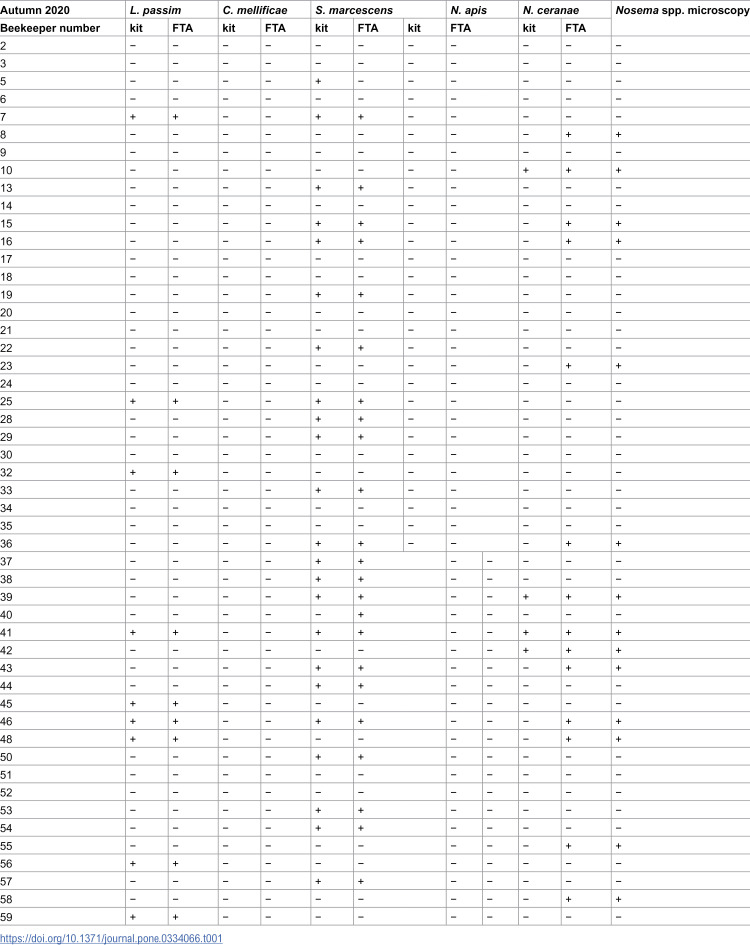 Figure 9
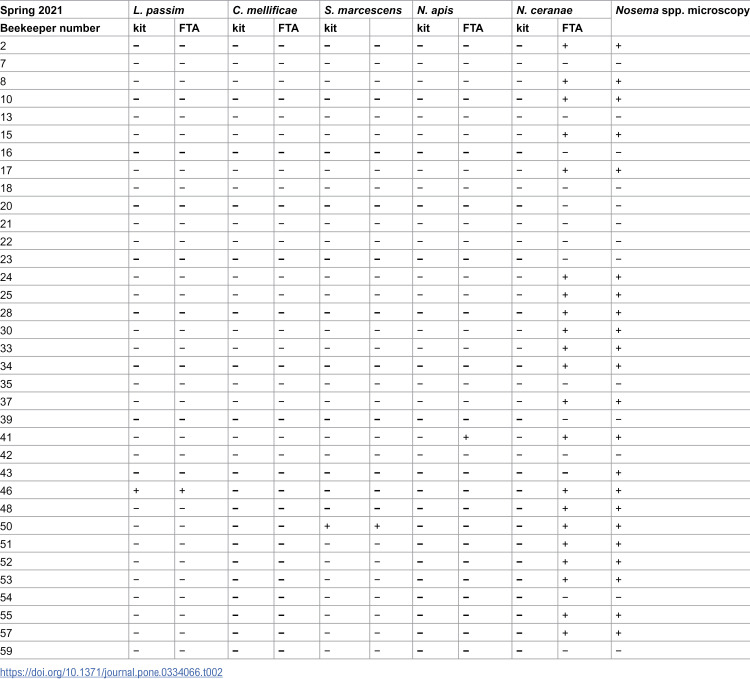 Figure 10
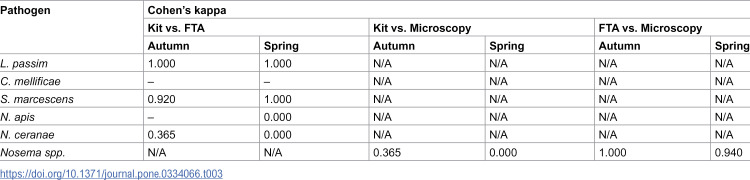 Figure 11
 Figure 12
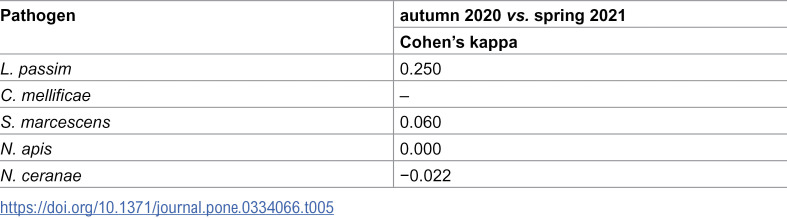 Figure 13
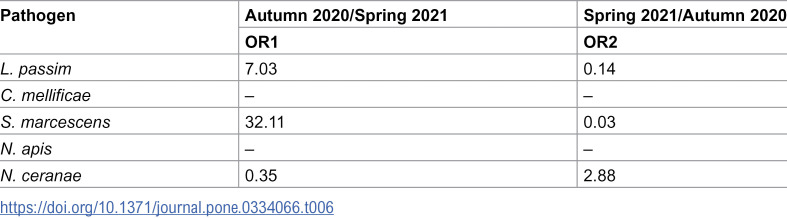 Figure 14
Peer Reviews
No public reviews on file for this paper yet. If you reviewed it on a platform where reviews are public (OpenReview, ICLR, NeurIPS, ICML), you can paste yours below so the community can read it here.
Videos
No videos yet. Explain this paper in a talk, walkthrough, or lecture? Add one.
Taxonomy
TopicsInsect and Pesticide Research · Insect and Arachnid Ecology and Behavior · Bee Products Chemical Analysis