eDNA surveys substantially expand known geographic and ecological niche boundaries of marine fishes
Loïc Sanchez, Nicolas Loiseau, Camille Albouy, Morgane Bruno, Adèle Barroil, Alicia Dalongeville, Julie Deter, Jean-Dominique Durand, Nadia Faure, Fabian Fopp, Régis Hocdé, Mélissa Jaquier, Narriman S. Jiddawi, Meret Jucker, Jean-Baptiste Juhel, Kadarusman, Virginie Marques

TL;DR
Environmental DNA surveys reveal that marine fish distributions and ecological niches are more extensive than previously thought, especially in remote areas.
Contribution
The study demonstrates that eDNA surveys can substantially expand known geographic and ecological ranges of marine fishes.
Findings
eDNA surveys revealed that 93% of species' geographic ranges and 7% of ecological niche ranges were underestimated.
A local effort of 10 eDNA samples detected an average of 24 additional fish species in tropical areas.
Sampling in remote areas and using eDNA in over-sampled regions can increase ecological niche ranges with implications for conservation.
Abstract
Assessing species geographic distributions is critical to approximate their ecological niches, understand how global change may reshape their occurrence patterns, and predict their extinction risks. Yet, species records are over-aggregated across taxonomic, geographic, environmental, and anthropogenic dimensions. The under-sampling of remote locations biases the quantification of species geographic distributions and ecological niche for most species. Here, we used nearly one thousand environmental DNA (eDNA) samples across the world’s oceans, including polar regions and tropical remote islands, to determine the extent to which the geographic and ecological niche ranges of marine fishes are underestimated through the lens of global occurrence records based on conventional surveys. Our eDNA surveys revealed that the known geographic ranges for 93% of species and the ecological niche…
Genes, proteins, chemicals, diseases, species, mutations and cell lines named across the full text — each resolved to its canonical identifier and authoritative record.
Click any figure to enlarge with its caption.
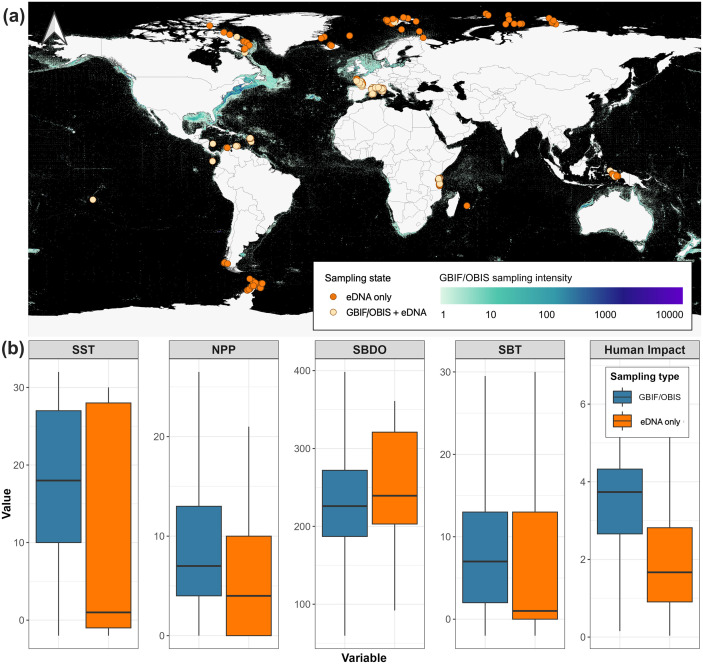 Figure 1
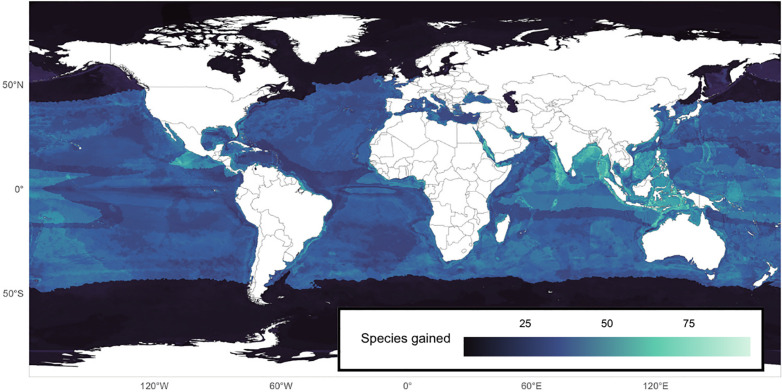 Figure 2
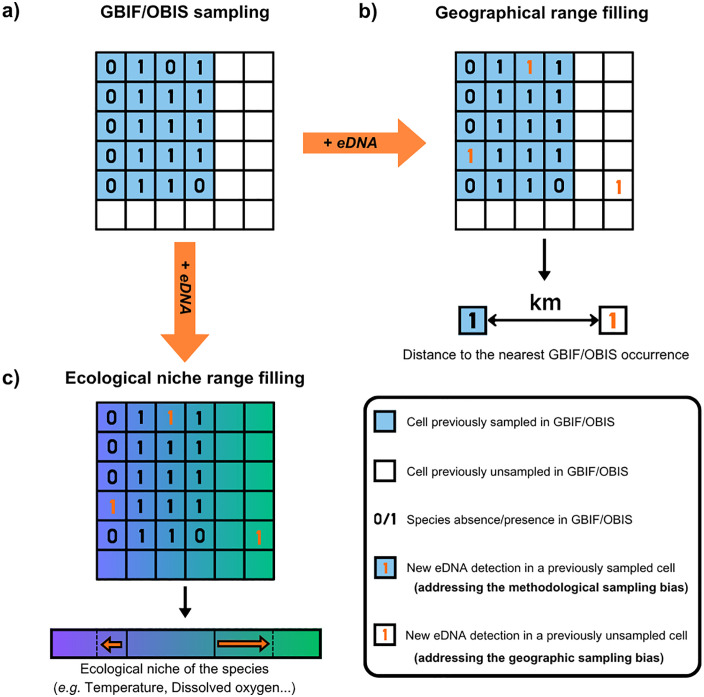 Figure 3
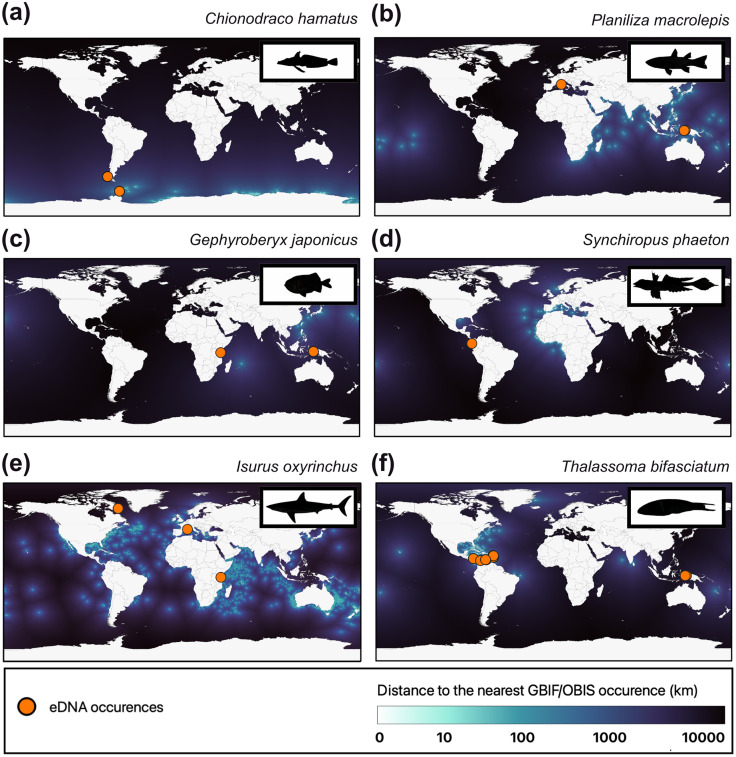 Figure 4
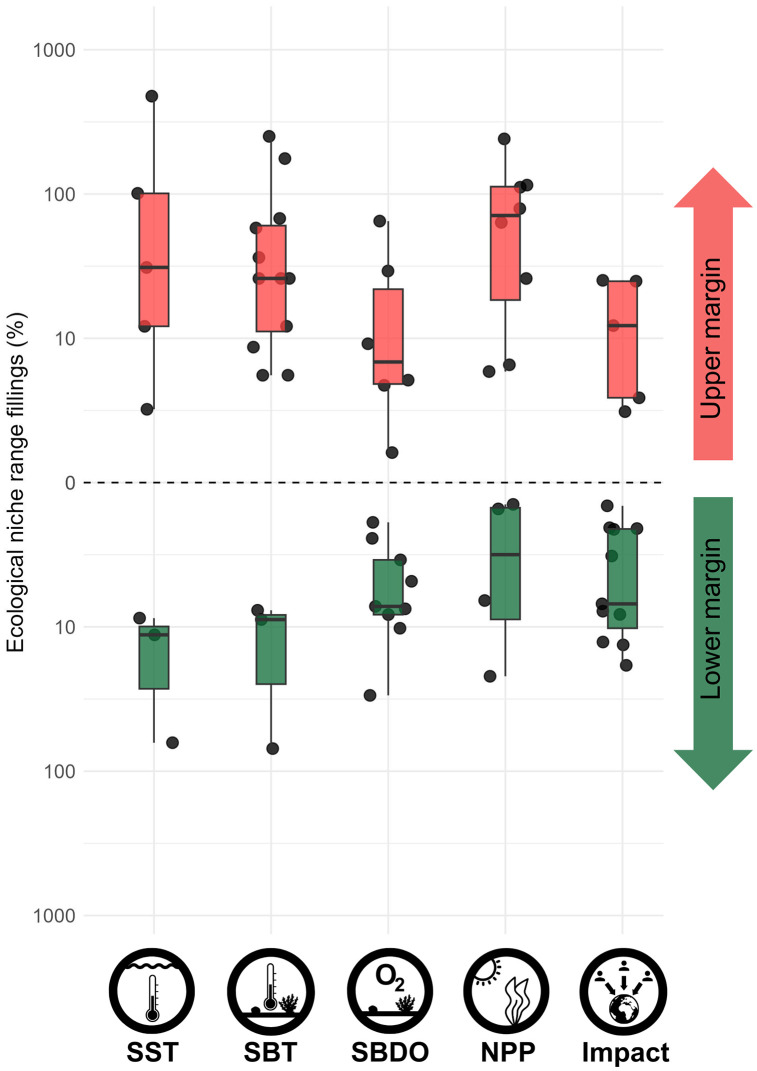 Figure 5
 Figure 6
 Figure 7
Peer Reviews
No public reviews on file for this paper yet. If you reviewed it on a platform where reviews are public (OpenReview, ICLR, NeurIPS, ICML), you can paste yours below so the community can read it here.
Videos
No videos yet. Explain this paper in a talk, walkthrough, or lecture? Add one.
Taxonomy
TopicsEnvironmental DNA in Biodiversity Studies · Species Distribution and Climate Change · Genomics and Phylogenetic Studies