Deep clinical, genetic, and serum biomarker profiling indicates glial and neuronal pathology in primary brain calcification
Janine Schwahn, Sophie Hebestreit, Olivia Kosche, Petra Steinacker, Vesile Sandikci, Isabel Winzer, Jasper Hesebeck-Brinckmann, Franziska Bachhuber, Ivan Valkadinov, Stefanie Nittka, Lukas Mesin, Max Brauner, Christine von Arnim, Nandhini Santhanam, Marvin Spreyer

TL;DR
This study shows that people with primary brain calcification have higher levels of biomarkers linked to brain cell damage and could help guide future treatments.
Contribution
The study identifies specific serum biomarkers associated with glial and neuronal pathology in primary brain calcification.
Findings
Elevated glial fibrillary acidic protein and neurofilament light chain levels indicate chronic astrocytosis and neuronal damage.
Neurofilament light chain levels correlate with clinical scores and brain imaging results.
Elevated parathyroid hormone levels are specific to primary brain calcification without identified mutations.
Abstract
Primary brain calcification (primary familial brain calcification in inherited cases) is an often-genetic condition characterized by symmetrical brain calcifications and neuropsychiatric symptoms. The calcifications can also occur without overt clinical symptoms. Identifying laboratory biomarkers in primary brain calcification and their association with imaging, genetic, and clinical data will be crucial for a deeper understanding of primary brain calcification causation and progression and the planning of therapeutic trials. The serum biomarkers for neuronal degeneration (phosphorylated tau, neuron-specific enolase, neurofilament light- and heavy chain) and glial activation (glial fibrillary acidic protein, S100 calcium-binding protein B) were measured in 101 probands (41 controls and 60 probands with primary brain calcification). The deep phenotyping protocol of the German Fahr-NET…
Genes, proteins, chemicals, diseases, species, mutations and cell lines named across the full text — each resolved to its canonical identifier and authoritative record.
Click any figure to enlarge with its caption.
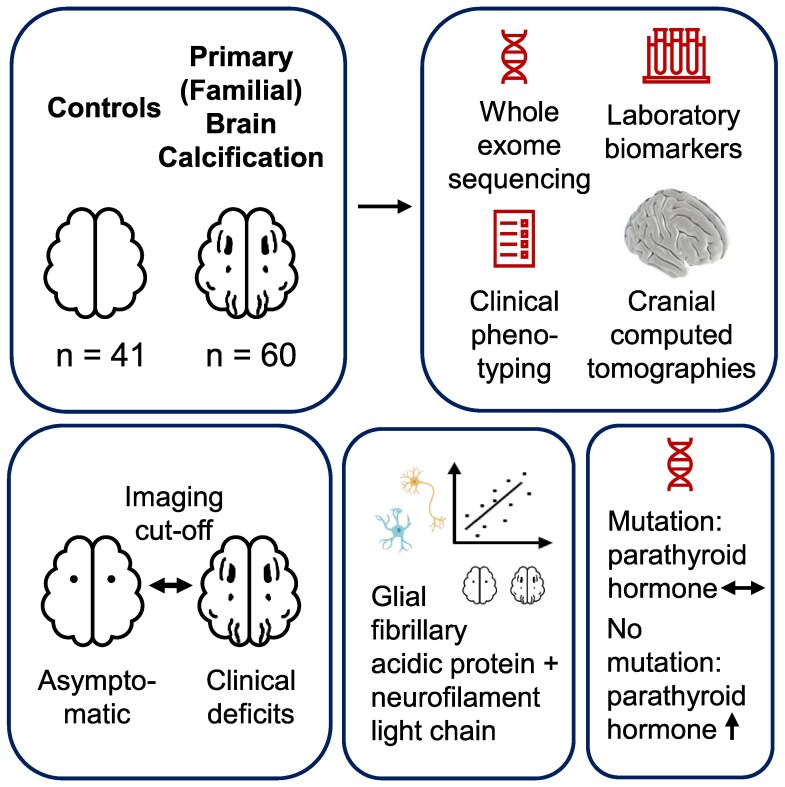 Figure 1
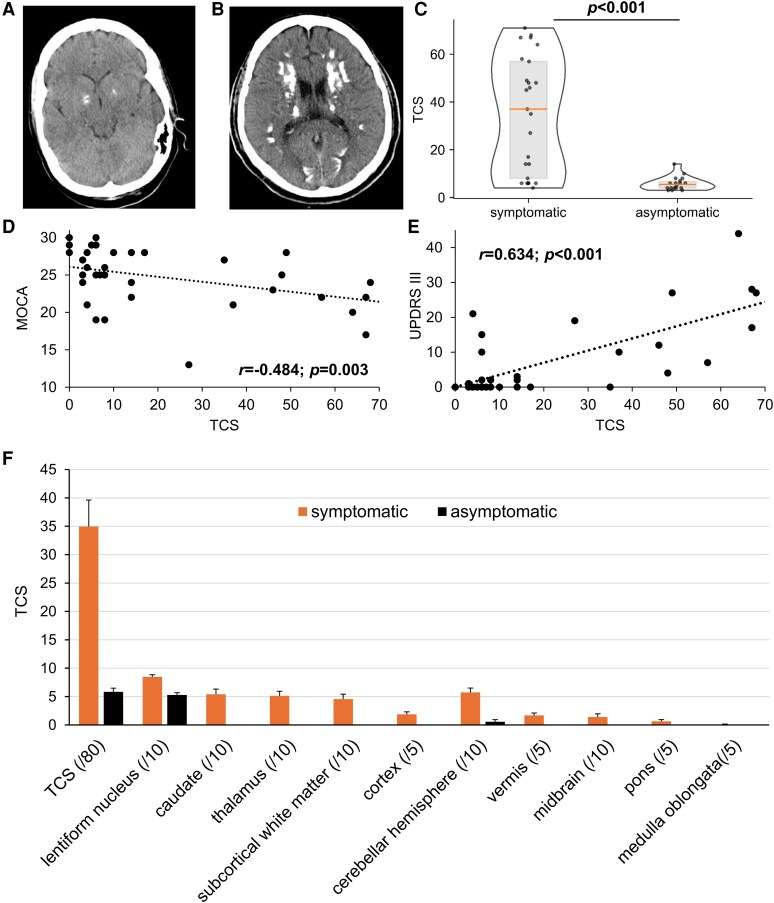 Figure 2
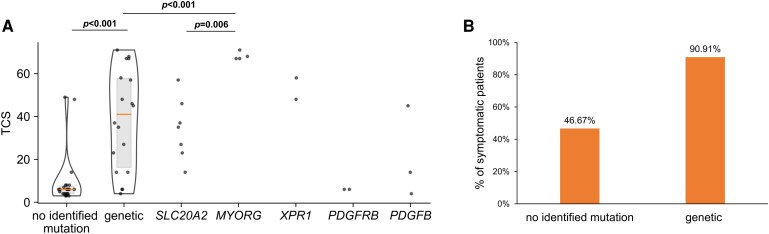 Figure 3
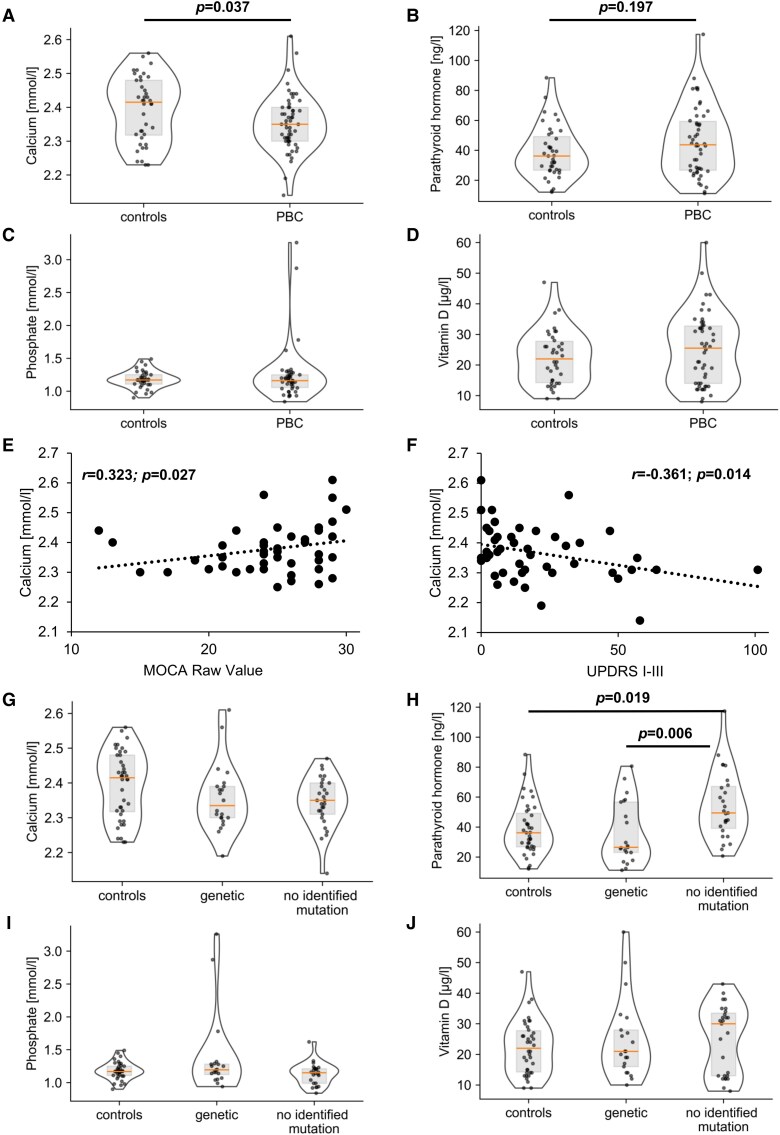 Figure 4
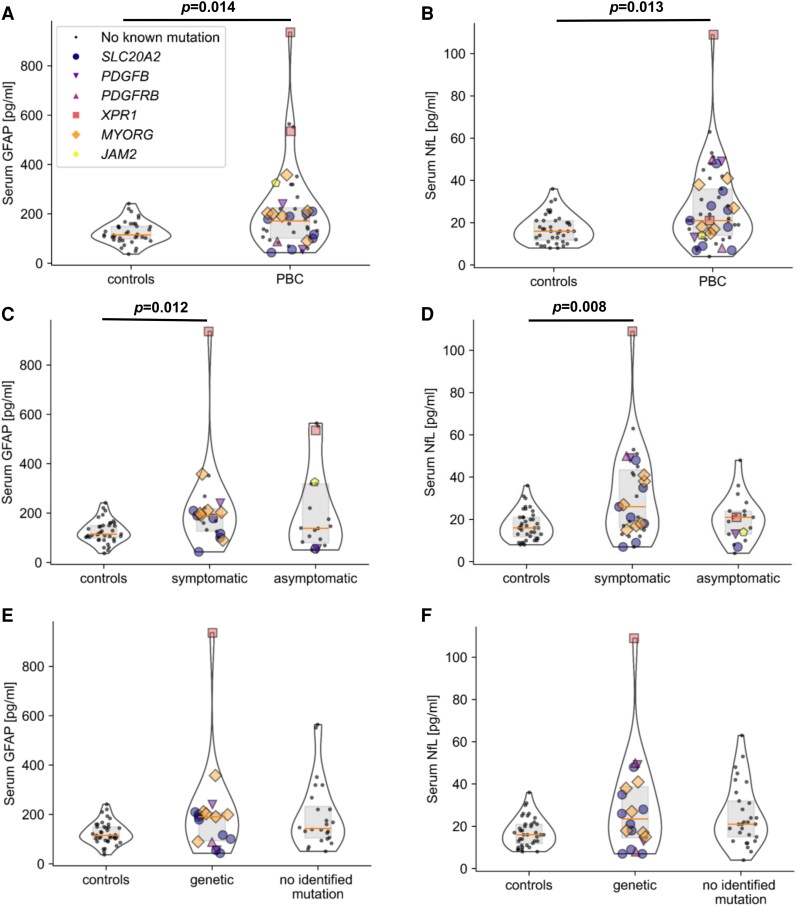 Figure 5
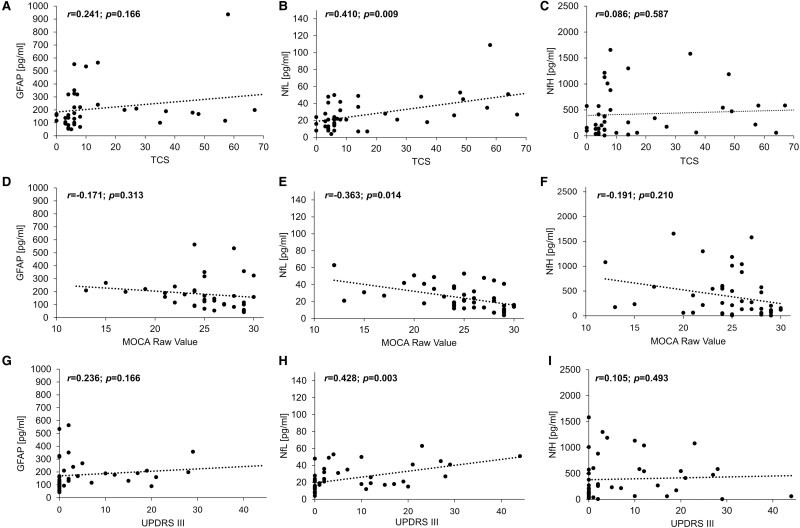 Figure 6
Peer Reviews
No public reviews on file for this paper yet. If you reviewed it on a platform where reviews are public (OpenReview, ICLR, NeurIPS, ICML), you can paste yours below so the community can read it here.
Videos
No videos yet. Explain this paper in a talk, walkthrough, or lecture? Add one.
Taxonomy
TopicsThyroid and Parathyroid Surgery · Medical Imaging and Pathology Studies · Parathyroid Disorders and Treatments