Role of Ultrasound-Measured Diaphragmatic Excursion and Thickness in Predicting Extubation Outcomes in Perforation Peritonitis Patients: A Comparative Observational Study
Jayaram Ilangovan, Stalin Vinayagam, Sandeep Kumar Mishra, Senthilnathan Muthapillai

TL;DR
This study shows that measuring diaphragm movement and thickness with ultrasound can help predict whether patients with perforation peritonitis will successfully stop using a ventilator after surgery.
Contribution
The study introduces ultrasound-based diaphragm measurements as a novel predictor for extubation outcomes in perforation peritonitis patients.
Findings
Diaphragm excursion was significantly lower in perforation peritonitis patients compared to elective surgery patients.
A diaphragm thickness of 0.15 cm at end-inspiration and 0.14 cm at end-expiration predicted successful extubation in perforation peritonitis patients.
Abstract
Background Perforation peritonitis, a common surgical emergency, is associated with postoperative respiratory complications. This study aimed to measure diaphragmatic excursion and thickness using preoperative ultrasound in patients undergoing laparotomy for perforation peritonitis, thereby predicting extubation outcomes at the end of the surgery. Methodology A total of 80 patients aged 18-60 years, belonging to the American Society of Anesthesiologists physical class I-III, scheduled to undergo laparotomy under general anesthesia were included in this study. The study sample was divided into the following two groups (40 in each group): Group P, perforation peritonitis patients undergoing emergency laparotomy, and Group C, patients undergoing elective laparotomy. Preoperatively, diaphragm excursion on deep inspiration and diaphragmatic thickness at end-inspiration and end-expiration…
Genes, proteins, chemicals, diseases, species, mutations and cell lines named across the full text — each resolved to its canonical identifier and authoritative record.
Click any figure to enlarge with its caption.
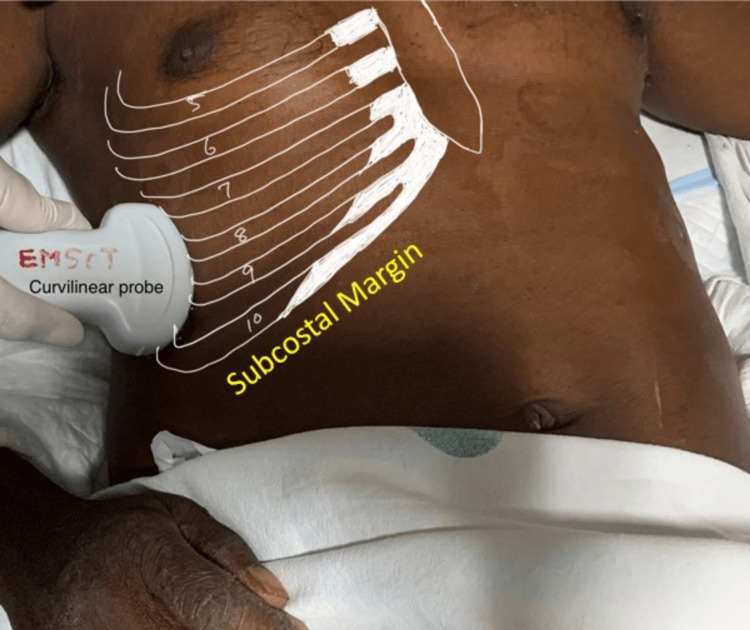 Figure 1
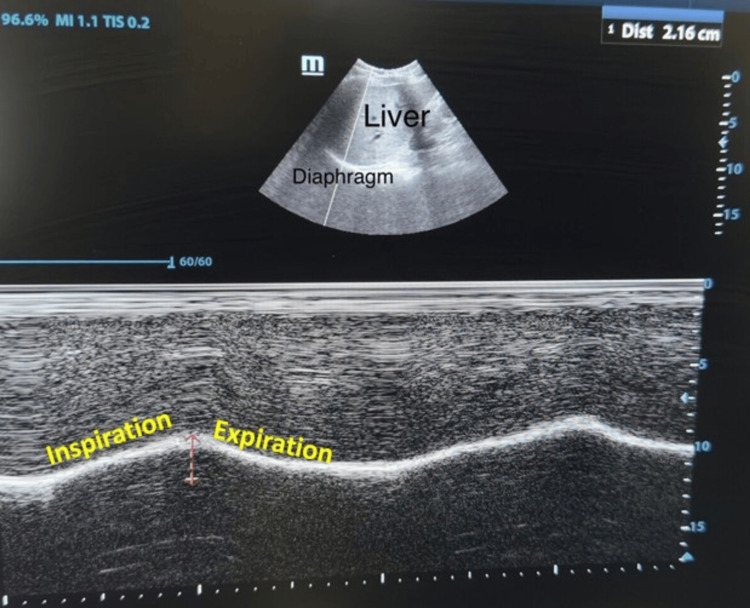 Figure 2
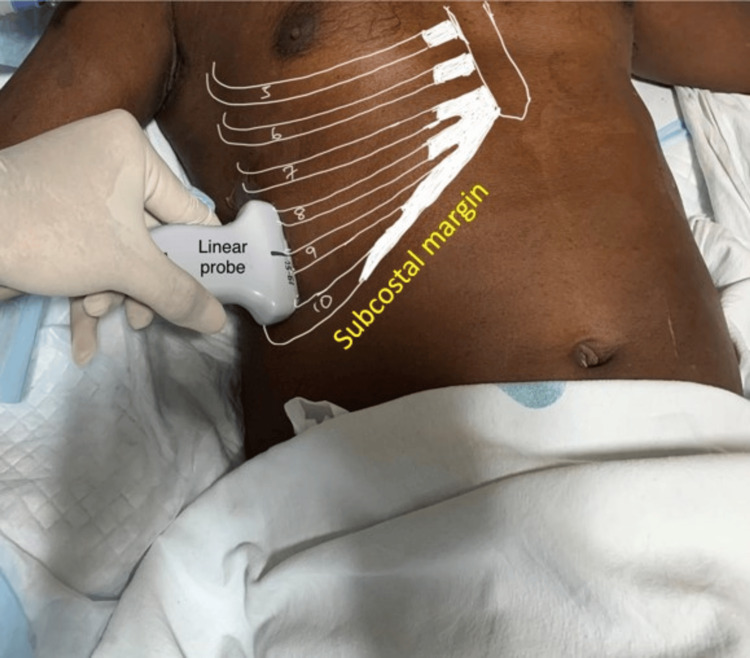 Figure 3
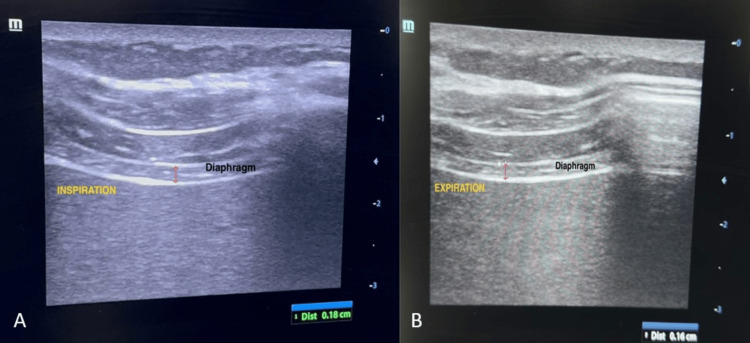 Figure 4
 Figure 5
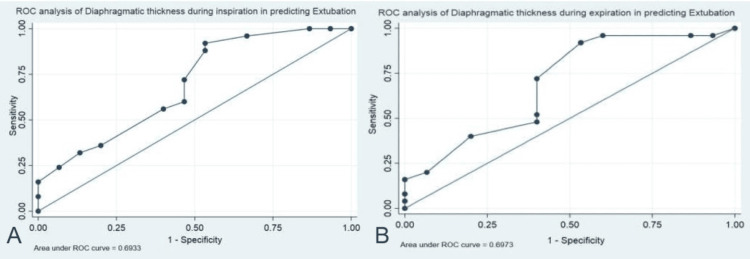 Figure 6
 Figure 7
Peer Reviews
No public reviews on file for this paper yet. If you reviewed it on a platform where reviews are public (OpenReview, ICLR, NeurIPS, ICML), you can paste yours below so the community can read it here.
Videos
No videos yet. Explain this paper in a talk, walkthrough, or lecture? Add one.
Taxonomy
TopicsUltrasound in Clinical Applications · Respiratory Support and Mechanisms · Airway Management and Intubation Techniques