Agreement between BTS G-walk and GaitLab in spatiotemporal and pelvic angle measurements in active older adults
Rafael Bittencourt, Laura Kulczynski, César Marcon, Rafael Reimann Baptista

TL;DR
This study compares the accuracy of two gait analysis tools in older adults, finding that one is reliable for spatial measurements but less so for timing and pelvic angles.
Contribution
The study provides a large-sample validation of the BTS G-Walk system's performance in measuring gait and pelvic angles in active older adults.
Findings
BTS G-Walk accurately measures spatial gait parameters like cadence and speed in older adults.
Temporal parameters and pelvic rotation show poor agreement with GaitLab, likely due to lower sampling rate and sensor placement.
Pelvic tilt and obliquity show moderate agreement, but rotation has low agreement.
Abstract
Aging impacts gait, a vital health indicator in older adults, reducing speed and increasing double support time, linked to falls and disability. The World Health Organization advises 150 min/week of moderate or 75 min/week of vigorous exercise, plus strength training, to sustain neuromuscular integrity and locomotor capacity associated with healthy gait patterns in older adults. While 3D motion capture is the gold standard for gait analysis, its cost and complexity limit use, boosting interest in portable inertial sensors like the BTS G-Walk. Yet, their accuracy in active older adults for spatiotemporal parameters and pelvic angles is underexplored, prompting this comparison with BTS GaitLab. Fifty-nine active older adults (aged 65–87, mean 71.2 ± 5.5 years; eight men, 51 women) were assessed using BTS GaitLab (200 Hz cameras, 400 Hz force plates, Helen Hayes protocol, 18 markers) and…
Genes, proteins, chemicals, diseases, species, mutations and cell lines named across the full text — each resolved to its canonical identifier and authoritative record.
Click any figure to enlarge with its caption.
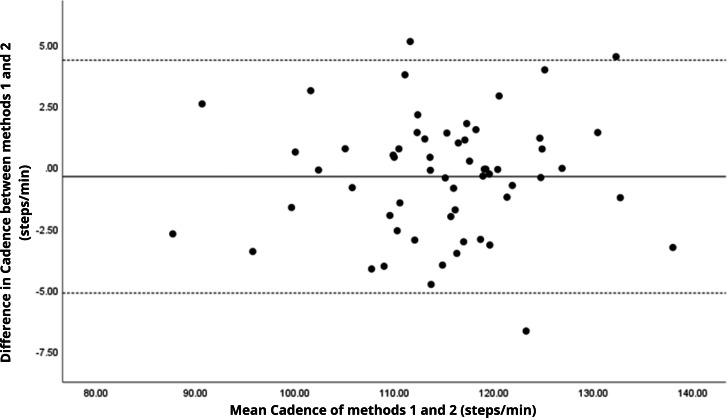 Figure 1
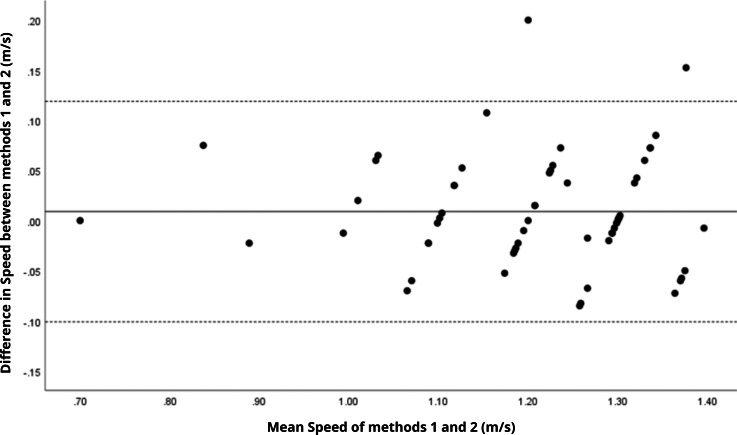 Figure 2
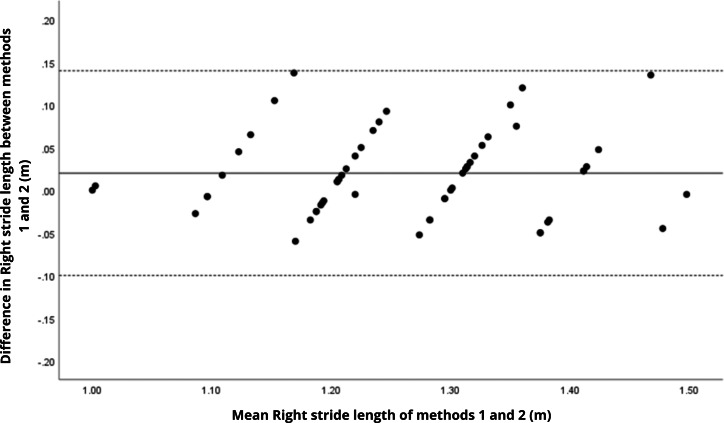 Figure 3
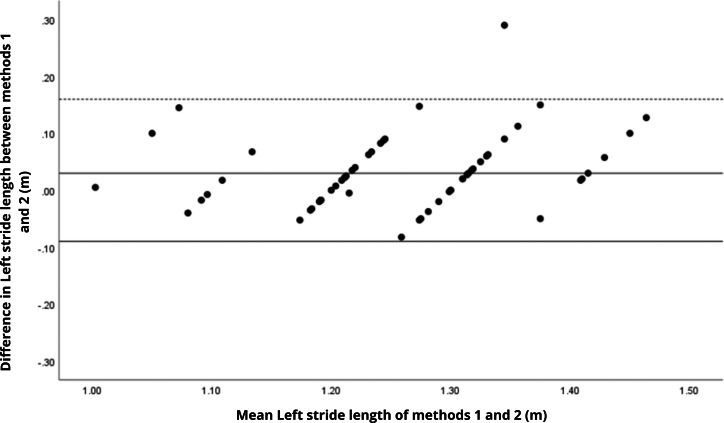 Figure 4
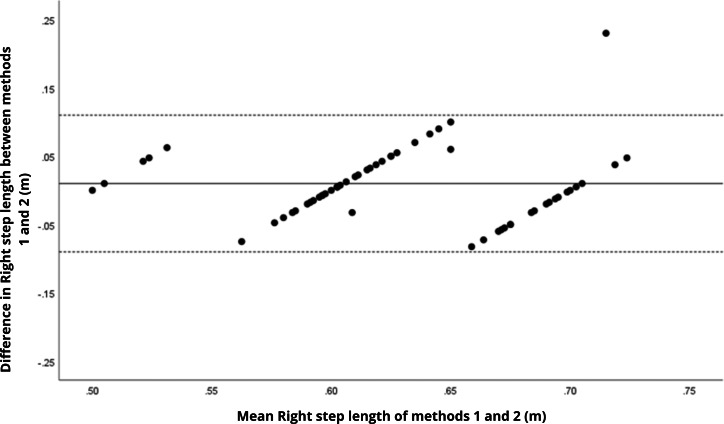 Figure 5
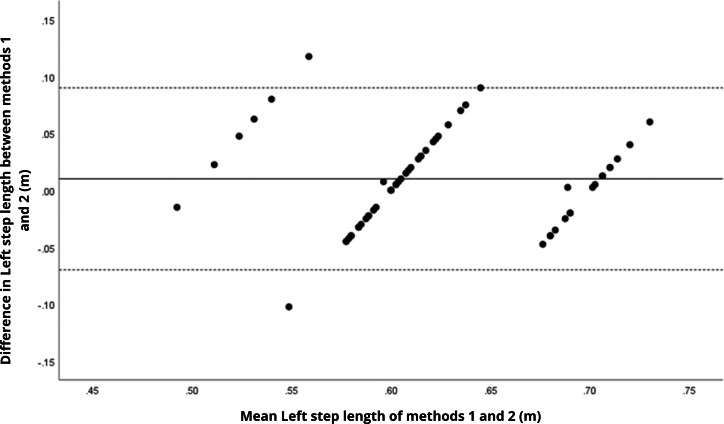 Figure 6
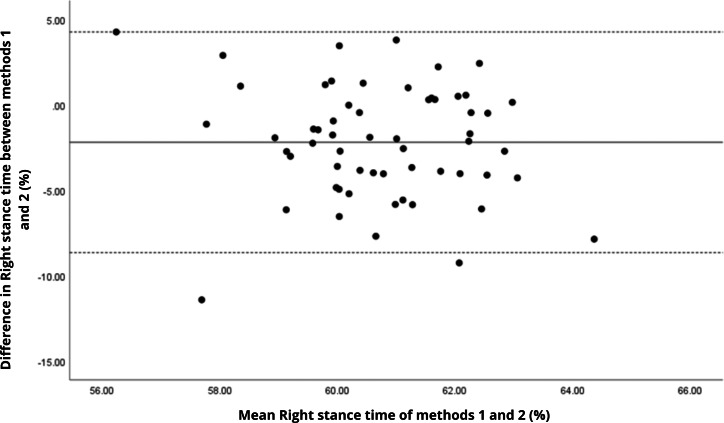 Figure 7
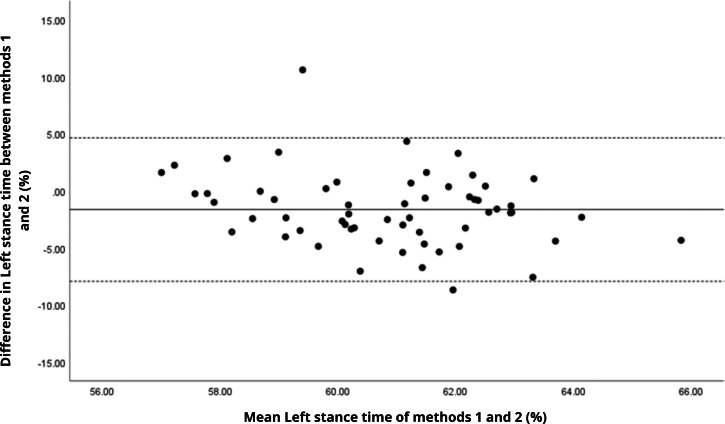 Figure 8
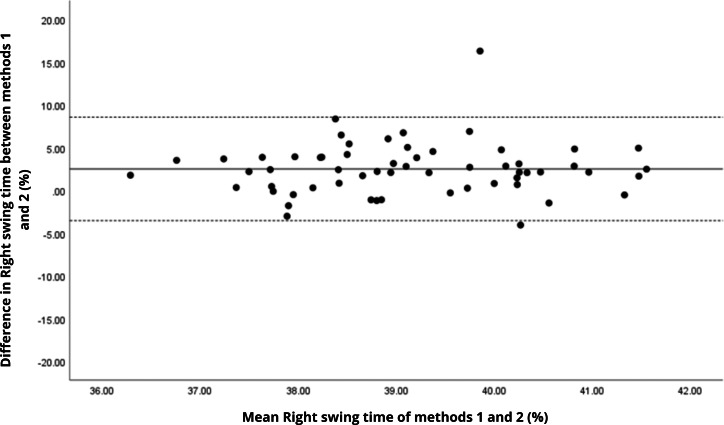 Figure 9
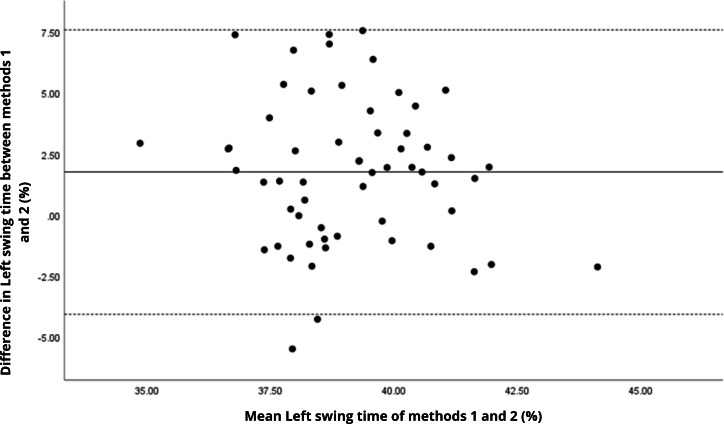 Figure 10
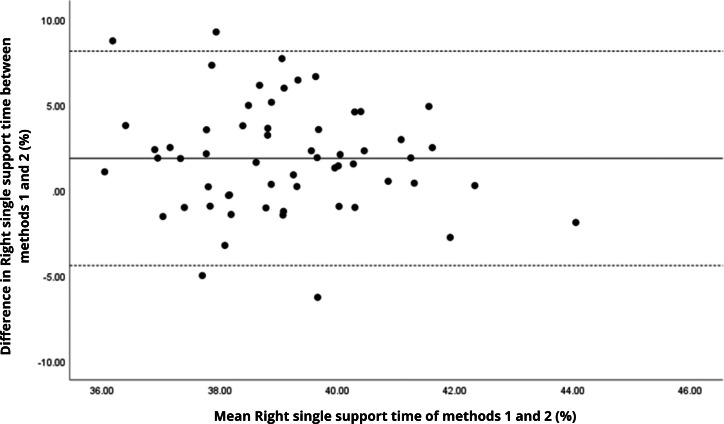 Figure 11
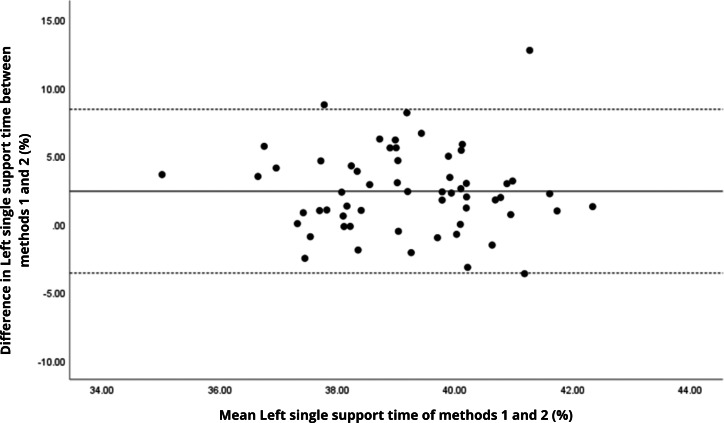 Figure 12
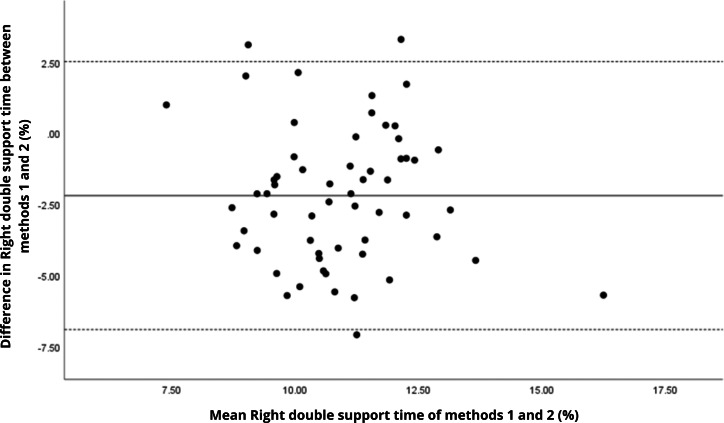 Figure 13
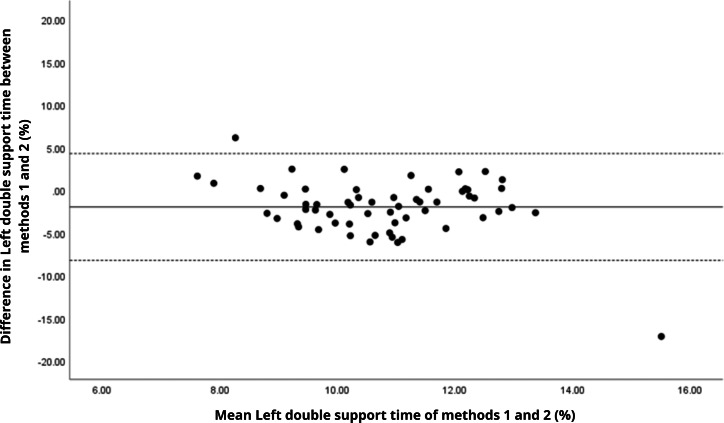 Figure 14
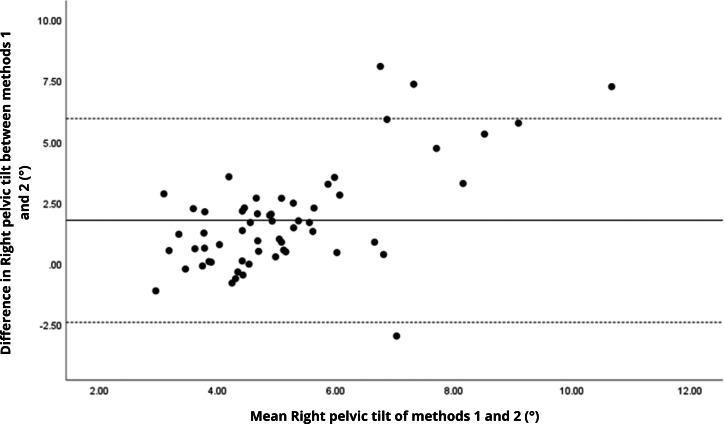 Figure 15
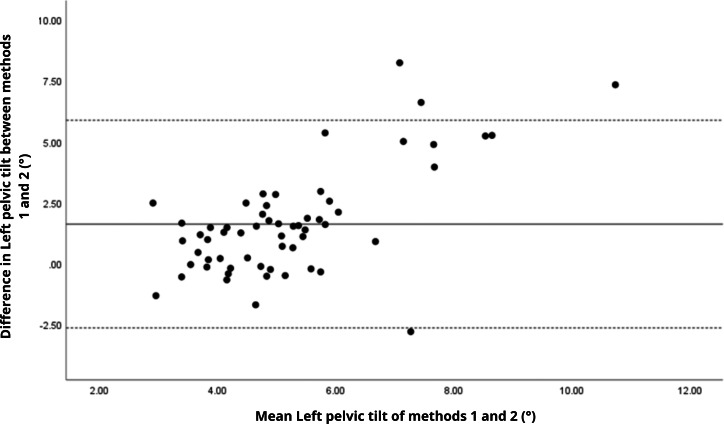 Figure 16
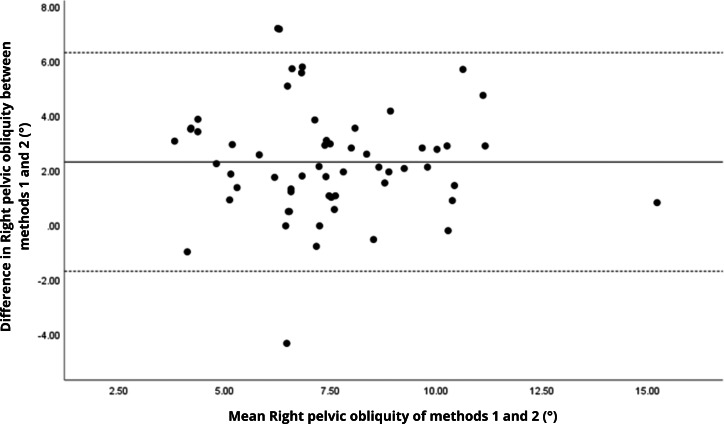 Figure 17
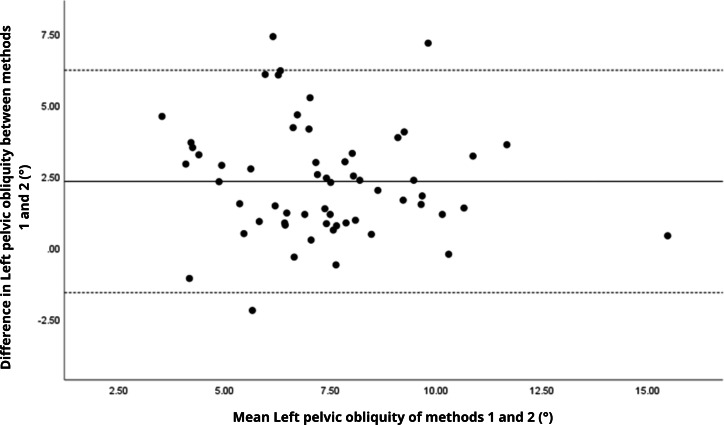 Figure 18
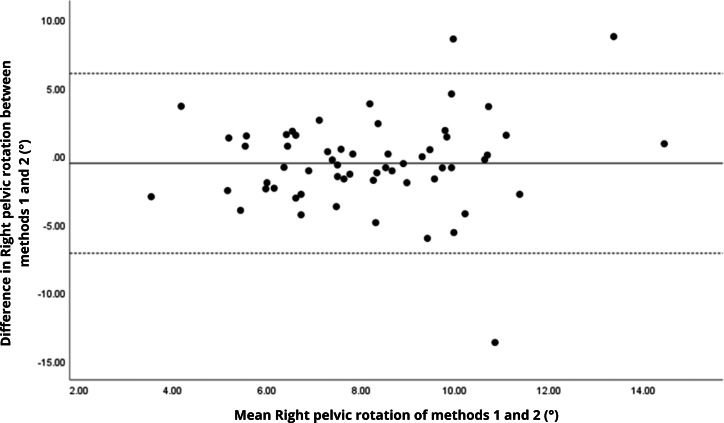 Figure 19
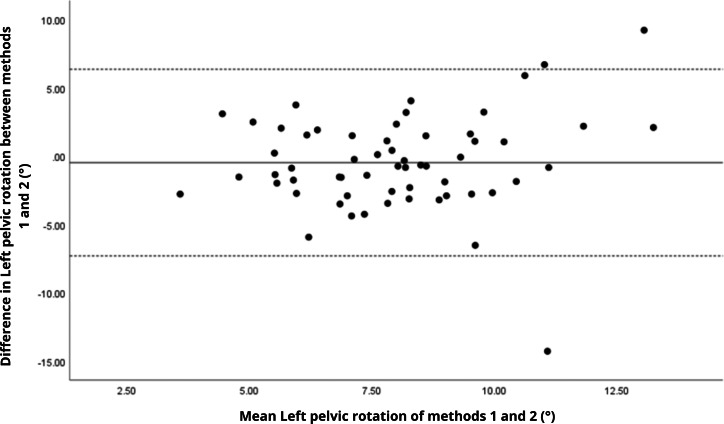 Figure 20
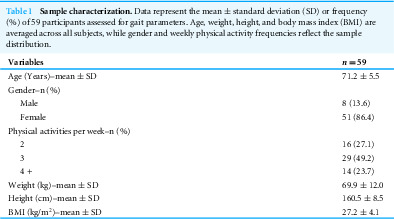 Figure 21
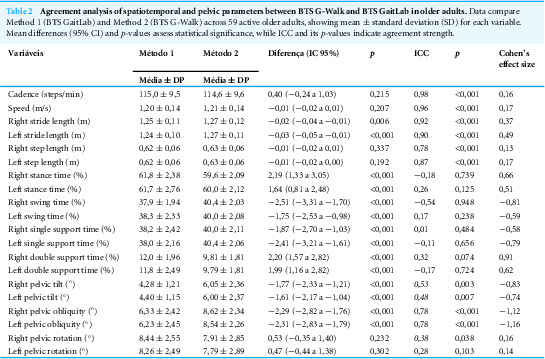 Figure 22
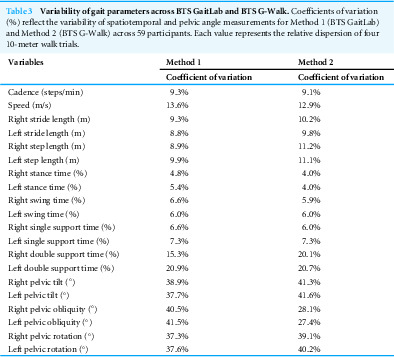 Figure 23
Peer Reviews
No public reviews on file for this paper yet. If you reviewed it on a platform where reviews are public (OpenReview, ICLR, NeurIPS, ICML), you can paste yours below so the community can read it here.
Videos
No videos yet. Explain this paper in a talk, walkthrough, or lecture? Add one.
Taxonomy
TopicsBalance, Gait, and Falls Prevention · Scoliosis diagnosis and treatment · Cerebral Palsy and Movement Disorders