Integrative DNA methylation and transcriptome analysis reveal cell-type specific patterns in response to elevated allostatic load
O Emery, C Carmeli, S Gonseth-Nusslé, Rp Juster, C Kinnaer, D Nanchen, S Nusslé, S Stringhini, Jd Chamberlain

TL;DR
This study combines DNA methylation and gene expression data to explore how different blood cell types respond to high physiological stress, called allostatic load.
Contribution
The study identifies cell-type-specific DNA methylation and gene expression changes associated with elevated allostatic load using integrative analysis.
Findings
263 CpG-gene pairs were identified across six blood cell types in high vs low allostatic load groups.
Immune processes were enriched among downregulated genes in CD8 T and B cells under high allostatic load.
The findings suggest impaired immune response and highlight the importance of cell-type-specific analysis in understanding stress-related biological processes.
Abstract
Allostatic load (AL) is a measure of the body’s multi-systemic physiological dysregulation in response to chronic stress and life events. High AL has been associated with poor long-term health outcomes such as cardiovascular disease and mortality. DNA methylation (DNAm) is an epigenetic mechanism involving both genes and environmental factors and contributes to gene expression regulation. Hence, changes in AL can possibly be reflected in DNAm and gene expression differences and leveraging epigenetic and transcriptomic data together can help elucidate the underlying biological processes involved. To assess differential DNAm and gene expression between high and low AL in a cell-type specific manner, bulk DNAm and transcriptome signals from whole blood samples of 429 individuals from the Swiss Kidney Project On Genes in Hypertension (SKIPOGH) cohort were first deconvoluted into cell-type…
Genes, proteins, chemicals, diseases, species, mutations and cell lines named across the full text — each resolved to its canonical identifier and authoritative record.
Click any figure to enlarge with its caption.
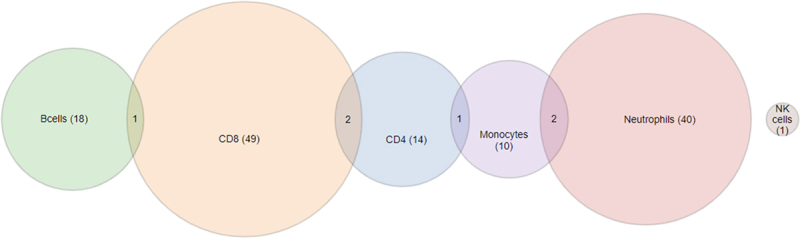 Figure 1
 Figure 2
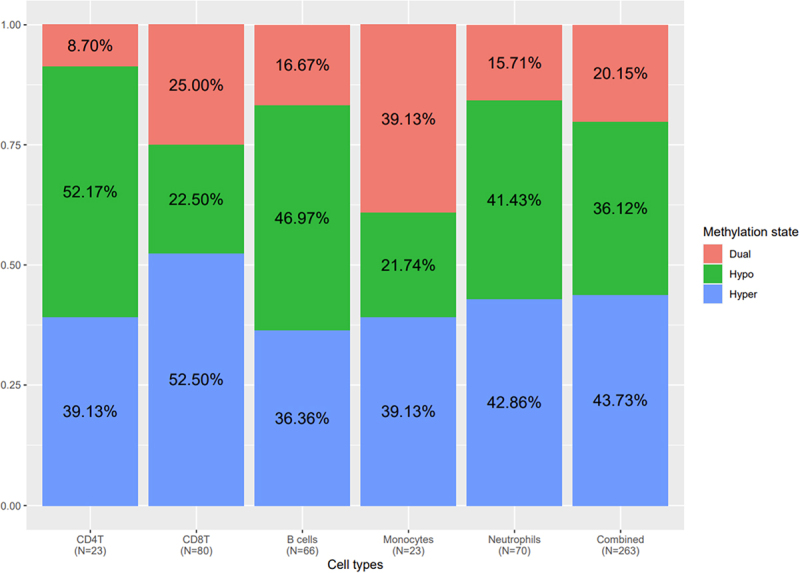 Figure 3
 Figure 4
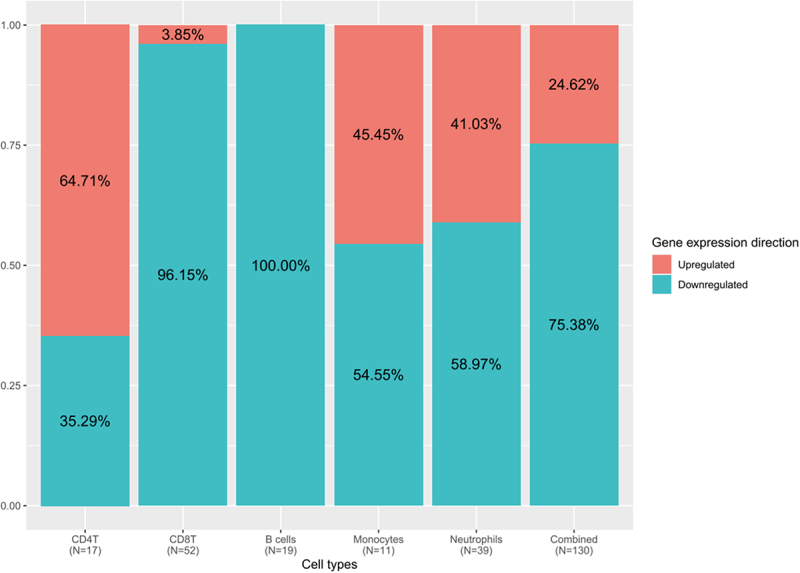 Figure 5
 Figure 6
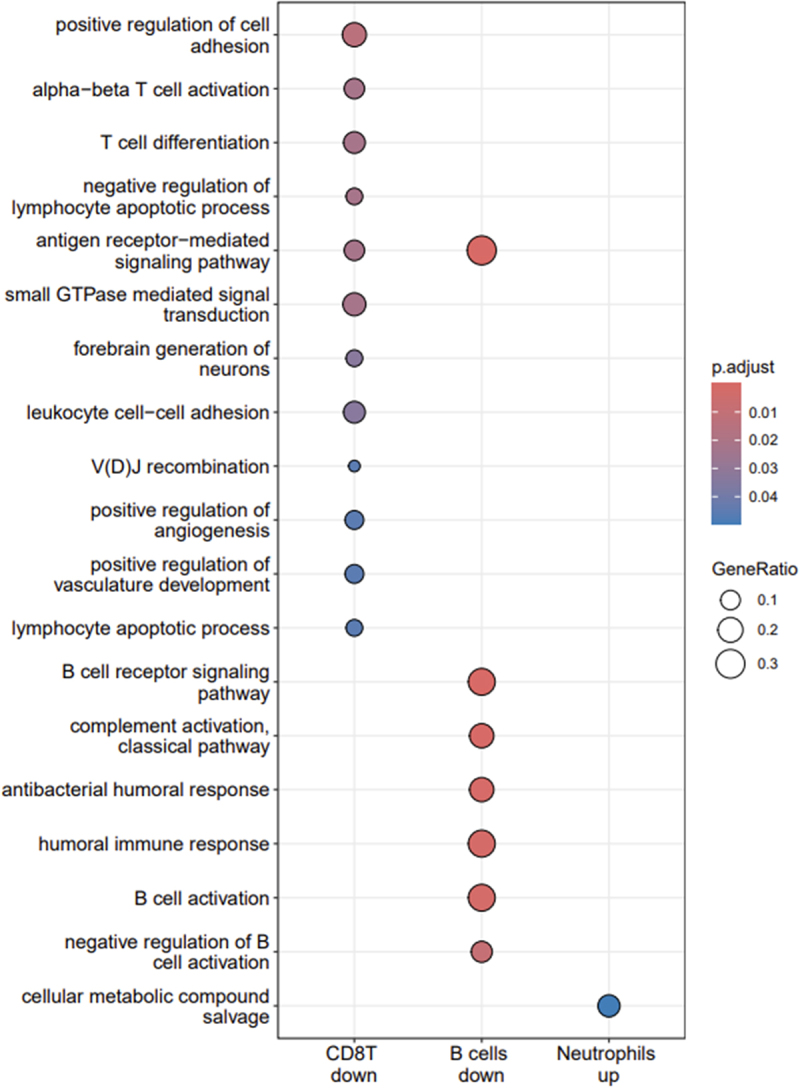 Figure 7
 Figure 8
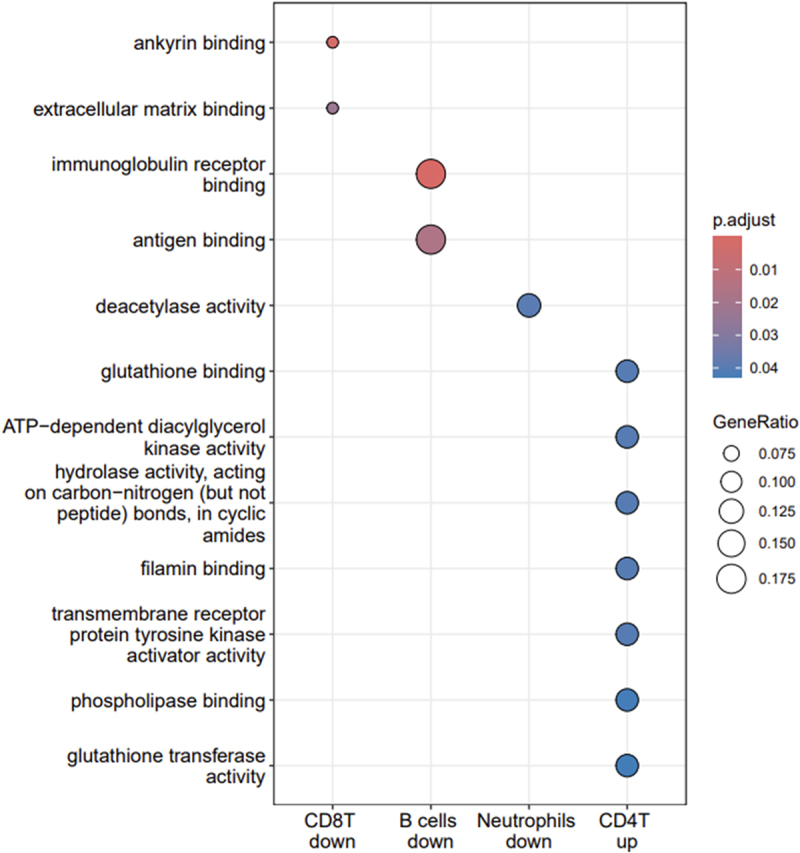 Figure 9
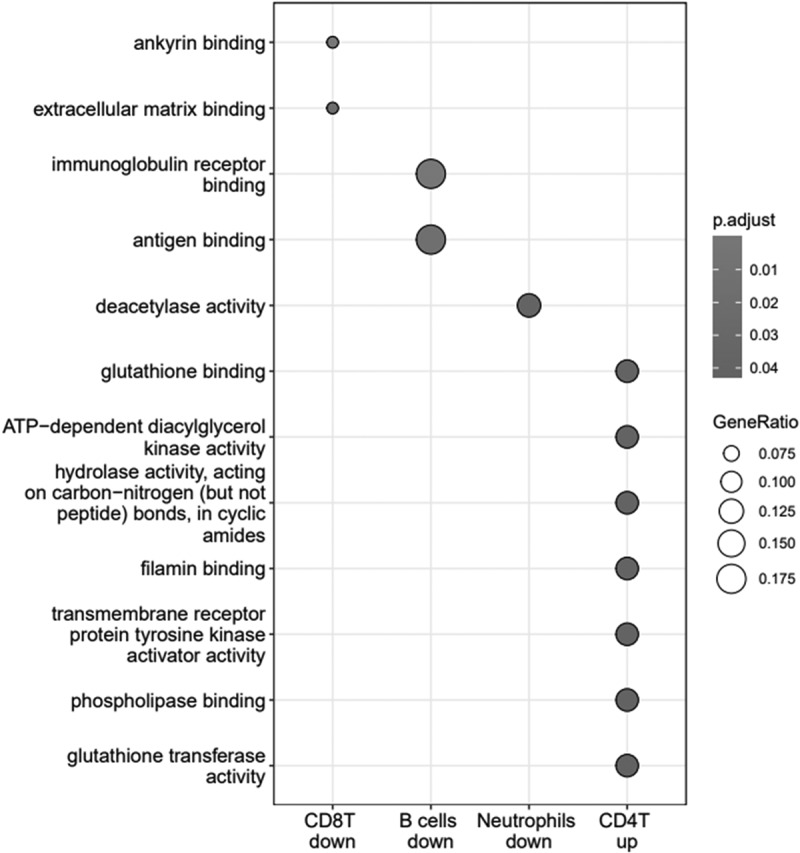 Figure 10
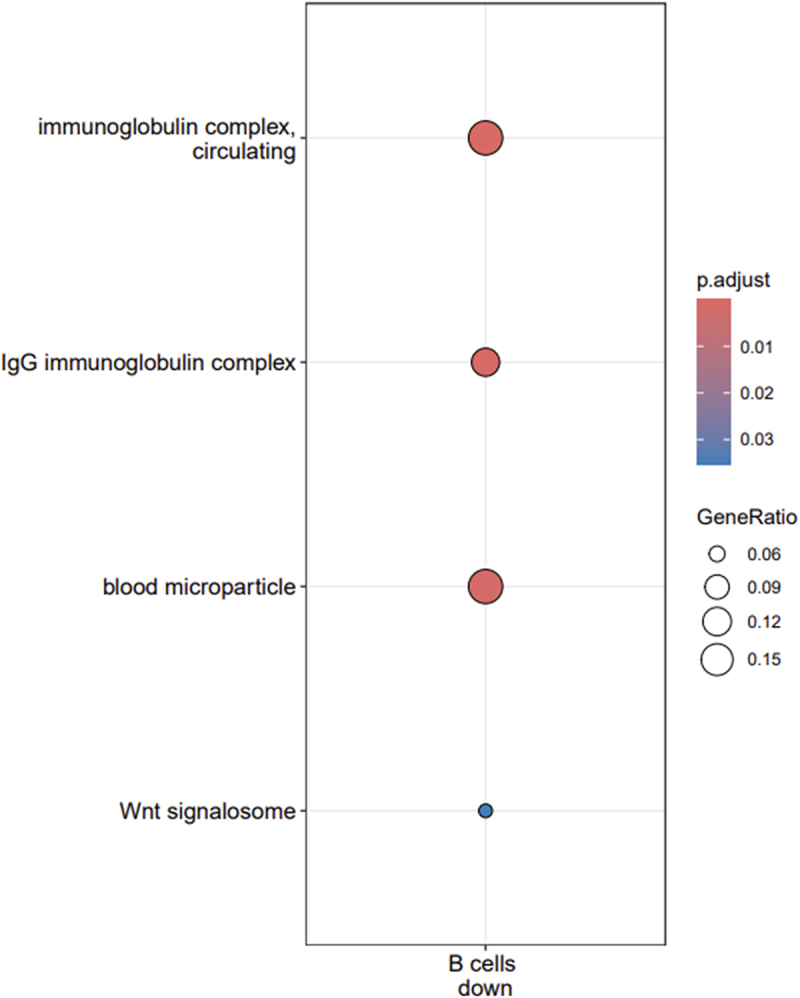 Figure 11
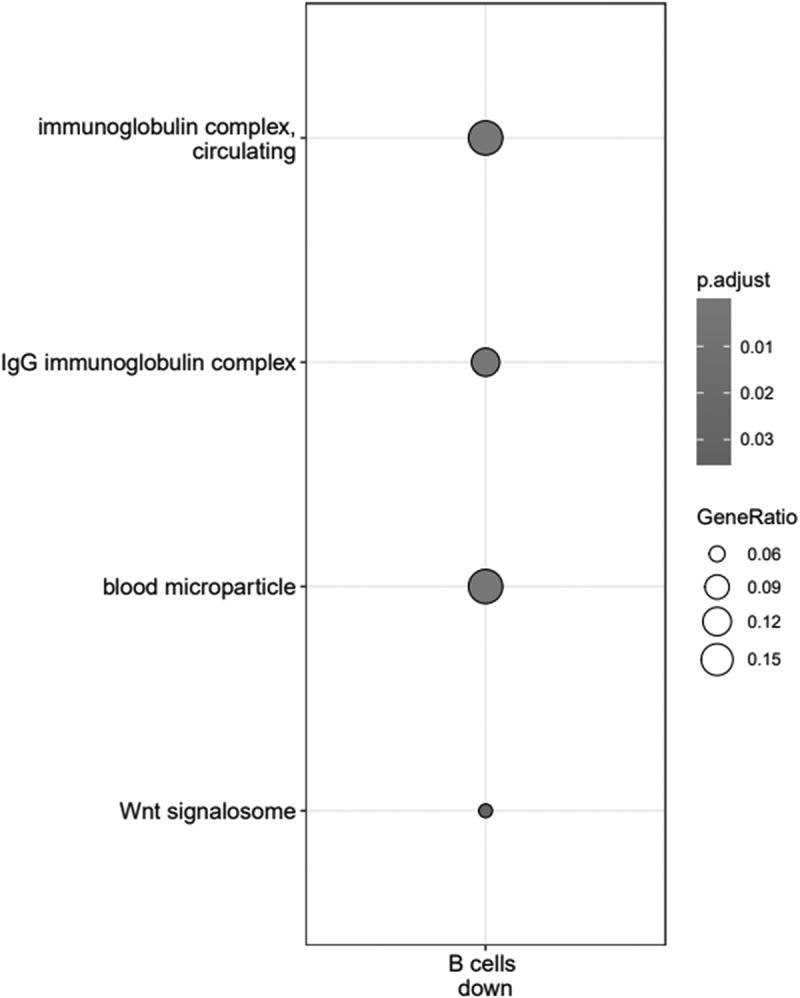 Figure 12
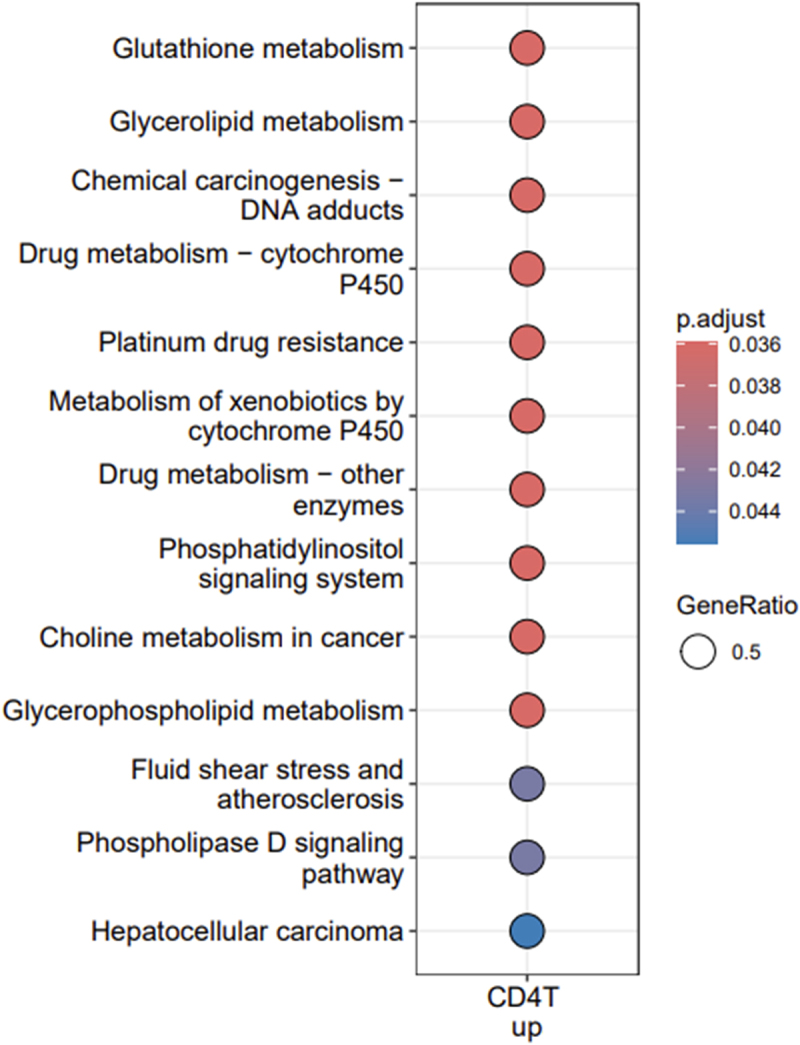 Figure 13
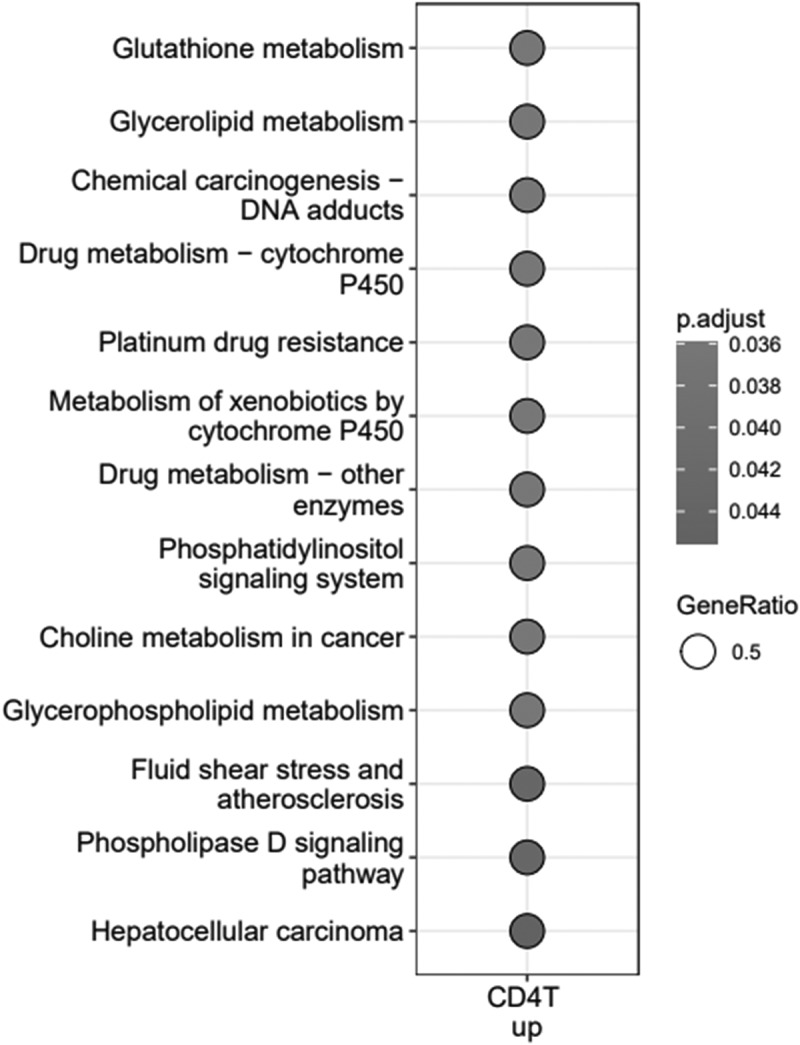 Figure 14
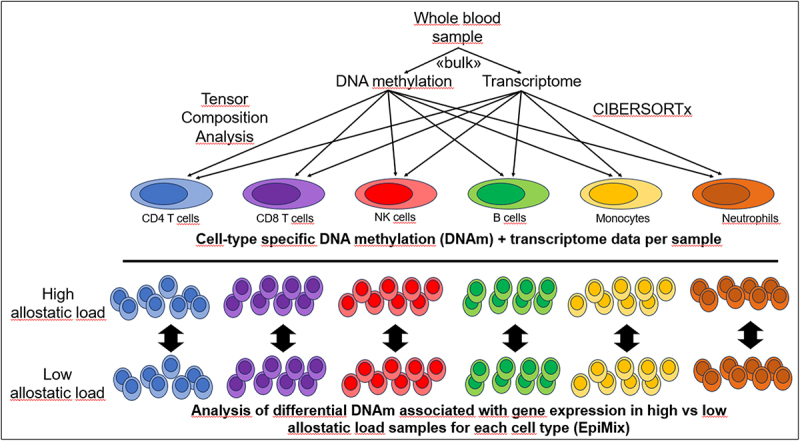 Figure 15
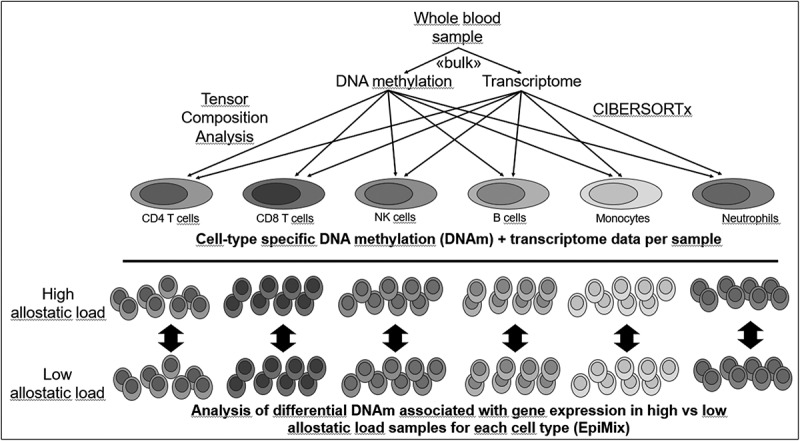 Figure 16
Peer Reviews
No public reviews on file for this paper yet. If you reviewed it on a platform where reviews are public (OpenReview, ICLR, NeurIPS, ICML), you can paste yours below so the community can read it here.
Videos
No videos yet. Explain this paper in a talk, walkthrough, or lecture? Add one.
Taxonomy
TopicsEpigenetics and DNA Methylation · Gut microbiota and health · Immune cells in cancer