Antigenicity in mice of a recombinant Neisseria gonorrhoeae MafA 2/3 protein
Michael M Girgis, Maria Victoria Humbert, Christopher J McCormick, Myron Christodoulides

TL;DR
This study explores the potential of a Neisseria gonorrhoeae protein as a vaccine candidate by testing its ability to induce immune responses in mice.
Contribution
The study demonstrates that the MafA 2/3 outer membrane protein induces bactericidal antibodies in mice and rabbits, suggesting its potential as a gonococcal vaccine component.
Findings
Antisera from mice immunized with rMafA 2/3 showed bactericidal activity against specific gonococcal strains.
Rabbit antisera to rMafA 2/3 was bactericidal for multiple strains and inhibited bacterial association with human cells.
Allele 88 and 90 MafA 2/3 proteins are common in gonococcal isolates and differ by a single amino acid.
Abstract
There are no prophylactic vaccines for preventing the disease gonorrhea, caused by sexually transmitted infection with the Gram-negative pathogen Neisseria gonorrhoeae. In this study, we examined the antigenicity in mice of a recombinant rMafA 2/3 outer membrane protein (OMP). Mice were immunized with rMafA 2/3 with different adjuvants and delivery vehicles, which induced high levels of antibody that recognized the MafA 2/3 protein in i) antigen and OM-ELISA, ii) OM-western blots and iii) on whole bacteria examined with flow cytometry. Antisera to rMafA 2/3 in liposomes with monophosphoryl lipid A (MPLA) and with Zwittergent 3–14 ± MPLA, were bactericidal in vitro for homologous P9-17 (Allele 193) gonococcal strain (median 50% bactericidal titers of 256). Analysis of MafA 2/3 alleles among gonococcal isolates in the PubMLST database showed that ~50% and 26% of gonococci expressed Allele…
Genes, proteins, chemicals, diseases, species, mutations and cell lines named across the full text — each resolved to its canonical identifier and authoritative record.
Click any figure to enlarge with its caption.
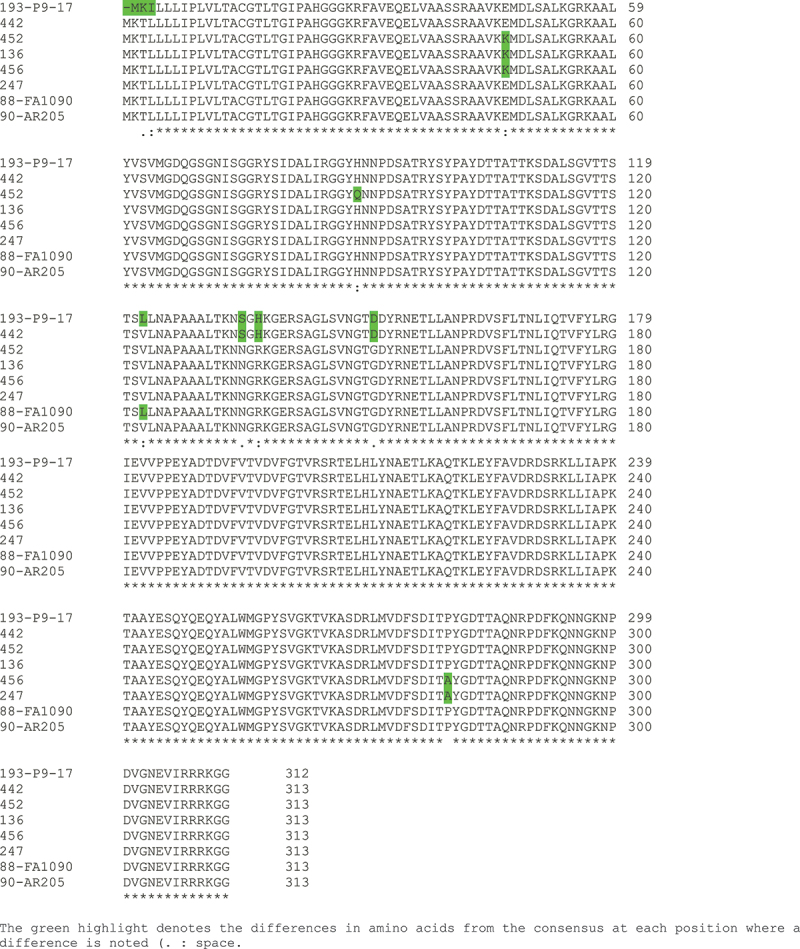 Figure 1
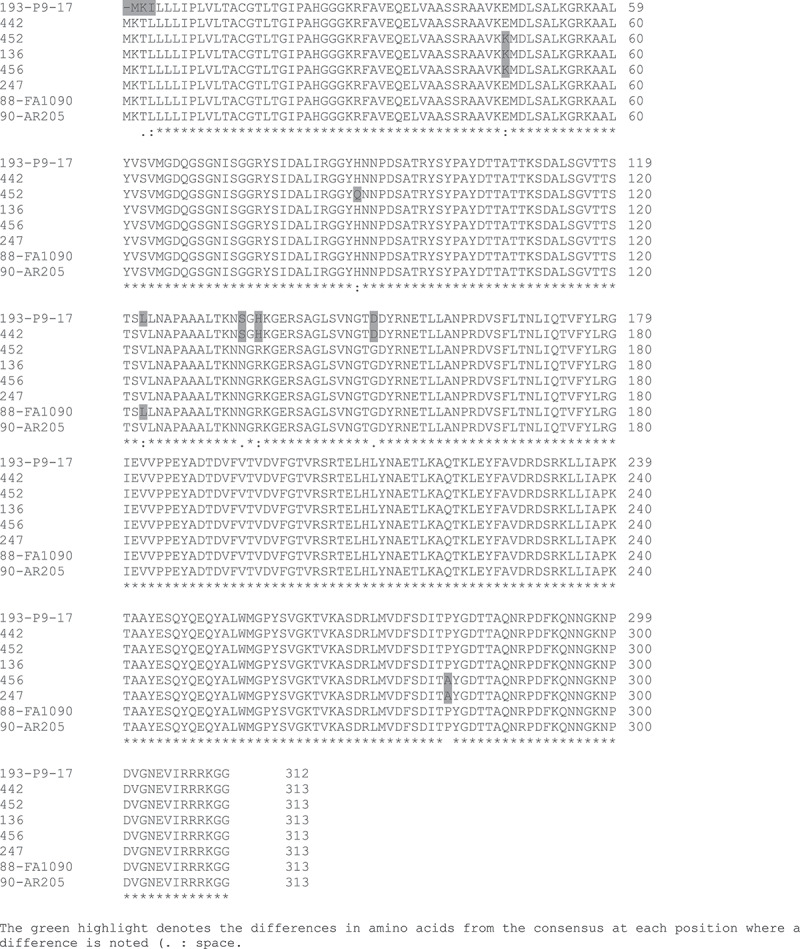 Figure 2
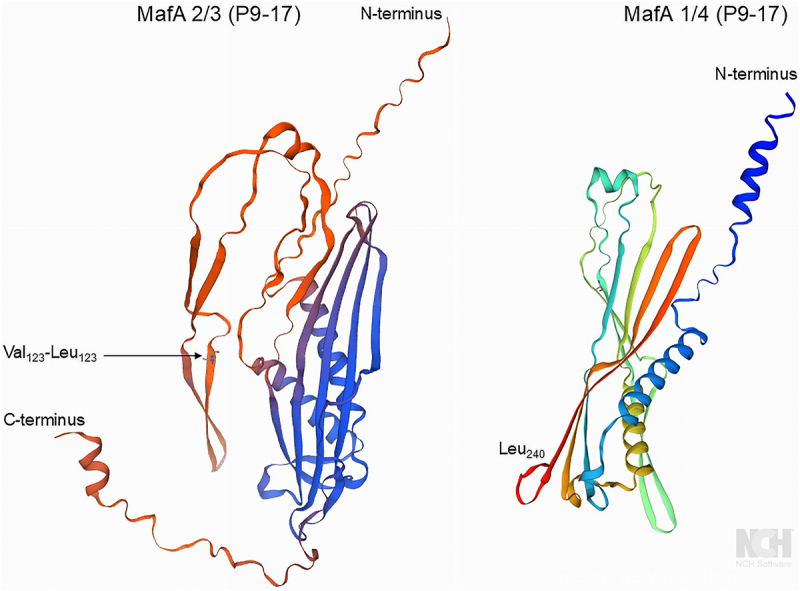 Figure 3
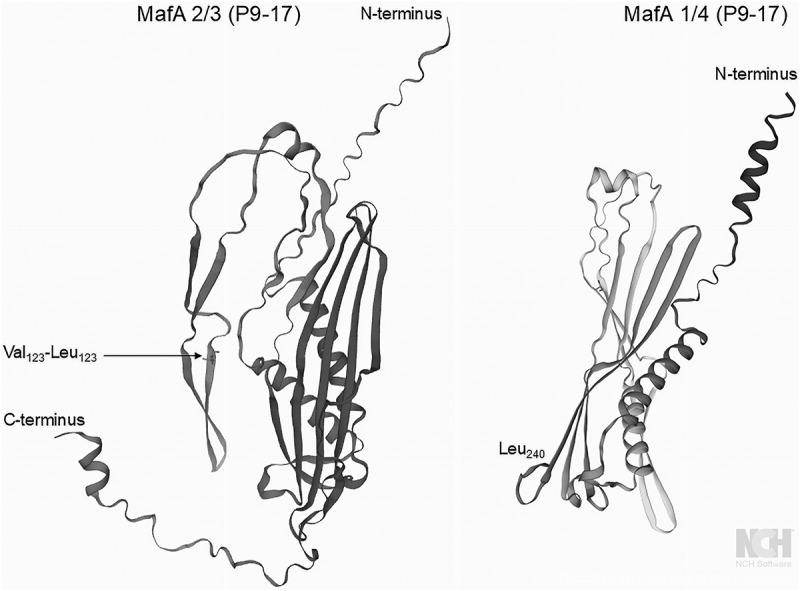 Figure 4
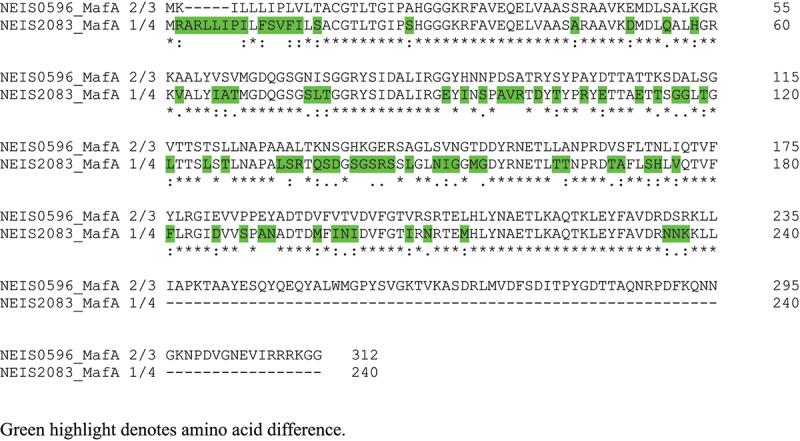 Figure 5
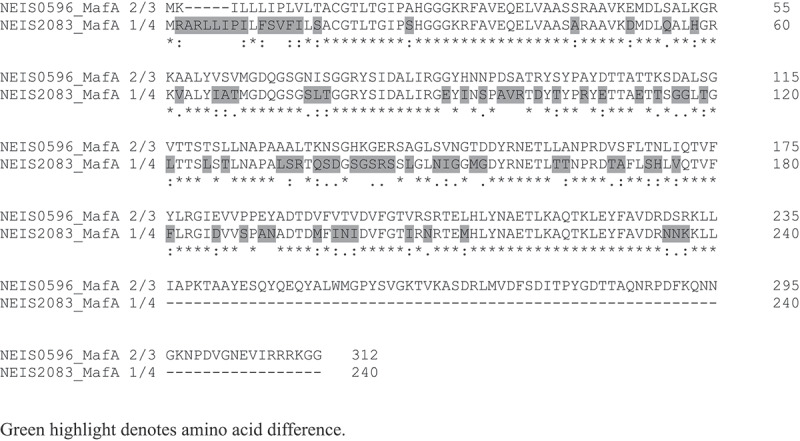 Figure 6
 Figure 7
 Figure 8
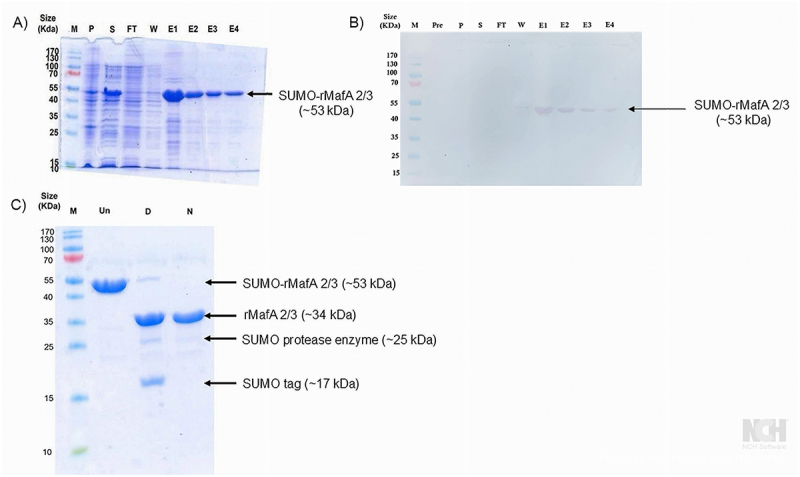 Figure 9
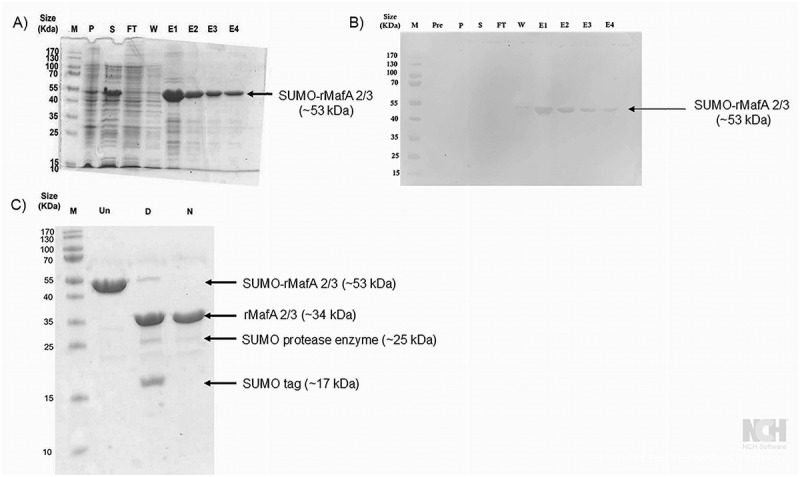 Figure 10
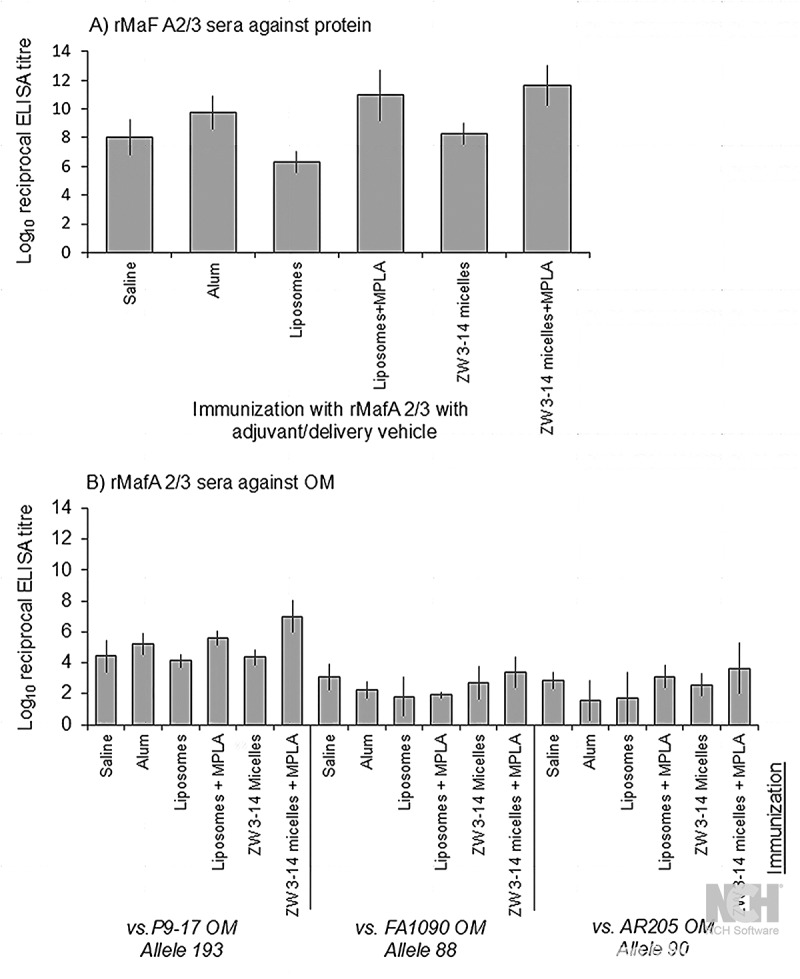 Figure 11
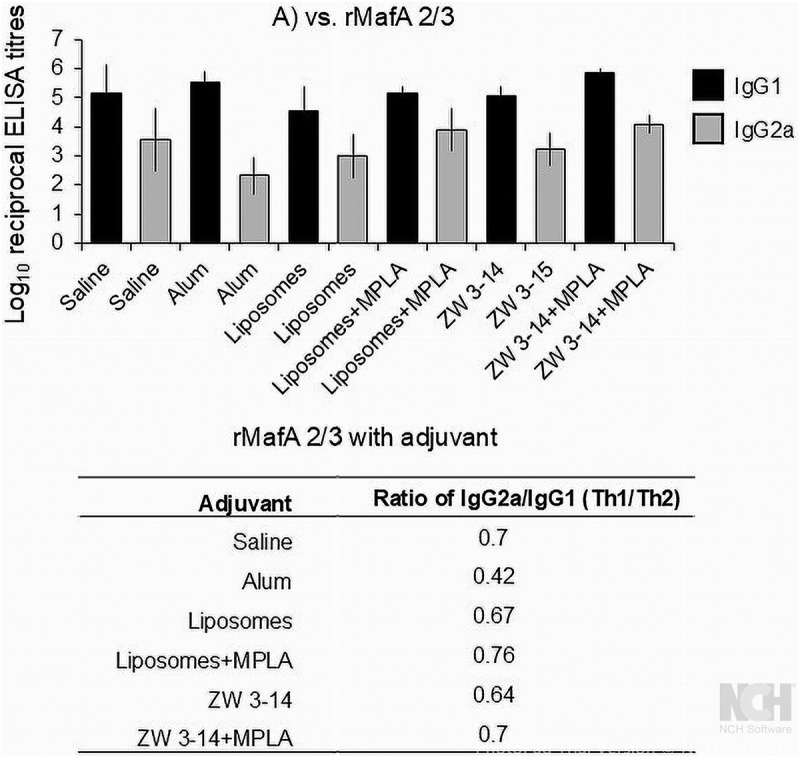 Figure 12
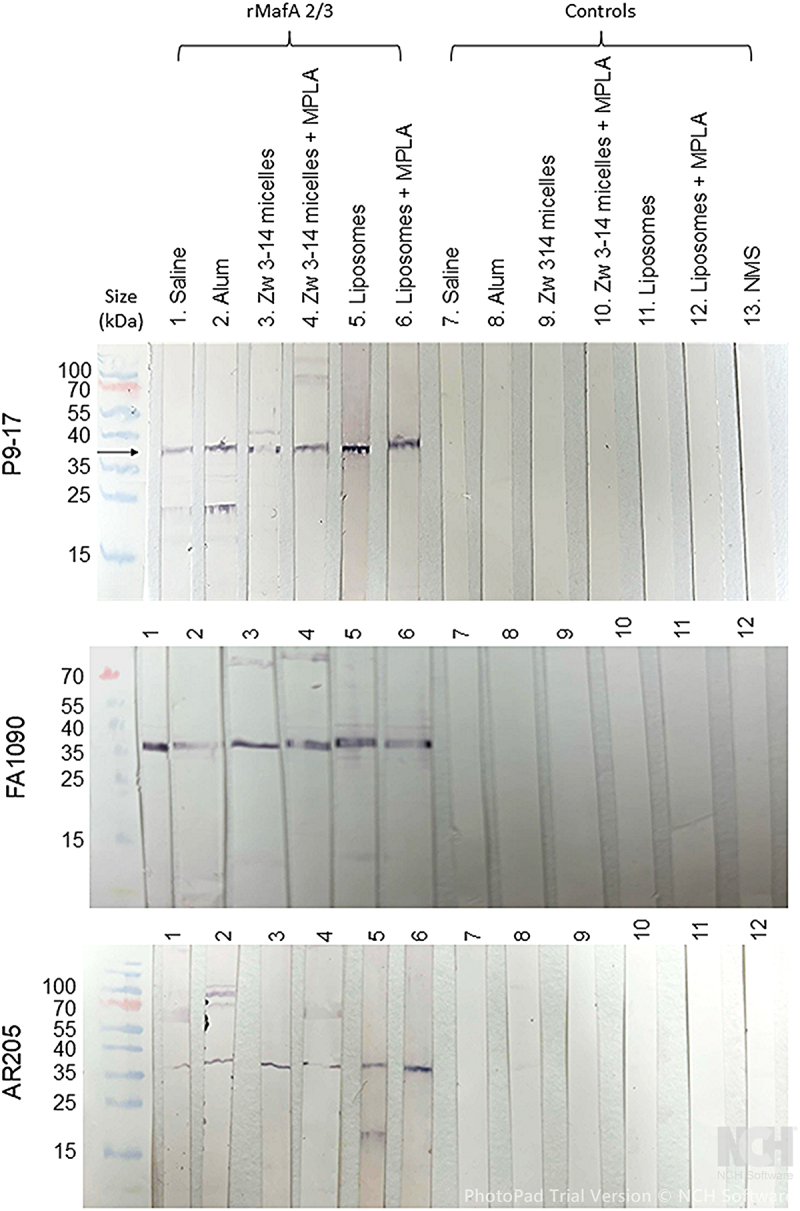 Figure 13
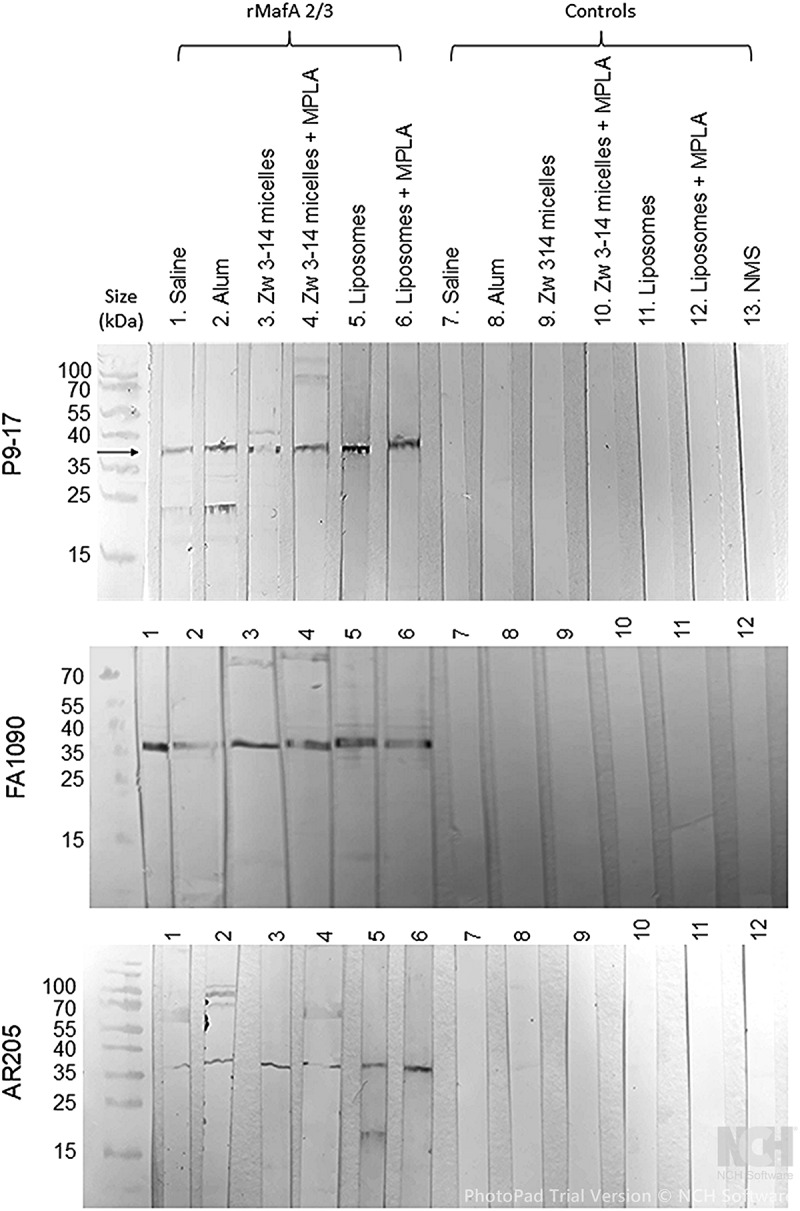 Figure 14
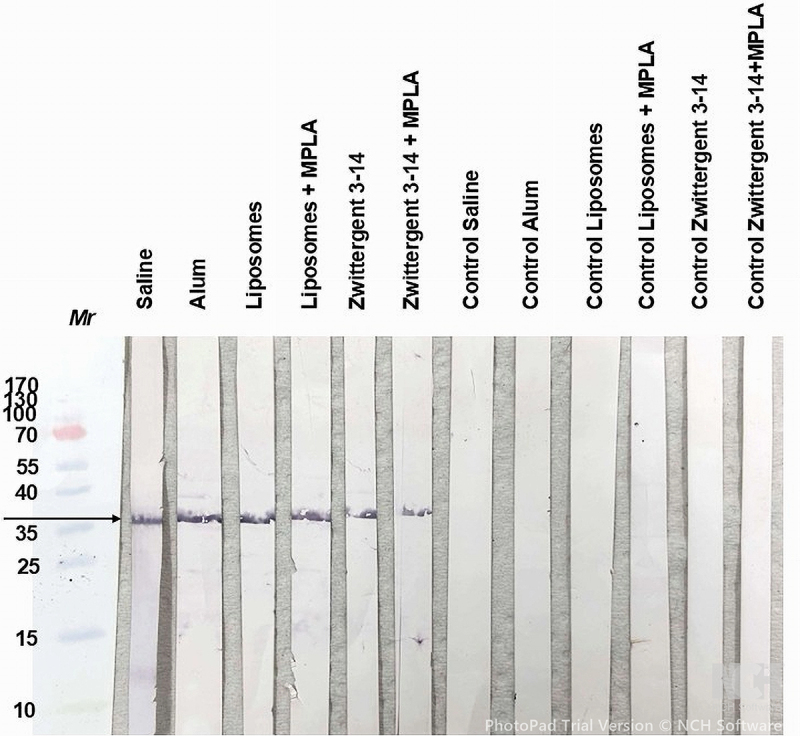 Figure 15
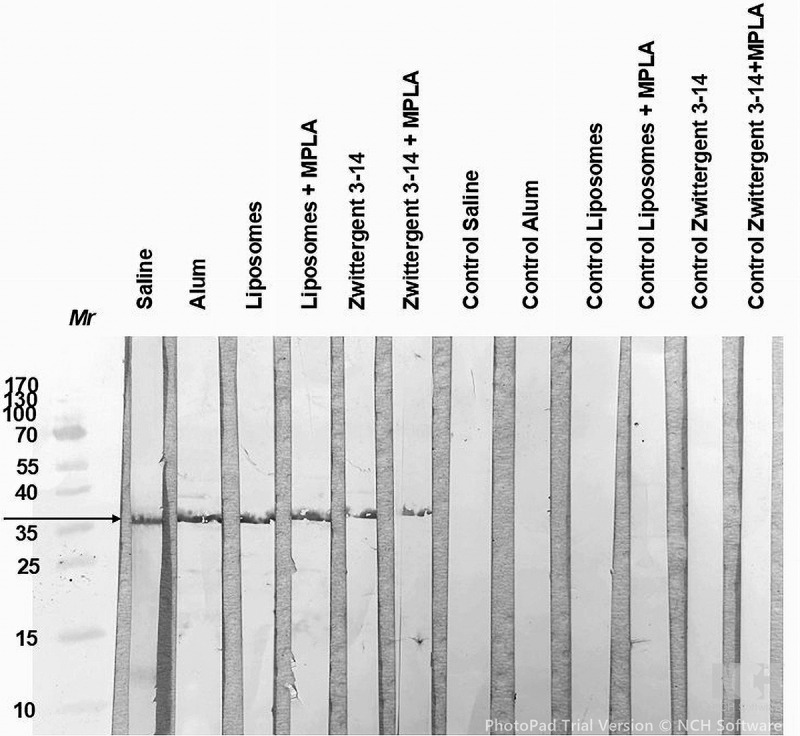 Figure 16
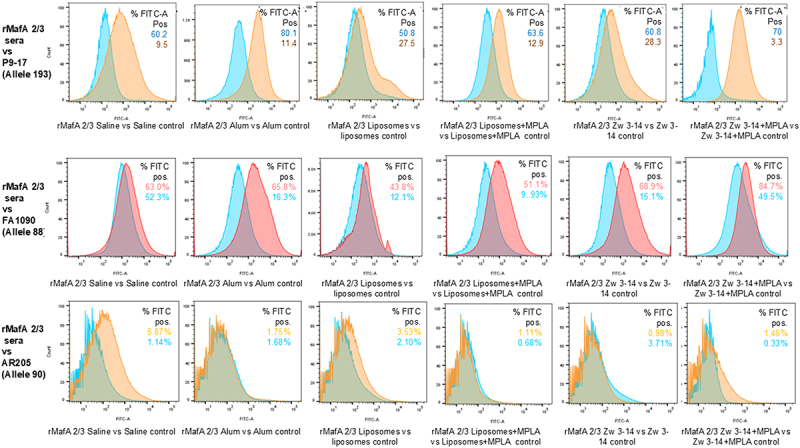 Figure 17
 Figure 18
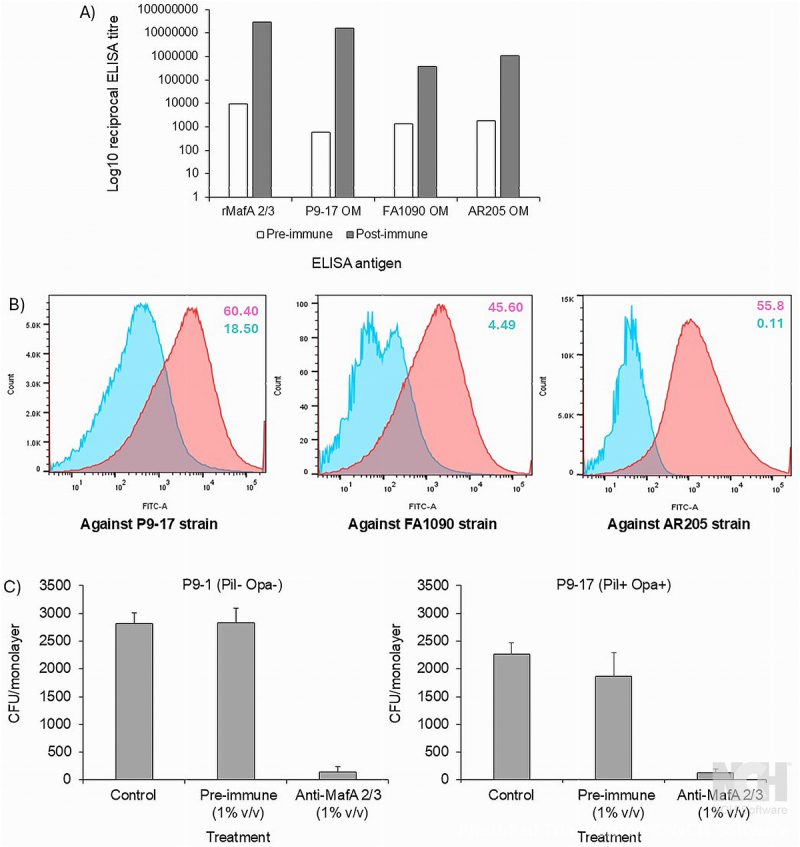 Figure 19
 Figure 20
Peer Reviews
No public reviews on file for this paper yet. If you reviewed it on a platform where reviews are public (OpenReview, ICLR, NeurIPS, ICML), you can paste yours below so the community can read it here.
Videos
No videos yet. Explain this paper in a talk, walkthrough, or lecture? Add one.
Taxonomy
TopicsBacterial Infections and Vaccines · Reproductive tract infections research · Microbial infections and disease research