Seminar in Epileptology: Normal awake and sleep patterns, interictal abnormalities, and ictal patterns on scalp EEG
Juan Luis Alcala‐Zermeno, Roohi Katyal, Birgit Frauscher, Donald Schomer, Michael R. Sperling, Roy Strowd, William O. Tatum, Elaine Wirrell, Sándor Beniczky, Fábio A. Nascimento

TL;DR
This paper discusses the importance of interpreting EEG patterns in epilepsy diagnosis and management, covering normal and abnormal brain activity.
Contribution
The paper provides an educational curriculum from the ILAE to improve EEG interpretation in epilepsy care.
Findings
EEG interpretation is crucial for diagnosing and managing epilepsy.
The ILAE curriculum addresses normal and abnormal EEG patterns and includes advances in EEG analysis.
Understanding ictal and interictal patterns is essential for accurate epilepsy diagnosis.
Abstract
The accurate interpretation of scalp EEG remains an instrumental diagnostic component of epilepsy care. Knowledge of what constitutes normal EEG findings, non‐epileptiform abnormalities, and epileptiform patterns—both ictal and interictal—is essential for appropriate patient management. The International League Against Epilepsy (ILAE) has developed an educational curriculum containing learning objectives necessary to accurately diagnose and manage people with epilepsy. In this Seminar in Epileptology, we address the learning objectives related to assessment and interpretation of EEG background activity, normal sleep patterns, provocation methods, interictal abnormalities, and ictal patterns, as well as a brief discussion on relevant advances in scalp EEG analysis and future perspectives on this topic.
Genes, proteins, chemicals, diseases, species, mutations and cell lines named across the full text — each resolved to its canonical identifier and authoritative record.
Click any figure to enlarge with its caption.
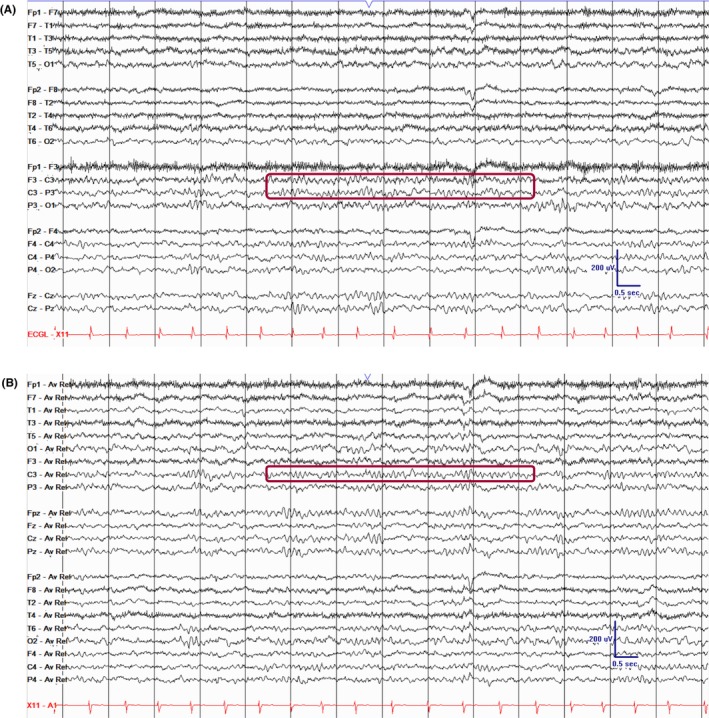 Figure 1
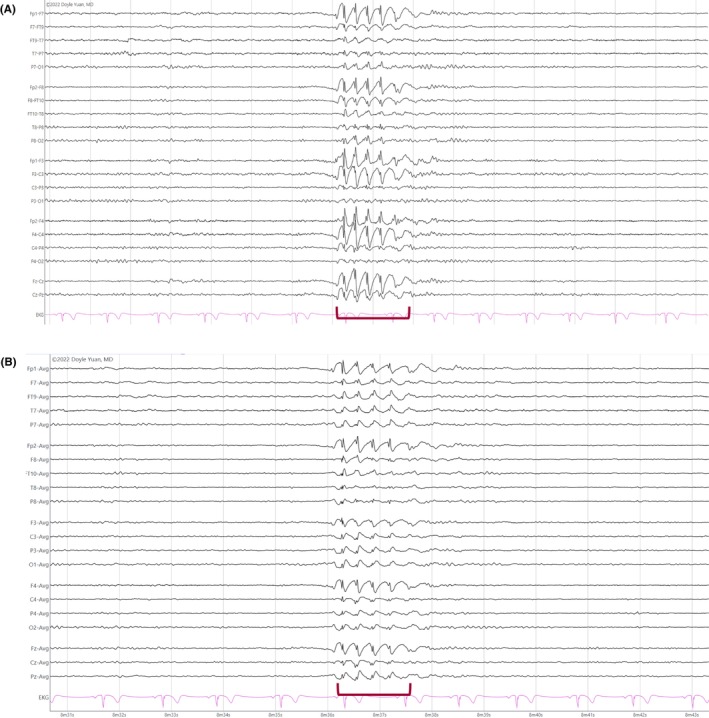 Figure 2
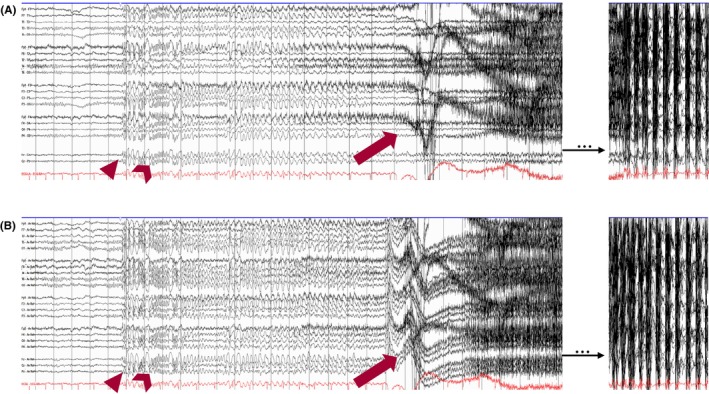 Figure 3
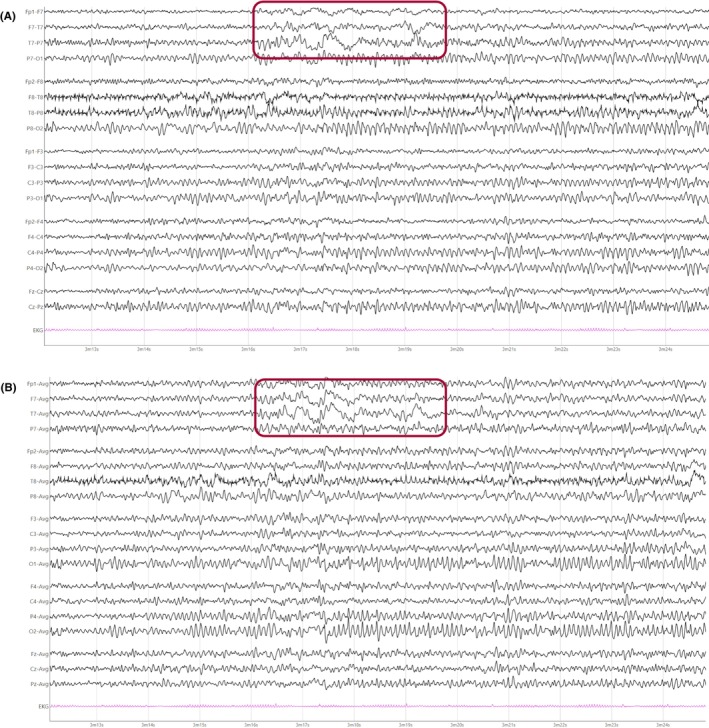 Figure 4
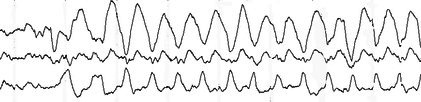 Figure 5
 Figure 6
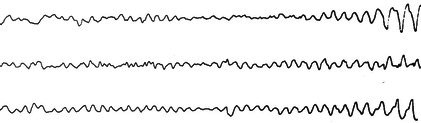 Figure 7
 Figure 8
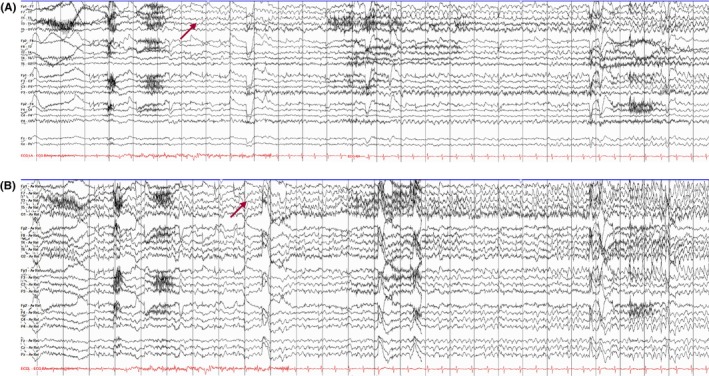 Figure 9
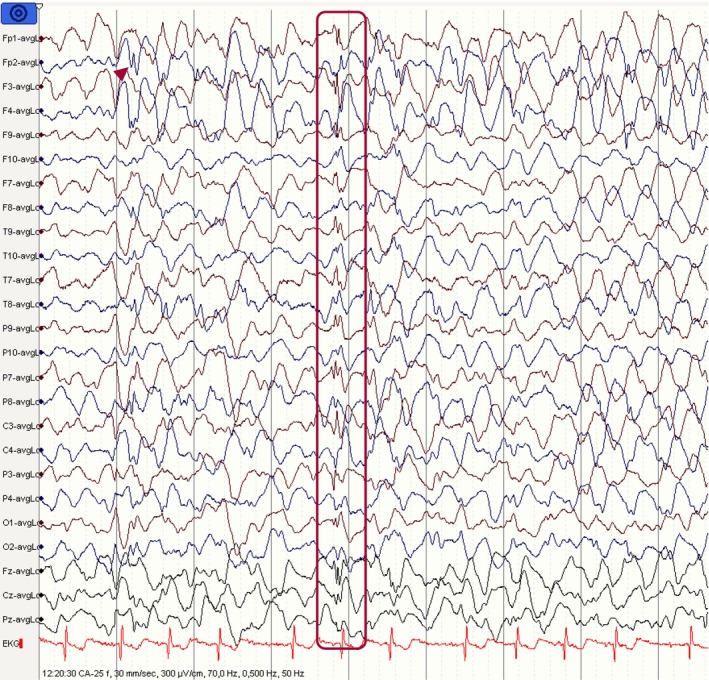 Figure 10
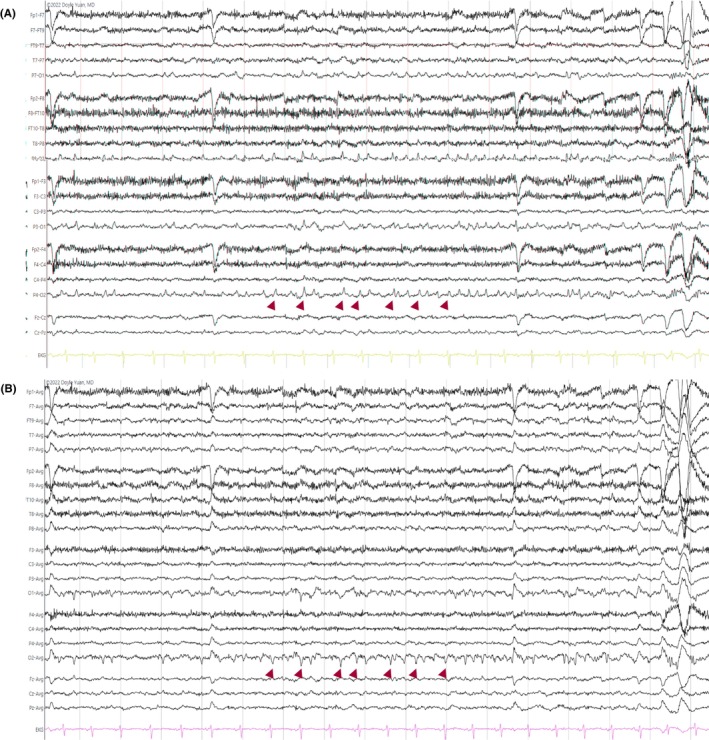 Figure 11
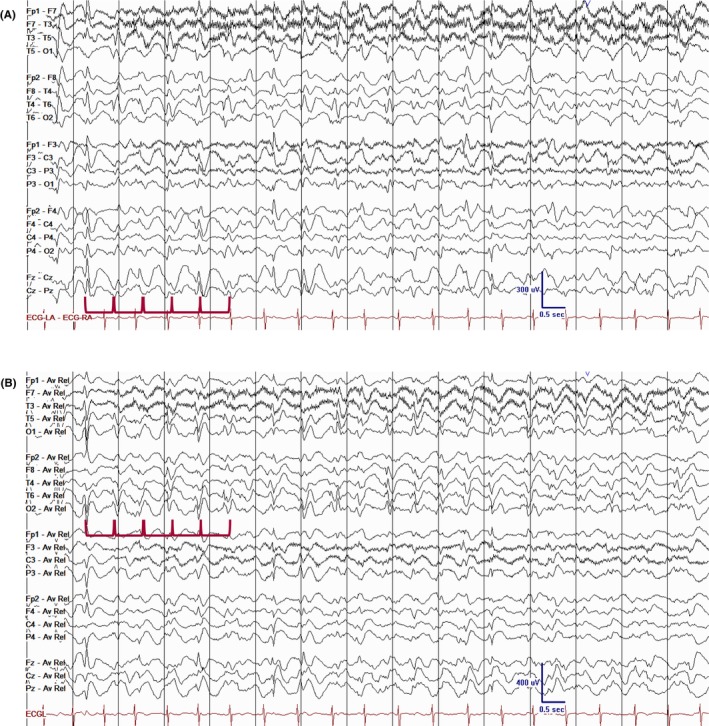 Figure 12
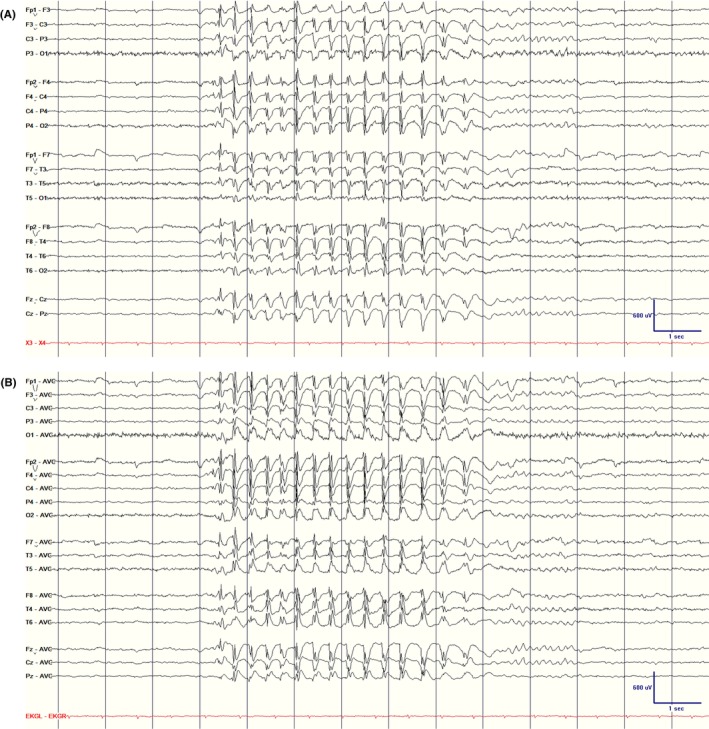 Figure 13
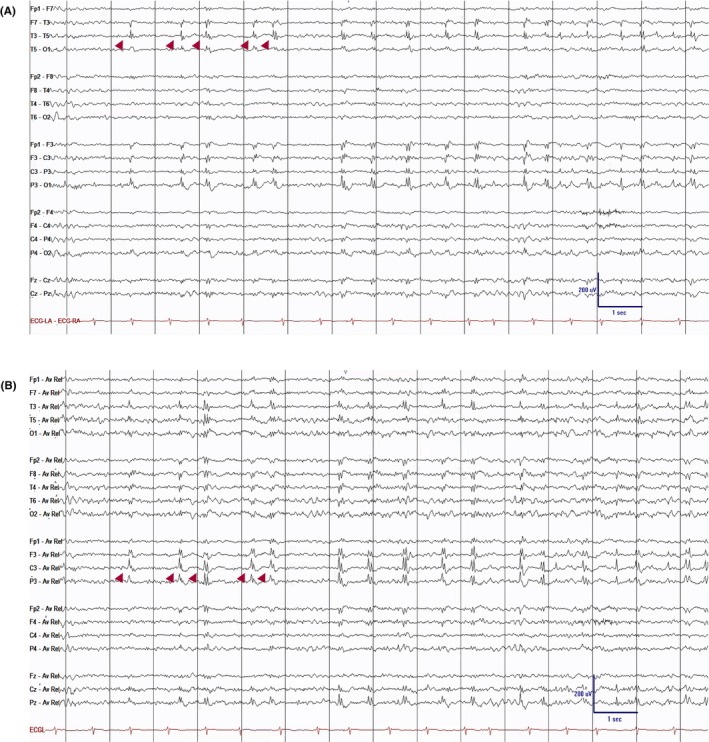 Figure 14
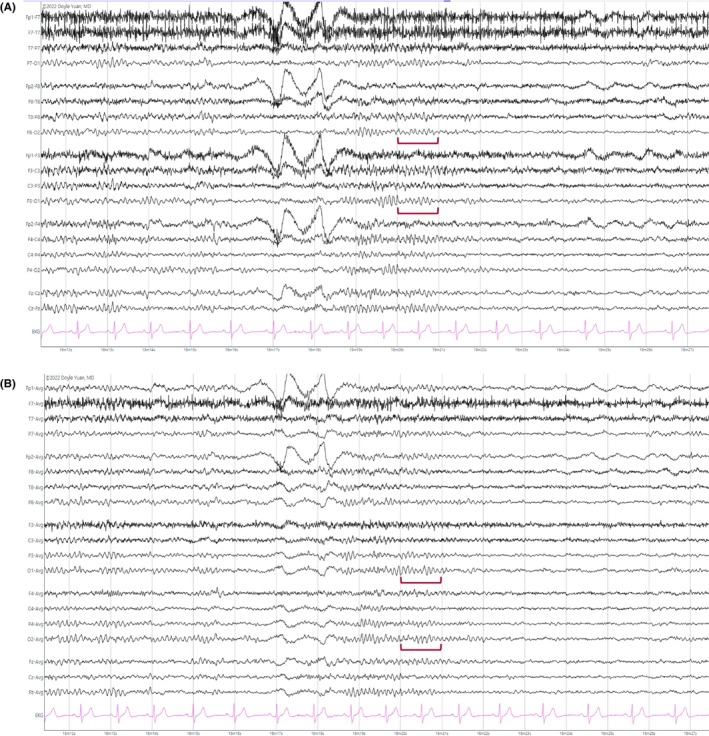 Figure 15
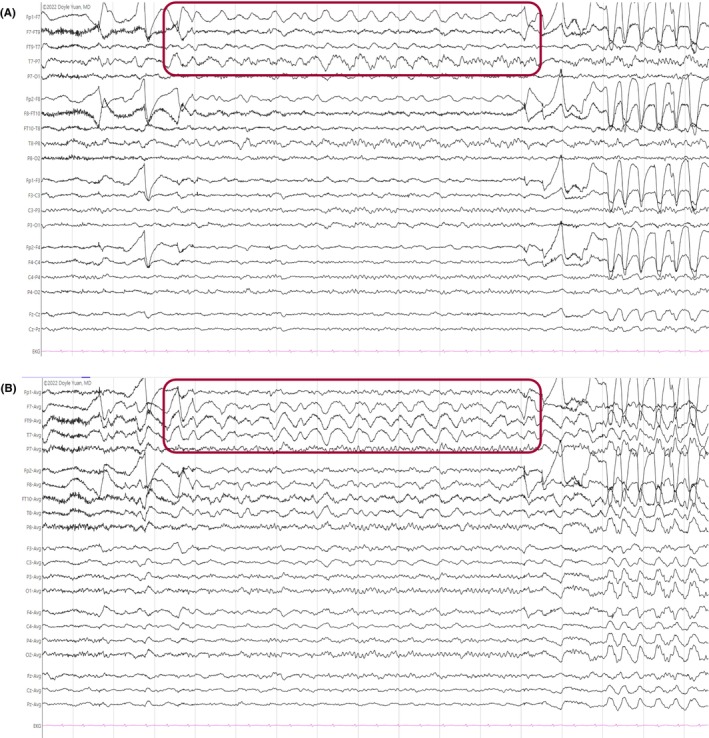 Figure 16
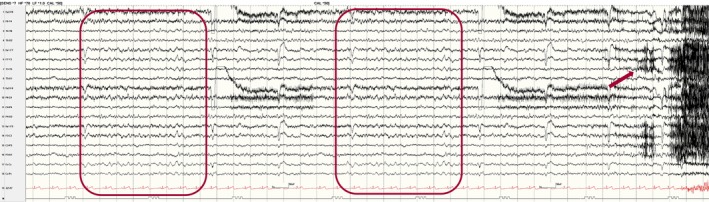 Figure 17
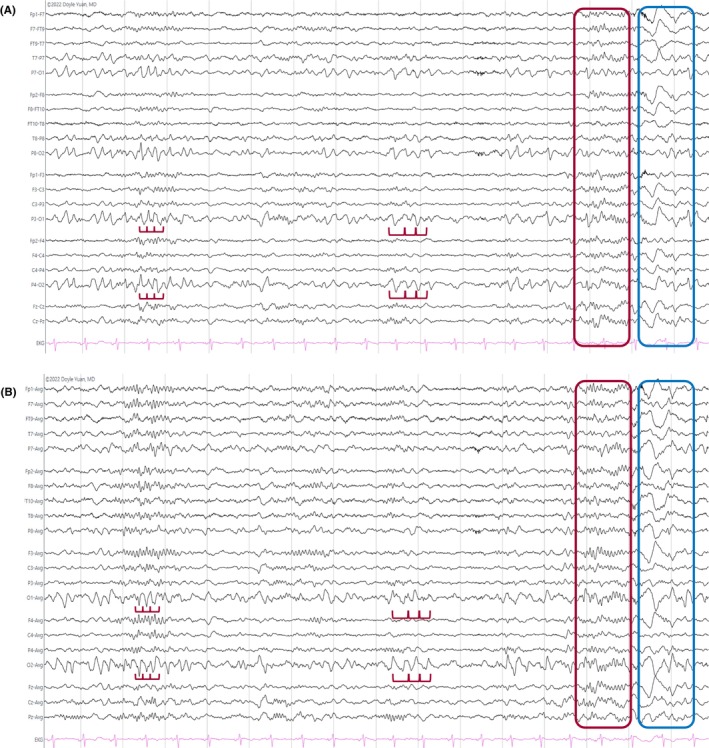 Figure 18
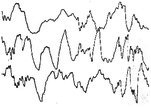 Figure 19
 Figure 20
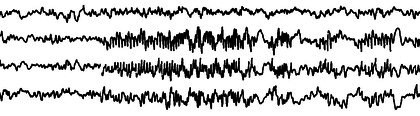 Figure 21
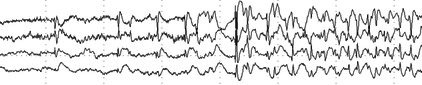 Figure 22
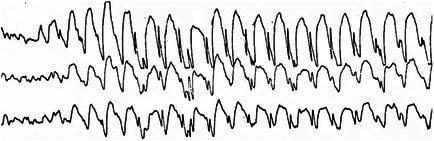 Figure 23
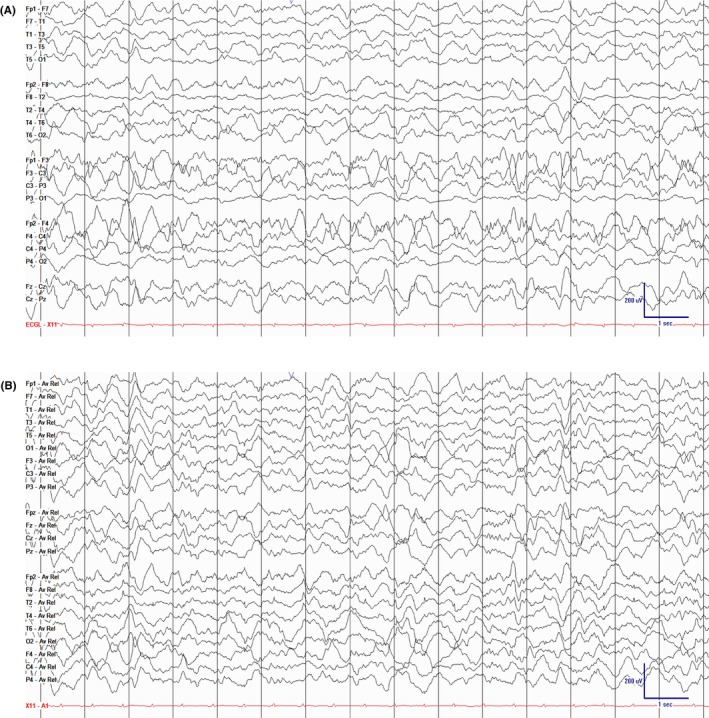 Figure 24
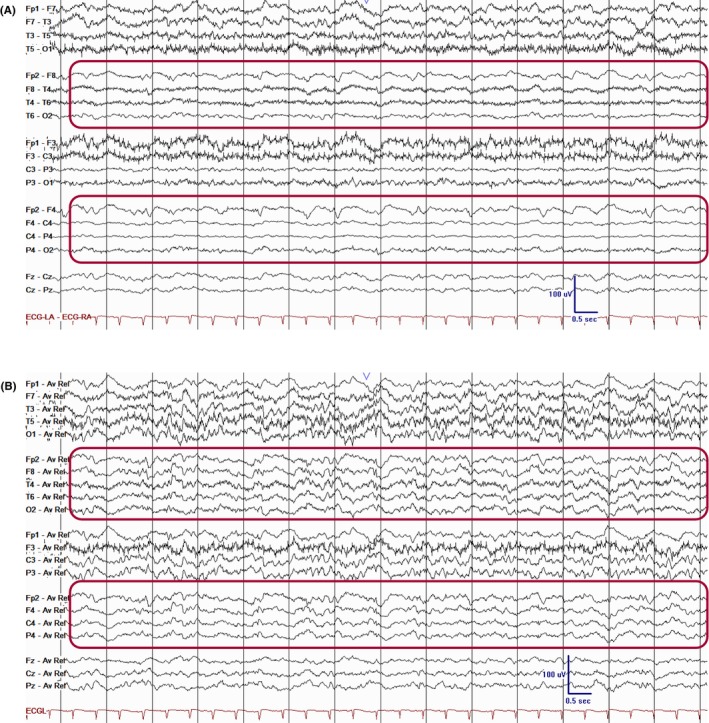 Figure 25
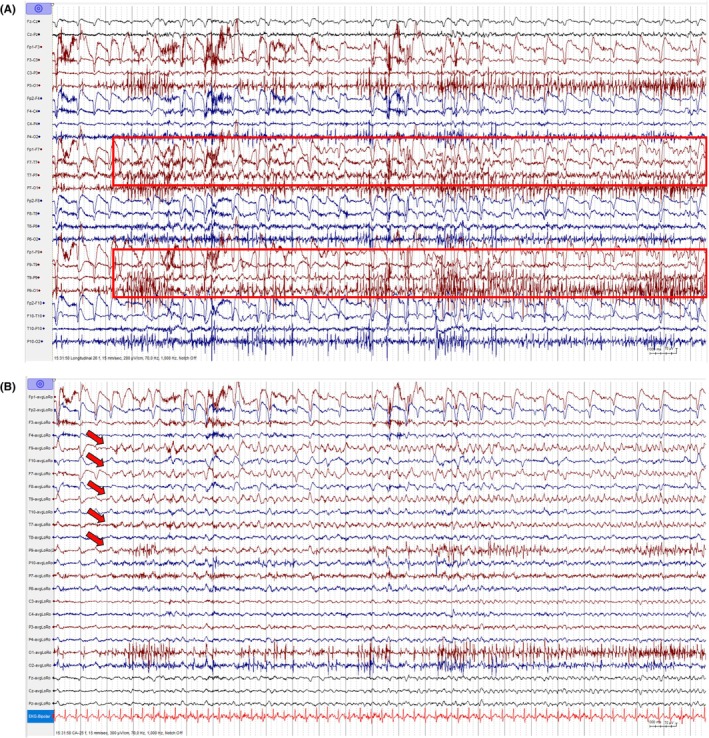 Figure 26
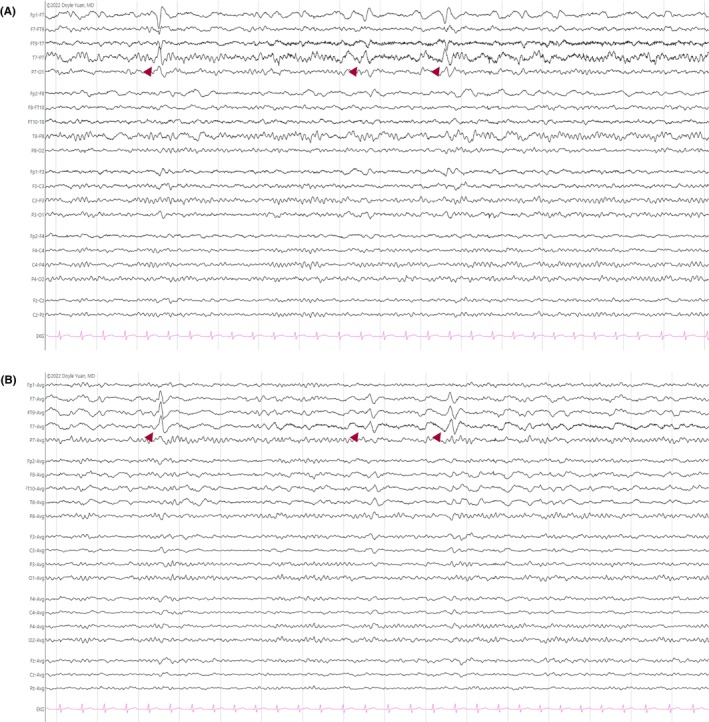 Figure 27
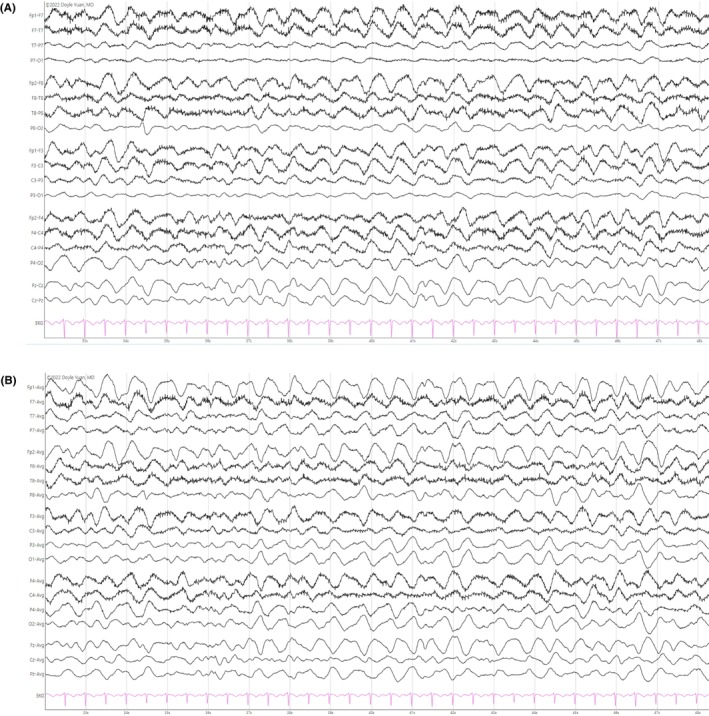 Figure 28
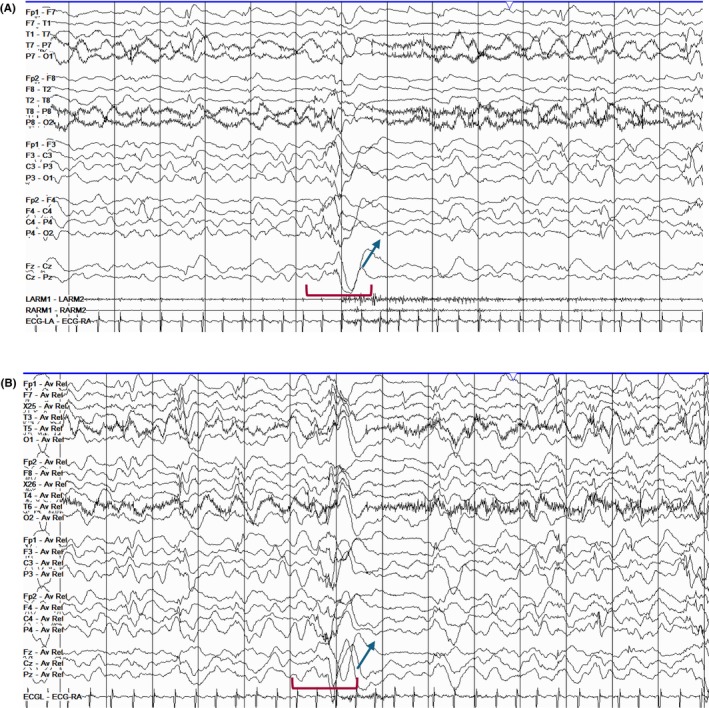 Figure 29
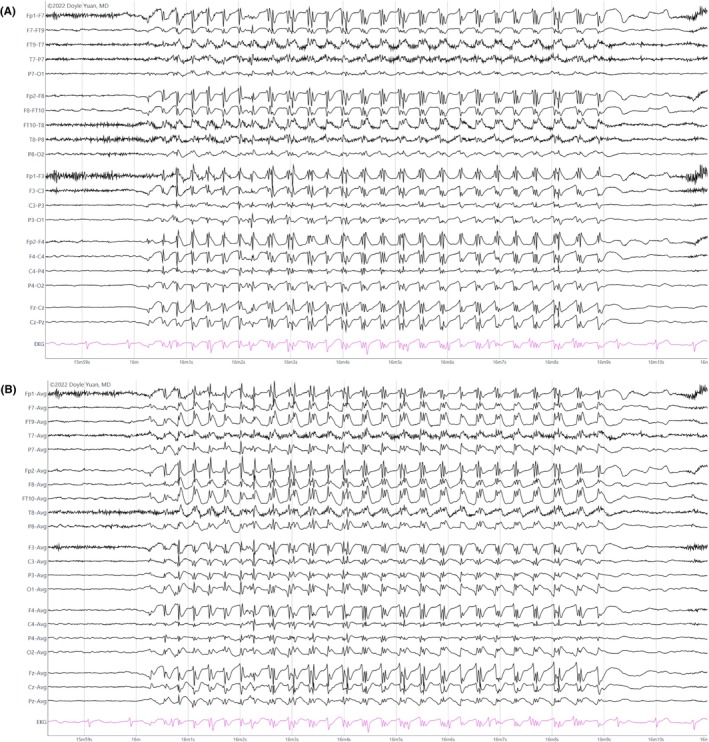 Figure 30
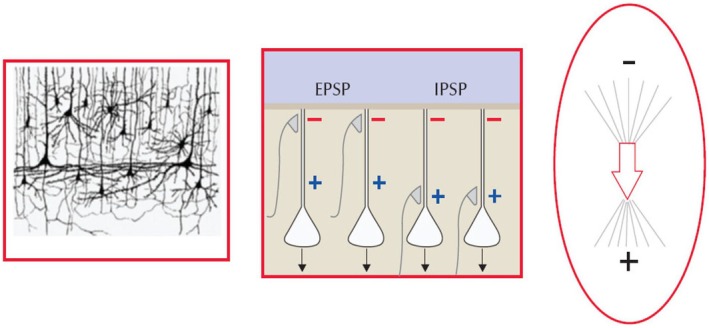 Figure 31
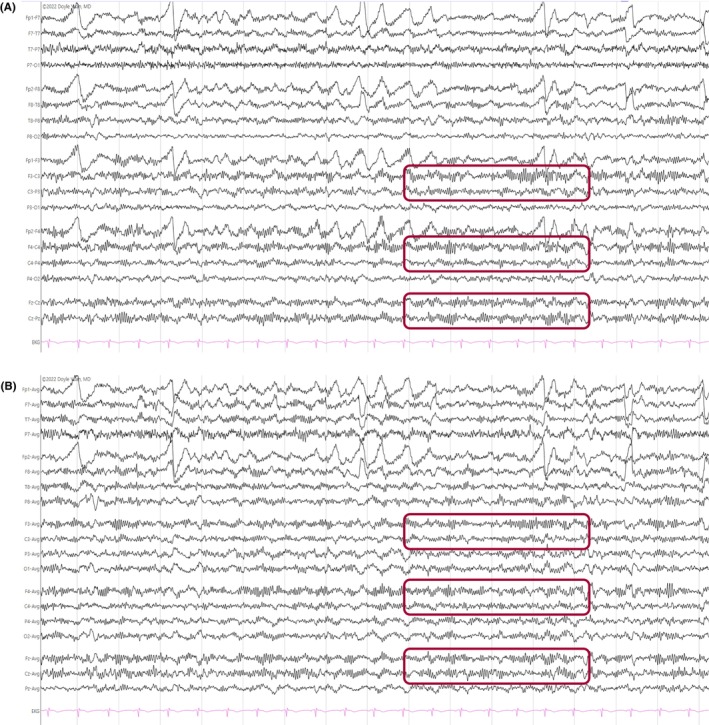 Figure 32
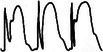 Figure 33
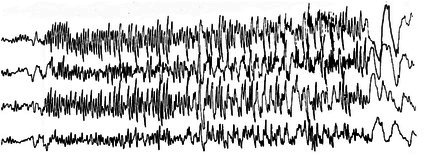 Figure 34
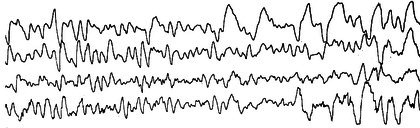 Figure 35
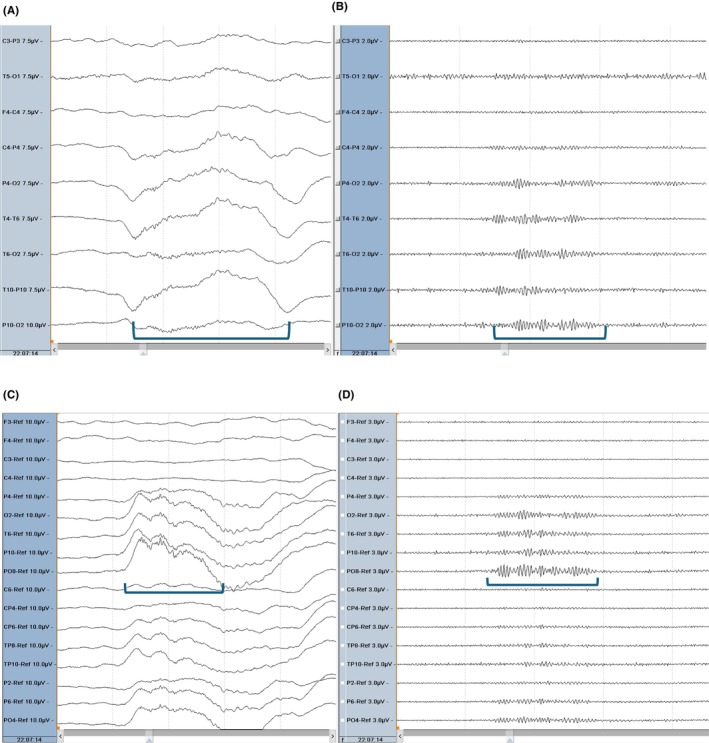 Figure 36
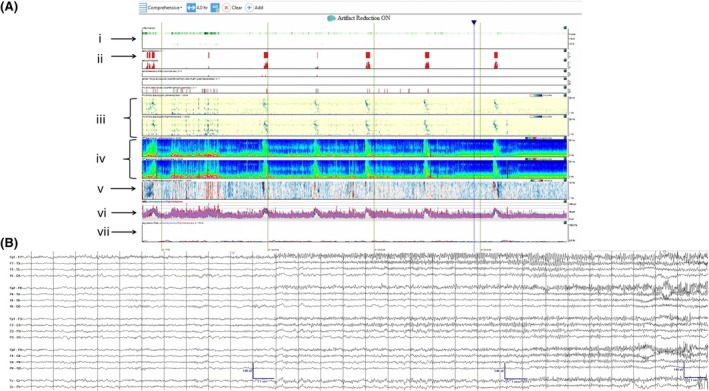 Figure 37
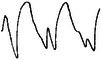 Figure 38
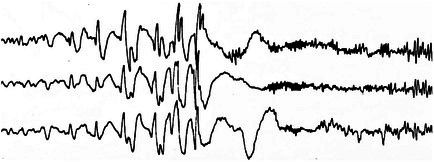 Figure 39
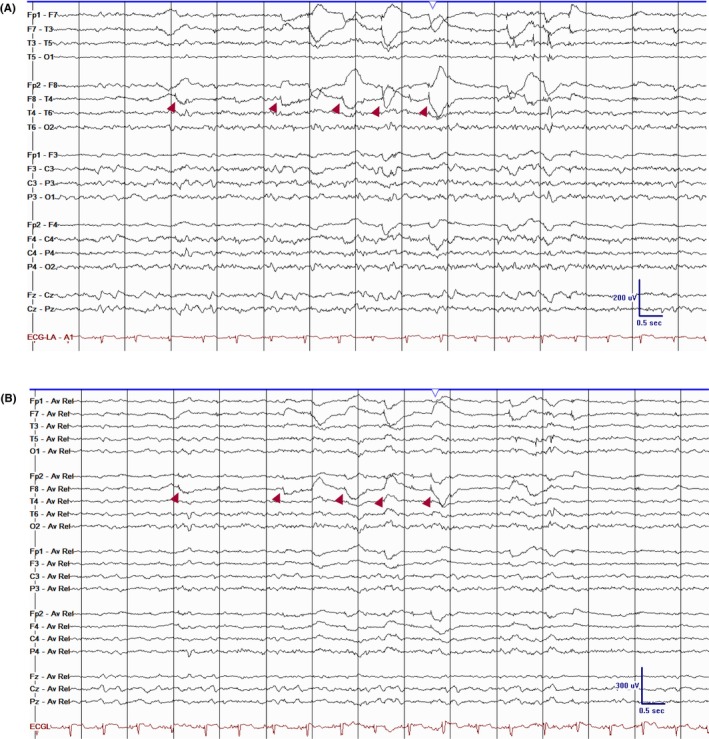 Figure 40
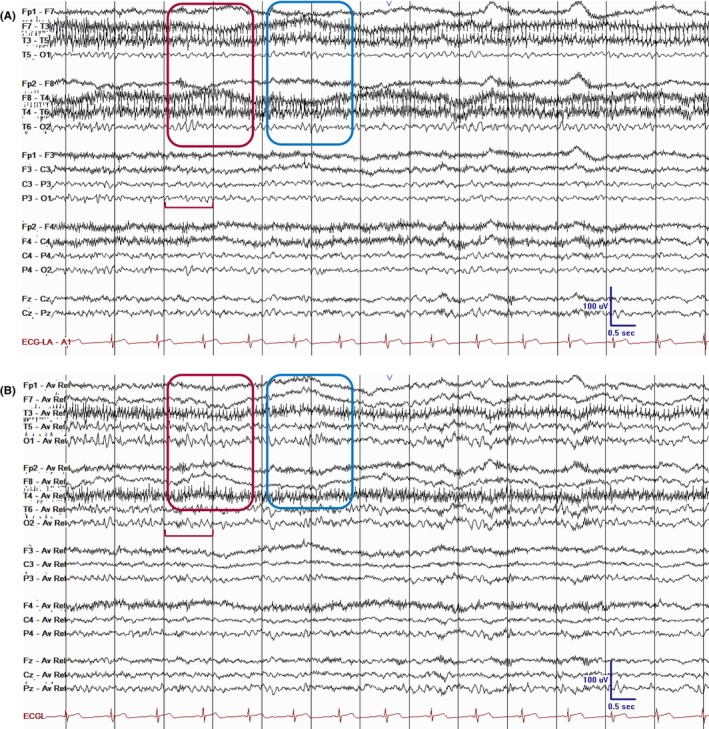 Figure 41
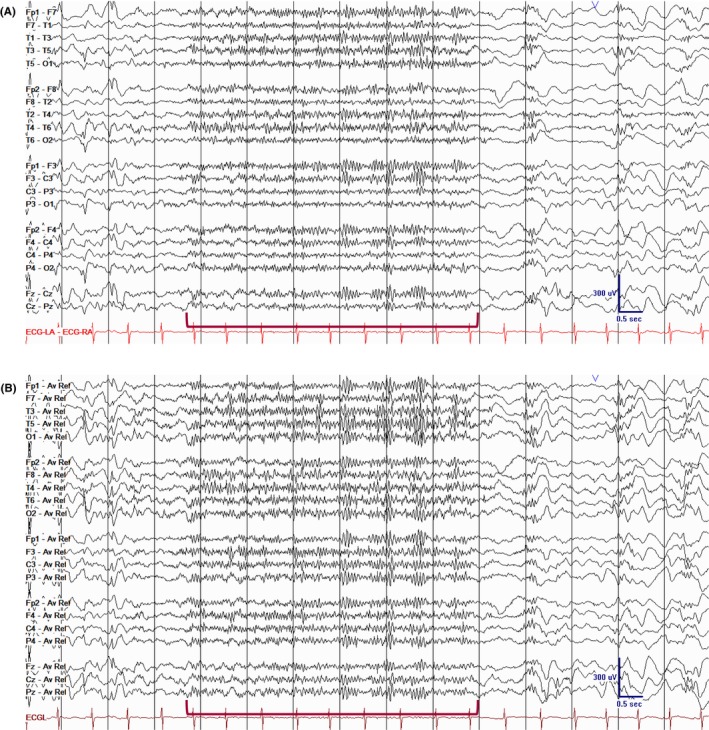 Figure 42
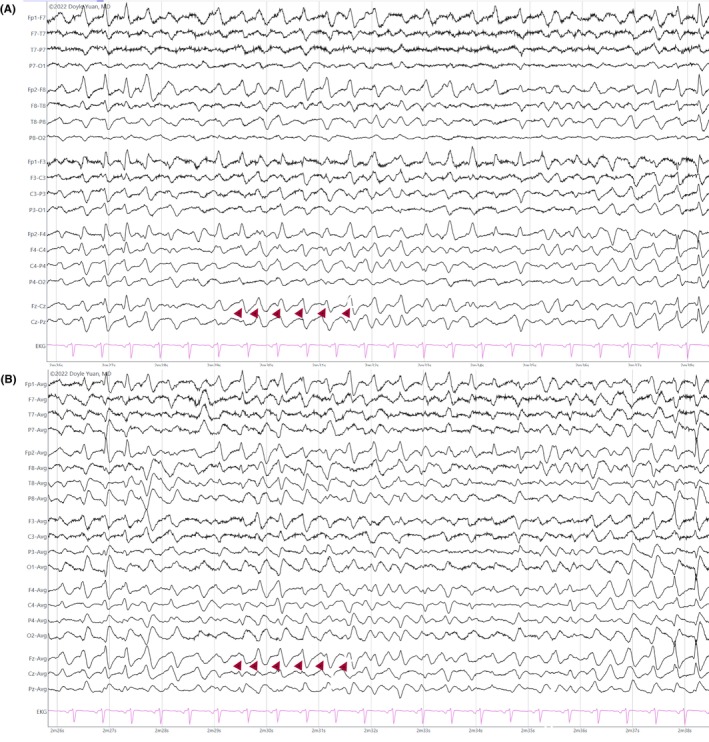 Figure 43
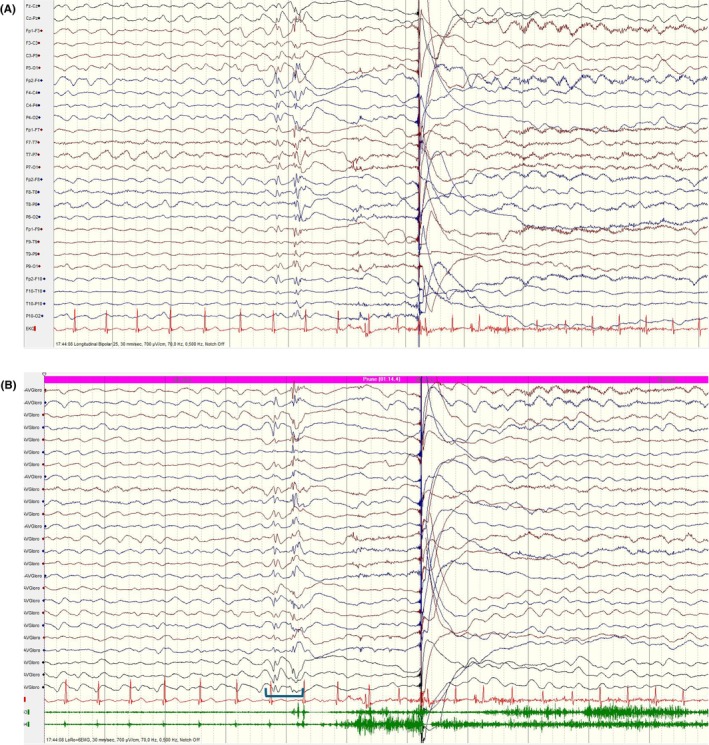 Figure 44
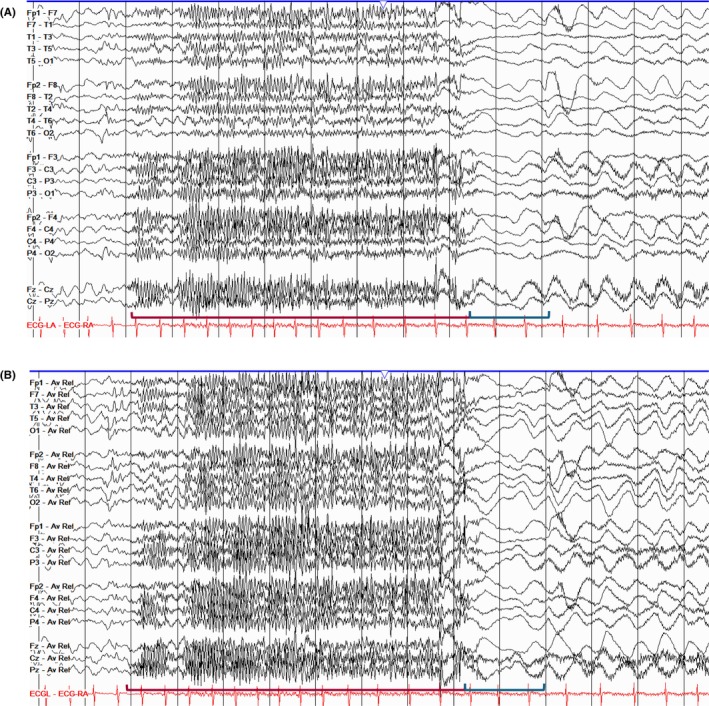 Figure 45
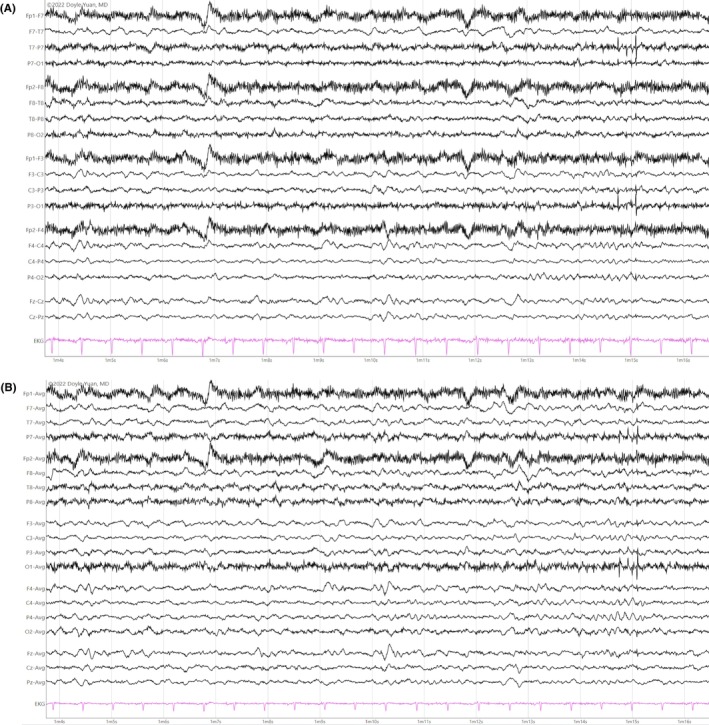 Figure 46
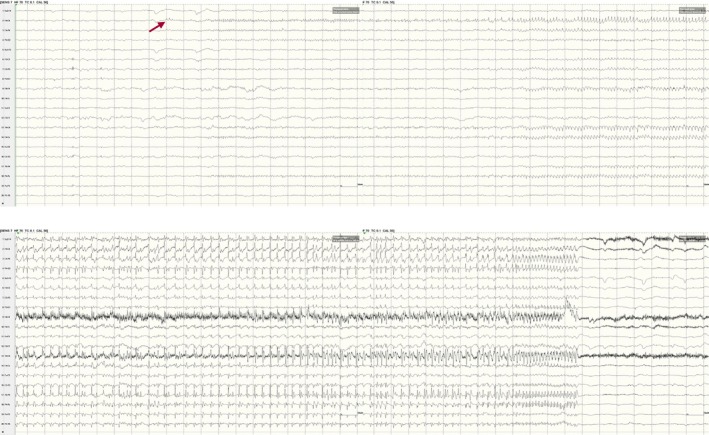 Figure 47
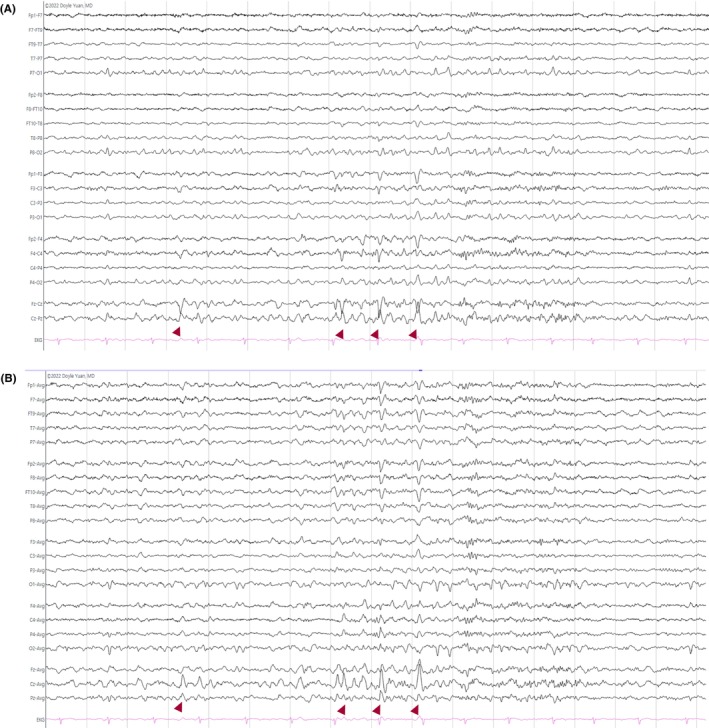 Figure 48
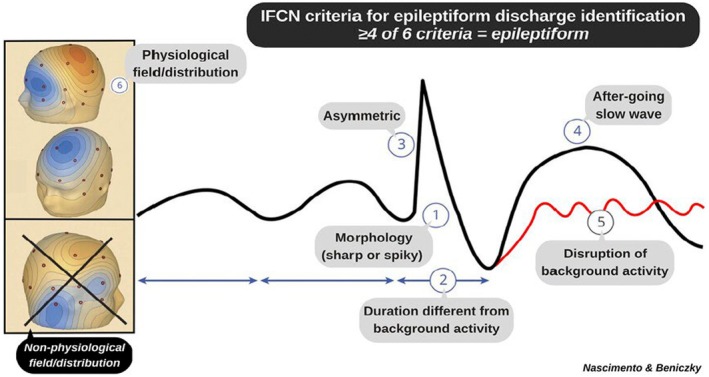 Figure 49
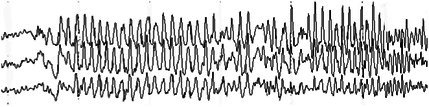 Figure 50
Peer Reviews
No public reviews on file for this paper yet. If you reviewed it on a platform where reviews are public (OpenReview, ICLR, NeurIPS, ICML), you can paste yours below so the community can read it here.
Videos
No videos yet. Explain this paper in a talk, walkthrough, or lecture? Add one.
Taxonomy
TopicsEpilepsy research and treatment · Neuroscience and Neuropharmacology Research · EEG and Brain-Computer Interfaces