Challenging the paradigm: non-canonical exoprotease cheating in clinical Pseudomonas aeruginosa isolates
Katya Dafne Guadarrama-Orozco, Diego Armando Esquivel-Hernández, Miguel Ángel Islas-Tolentino, Fohad Mabood Husain, Héctor Quezada, Selene García-Reyes, Bernardo Franco, Diana Laura Marroquin-Mendiola, María Guadalupe Lucero-Gil, Lorena Paola Olvera-Falfan

TL;DR
Some Pseudomonas aeruginosa strains from cystic fibrosis patients resist social cheating by maintaining exoprotease production despite non-producer mutants.
Contribution
Demonstrates that clinical P. aeruginosa strains can resist exploitation without inactivating LasR mutations, challenging the current paradigm.
Findings
Exoprotease-non-producers in AUS 411 appeared early but were transient, with stable non-producers emerging only in late passages.
AUS 531 slowly selected stable non-producers with limited cheating ability, avoiding population collapse.
Non-producers in both strains had functional LasR and were more fit than lab-derived LasR mutants in specific media.
Abstract
Pseudomonas aeruginosa is a model organism for studying social behaviors in bacteria, such as the exploitation of exoprotease by social cheaters. The current paradigm holds that continuous culture of exoprotease-producing individuals with protein as the sole carbon source selects for exoprotease non-producers mutants with an impaired quorum-sensing regulator, LasR, which controls exoprotease expression. However, recent studies reveal that some isolates lacking functional LasR still produce exoproteases under the control of another regulator, RhlR. Here, we extended this study to two clinical strains, AUS 411 and AUS 531, isolated from cystic fibrosis patients and harboring functional LasR. Surprisingly, in AUS 411, exoprotease-non-producers appeared from the first growth passage, but most cells lost exoprotease production only transiently, with stable non-producers isolated only in late…
Genes, proteins, chemicals, diseases, species, mutations and cell lines named across the full text — each resolved to its canonical identifier and authoritative record.
Click any figure to enlarge with its caption.
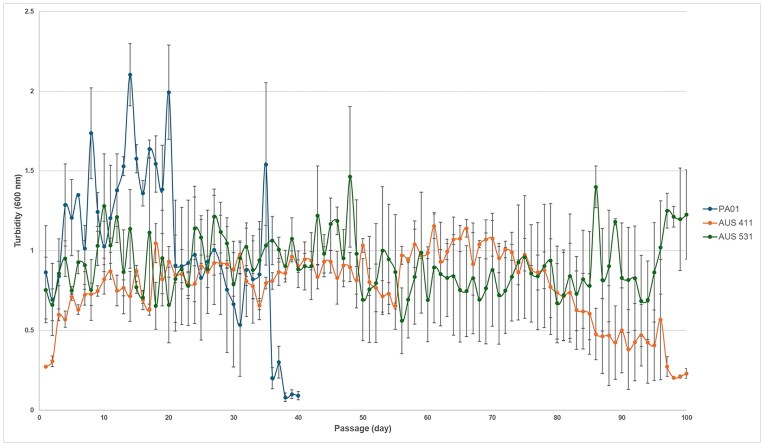 Figure 1
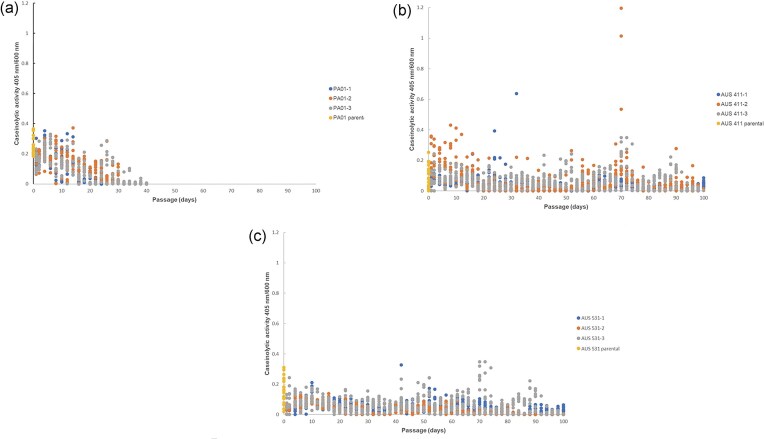 Figure 2
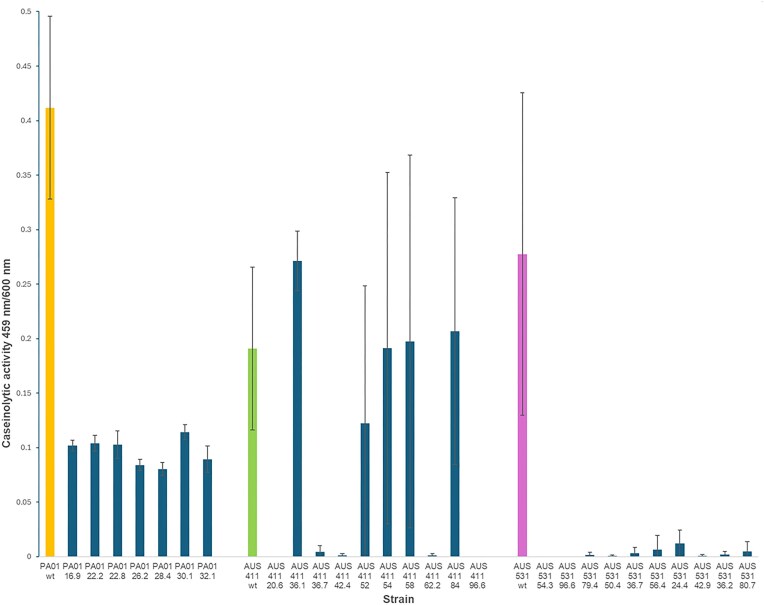 Figure 3
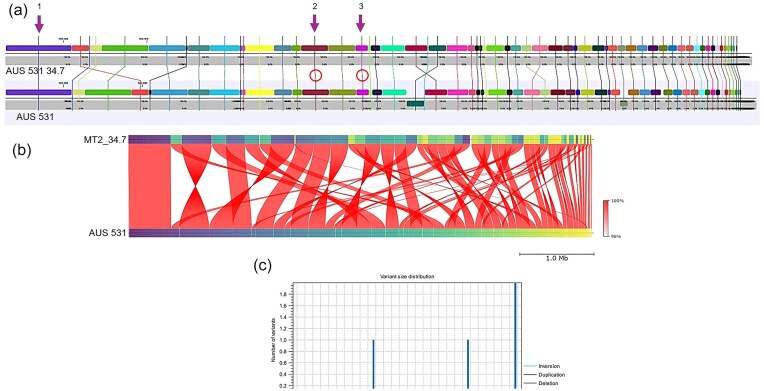 Figure 4
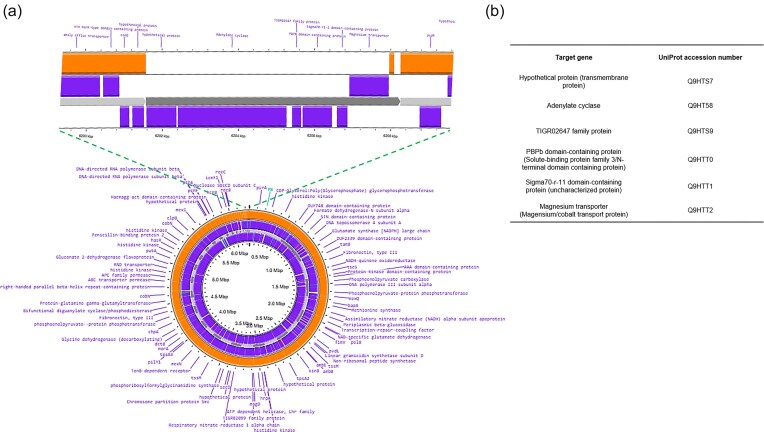 Figure 5
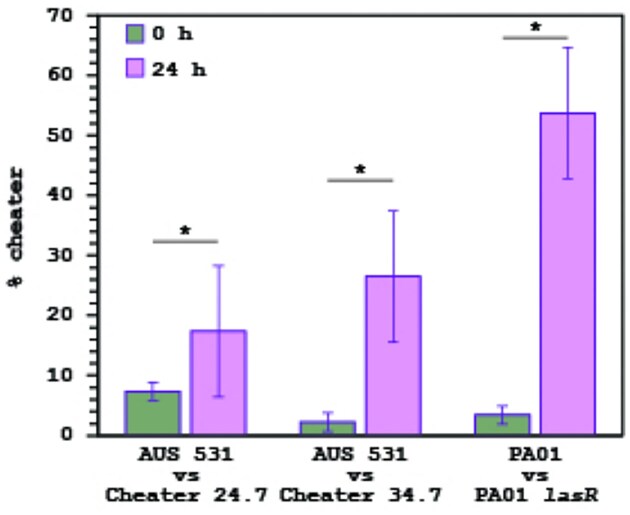 Figure 6
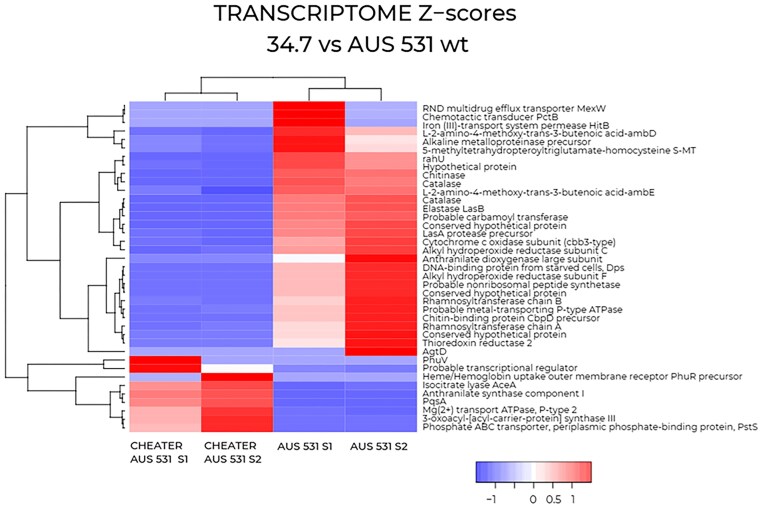 Figure 7
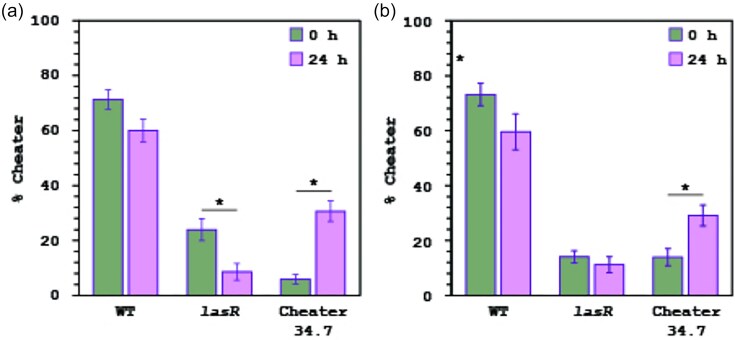 Figure 8
Peer Reviews
No public reviews on file for this paper yet. If you reviewed it on a platform where reviews are public (OpenReview, ICLR, NeurIPS, ICML), you can paste yours below so the community can read it here.
Videos
No videos yet. Explain this paper in a talk, walkthrough, or lecture? Add one.
Taxonomy
TopicsAcademic integrity and plagiarism · Meta-analysis and systematic reviews