Ex vivo lung-organoid model for aberrant basaloid cell induction and activation
Bin Wu, Shigeyuki Shichino, Satoshi Ueha, Rina Matsukiyo, Yu Ishimura, Haru Ogiwara, Masaki Takasu, Shotaro Yamano, Yumi Umeda, Kouji Matsushima

TL;DR
Researchers created a lab-grown lung model to study abnormal cells linked to lung scarring, which could help develop new treatments.
Contribution
A novel ex vivo lung-organoid model that induces and activates aberrant basaloid cells (ABCs) relevant to pulmonary fibrosis.
Findings
The organoid model showed dose-dependent structural and transcriptomic changes similar to in vivo fibrosis models.
Two distinct ABC subsets were identified, one of which (ABCs_2) was previously unobserved in traditional murine models.
BLM stimulation induced TGF-β2 in ABCs and Ephrin A signaling influenced ABC differentiation and epithelial proliferation.
Abstract
Pulmonary fibrosis (PF) is a severe lung disease characterized by the destruction of lung architecture resulting from chronic epithelial injury. The PF microenvironment induces PF-specific epithelial cells, such as aberrant basaloid cells (ABCs). However, limited experimental models capable of inducing and activating PF-specific epithelial cells hinder the understanding of their roles. To address the lack of experimental models, in this study, we developed an ex vivo murine lung-organoid model designed to induce and activate ABCs. The organoids were subjected to bleomycin (BLM) stimulation. Dose-dependent reductions in number and size, structural disorganization, and transcriptomic changes were assessed following stimulation. Single-cell RNA-sequencing (scRNA-seq) analysis was performed to identify ABC subsets. Cell–cell interaction analysis was also conducted. Following BLM…
Genes, proteins, chemicals, diseases, species, mutations and cell lines named across the full text — each resolved to its canonical identifier and authoritative record.
Click any figure to enlarge with its caption.
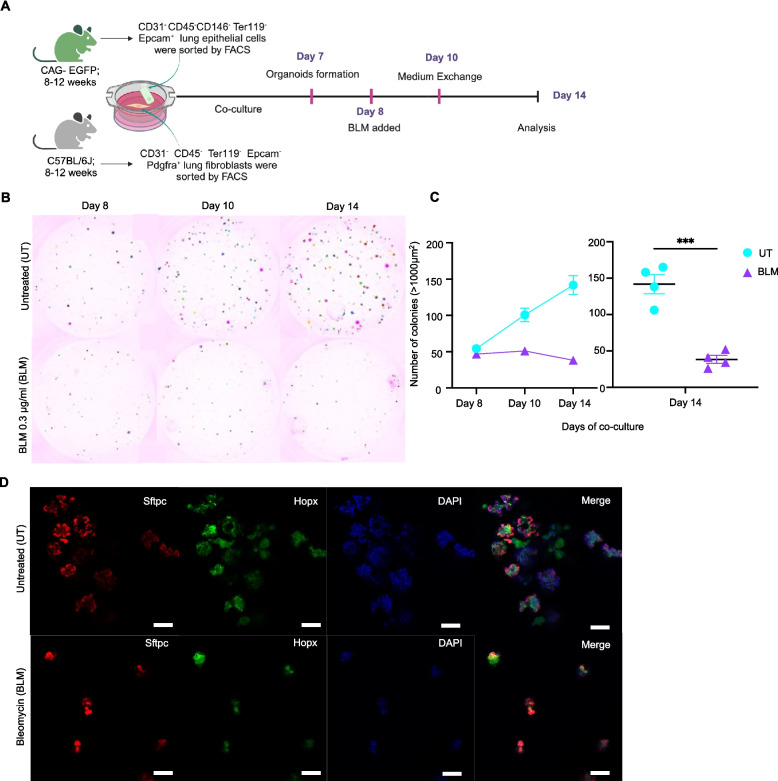 Figure 1
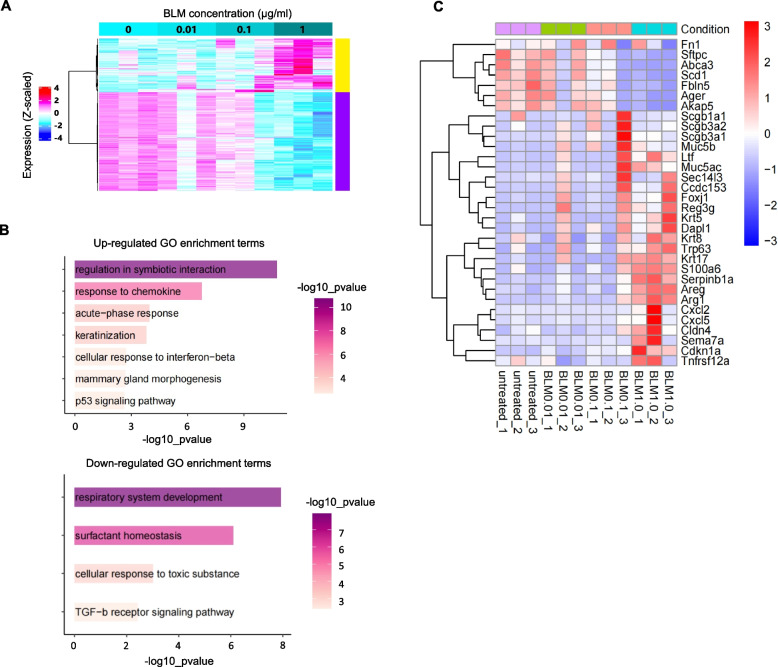 Figure 2
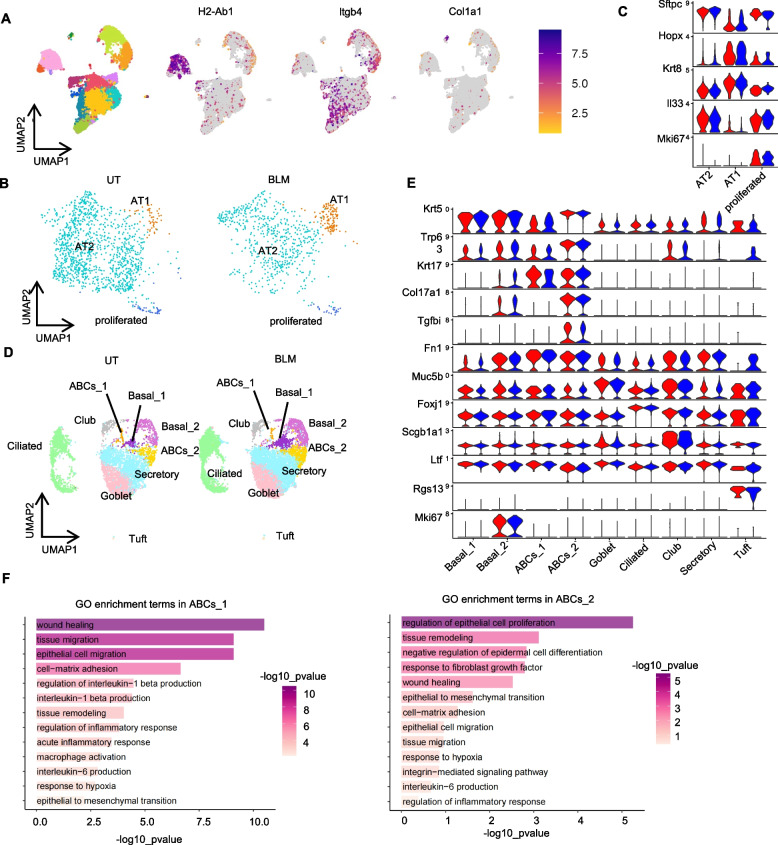 Figure 3
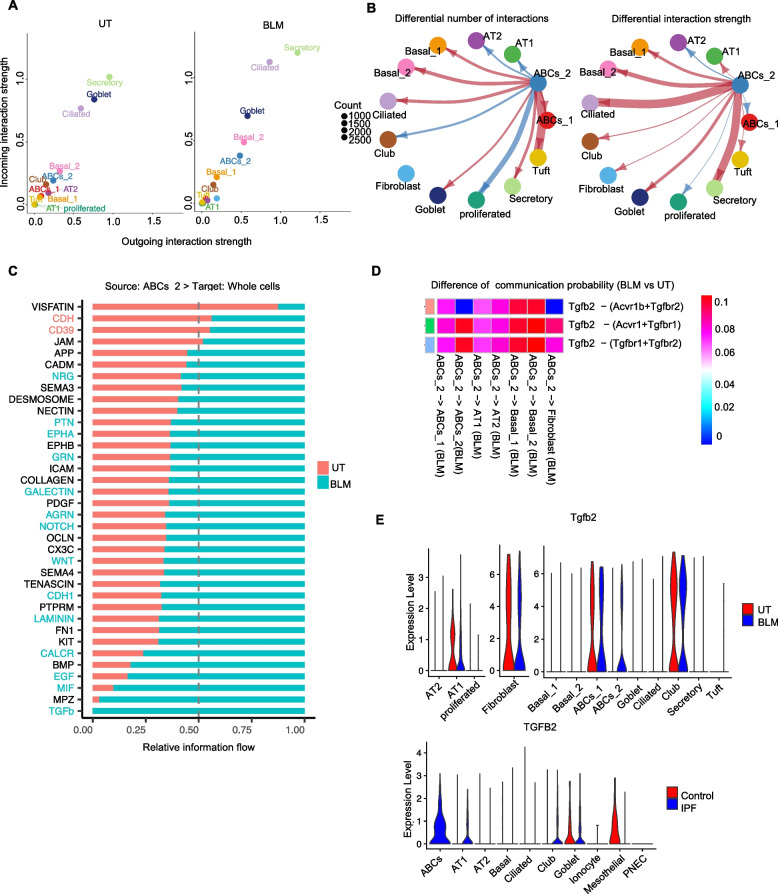 Figure 4
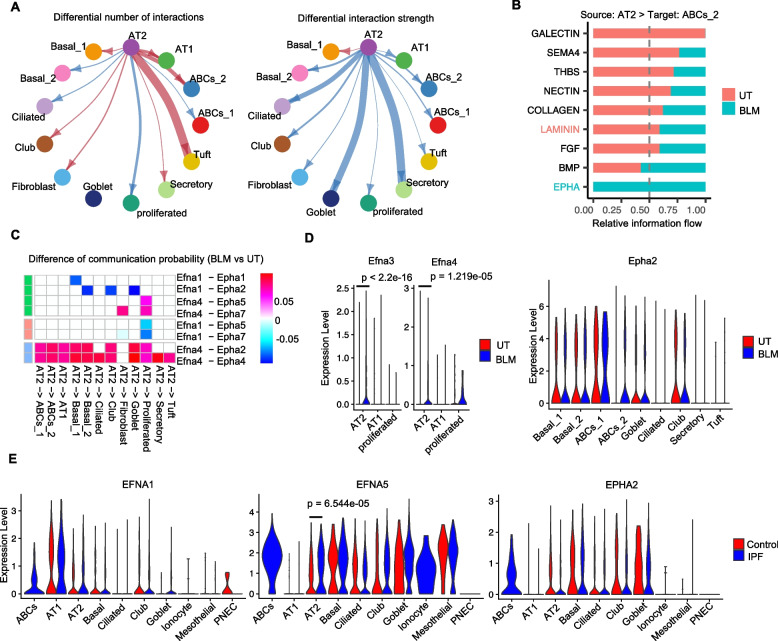 Figure 5
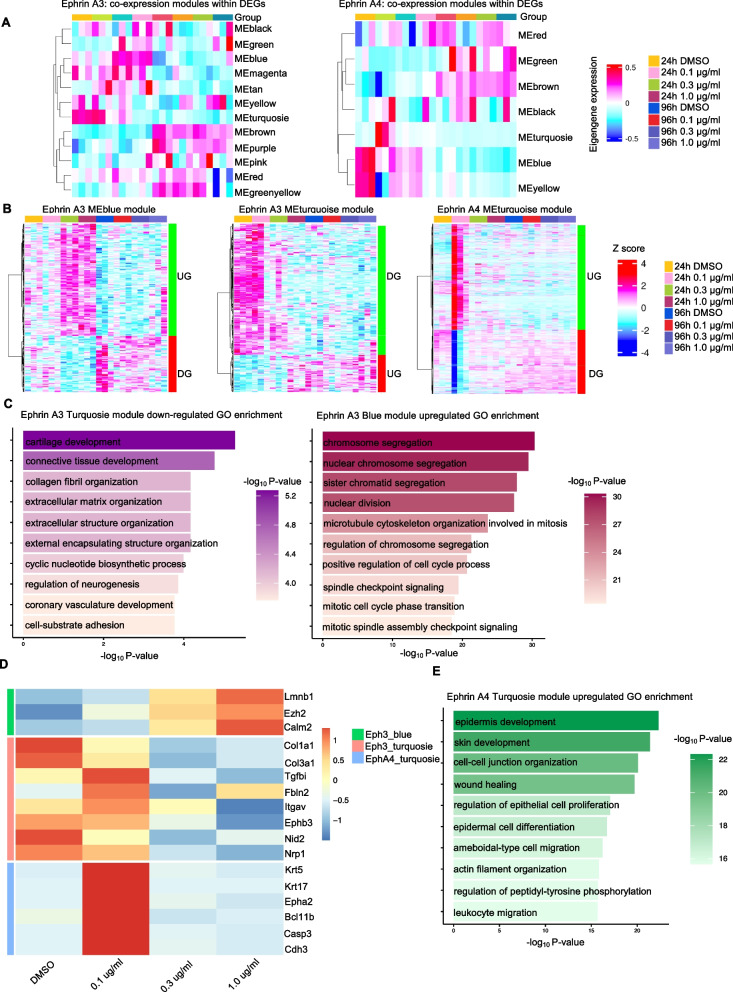 Figure 6
Peer Reviews
No public reviews on file for this paper yet. If you reviewed it on a platform where reviews are public (OpenReview, ICLR, NeurIPS, ICML), you can paste yours below so the community can read it here.
Videos
No videos yet. Explain this paper in a talk, walkthrough, or lecture? Add one.
Taxonomy
TopicsLiver physiology and pathology · Neonatal Respiratory Health Research · Cell Adhesion Molecules Research