Wolff-Parkinson-White syndrome: a masquerading clinical condition in an 8-year-old Nigerian girl
Olukemi T. Bamigboye-Taiwo, A. A. Afolabi, Oluwatosin Olorunmoteni, Samson Afolabi, Babajide Samson Adeyefa, OA Bayode, OO Bobo, EO Folami, Olayinka Otetubi, FA Olagunju, SBA Oseni, Oluwadare Ogunlade, JAO Okeniyi

TL;DR
An 8-year-old Nigerian girl with Wolff-Parkinson-White syndrome was misdiagnosed with malaria for years before receiving the correct diagnosis and treatment.
Contribution
Highlights the diagnostic challenges of WPW syndrome in children and the need for increased awareness among healthcare providers in resource-limited settings.
Findings
WPW syndrome can mimic other conditions like malaria, leading to misdiagnosis in children.
Early recognition and intervention are crucial to prevent life-threatening complications.
A high index of suspicion is needed for cardiac arrhythmias in children with unexplained recurrent symptoms.
Abstract
Wolff-Parkinson-White (WPW) syndrome is a congenital abnormality of the cardiac conduction system characterized by the presence of an accessory pathway, which can predispose affected individuals to supraventricular tachycardia (SVT), atrial fibrillation, ventricular fibrillation, and sudden cardiac death. Despite its clinical significance, WPW syndrome is often underdiagnosed, particularly in resource-limited settings where cardiac arrhythmias may be misattributed to other conditions. We report an eight-year-old Nigerian girl with WPW syndrome who was repeatedly misdiagnosed and managed for malaria over four years before an accurate diagnosis was established. She presented with recurrent episodes of chest discomfort, generalized weakness, nausea, and near-syncope. Each episode was treated as malaria, and symptoms resolved following treatment. During the most recent episode of the…
Genes, proteins, chemicals, diseases, species, mutations and cell lines named across the full text — each resolved to its canonical identifier and authoritative record.
Click any figure to enlarge with its caption.
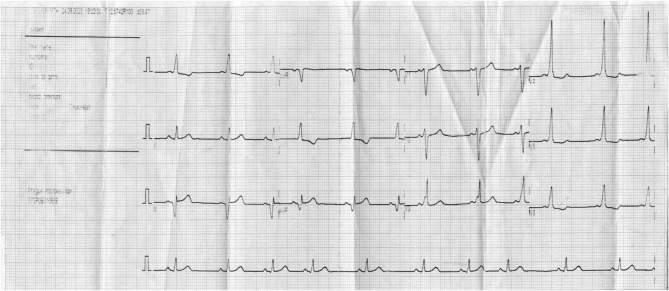 Figure 1
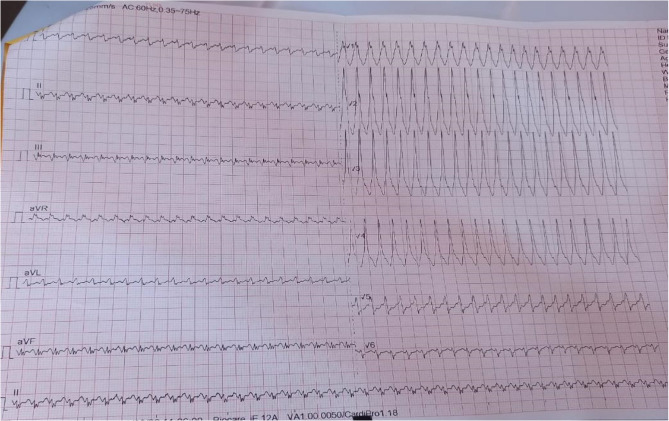 Figure 2
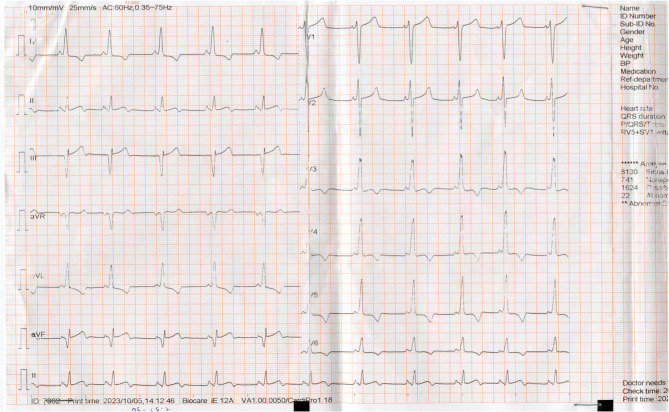 Figure 3
Peer Reviews
No public reviews on file for this paper yet. If you reviewed it on a platform where reviews are public (OpenReview, ICLR, NeurIPS, ICML), you can paste yours below so the community can read it here.
Videos
No videos yet. Explain this paper in a talk, walkthrough, or lecture? Add one.
Taxonomy
TopicsCardiac Arrhythmias and Treatments · Cardiac electrophysiology and arrhythmias · Atrial Fibrillation Management and Outcomes