Eco-friendly spectrofluorimetric determination of mirabegron in human plasma and tablets: greenness and blueness assessment
Sayed M. Derayea, Ebtehal F. Anwer, Deena A. M. Nour El-Deen

TL;DR
A new eco-friendly method is developed to detect mirabegron in plasma and tablets using fluorescence, offering high sensitivity and environmental benefits.
Contribution
A novel spectrofluorimetric method for mirabegron detection with superior eco-friendliness compared to traditional techniques.
Findings
The method detects mirabegron in the range of 0.05 to 1.2 µg/mL with high sensitivity.
AGREE and BAGI assessments show the method is more environmentally sustainable than HPLC and electroanalytical methods.
The method achieves excellent recovery and low relative standard deviation in real plasma samples.
Abstract
The current article describes facile, selective and highly sensitive spectrofluorimetric methodology for the determination of Mirabegron (MBG). The approach originated from the drug’s reaction with Erythrosine B in an acidic buffered media leading to the production of a binary complex. This interaction caused a significant quenching in the intensity of the fluorescence of Erythrosine B at an emission wavelength ( ʎem ) of 550 nm, following excitation ( ʎex) at 520 nm. Key parameters of the procedure were optimized before constructing the calibration curve. A direct proportionality was obtained between the fluorescence quenching and MBG concentrations ranging from 0.05 to 1.2 µg/mL. Both limits of detection (LOD) and quantitation (LOQ) have been calculated to be 0.01 and 0.04 µg/mL, respectively. Implementing the demands set by the ICH, the developed technique was assessed to evaluate…
Genes, proteins, chemicals, diseases, species, mutations and cell lines named across the full text — each resolved to its canonical identifier and authoritative record.
Click any figure to enlarge with its caption.
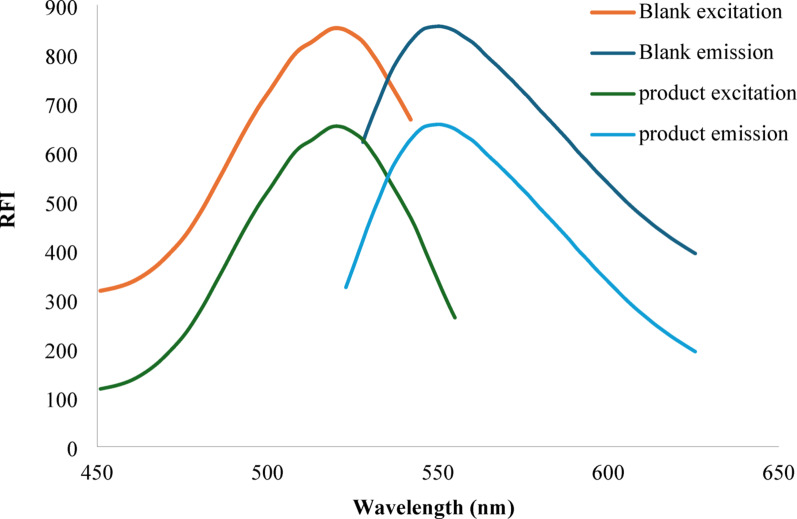 Figure 1
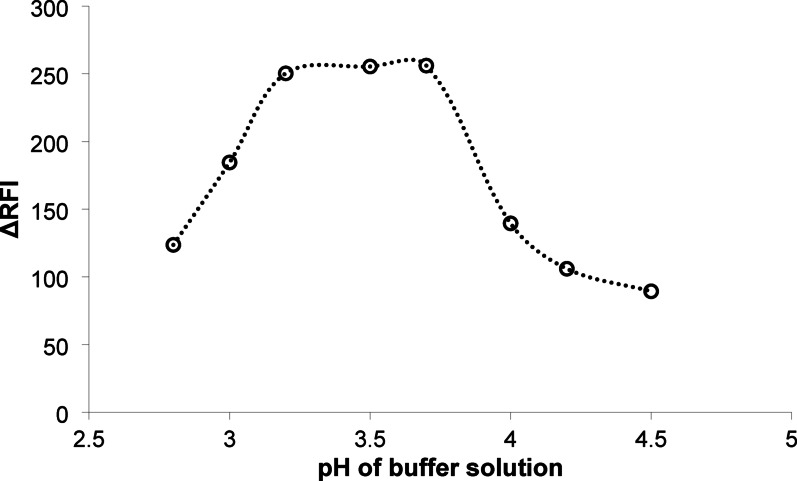 Figure 2
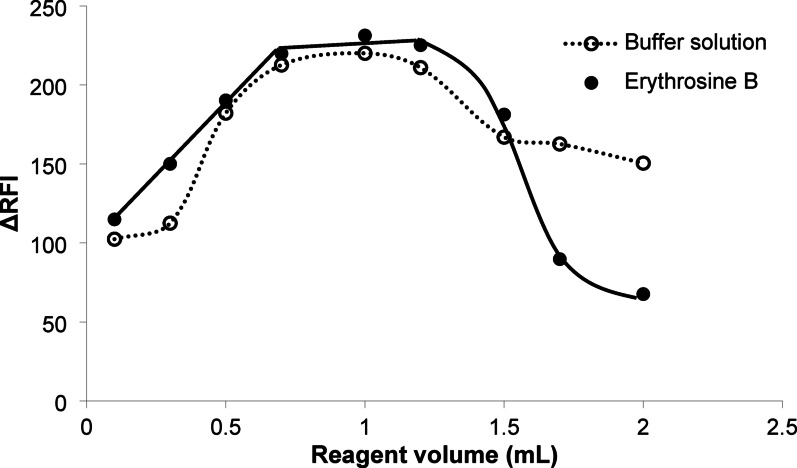 Figure 3
 Figure 4
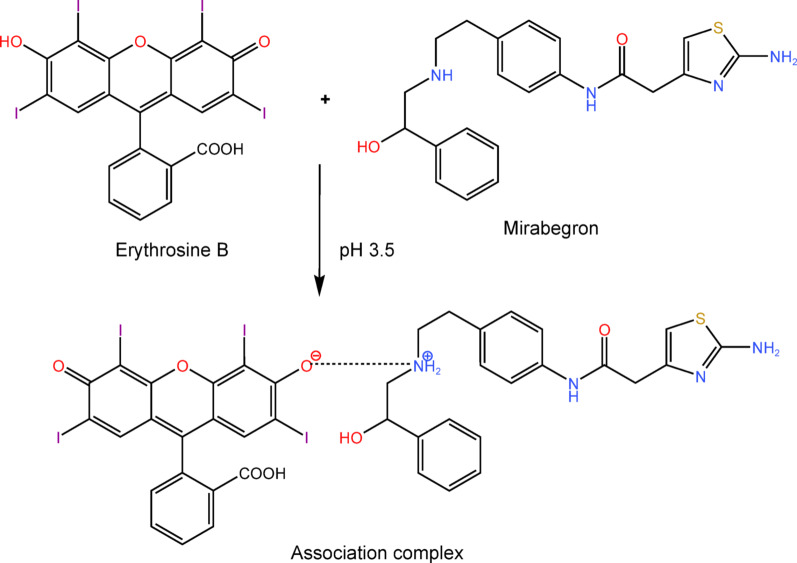 Figure 5
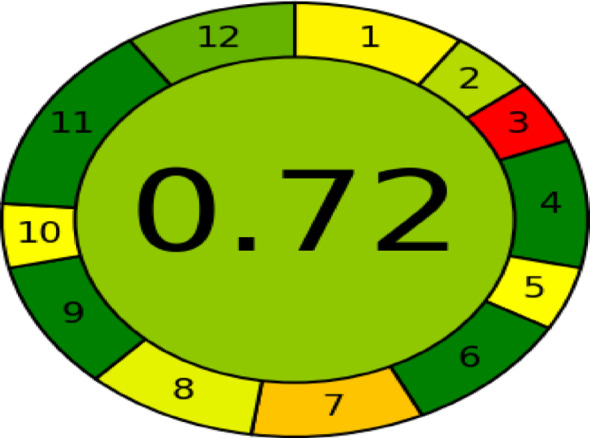 Figure 6
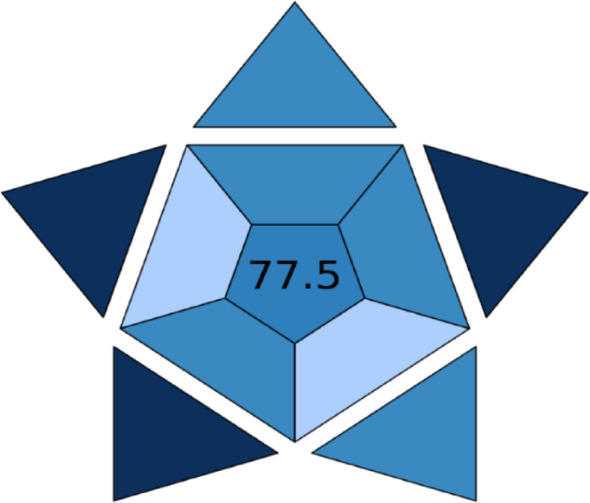 Figure 7
Peer Reviews
No public reviews on file for this paper yet. If you reviewed it on a platform where reviews are public (OpenReview, ICLR, NeurIPS, ICML), you can paste yours below so the community can read it here.
Videos
No videos yet. Explain this paper in a talk, walkthrough, or lecture? Add one.
Taxonomy
TopicsUrinary Bladder and Prostate Research · Hormonal and reproductive studies · Phytoestrogen effects and research