Soil-based environmental DNA enables detection of Oncomelania hupensis quadrasi and Schistosoma japonicum microhabitats for schistosomiasis japonica surveillance and control in the Philippines
Joseph E. Valencia, Marcello Otake Sato, Mark June Revolteado, Phoyphaylinh Prasayasith, Mario Jiz, Eleonor A. Cervantes, Ralph N. Aniceto, Marianette Inobaya, Pengfei Cai, Darren J. Gray, Catherine A. Gordon, Lydia R. Leonardo, Yasuhito Sako, Megumi Sato

TL;DR
This study shows that soil samples can detect snails and parasites linked to schistosomiasis, offering a better way to monitor and control the disease in the Philippines.
Contribution
The study demonstrates the first use of soil-based eDNA to detect both snail hosts and parasites in schistosomiasis surveillance.
Findings
Soil-based eDNA detected snails and parasites in more sites than traditional surveys, even where snails were not visible.
eDNA detection outperformed classical malacological surveys in identifying microhabitats for snails and parasites.
Soil pH was the only parameter significantly different between eDNA-positive and eDNA-negative sites.
Abstract
Schistosomiasis japonica, caused by Schistosoma japonicum, remains a significant public health concern in the Philippines, where 12.4 million people are at risk due to persistent transmission in endemic regions. The distribution of schistosomiasis is closely linked to the distribution of its snail intermediate host. This study aims to assess the potential of using soil samples to detect the environmental presence of Oncomelania hupensis quadrasi and Schistosoma japonicum. This cross-sectional observational study utilized a soil-based environmental DNA (eDNA) detection system for simultaneous detection of O. h. quadrasi, and S. japonicum mitochondrially encoded cytochrome c oxidase subunit 1 gene in multiplex quantitative real-time PCR and digital PCR platforms. A two-phase sample collection and testing were carried out in December 2023 (Phase 1) and March 2024 (Phase 2) across 30…
Genes, proteins, chemicals, diseases, species, mutations and cell lines named across the full text — each resolved to its canonical identifier and authoritative record.
Click any figure to enlarge with its caption.
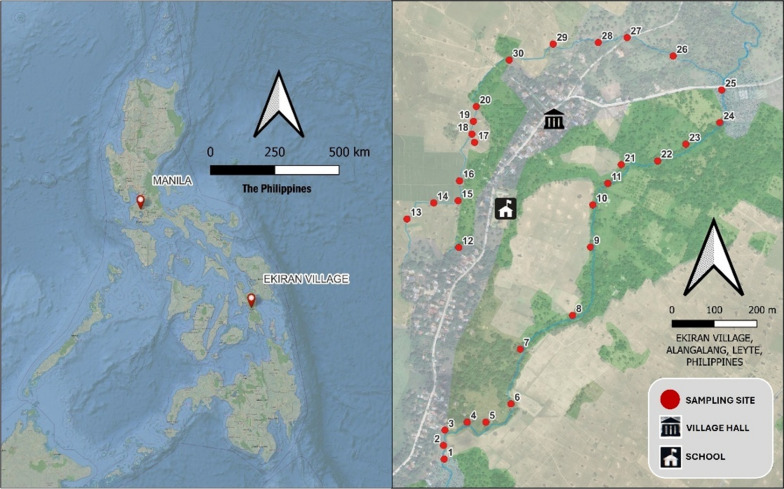 Figure 1
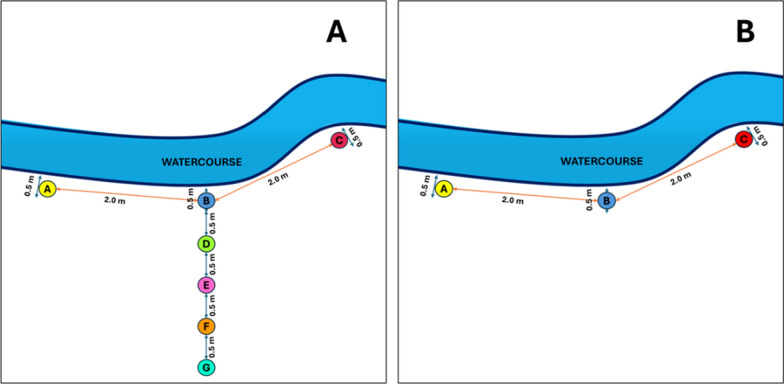 Figure 2
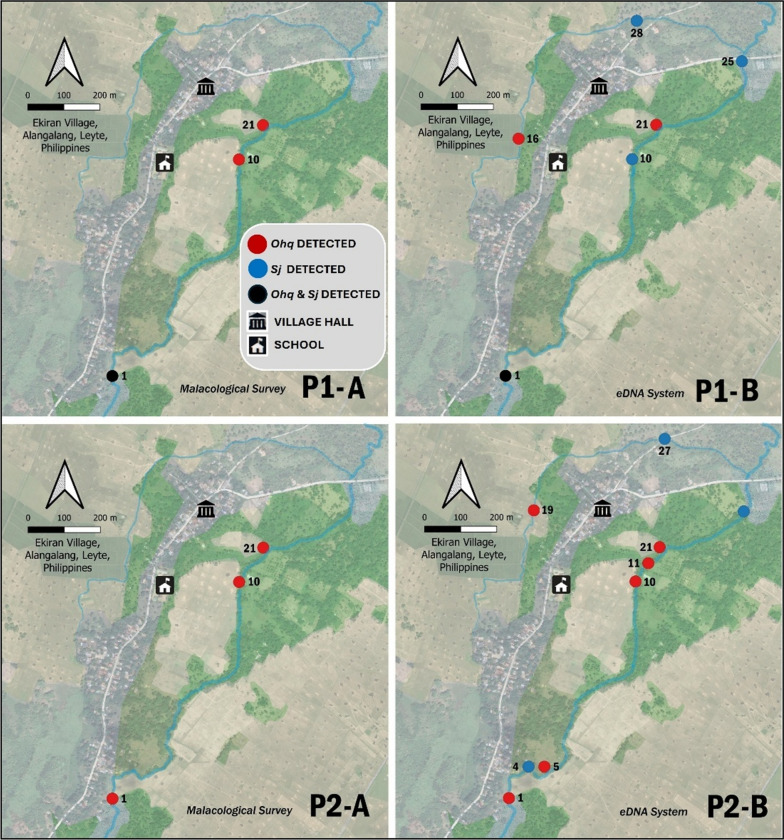 Figure 3
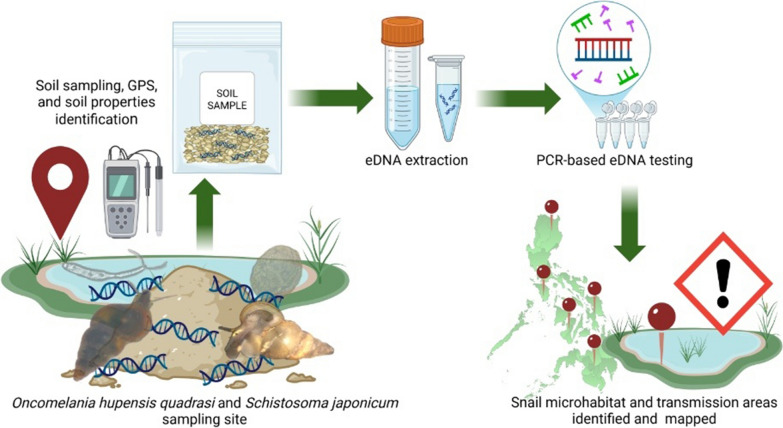 Figure 4
Peer Reviews
No public reviews on file for this paper yet. If you reviewed it on a platform where reviews are public (OpenReview, ICLR, NeurIPS, ICML), you can paste yours below so the community can read it here.
Videos
No videos yet. Explain this paper in a talk, walkthrough, or lecture? Add one.
Taxonomy
TopicsParasites and Host Interactions · Parasite Biology and Host Interactions · Environmental DNA in Biodiversity Studies