Hydrolytic stress degradation study and concomitant HPTLC estimation of thioctic acid and biotin in their combined capsules: greenness, blueness and whiteness assessment
Dina Salah El-Kafrawy, Amira H. Abo-Gharam

TL;DR
This study develops a reliable and eco-friendly HPTLC method to assess the stability and quantify thioctic acid and biotin in combined capsules under various stress conditions.
Contribution
A novel HPTLC method with greenness, blueness, and whiteness assessment for simultaneous quantification and degradation analysis of thioctic acid and biotin in combined formulations.
Findings
The HPTLC method showed excellent linearity with correlation coefficients above 0.99976 for both compounds.
Thioctic acid and biotin degraded by 11–19% under acidic and alkaline hydrolysis but were stable under neutral conditions.
The method achieved high greenness scores (Eco-Scale 80, AGREE 0.72, MoGAPI 76) and a whiteness score of 92.2%.
Abstract
Stability testing and quality control assessment of active substances in single-pill combinations represent real challenges to drug analysts. This analytical challenge becomes more difficult when these drugs are non-chromophoric and co-formulated in disparate concentration ratio with few or no analytical methods reported in the literature for their concurrent quantification. This study deals with the development of HPTLC method for stability testing of hydrolytic degradation and simultaneous estimation of TH and BO in pure form, fresh and expired combined capsules. HPTLC separation was achieved using aluminium HPTLC plates precoated with silica gel 60 F-254 and mobile phase consisting of chloroform: methanol: ammonia (8.5:1.5:0.05, by volume). Scanning was performed at 215 nm. The designed method was validated as per the ICH guidelines. Excellent linearity was proved by high values of…
Genes, proteins, chemicals, diseases, species, mutations and cell lines named across the full text — each resolved to its canonical identifier and authoritative record.
Click any figure to enlarge with its caption.
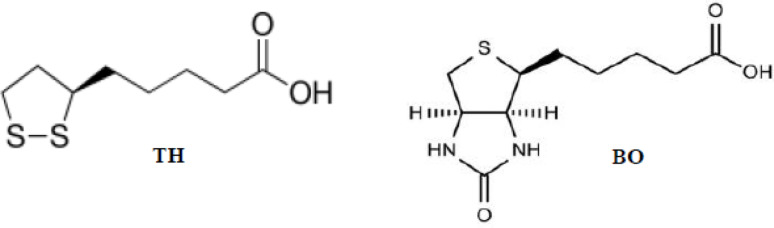 Figure 1
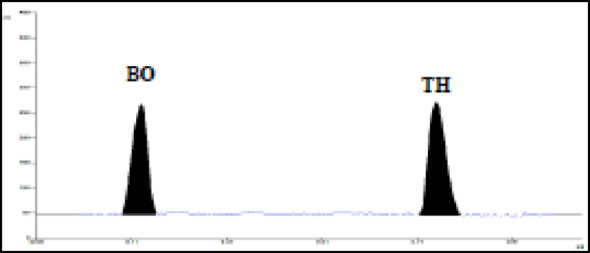 Figure 2
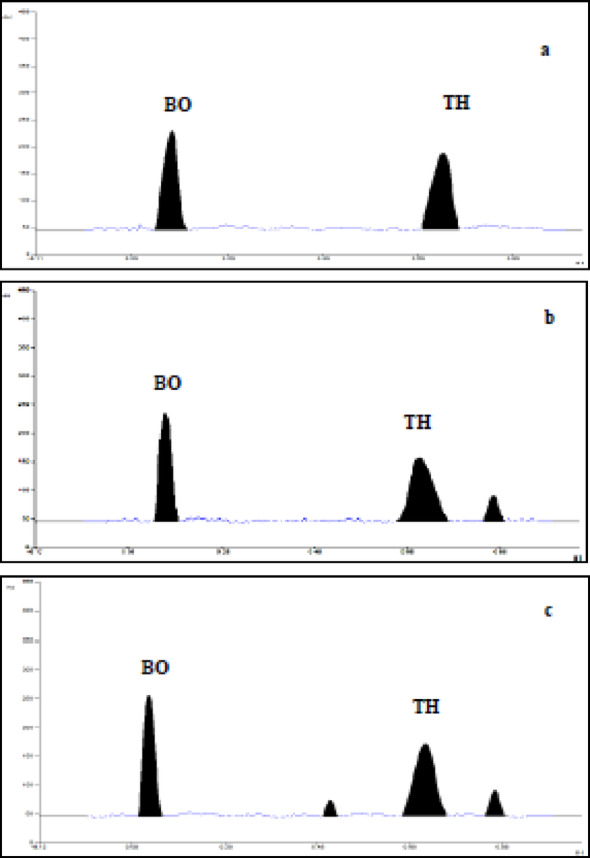 Figure 3
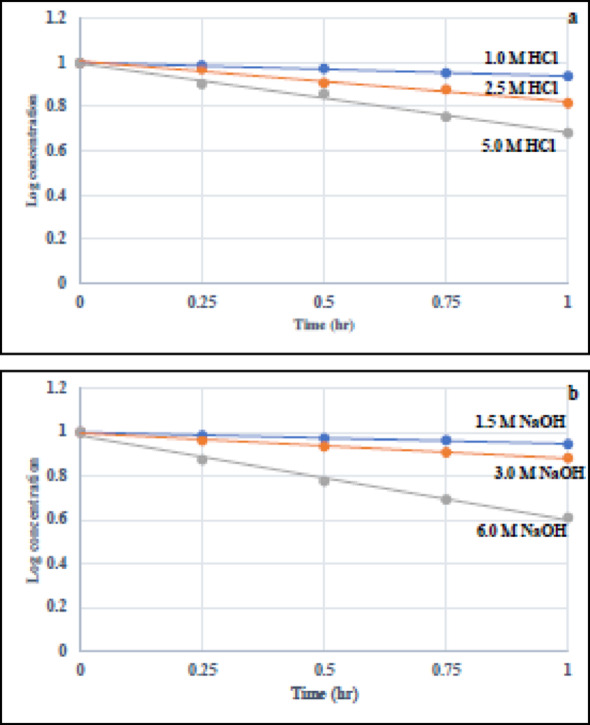 Figure 4
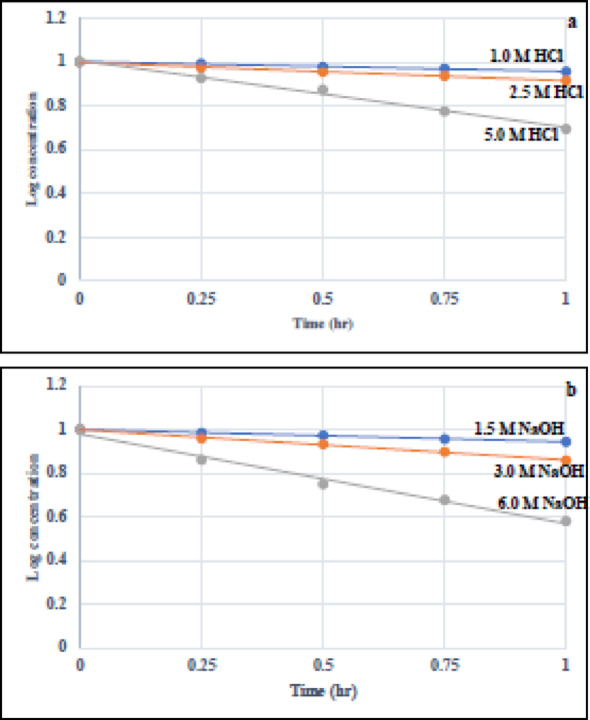 Figure 5
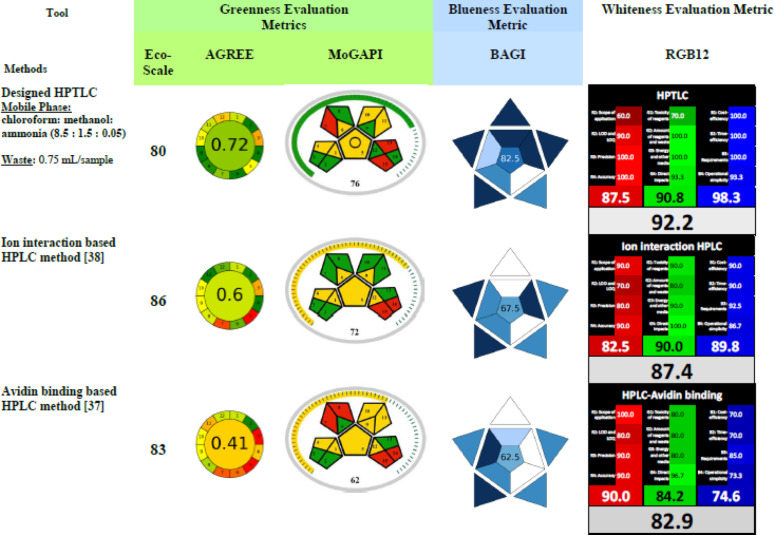 Figure 6
Peer Reviews
No public reviews on file for this paper yet. If you reviewed it on a platform where reviews are public (OpenReview, ICLR, NeurIPS, ICML), you can paste yours below so the community can read it here.
Videos
No videos yet. Explain this paper in a talk, walkthrough, or lecture? Add one.
Taxonomy
TopicsBiotin and Related Studies · Electrochemical sensors and biosensors · Analytical Chemistry and Chromatography