The role of an anti-inflammatory molecule AIM/CD5L in gut ischemia/reperfusion injury of male mice
Russell Hollis, Gaifeng Ma, Alok Jha, Megan Tenet, Takayuki Kato, Monowar Aziz, Ping Wang

TL;DR
This study explores how the anti-inflammatory molecule AIM/CD5L reduces gut reperfusion injury in male mice by inhibiting harmful immune responses.
Contribution
The study reveals AIM's anti-inflammatory role in gut ischemia/reperfusion injury and its potential as a therapeutic target in males.
Findings
AIM reduces eCIRP-induced pro-inflammatory cytokine production in macrophages.
AIM increases metabolic activity in macrophages, boosting oxygen consumption and ATP production.
AIM interacts with eCIRP's receptors TLR4 and TREM-1, potentially blocking harmful signaling.
Abstract
Resolution of acute gut ischemia causes reperfusion injury, resulting in the release of damage-associated molecular patterns (DAMPs) and tissue injury. A key DAMP, extracellular cold-inducible RNA-binding protein (eCIRP), exacerbates inflammation in reperfusion injury, contributing to organ failure and death. Apoptosis inhibitor of macrophage (AIM or CD5L) is a glycoprotein secreted by macrophages which can influence the activity of immune cells. We seek to investigate AIM expression in ischemia/reperfusion (I/R) and elucidate its anti-inflammatory role in macrophages and intestinal epithelial cells. Male mice underwent occlusion of the superior mesenteric artery for 60 min, followed by reperfusion for 4 h before sample collection. AIM expression in blood and tissue was evaluated by qPCR, Western blot, and ELISA. Primary peritoneal macrophages from male mice, IEC-6 intestinal…
Genes, proteins, chemicals, diseases, species, mutations and cell lines named across the full text — each resolved to its canonical identifier and authoritative record.
Click any figure to enlarge with its caption.
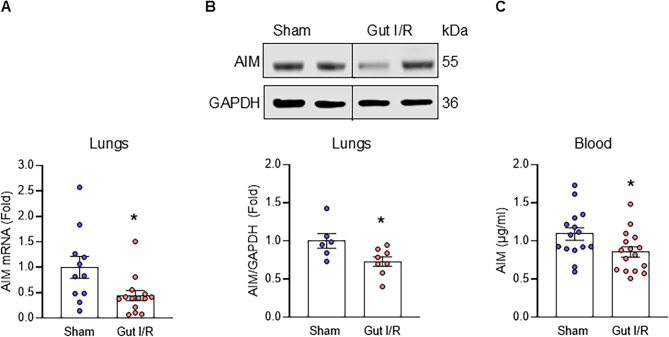 Figure 1
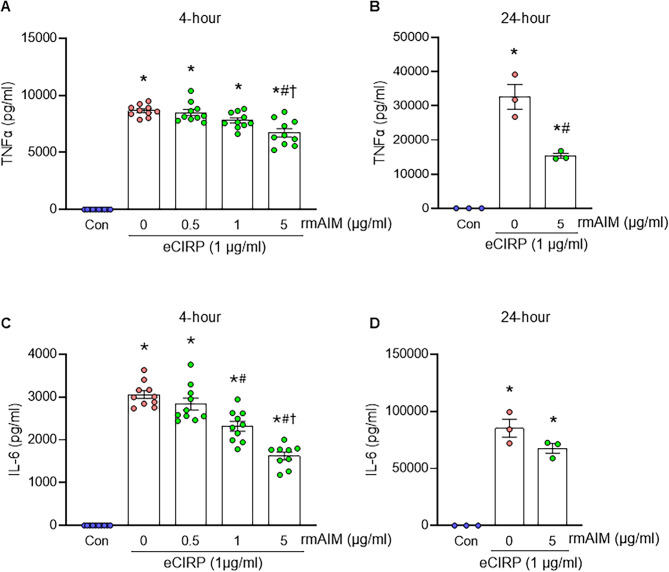 Figure 2
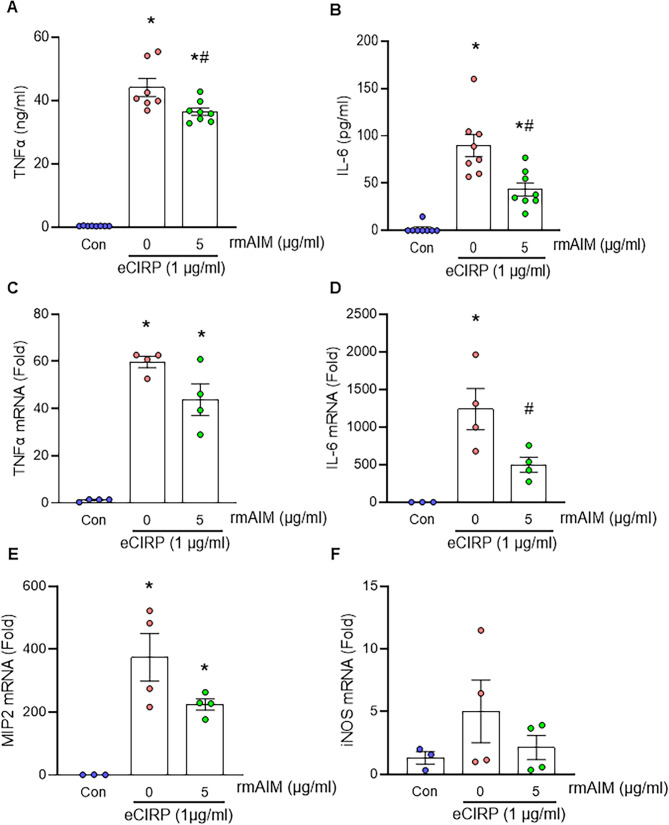 Figure 3
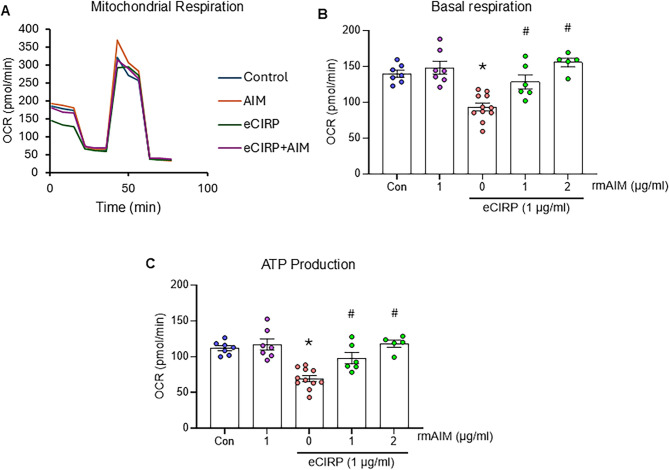 Figure 4
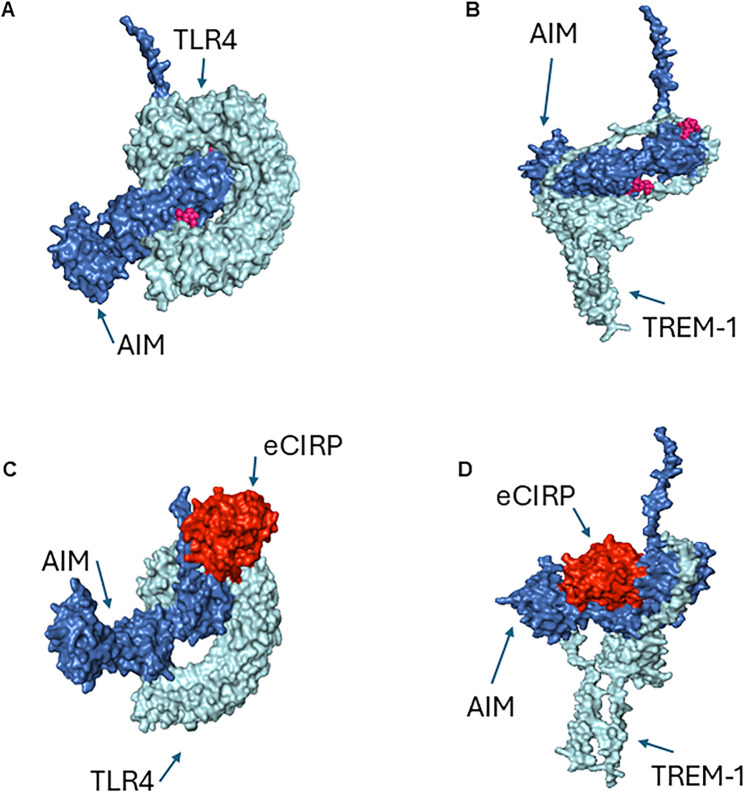 Figure 5
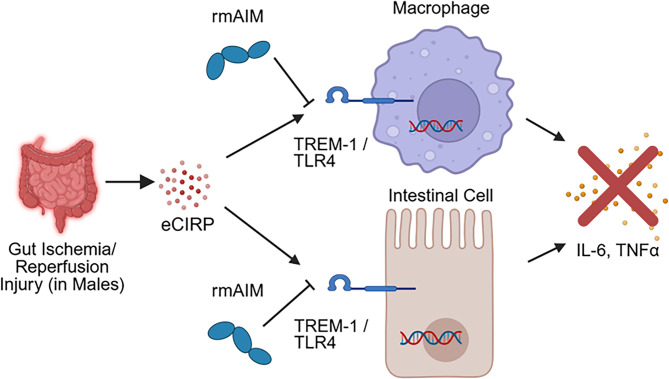 Figure 6
Peer Reviews
No public reviews on file for this paper yet. If you reviewed it on a platform where reviews are public (OpenReview, ICLR, NeurIPS, ICML), you can paste yours below so the community can read it here.
Videos
No videos yet. Explain this paper in a talk, walkthrough, or lecture? Add one.
Taxonomy
TopicsInflammation biomarkers and pathways · Galectins and Cancer Biology · Complement system in diseases