Immunogenicity and safety of polio vaccines in infants: a systematic review of randomized clinical trials
Roman P. Terekhov, Artem A. Svotin, Maria D. Korochkina, Anastasiya A. Khodyachikh, Mikhail A. Varnavskiy, Anastasia N. Piniaeva, Yury Yu. Ivin, Dmitry D. Zhdanov, Liubov I. Kozlovskaya, Amir Taldaev

TL;DR
This study reviews the effectiveness and safety of different polio vaccines in infants, finding that both inactivated and oral vaccines induce strong immunity.
Contribution
The study provides a systematic review of randomized trials to compare immunogenicity and safety of polio vaccines in infants.
Findings
Inactivated polio vaccines (IPV and sIPV) induce high antibody levels against polio serotypes.
Combination vaccines and nOPV2 show strong immunogenicity comparable to inactivated vaccines.
All vaccines are well-tolerated, though combination vaccines may cause more local reactions and fever.
Abstract
Poliomyelitis, preventable only through vaccination, remains a global health concern, with wild poliovirus transmission and the emergence of vaccine-derived polioviruses. The risk of further deterioration of the situation jeopardizes efforts to eradicate polio, which has been a long-term goal for the whole world. In this systematic review, an analysis of randomized clinical trials was carried out to comprehensively assess the immunogenicity and safety of various polio immunization methods in infants. Geometric mean neutralizing antibody titers (GMT) data collected after 28–31 days after immunization were used to calculate the geometric mean titer ratio (GMR), the analysis of which showed that both inactivated polio vaccine (IPV) and Sabin strain-based inactivated polio vaccine (sIPV) as primary vaccination induce high antibody rates. Average GMR rates (CI = 0.05) for the 3 types of…
Genes, proteins, chemicals, diseases, species, mutations and cell lines named across the full text — each resolved to its canonical identifier and authoritative record.
Click any figure to enlarge with its caption.
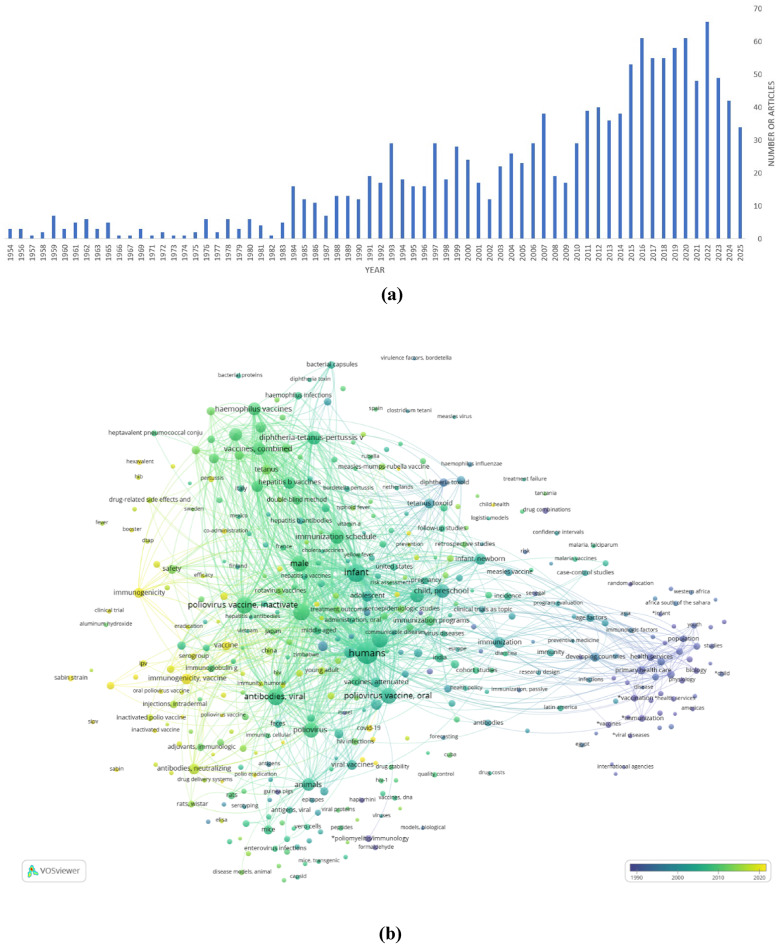 Figure 1
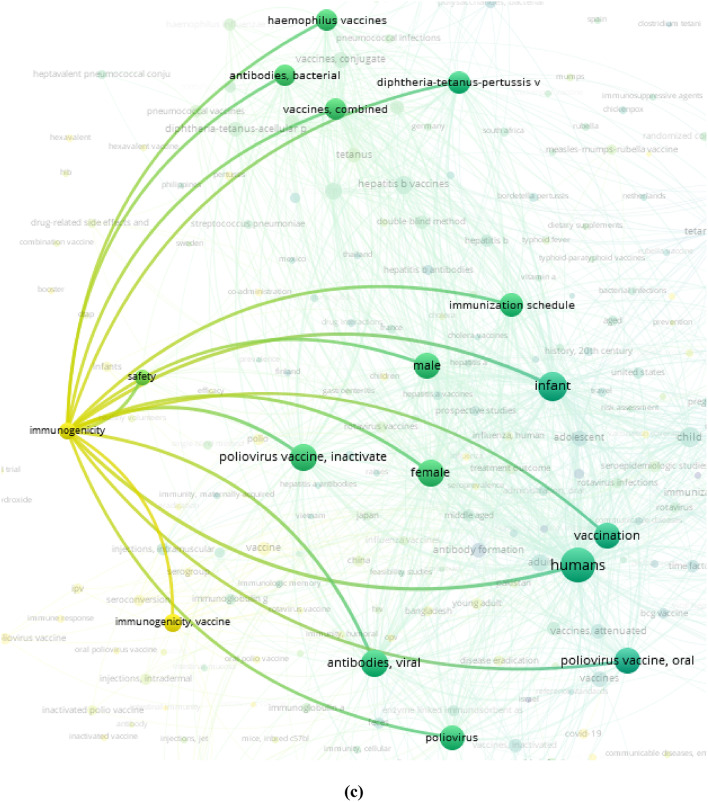 Figure 1
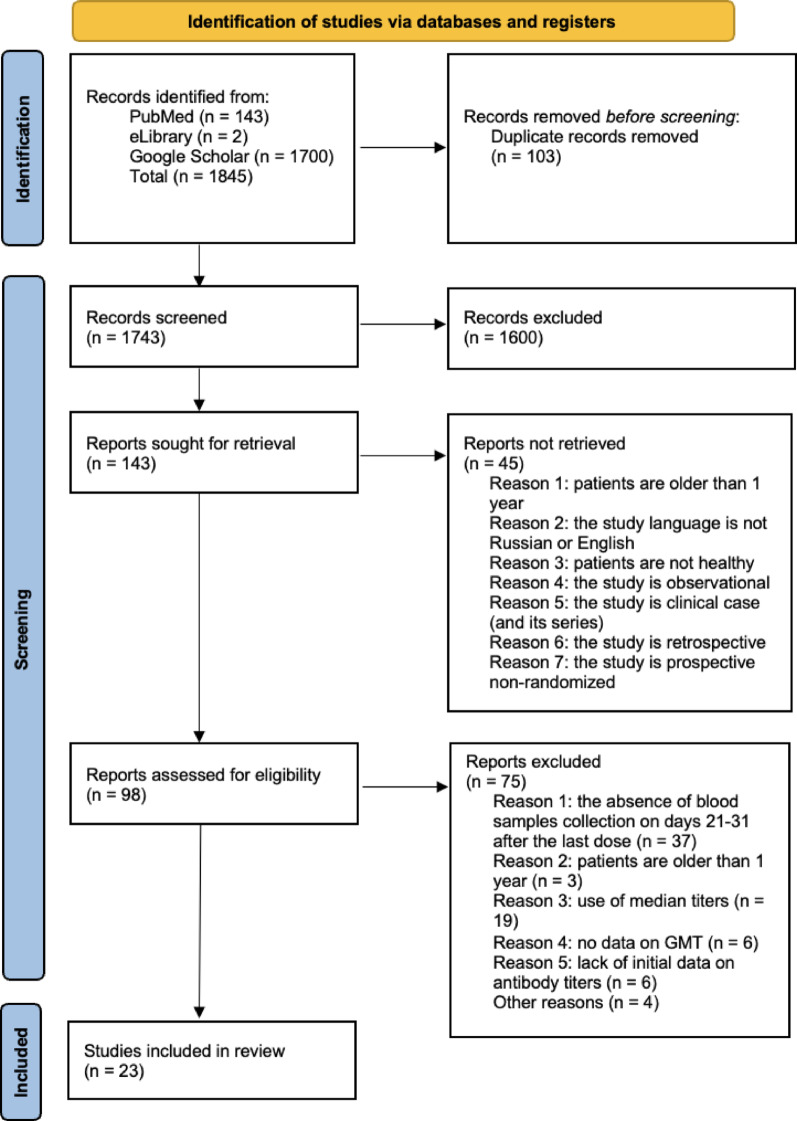 Figure 2
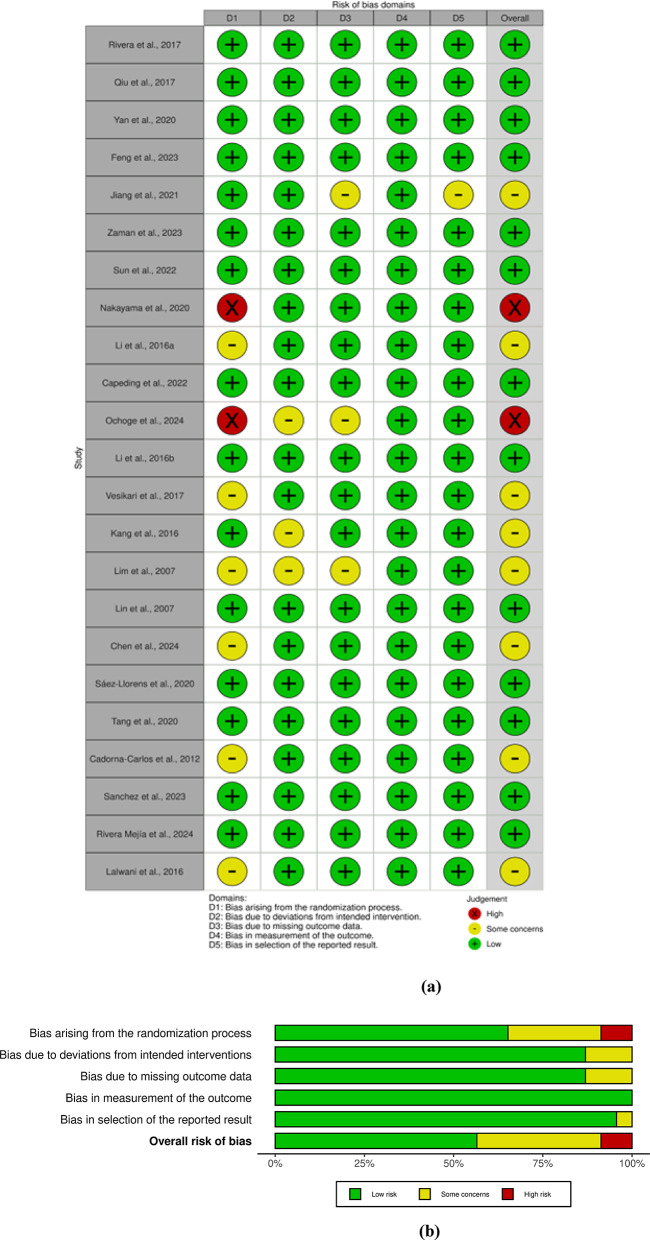 Figure 3
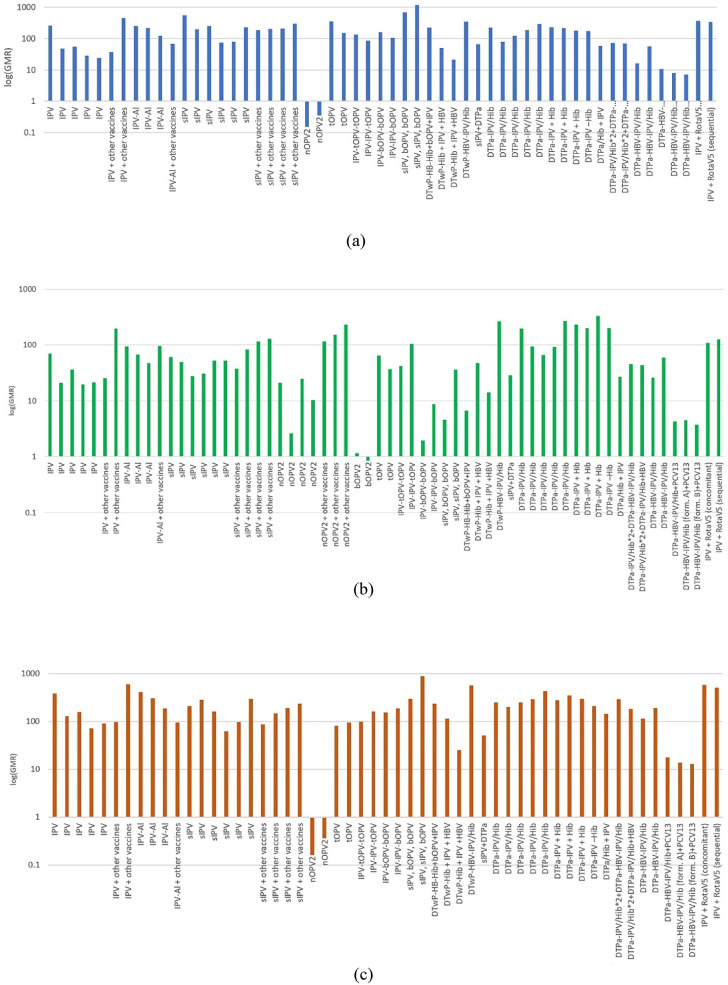 Figure 4
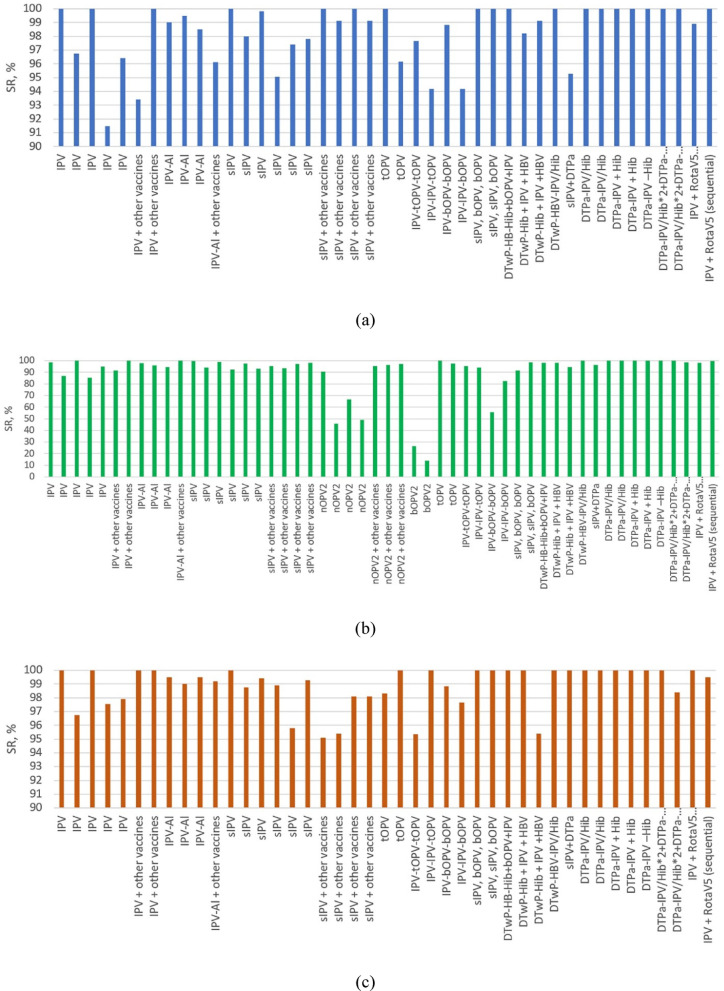 Figure 5
Peer Reviews
No public reviews on file for this paper yet. If you reviewed it on a platform where reviews are public (OpenReview, ICLR, NeurIPS, ICML), you can paste yours below so the community can read it here.
Videos
No videos yet. Explain this paper in a talk, walkthrough, or lecture? Add one.
Taxonomy
TopicsViral Infections and Immunology Research · Viral gastroenteritis research and epidemiology · Virology and Viral Diseases