Qixian Tongluo Formula promotes the directional differentiation of neural stem cells into neurons via fibrinogen-mediated BMPRI/ID3 signal axis after ischemic stroke
Shengqiang Zhou, Bo Li, Guo Mao, Wen Zeng, Yanjun Chen, Jia Huang, Lingjuan Tan, Dahua Wu, Fang Liu

TL;DR
This study shows that Qixian Tongluo Formula helps neural stem cells turn into neurons after stroke by using a specific signaling pathway involving fibrinogen.
Contribution
The study reveals a novel mechanism by which QXTLF promotes NSC differentiation into neurons via the fibrinogen-mediated BMPRI/ID3 axis after ischemic stroke.
Findings
QXTLF reduced cerebral infarction and improved neurological scores in MCAO rats.
QXTLF promoted NSC differentiation into neurons in the hippocampus after stroke.
Fibrinogen mediated QXTLF's effect through the BMPRI/ID3 signaling pathway.
Abstract
Promoting nerve regeneration is a crucial approach in treating ischemic stroke, with neural stem cells (NSCs) playing a vital role in this process. Qixian Tongluo Formula (QXTLF) has shown effectiveness in treating ischemic stroke, yet its impact on regulating the directional differentiation of NSCs during ischemic stroke remains unclear. A middle cerebral artery occlusion (MCAO) model was induced in Sprague-Dawley rats, and primary NSCs were isolated from these rats. By gavage QXTLF (7.83 g/kg/d or 31.32 g/kg/d) was administered intragastrically to the MCAO rats. In vitro experiments confirmed the successful isolation of NSCs from rats, capable of differentiating into immature neurons, mature neurons and astrocytes. In vitro, NSCs were exposed to fibrinogen (Fg) and induced by low glucose-oxygen (LGO) conditions to simulate the NSC niche in ischemic stroke. Various assessments were…
Genes, proteins, chemicals, diseases, species, mutations and cell lines named across the full text — each resolved to its canonical identifier and authoritative record.
Click any figure to enlarge with its caption.
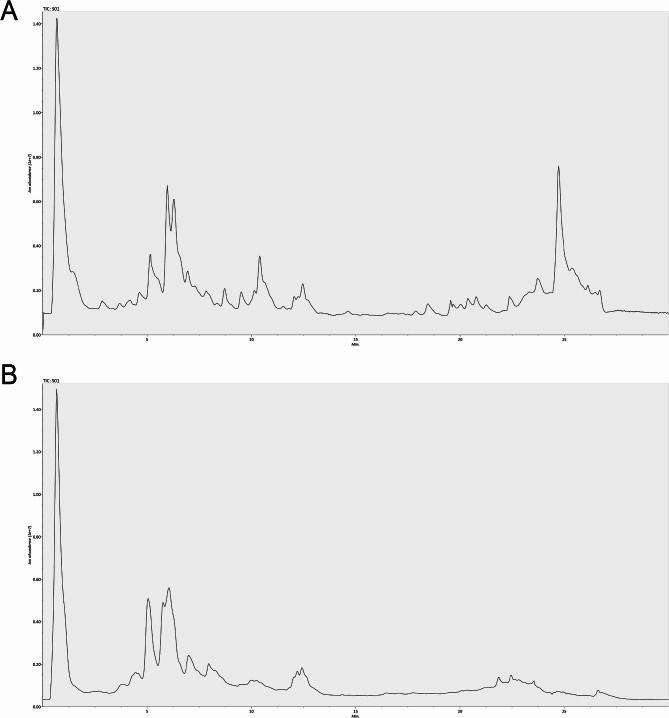 Figure 1
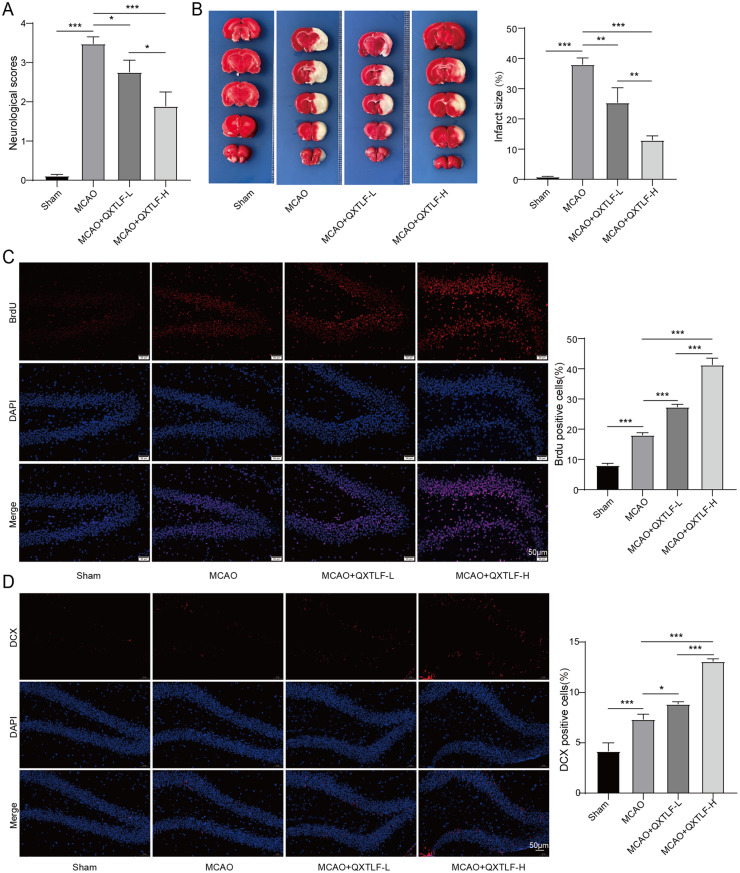 Figure 2
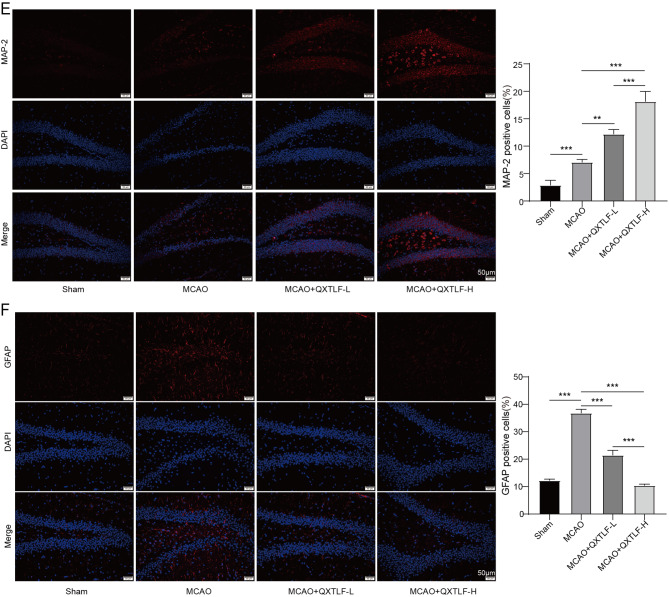 Figure 2
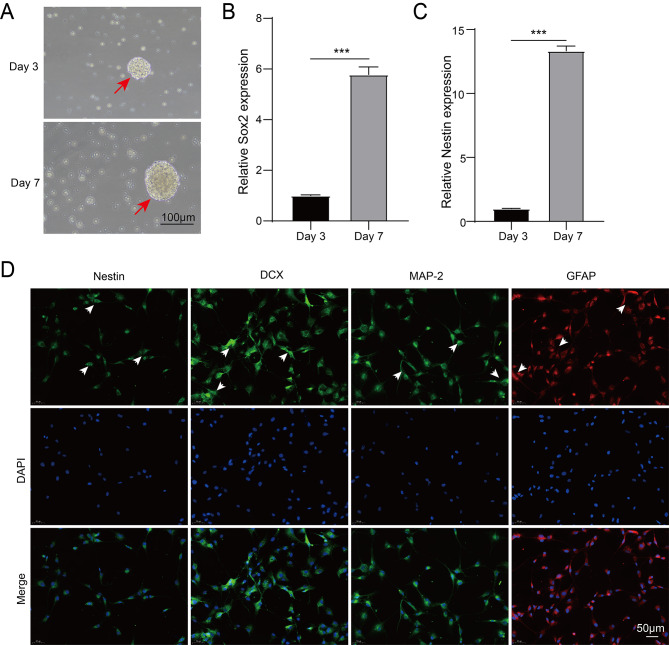 Figure 3
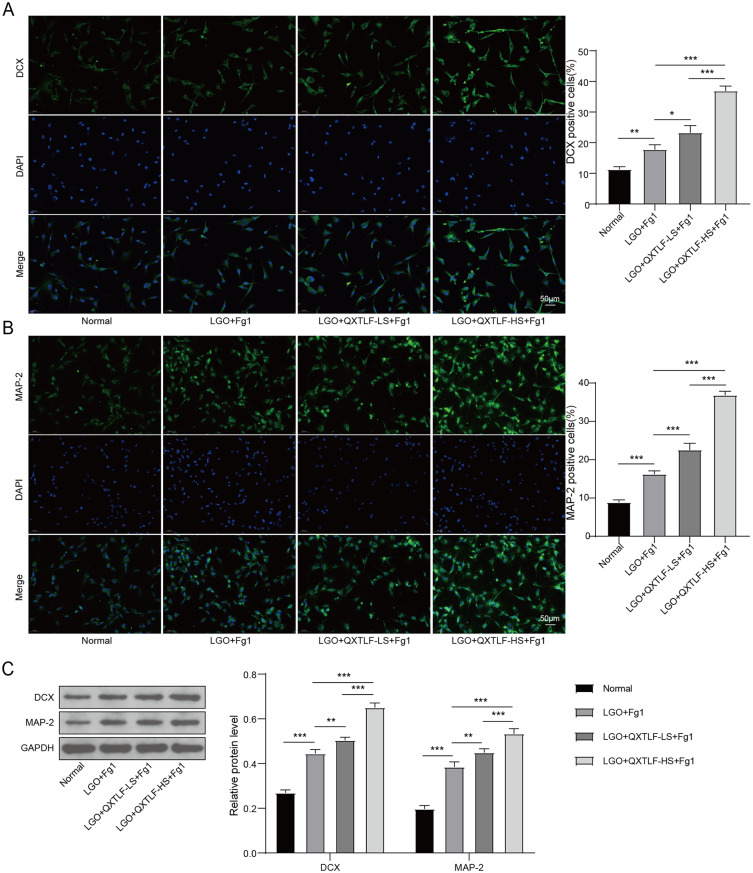 Figure 4
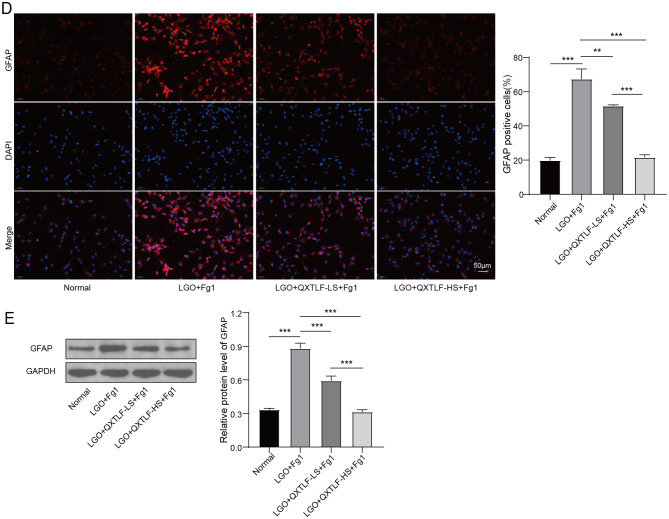 Figure 4
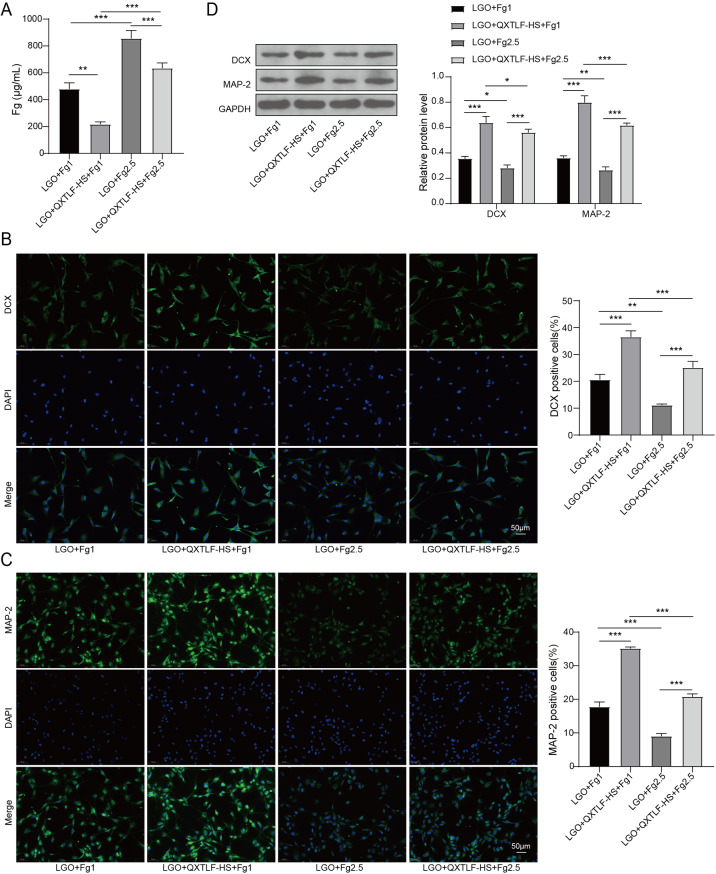 Figure 5
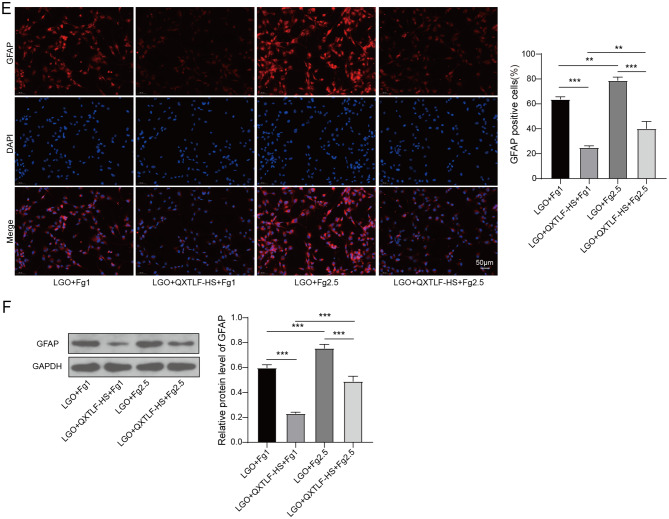 Figure 5
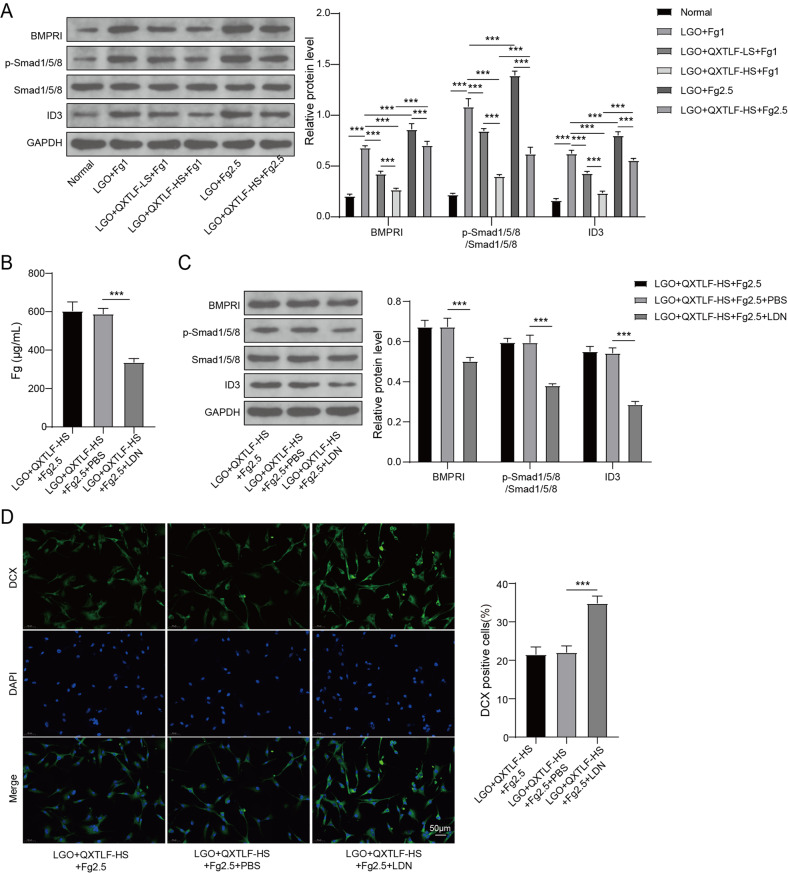 Figure 6
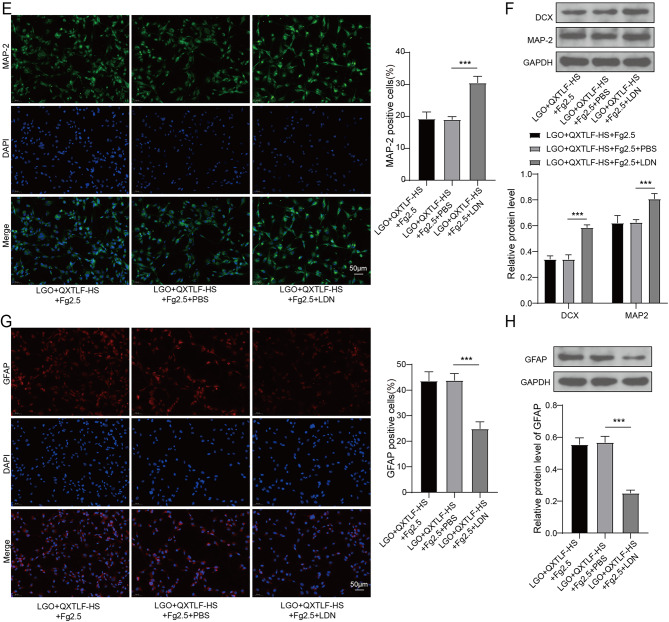 Figure 6
Peer Reviews
No public reviews on file for this paper yet. If you reviewed it on a platform where reviews are public (OpenReview, ICLR, NeurIPS, ICML), you can paste yours below so the community can read it here.
Videos
No videos yet. Explain this paper in a talk, walkthrough, or lecture? Add one.
Taxonomy
TopicsNeurogenesis and neuroplasticity mechanisms · Mesenchymal stem cell research · Neurological Disease Mechanisms and Treatments