Proteomic signature of aging in bloodstain samples: a preliminary study
Niu Gao, Daijing Yu, Jingjing Xu, Jiaxuan Hao, Jinding Liu, Jiangwei Yan

TL;DR
This study explores using proteins in bloodstains to estimate age, offering a promising alternative to DNA-based methods.
Contribution
The study is the first to use proteomic signatures from bloodstains for forensic age prediction.
Findings
Age-related proteins showed four nonlinear change patterns during aging.
The Boruta-based model achieved an R² of 0.70 and a MAE of 9.14 years.
Age-associated proteins were enriched in endocytosis, metabolism, and neurodegenerative disease pathways.
Abstract
Age estimation from biological samples remains a critical challenge in forensic investigations, particularly when analyzing trace or degraded biological stains recovered from crime scenes. While DNA methylation has gained attention as a potential epigenetic clock for age prediction, practical limitations that include the requirements for bisulfite conversion and environmental interference hinder its forensic utility. Previous studies have shown that proteins are more stable than DNA and that certain proteins are highly age-related and gender-differentiated, indicating that proteomic signatures present a promising alternative for biological age determination. However, proteomic data from bloodstains have not yet been used for forensic age prediction. In this pilot study, we used the high-resolution Thermo Scientific Orbitrap Astral Mass Spectrometer to investigate the proteomic…
Genes, proteins, chemicals, diseases, species, mutations and cell lines named across the full text — each resolved to its canonical identifier and authoritative record.
Click any figure to enlarge with its caption.
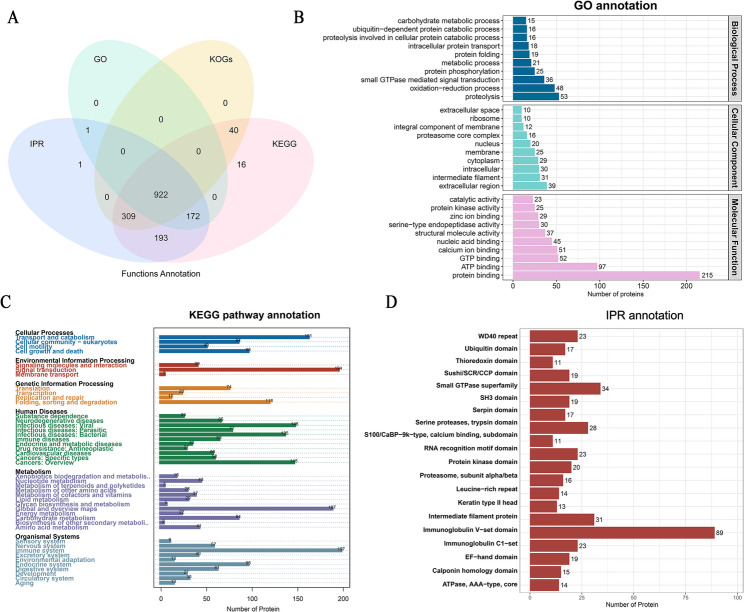 Figure 1
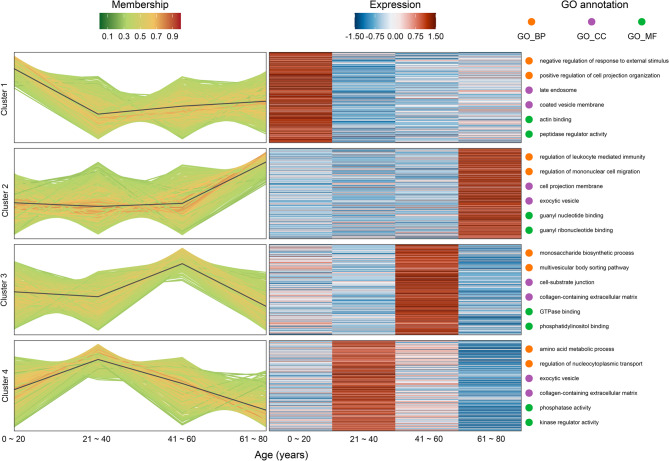 Figure 2
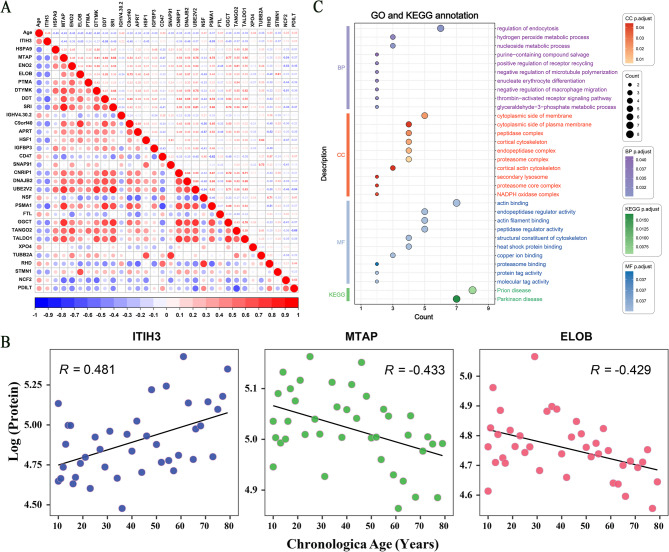 Figure 3
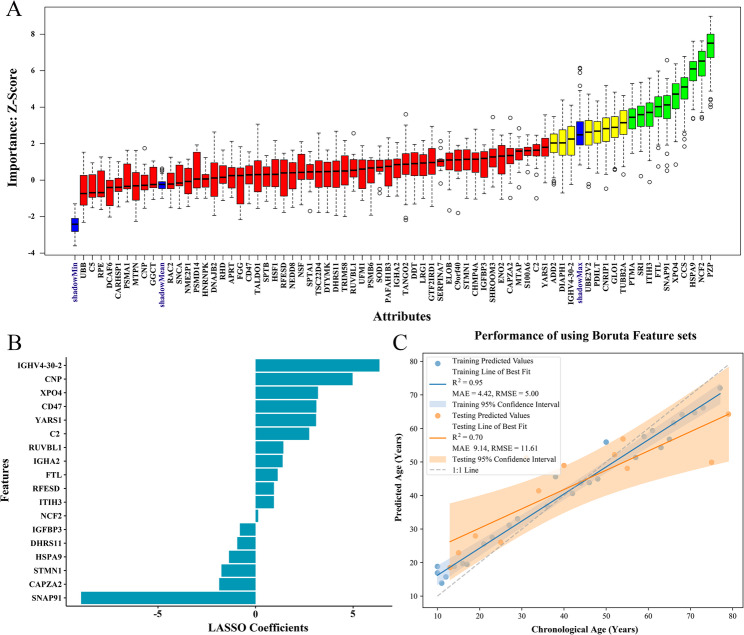 Figure 4
Peer Reviews
No public reviews on file for this paper yet. If you reviewed it on a platform where reviews are public (OpenReview, ICLR, NeurIPS, ICML), you can paste yours below so the community can read it here.
Videos
No videos yet. Explain this paper in a talk, walkthrough, or lecture? Add one.
Taxonomy
TopicsAdvanced Proteomics Techniques and Applications · Epigenetics and DNA Methylation · Forensic and Genetic Research