Do duplication-inducing elements ‘cooperate’ with genes in evolutionary arms races? A case study on cereal crop pathogenesis
M. Timothy Rabanus-Wallace, Thomas Wicker, Mohammad Pourkheirandish, Nils Stein

TL;DR
This paper explores how genes involved in evolutionary arms races, like those defending against pathogens, may work with DNA regions that cause duplications, helping crops evolve better defenses.
Contribution
The study provides evidence that pathogen defense genes in barley are statistically associated with duplication-prone genomic regions, suggesting a cooperative evolutionary strategy.
Findings
Pathogen defense genes in barley are linked to Kb-scale tandem repeats that induce duplication.
Duplication-prone regions show a history of dispersal and local expansion, contributing to genetic diversity.
Genes in evolutionary arms races may benefit from associations with duplication-inducing sequences.
Abstract
Crop improvement depends on the human ability to harness naturally- or artificially-occurring gene variants. Genomic segmental duplication can create redundant gene copies that can more freely ‘explore’ the space of possible mutations without adverse selective consequences. Such efficient generation of genetic diversity can be especially beneficial for organisms involved in evolutionary arms races such as the conflict between pathogens and their hosts. Given that some genomic regions are more prone to spontaneously duplicate themselves than others, we hypothesised that lineages in which arms-race-implicated genes fall within duplication-prone regions might enjoy a selective advantage, resulting in a measurable statistical association between the two. We subjected the exceptionally repetitive and high-quality barley (Hordeum vulgare L.) genome assembly to a novel analysis to explicitly…
Genes, proteins, chemicals, diseases, species, mutations and cell lines named across the full text — each resolved to its canonical identifier and authoritative record.
Click any figure to enlarge with its caption.
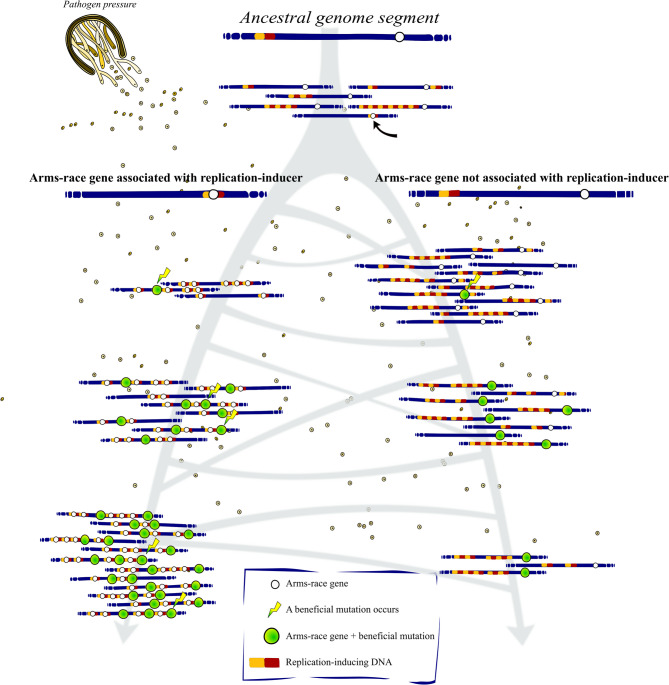 Figure 1
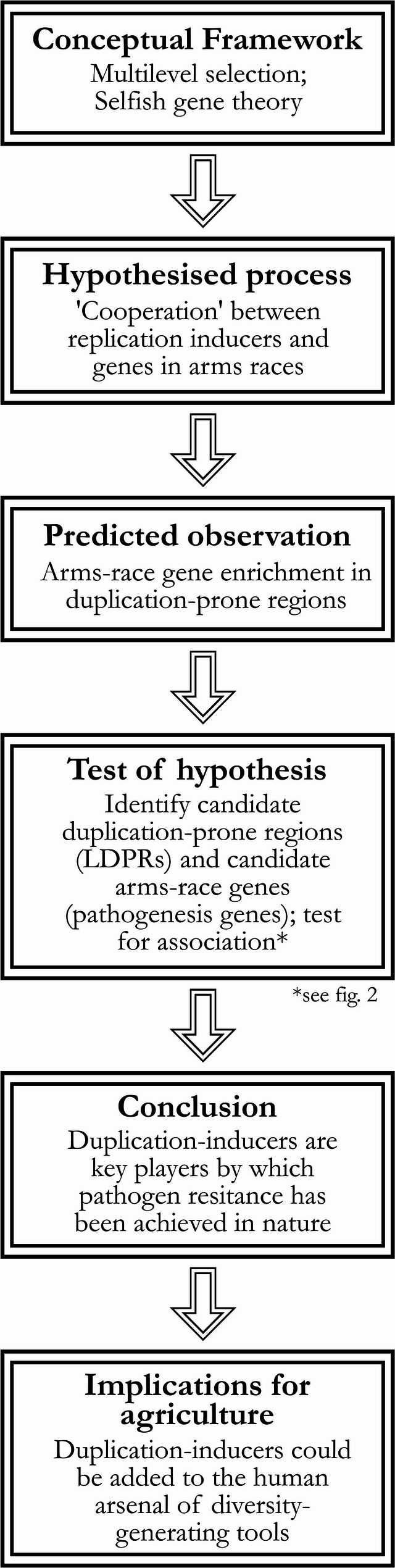 Figure 2
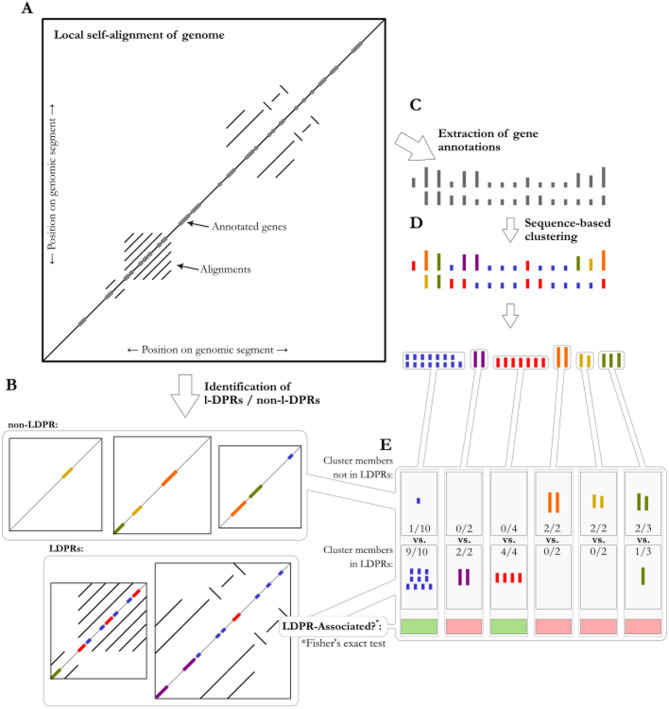 Figure 3
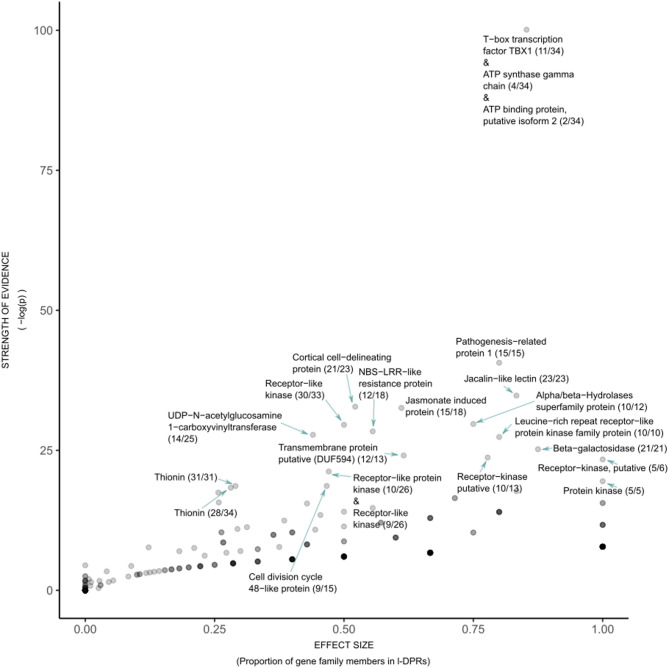 Figure 4
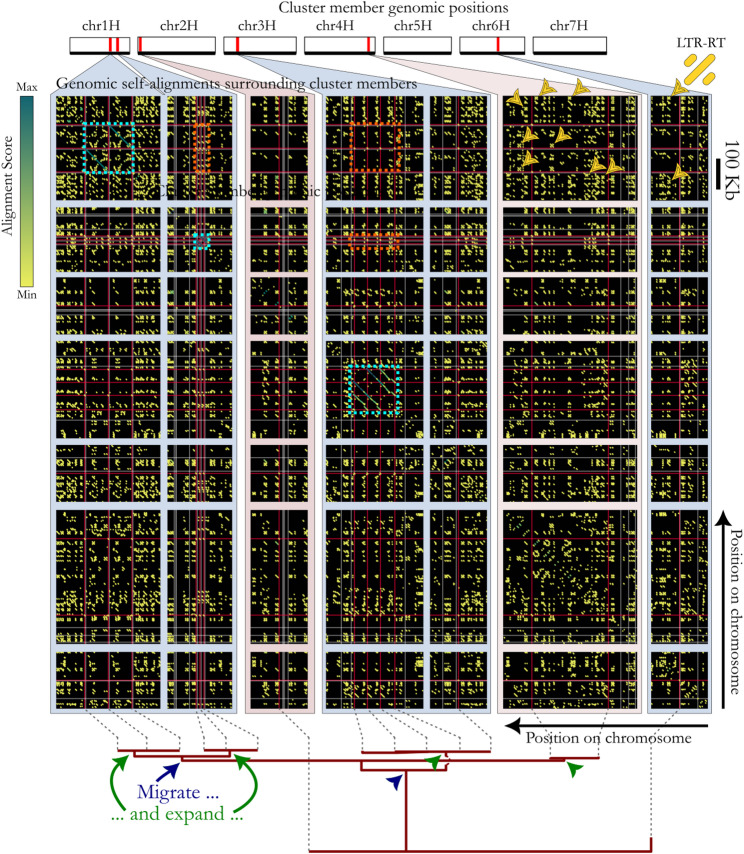 Figure 5
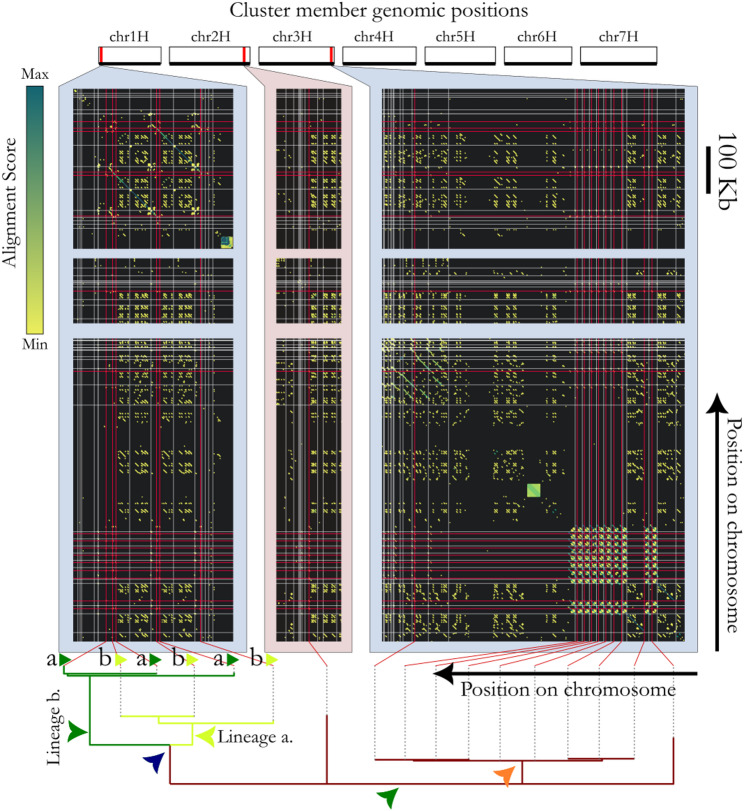 Figure 6
Peer Reviews
No public reviews on file for this paper yet. If you reviewed it on a platform where reviews are public (OpenReview, ICLR, NeurIPS, ICML), you can paste yours below so the community can read it here.
Videos
No videos yet. Explain this paper in a talk, walkthrough, or lecture? Add one.
Taxonomy
TopicsWheat and Barley Genetics and Pathology · Chromosomal and Genetic Variations · Genomics and Phylogenetic Studies