A novel method for effectively selecting fragments not associated with restriction sites for whole-genome genotyping
Peng Chen, Bipei Zhang, Sheng Zhao, Zhenghang Zhu, Yiming Yan, Haotian Chen, Hong Lu, Yong Xiang, Yongquan Li, Yuxiao Chang

TL;DR
A new method called iRAD-seq simplifies and improves the efficiency of whole-genome genotyping by changing the order of library preparation and fragment selection.
Contribution
The novel iRAD-seq method introduces a 'prepare library first, then select' workflow that streamlines RAD-seq library preparation.
Findings
iRAD-seq provides consistent genome-wide SNP distributions in maize and rice.
The method enables effective genetic diversity analysis in maize germplasm.
iRAD-seq is useful for identifying quantitative trait loci in maize populations.
Abstract
Reduced representation sequencing (RRS) using Restriction site-associated DNA sequencing (RAD-seq) has become a widely adopted method for whole-genome genotyping, owing to its cost-effectiveness and applicability across species. However, traditional RAD-seq approaches face challenges, including complex workflows and high labor demands. Existing RAD-seq methods rely primarily on the strategy of “selecting fragments first, then preparing a library,” which involves targeting fragments associated with restriction enzyme cut sites. In contrast, we developed inverse RAD-seq (iRAD-seq), a novel method that employs a “prepare library first, then select” strategy to efficiently capture fragments not associated with restriction sites for whole-genome genotyping. This innovative approach utilizes Tn5 transposase to simultaneously fragment DNA and ligate adapters, followed by pooled processing of…
Genes, proteins, chemicals, diseases, species, mutations and cell lines named across the full text — each resolved to its canonical identifier and authoritative record.
Click any figure to enlarge with its caption.
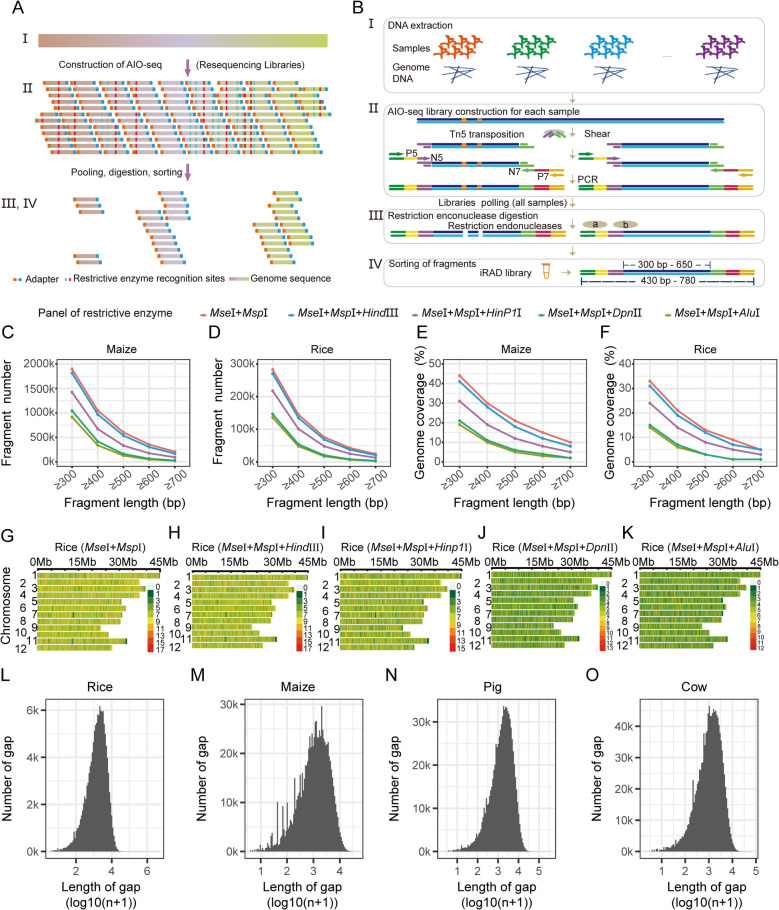 Figure 1
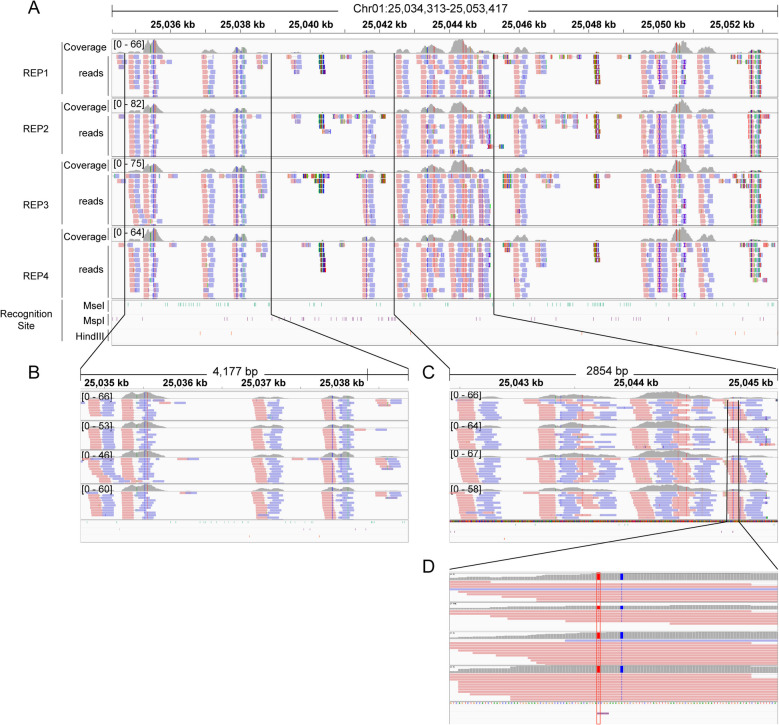 Figure 2
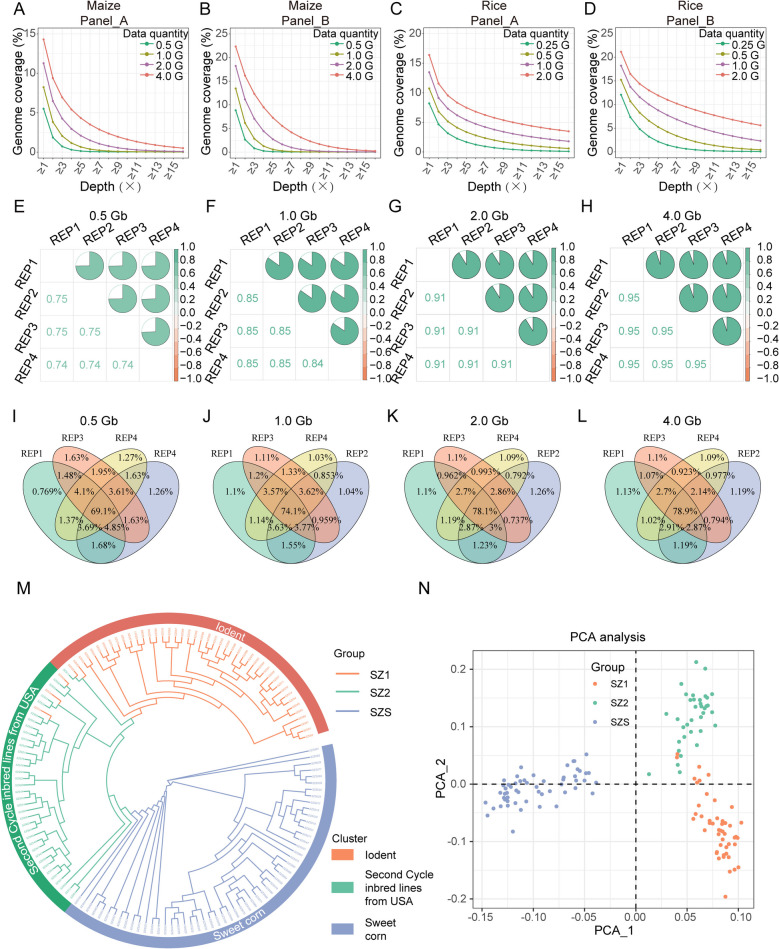 Figure 3
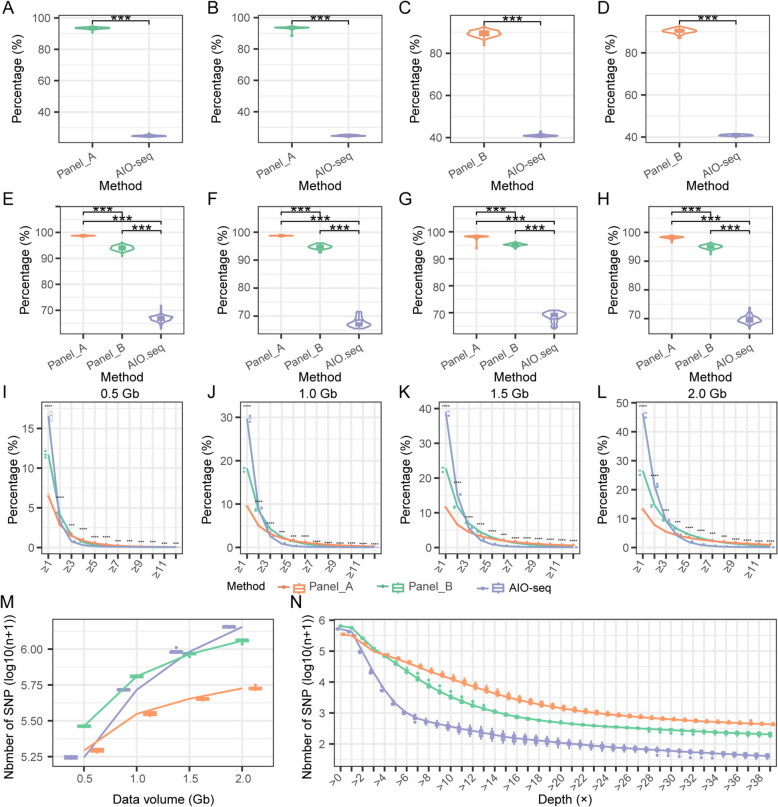 Figure 4
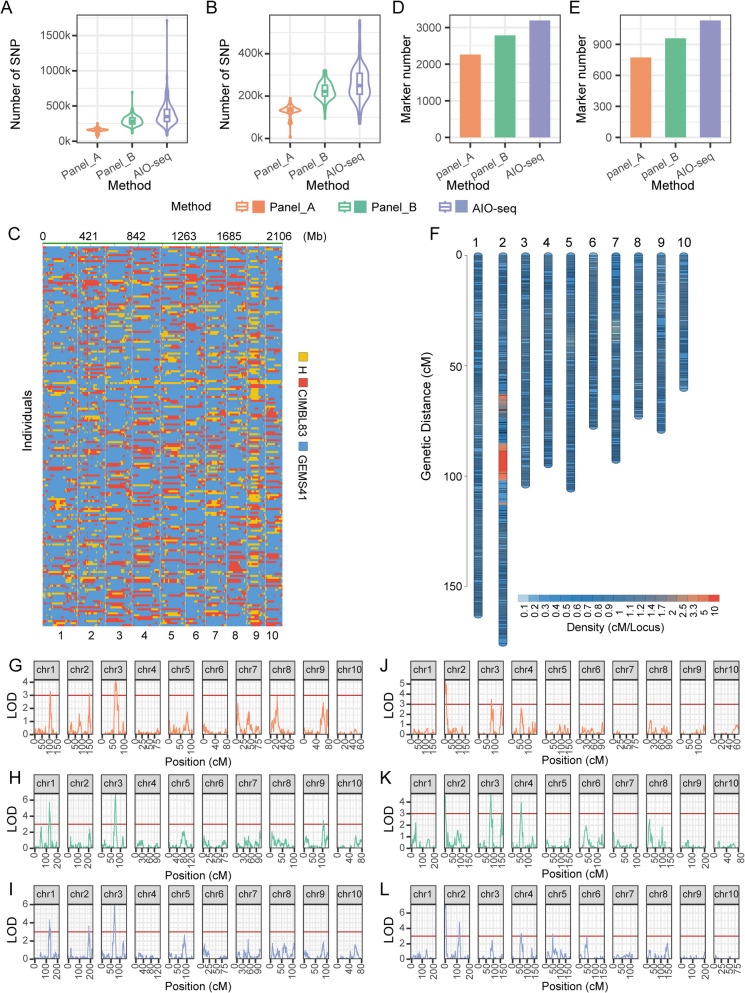 Figure 5
Peer Reviews
No public reviews on file for this paper yet. If you reviewed it on a platform where reviews are public (OpenReview, ICLR, NeurIPS, ICML), you can paste yours below so the community can read it here.
Videos
No videos yet. Explain this paper in a talk, walkthrough, or lecture? Add one.
Taxonomy
TopicsGenetic Mapping and Diversity in Plants and Animals · Genomics and Phylogenetic Studies · Molecular Biology Techniques and Applications