Microfluidic Flow-Focusing for Size-Controlled Formation of Cubosomes
Celso J. O. Ferreira, Margarida Barros, Marco Fornasier, Alexandre Chícharo, Claudia Botelho, Maria Elisabete C. D. Real Oliveira, Ulf Olsson, Bruno F. B. Silva

TL;DR
This paper introduces a microfluidic method to create cubosomes of controlled size for drug delivery applications.
Contribution
A microfluidic flow-focusing technique is presented for tunable size control of cubosomes during solvent exchange.
Findings
Cubosome sizes can be tuned from 195 nm to 125 nm by adjusting flow rate ratios.
The method shows statistically significant size control compared to bulk solvent exchange.
Polydispersity remains low-to-moderate despite some variability from pumping instability.
Abstract
Cubosomescolloidal dispersions of lipid inverted bicontinuous cubic phasesare promising nanosystems for advanced drug delivery applications. Here, we report on a microfluidic hydrodynamic flow-focusing approach for solvent exchange that enables the preparation of cubosomes with tunable size. The approach involves a preliminary step where the lipid phytantriol, the main building block, is first dissolved in ethanol to create a precursor solution. This precursor is subsequently flowed through the central channel of a cross-shaped microfluidic device, where it is focused by two lateral streams of water containing the stabilizer Pluronic F127. As water and ethanol mix, the polarity shift forces phytantriol to self-assemble into cubosomes, while the laminar-flow conditions imposed by the microchannels provide controlled mixing conditions. By adjusting the flow rate ratio (Q R ) between…
Genes, proteins, chemicals, diseases, species, mutations and cell lines named across the full text — each resolved to its canonical identifier and authoritative record.
Click any figure to enlarge with its caption.
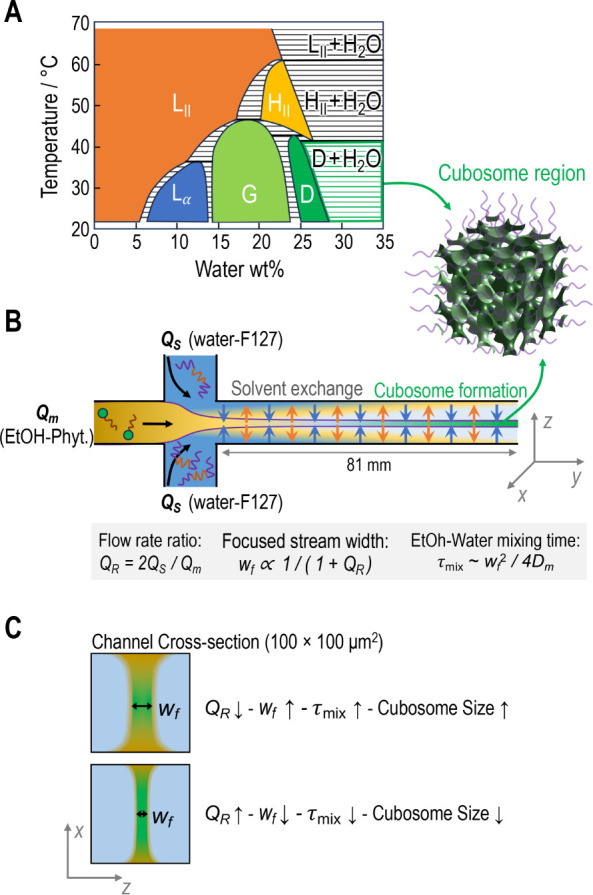 Figure 1
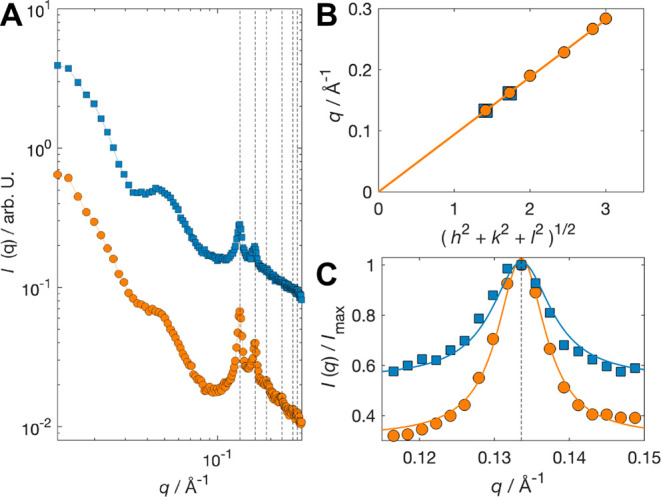 Figure 2
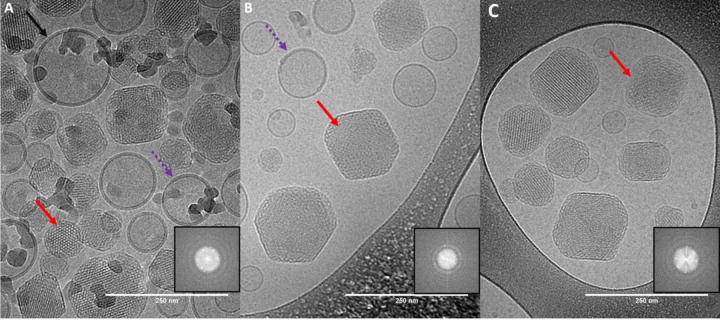 Figure 3
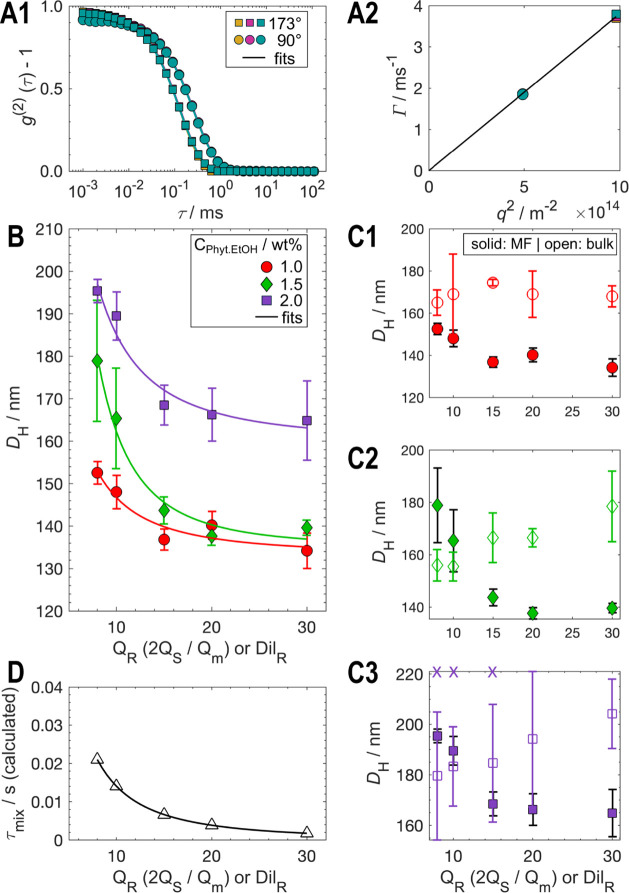 Figure 4
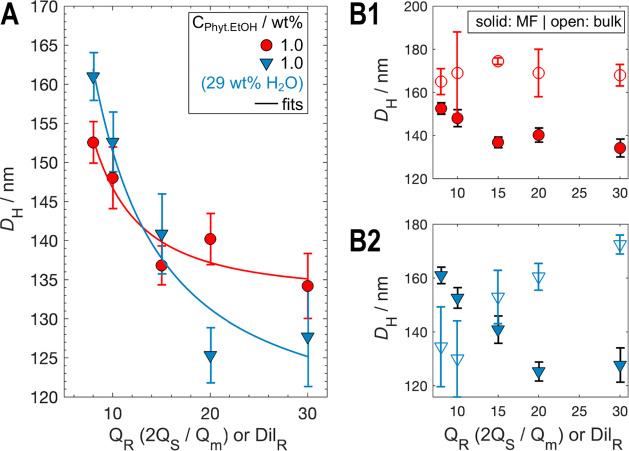 Figure 5
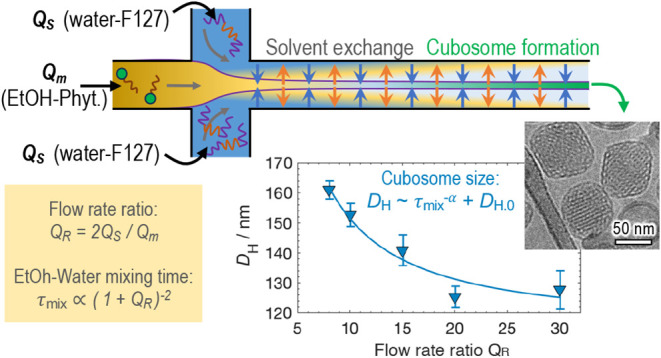 Figure 6
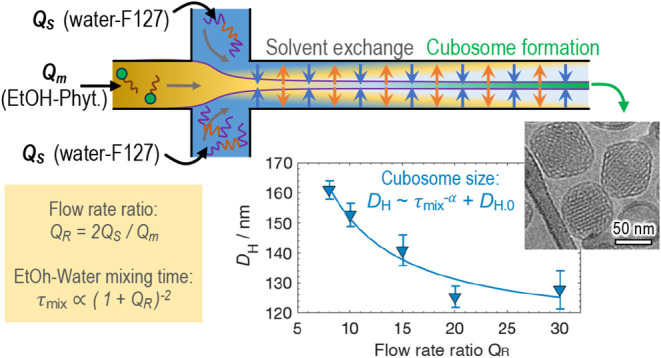 Figure 7
 Figure 8
 Figure 9
 Figure 10
 Figure 11
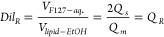 Figure 12
 Figure 13
 Figure 14
 Figure 15
 Figure 16
 Figure 17
 Figure 18
 Figure 19
 Figure 20
 Figure 21
 Figure 22
 Figure 23
 Figure 24
 Figure 25
 Figure 26
 Figure 27
 Figure 28
 Figure 29
 Figure 30
 Figure 31
 Figure 32
 Figure 33
 Figure 34
 Figure 35
 Figure 36
 Figure 37
 Figure 38
 Figure 39
 Figure 40
Peer Reviews
No public reviews on file for this paper yet. If you reviewed it on a platform where reviews are public (OpenReview, ICLR, NeurIPS, ICML), you can paste yours below so the community can read it here.
Videos
No videos yet. Explain this paper in a talk, walkthrough, or lecture? Add one.
Taxonomy
TopicsInnovative Microfluidic and Catalytic Techniques Innovation · Microfluidic and Capillary Electrophoresis Applications · Nanofabrication and Lithography Techniques