Comparison of the Differing Impacts of Lowered N-Acetylglucosaminyltransferase-Ia/b Activity on Motor and Sensory Function in Zebrafish
M. Kristen Hall, Cody J. Hatchett, Haris A. Khan, Hannah Lewis, Ruth A. Schwalbe

TL;DR
This study explores how changes in N-glycan processing affect motor and sensory functions in zebrafish, revealing impacts on nervous system health.
Contribution
The study reveals distinct effects of N-acetylglucosaminyltransferase-Ia/b mutations on motor and sensory functions in zebrafish.
Findings
mgat1a−/− zebrafish show increased oligomannosylated proteins and impaired motor/sensory functions.
mgat1b−/− zebrafish display higher sensory deficits and altered anxiety-like behavior compared to wild-type.
Altered N-glycan processing affects brain, spinal cord, and muscle control in zebrafish.
Abstract
Perturbation in terminal N-glycan processing is a feature of congenital disorders of glycosylation and neurological disorders. Since treatment options are limited, N-glycans are plausible therapeutic targets. Here, we investigated the consequences of substituting complex/hybrid with oligomannose types of N-glycans on nervous and musculature systems, employing mgat1a and mgat1b mutant zebrafish models. CRISPR Cas9 technology was employed to engineer the mgat1a zebrafish model. The N-glycan populations in Wt AB, mgat1a−/− and mgat1b−/− zebrafish were characterized via lectin blotting. Motor and sensory functions were measured by tail-coiling and touch-evoked response assays in embryos and larvae. Swimming locomotion and anxiety-like behavior were characterized in adult Wt AB, and mutant zebrafish using motility and novel tank dive assays. The mgat1a−/− model had increased…
Genes, proteins, chemicals, diseases, species, mutations and cell lines named across the full text — each resolved to its canonical identifier and authoritative record.
Click any figure to enlarge with its caption.
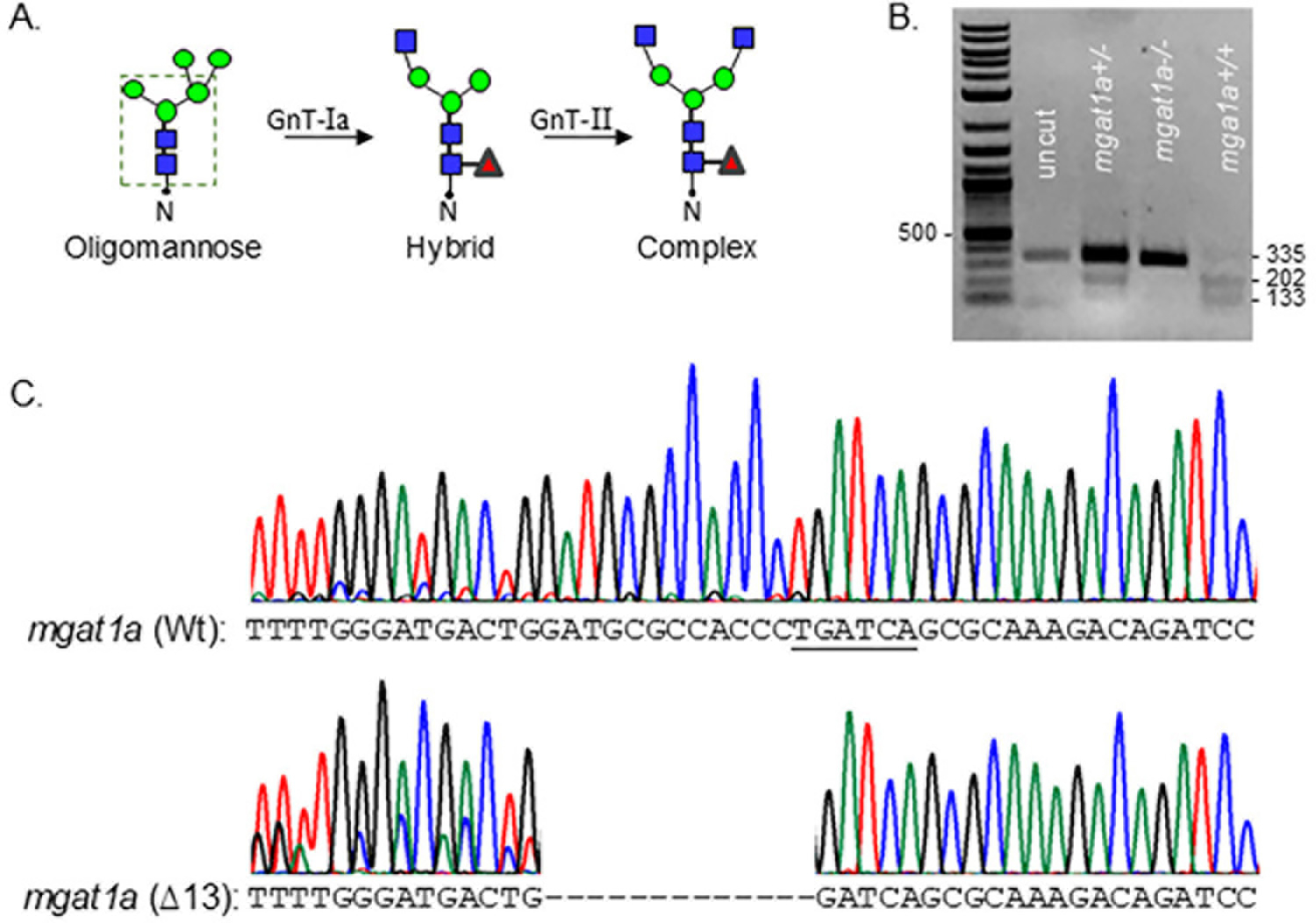 Figure 1
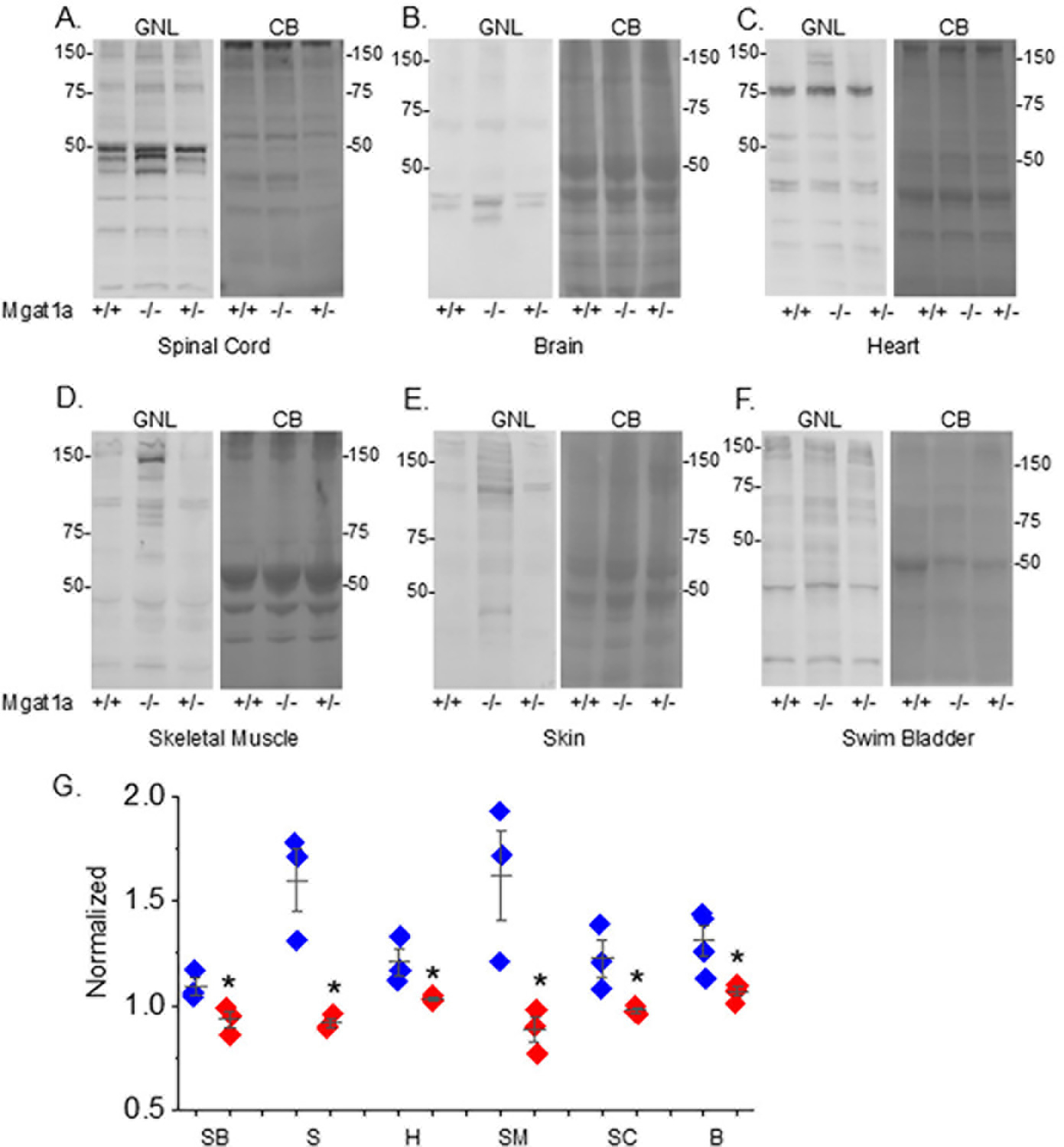 Figure 2
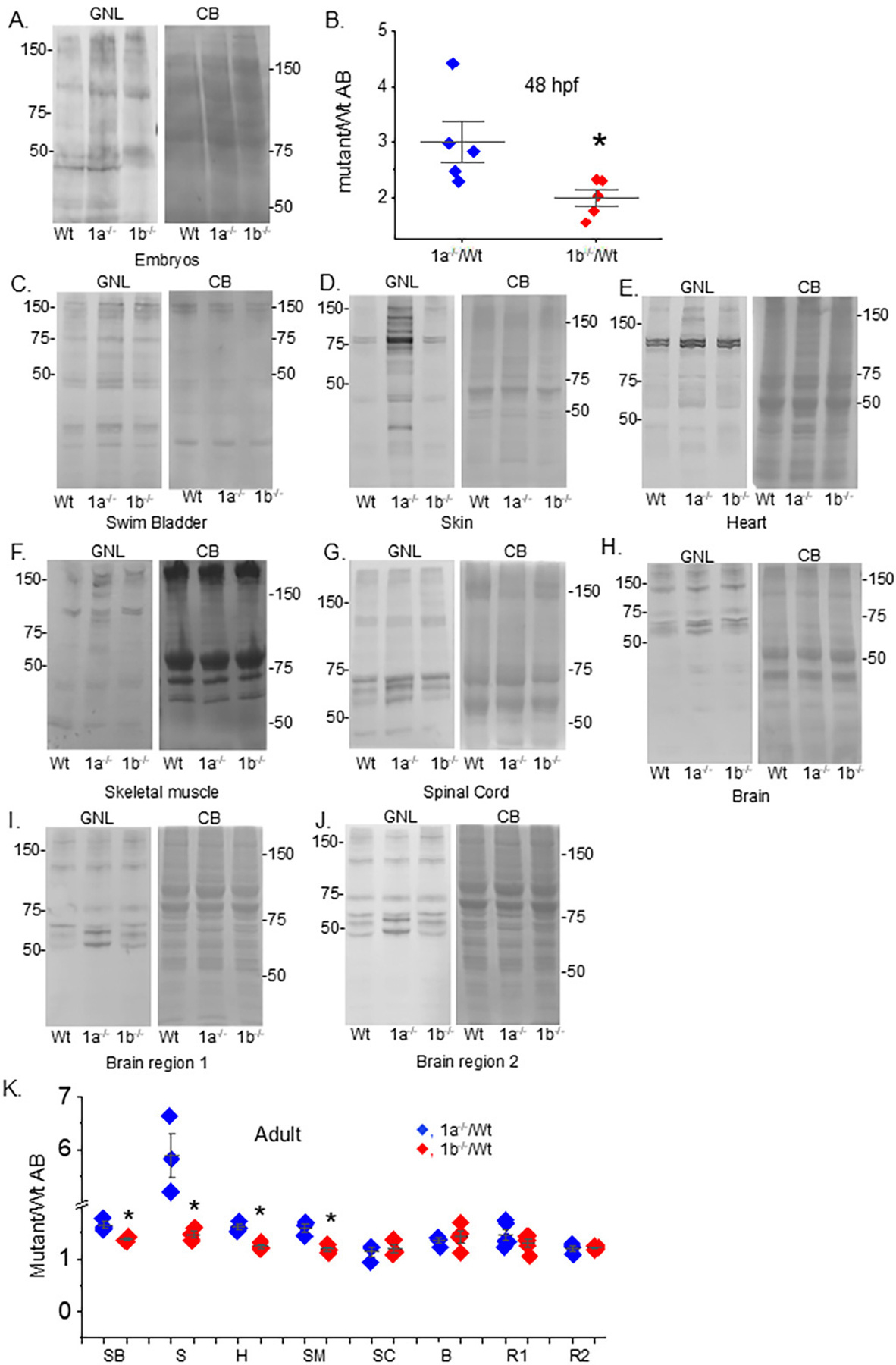 Figure 3
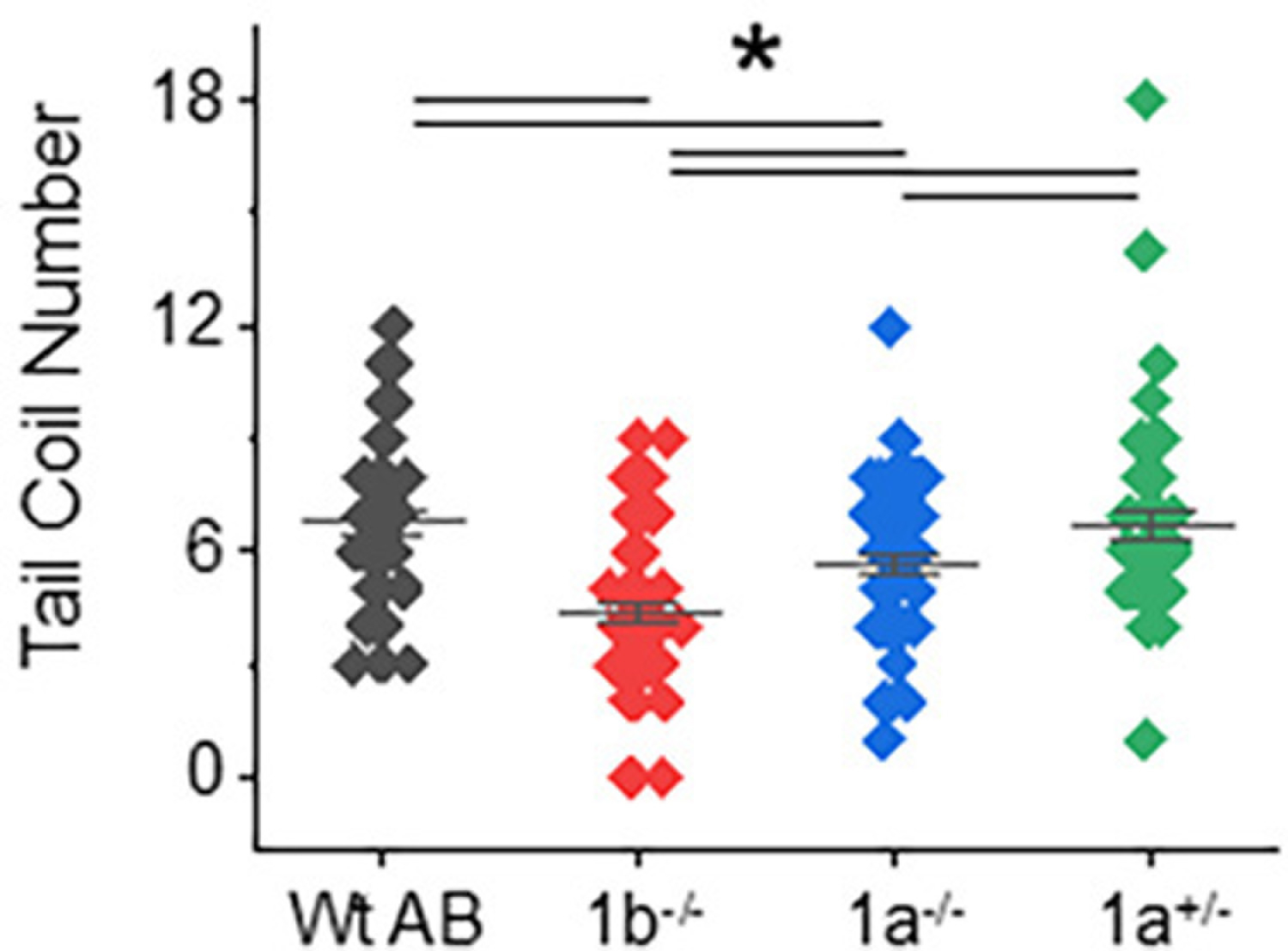 Figure 4
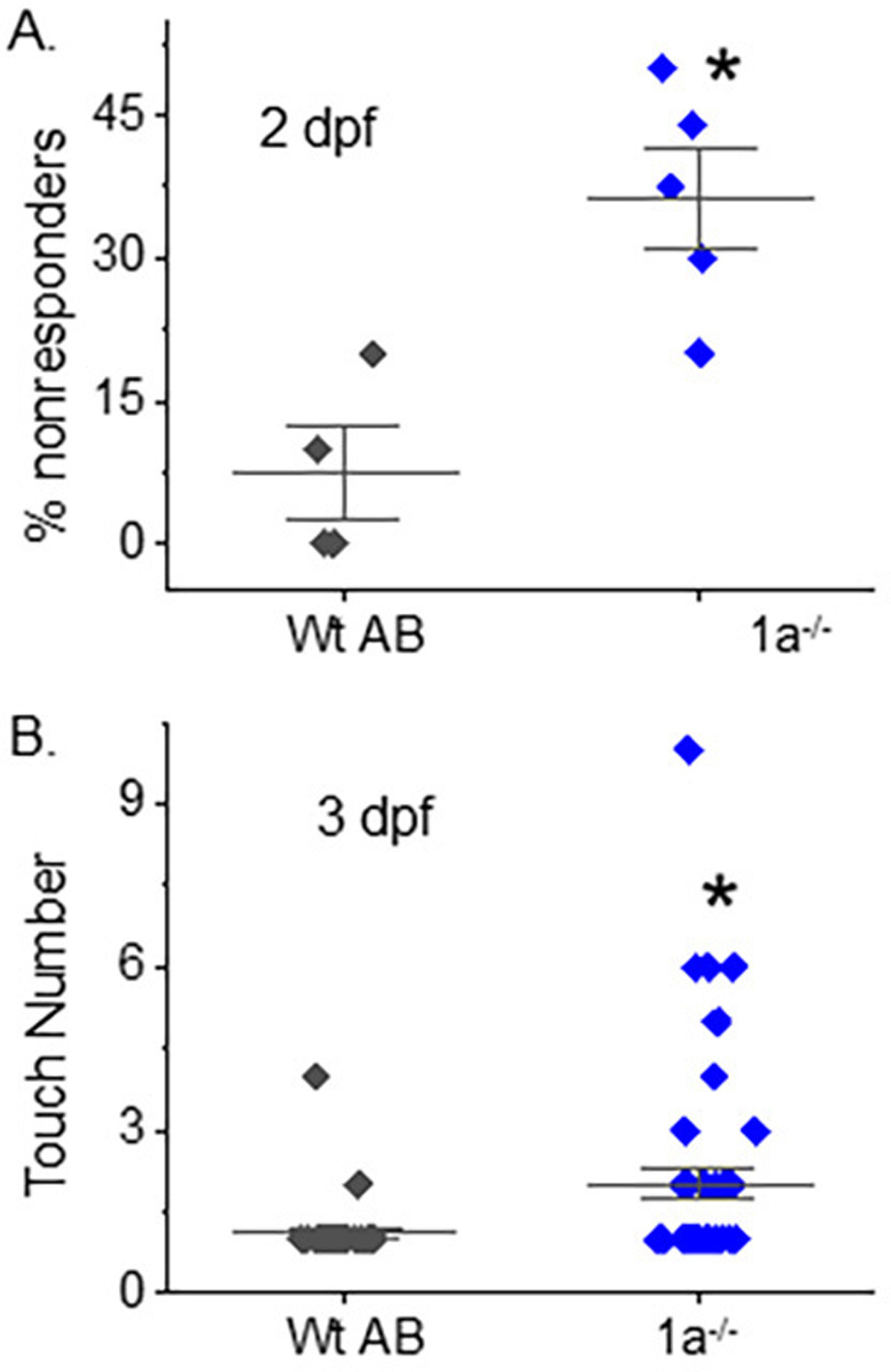 Figure 5
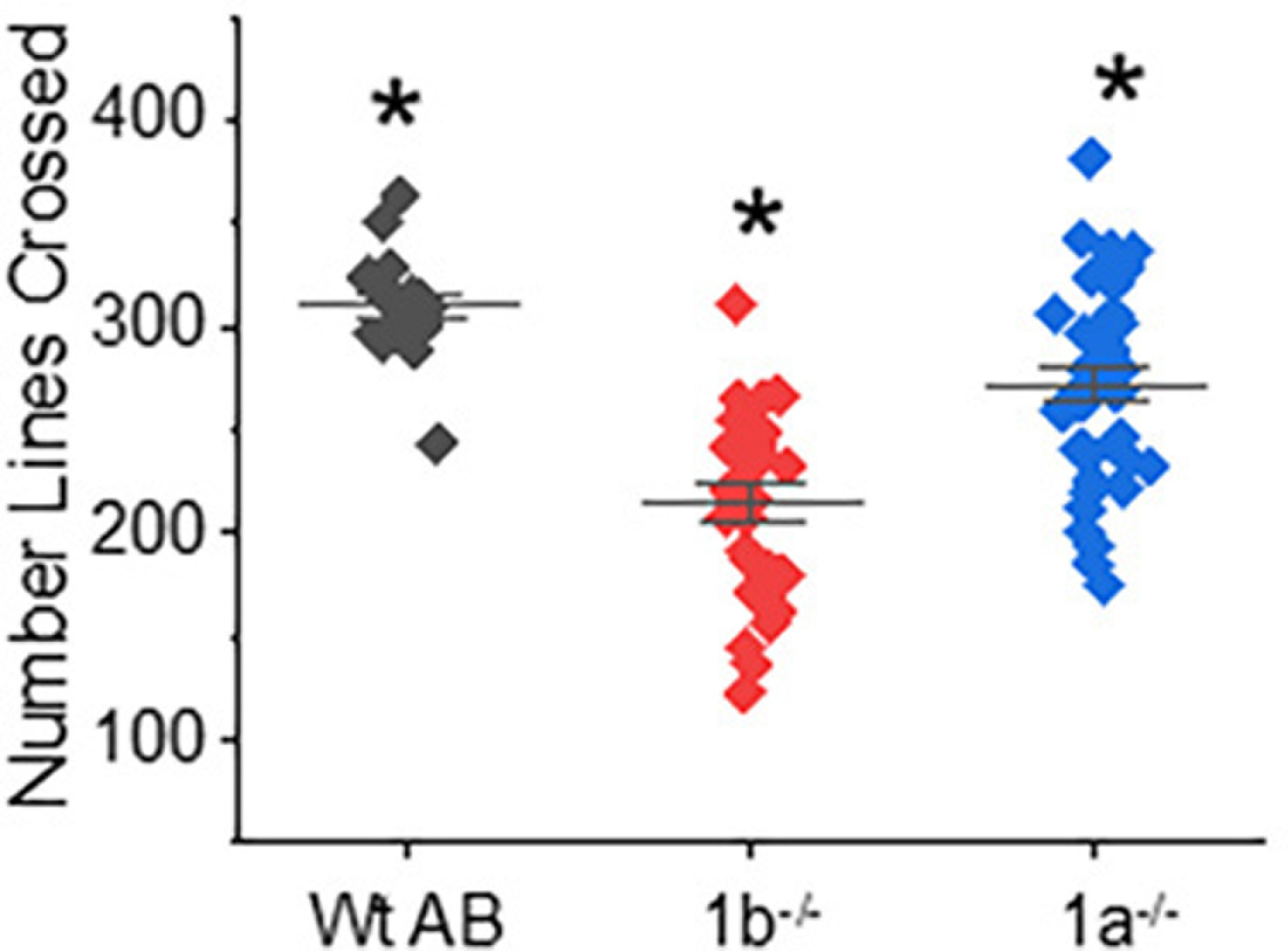 Figure 6
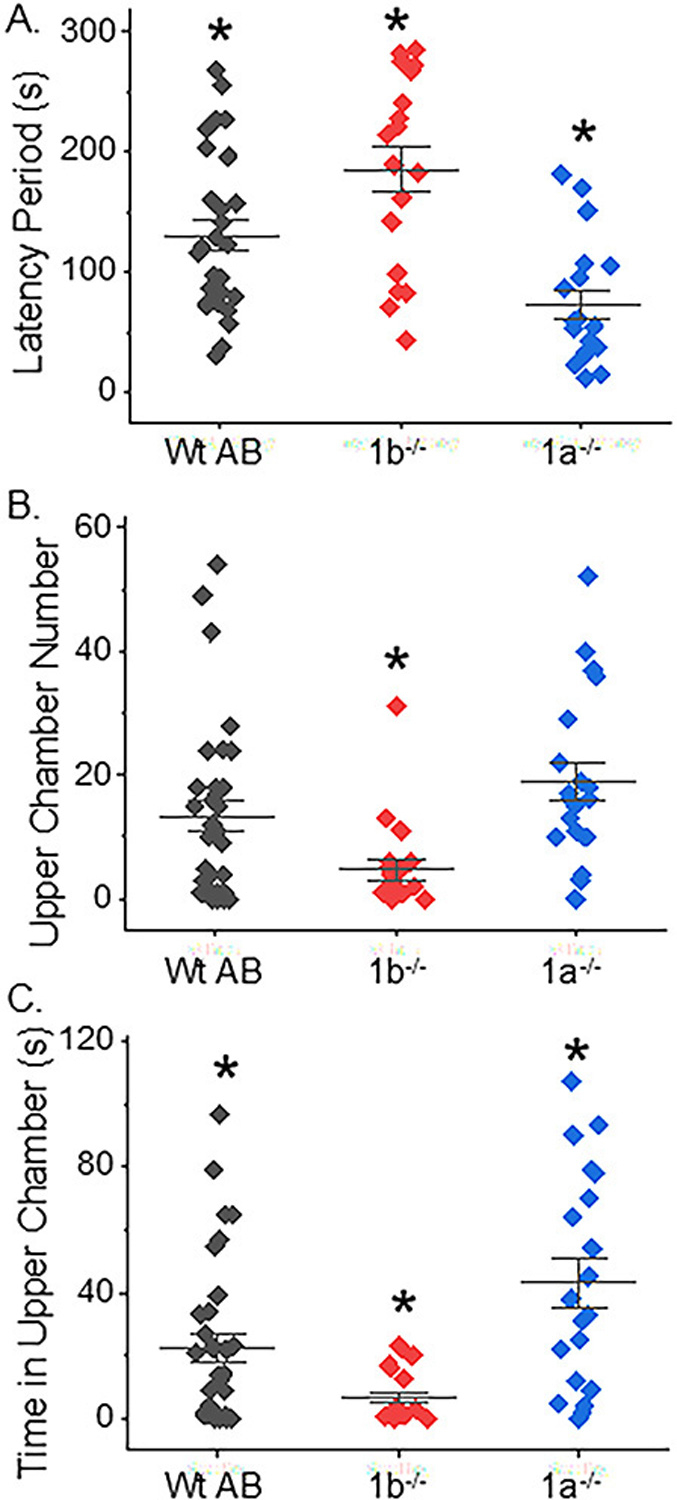 Figure 7
Peer Reviews
No public reviews on file for this paper yet. If you reviewed it on a platform where reviews are public (OpenReview, ICLR, NeurIPS, ICML), you can paste yours below so the community can read it here.
Videos
No videos yet. Explain this paper in a talk, walkthrough, or lecture? Add one.
Taxonomy
TopicsZebrafish Biomedical Research Applications · Neurogenesis and neuroplasticity mechanisms · Neuroinflammation and Neurodegeneration Mechanisms