Effects of Genetic polymorphism in susceptibility to schistosomiasis infection and adverse treatment outcomes
Akingbolabo Daniel Ogunlakin, Oluwafemi Adeleke Ojo, Oluwaseun Abigael Ogunlakin, Ajibola David Adelakun, Ayobami Tosin Adegbenro, Favour Inijesunimi Olagookun, Sophie Adedamola Adeyeye, Mubo Adeola Sonibare

TL;DR
This paper reviews how genetic differences affect susceptibility to schistosomiasis and treatment outcomes.
Contribution
The paper highlights the role of the Th2 immune response gene cluster on chromosome 5q31–q33 in schistosomiasis susceptibility.
Findings
Genetic polymorphism influences susceptibility to schistosomiasis and treatment outcomes.
The Th2 cluster gene on chromosome 5q31–q33 is linked to increased risk of schistosomiasis.
Environmental factors like age, gender, and infections also affect susceptibility.
Abstract
Schistosomiasis is a serious tropical disease that is undiagnosed (Neglected tropical disease -NTD). The only disease with a more detrimental socio-economic impact than its causative agent is malaria. Over 250 million individuals are presently afflicted with Schistosomiasis haematobium, and an additional 779 million people are at risk of infection in regions where the disease is endemic. Africa is home to many incidences, which account for roughly 90% of infections. Every year in underdeveloped nations, schistosomiasis claims the lives of 11,700 people and disables over 3.3 million others. The parasite is still dangerous everywhere in the world, even in non-endemic places. This review delves deeply into genetic polymorphism and its different forms. It also addresses genetic polymorphism to susceptibility. It has been found that environmental factors are among the many variables that…
Genes, proteins, chemicals, diseases, species, mutations and cell lines named across the full text — each resolved to its canonical identifier and authoritative record.
Click any figure to enlarge with its caption.
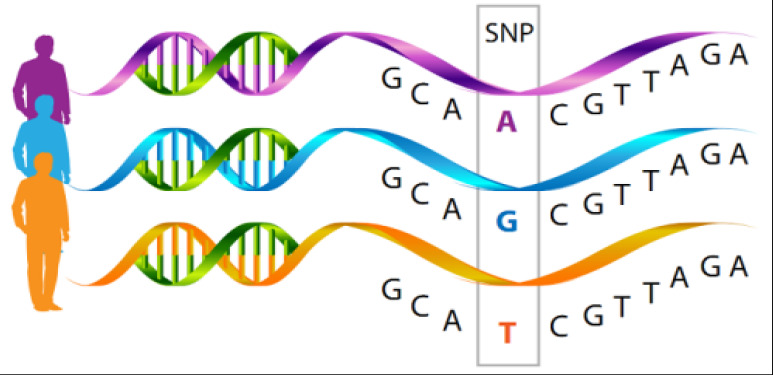 Figure 1
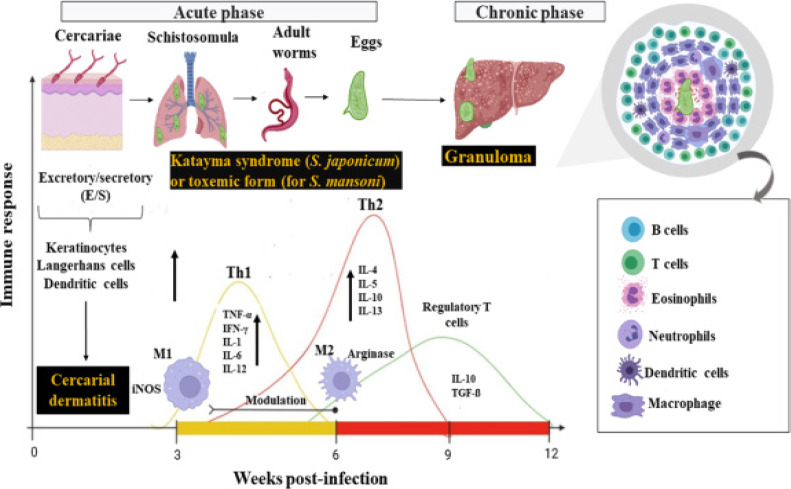 Figure 2
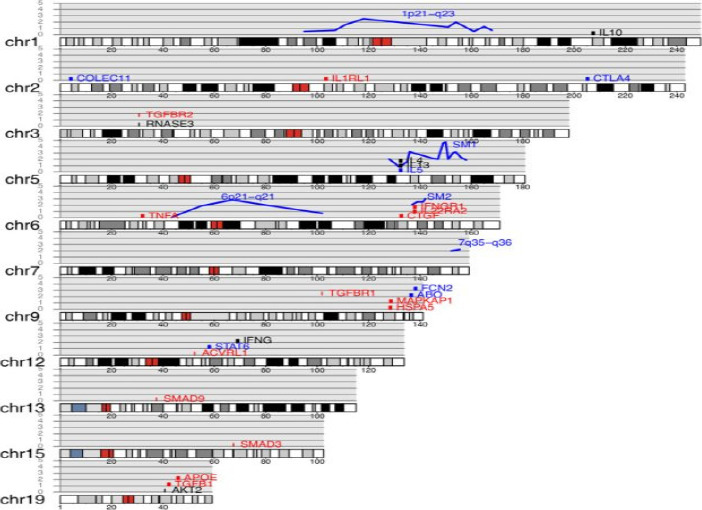 Figure 3
Peer Reviews
No public reviews on file for this paper yet. If you reviewed it on a platform where reviews are public (OpenReview, ICLR, NeurIPS, ICML), you can paste yours below so the community can read it here.
Videos
No videos yet. Explain this paper in a talk, walkthrough, or lecture? Add one.
Taxonomy
TopicsParasites and Host Interactions · Research on Leishmaniasis Studies · Parasite Biology and Host Interactions